TL;DR
Old stains are embedded deep, making them harder to remove. Patience, proper cleaning techniques, and natural remedies can help lift even stubborn spots from your carpet fibers. Multiple treatments and gentle methods often produce the best results.
Ever looked at a stubborn stain on your carpet and wondered if it’s truly permanent? The good news is, old stains don’t have to stay forever. With a bit of patience and the right techniques, you can breathe new life into your worn, stained rugs.
In this guide, you’ll learn how to identify stubborn stains, what DIY methods actually work, and when it’s time to call in the pros. Spoiler: you don’t need harsh chemicals or expensive equipment—just practical, proven steps to get your carpet looking fresh again.
Old stains often require multiple gentle treatments to lift completely.
Identify the stain type first to choose the most effective removal method.
Natural remedies like baking soda, vinegar, and hydrogen peroxide are safe and effective for many stains.
Patience and repeated applications are the keys to success with stubborn stains.
When DIY efforts fail, professional cleaning can fully restore your carpet’s appearance.
How to Get Old Stains Out of Carpet
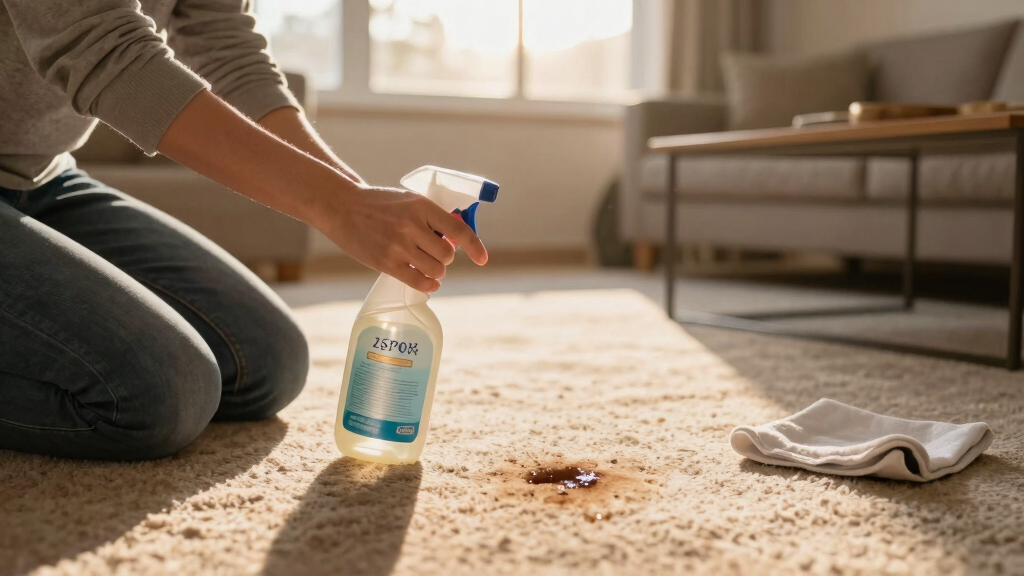
Old stains settle deep into carpet fibers, so removal is less about force and more about sequence: identify the stain, test first, loosen gently, apply the right cleaner, wait, blot, and repeat.
Blot, don’t scrub
Scrubbing can fray fibers, spread residue, and push discoloration deeper into the backing.
10–15 min
Let cleaners sit long enough to loosen bonds before blotting with a dry cloth.
TL;DR: multiple gentle treatments usually beat one aggressive attempt.
Match the stain before choosing the cleaner
Coffee, wine, pet urine, ink, and dye bond to carpet differently. The right method depends on what caused the stain, how long it sat, and whether odor or discoloration remains.
Coffee & wine
Often darken as they oxidize. Baking soda and vinegar can help lift surface residue over repeated passes.
Pet urine
Can soak into fibers and padding. Enzymatic cleaners are strongest because they break down organic compounds.
Ink & dye
May need targeted products or careful hydrogen peroxide testing to avoid color loss on delicate carpet.
Mystery spots
Start with warm water and blotting. Avoid mixing products until you know how the carpet reacts.

Biokleen Bac-Out Enzyme Cleaner Spray and Stain & Odor Remover for Pet Stains, Laundry, Diapers, Wine, Carpets, & More, Eco-Friendly, Non-Toxic, Lime Scent, 32 Ounces
Destroys stains and odors safely and naturally with an unique blend of live enzyme cultures, botanicals, and plant-based…
As an affiliate, we earn on qualifying purchases.
As an affiliate, we earn on qualifying purchases.
Loosen, treat, wait, blot, repeat
Old stains usually release gradually. Give each application time to penetrate before deciding whether the method worked.
Blot & soak
Use warm water or a gentle solution to loosen set fibers. Blot with a clean cloth; avoid heavy scrubbing.
Target cleaner
Use baking soda, vinegar, hydrogen peroxide, enzyme cleaner, or a commercial product matched to the stain.
Sit & repeat
Wait 10–15 minutes, blot dry, inspect, then repeat gently if the stain is still visible.

Dr. Clark Store Baking Soda – 1 Cup, Superior Purity, Aluminum-Free & Chemical-Free for Household & Personal Use
Superior Purity and Safety: Baking soda is a naturally occurring, non-toxic substance that is aluminum-free and free of…
As an affiliate, we earn on qualifying purchases.
As an affiliate, we earn on qualifying purchases.
Natural remedies vs. commercial stain removers
Natural methods are safer and affordable for many household stains. Commercial cleaners can work better on old, complex stains, but require careful testing and ventilation.
| Feature | Natural Remedies | Commercial Products | Best Use |
|---|---|---|---|
| Effectiveness | ✓ Good for light to moderate organic stains with repeated applications. | ✓ Stronger formulas can penetrate tough, set-in stains. | Coffee, wine, food, pet marks, older discoloration. |
| Safety | ✓ Usually non-toxic and kid- or pet-friendly when used correctly. | ~ Some formulas may irritate skin or leave residue if overused. | Test first, ventilate, and follow label instructions. |
| Ease | ~ Simple ingredients, but ratios and timing matter. | ✓ Pre-mixed solutions are convenient and consistent. | DIY spot cleaning or larger recurring stains. |
| Cost | ✓ Very affordable; often pennies per use. | ~ More expensive, especially for enzyme or specialty products. | Use natural first, escalate when needed. |
| Risk | ~ Can discolor delicate fibers if not tested. | ✗ Harsh products can damage backing or attract dirt if not rinsed. | Never skip the hidden-area test. |

GreenFist Hydrogen Peroxide Ready to Use All Purpose (Glass, Carpet,Stain Remover) Cleaner (1 Gallon)
ALL IN ONE FORMULA – One Product as Multipurpose,Glass,Stain,Restroom,Grout,Sinks,Tubs,Showers and Carpet Cleaner.
As an affiliate, we earn on qualifying purchases.
As an affiliate, we earn on qualifying purchases.
Why old stains resist quick fixes
The deeper a stain penetrates, the more likely it needs repeated treatments. Each pass weakens the bond between residue and carpet fiber.
Treatment intensity by stain type
Escalation scale
Move up the scale when a stain remains after several gentle cycles, when odor persists, or when a large area has soaked through to the padding.
Repeat slowly, not aggressively
Old stains behave like layered residue. The first pass may only lift surface discoloration, while later applications reach deeper fibers.
DIY stops improving the stain
Professional hot water extraction or specialty treatment may be needed for large stains, old pet accidents, dye transfer, or marks that keep returning after drying.

Hoover PowerScrub Deluxe Carpet Cleaner Machine, Deep Cleaning Carpet Shampooer Machine, SpinScrub Brushes, HeatForce Drying, Pet & Upholstery Tools, Pair with Hoover Carpet Cleaner Solution
PROFESSIONAL-LEVEL STAIN REMOVAL AT HOME: Achieve pro results without the cost with the Hoover PowerScrub. Five counter-rotating SpinScrub…
As an affiliate, we earn on qualifying purchases.
As an affiliate, we earn on qualifying purchases.
From stain type to fresh carpet
A reliable stain-removal process connects cause, cleaner, timing, and escalation instead of guessing at random products.
Identify the Type of Old Stain Before You Start
The first step is understanding what you’re dealing with. Different stains — wine, pet urine, ink, coffee — each require specific treatments. For example, wine stains often turn into a stubborn, dark ring if left untreated, while pet urine can seep deep into fibers, creating lingering odors and discoloration.
Suppose your carpet has a brownish, sticky patch where your dog once had an accident. That’s likely old urine. Recognizing the stain type helps you pick the right cleaner, saving time and avoiding damage.
Test your cleaning solution on a hidden spot first. This prevents discoloration or fiber damage, especially when working with old, fragile stains.
Understanding the type of stain matters because different substances bond with carpet fibers in unique ways. For instance, organic stains like coffee or wine tend to seep into fibers and can oxidize over time, making them darker and more resistant to cleaning. Non-organic stains like ink or dye may require specific solvents. Recognizing what caused the stain guides you toward the most effective treatment, reducing the risk of worsening the problem or damaging your carpet further.
How to Remove Old Stains in 3 Simple Steps
- Blot and soak: Use a clean cloth or paper towel to blot up as much of the stain as possible. For older stains, apply a small amount of warm water or a gentle cleaning solution to loosen the fibers and the stain’s grip. This step is crucial because old stains often have set in, making them resistant. Loosening the fibers allows the cleaning agents to penetrate deeper, increasing the chances of lift and reducing the need for harsh scrubbing that can damage fibers.
- Apply a targeted cleaner: Use a natural remedy or commercial product suited for the stain. For example, a mix of baking soda and vinegar works well on coffee or wine, while hydrogen peroxide can help with ink or dye stains. Choosing the right cleaner is important because some substances can react adversely if misapplied, potentially setting the stain or discoloring the carpet further. The effectiveness depends on understanding the stain’s chemistry and the cleaner’s properties.
- Let it sit and then blot: Allow the cleaner to penetrate for 10-15 minutes. This waiting period is essential because old stains often require more time for the chemicals to break down the bonds holding the stain to the fibers. Afterward, blot with a dry cloth, repeating as needed. Multiple treatments may be necessary because each pass gradually weakens the stain’s hold, especially in deep fibers. Patience here prevents over-scrubbing, which can fray or damage the carpet fibers, and helps achieve a cleaner, more even result.
Patience is key. For old stains, expect to repeat these steps several times to see noticeable results. Rushing or aggressive scrubbing can cause fibers to fray or spread the stain further, ultimately making the problem worse. Slow, gentle, and consistent application of cleaning solutions allows the chemistry to work effectively without damaging the delicate carpet fibers.
Compare Common Natural & Commercial Stain Removers
| Feature | Natural Remedies | Commercial Products |
|---|---|---|
| Effectiveness | Good for light to moderate stains, especially organic ones like food or pet stains. However, their effectiveness diminishes with very old, set-in stains, which require more persistent or specialized treatments. Natural remedies work by breaking down organic compounds but may need multiple applications for stubborn stains, and they might not fully lift deeply embedded residues. | Stronger, formulated for tough, old, set-in stains. These products often contain specialized enzymes, solvents, or surfactants designed to penetrate deep into fibers, breaking complex bonds. The tradeoff is that some are harsher and may pose safety concerns if not used carefully. Choosing the right product depends on the stain’s age, type, and your carpet’s material. |
| Safety | Non-toxic, eco-friendly, safe for kids and pets. They pose minimal risk when used correctly, but overuse or incorrect application on delicate fibers can cause issues like discoloration. Natural remedies are generally gentle but still require proper testing and application to avoid unintended damage. | Follow manufacturer instructions; some contain harsh chemicals that can cause skin or respiratory irritation. While effective, they may also leave residues that attract dirt or cause discoloration if not rinsed properly. Safety precautions are essential to prevent exposure, especially in households with children or pets. |
| Ease of Use | Simple household items like baking soda, vinegar, hydrogen peroxide. These require some preparation and testing but are readily available and inexpensive. Their effectiveness depends on correct ratios and application timing. | Pre-mixed solutions or powders designed for carpet cleaning. They are convenient but often more costly. Some require special equipment or multiple steps, which can be time-consuming but generally produce more consistent results for stubborn stains. |
| Cost | Very affordable, often just pennies per use. Since they use common household ingredients, the overall expense is minimal, making them appealing for repeated applications. | Varies, but generally more expensive than DIY options. The cost reflects their concentrated formulas and the convenience of ready-to-use solutions, especially for persistent or large stains requiring professional-grade cleaning power. |
Natural remedies are great for minor, organic stains and are gentle on your carpet. Commercial cleaners can tackle older, more stubborn stains but require careful use and sometimes multiple applications. Understanding their strengths and limitations helps you choose the right approach for each stain.
Why Patience and Repeating Treatment Matters
Old stains are like stubborn weeds — they grow deep and resist quick fixes. This deep embedding occurs because over time, stains seep into the microscopic cracks and fibers of the carpet, making them chemically bonded and physically ingrained. Because of this, initial attempts at cleaning may only remove surface residues, leaving behind the most stubborn parts.
Repeating treatments isn’t just about patience — it’s about gradually breaking down these bonds. Each application weakens the stain’s structure, allowing subsequent treatments to penetrate deeper and lift more of the residue. This slow process reduces the risk of damaging fibers or spreading the stain, which can happen if you scrub aggressively. The tradeoff is that it takes more time, but the payoff is a cleaner, more intact carpet.
For example, a coffee stain sitting for months has oxidized, darkened, and deeply adhered to fibers. It might require five or six gentle, repeated treatments with appropriate solutions to fully lift it. Rushing or over-aggressive scrubbing can fray fibers or push the stain further into the backing, making future cleaning even harder. Patience and gentle persistence are your best tools for long-term success, especially on older, more resistant stains.
When to Call in the Pros for Stubborn Old Stains
If you’ve tried multiple treatments and the stain is still glaring, it’s time to get professional help. Commercial carpet cleaning services use advanced equipment like hot water extraction, steam cleaning, and specialized stain removal tools that can reach deep into the fibers. These methods are designed to break down even the most embedded, old stains that resist DIY efforts.
Imagine a large, old wine stain in a heavily trafficked area. DIY solutions might lighten it temporarily, but they often can’t fully lift or neutralize the stain’s chemical bonds that have set in over months or years. Professionals have the expertise to assess whether the stain can be fully removed or if it’s permanently set, helping you avoid unnecessary damage or repeated ineffective treatments.
Professional treatments also mitigate the risk of damage from harsh chemicals or improper cleaning techniques that could weaken or discolor your carpet. Their specialized equipment and knowledge often result in a significantly improved appearance, restoring your carpet’s original look and extending its lifespan.
Frequently Asked Questions
How can I remove old wine or coffee stains from my carpet?
Start by blotting up as much liquid as possible. Then, apply a mixture of baking soda and vinegar or hydrogen peroxide, letting it sit for 10-15 minutes. Repeat as needed, and always test first on a hidden spot to avoid discoloration.
What household products are safe and effective for stain removal?
Baking soda, white vinegar, hydrogen peroxide, and dish soap are all safe, non-toxic options. They work well on organic stains and are gentle on your carpet fibers when used properly.
Are there natural or eco-friendly options for removing old stains?
Yes. Vinegar, baking soda, and hydrogen peroxide are natural cleaners that can lift many old stains. They’re safe for kids and pets and won’t damage your carpet if used correctly.
When should I call a professional carpet cleaner?
If multiple DIY treatments haven’t worked or if the stain is large and deeply embedded, it’s time to call in experts. They use industrial equipment that can reach deep fibers and fully lift stubborn old stains.
Can old pet urine stains be completely removed?
Old pet urine stains can be tough, but they often respond to enzymatic cleaners and professional treatments. Patience and repeated gentle cleaning are key, and sometimes, professional help is the best option for complete removal.
Conclusion
Getting old stains out of your carpet is a battle worth fighting. With patience, the right natural solutions, and gentle techniques, you can breathe new life into tired, stained fibers.
Remember: a little persistence goes a long way. Your carpet might surprise you — looking almost new again, just by sticking with the process.