
TL;DR

Get cleaning gear delivered free with Prime
- Fast, free delivery on millions of items
- Prime Video, Amazon Music and more included
- Member-only deals all year
Washing your car at home without scratching it requires proper tools, careful technique, and attention to detail. Use the two-bucket method, microfiber tools, and rinse thoroughly to keep your paint flawless.
Imagine spending hours detailing your car, only to notice tiny swirl marks and scratches marring the finish. Frustrating, right? The truth is, most scratches happen during the wash. But with a few simple tricks, you can keep your vehicle gleaming without risking damage.
In this guide, you’ll learn how to wash your car at home safely—avoiding common pitfalls and using tools and techniques proven to protect your paint. Whether you’re a weekend warrior or just want to keep your ride looking sharp, these tips will help you get the job done right.
Always wash in the shade with a cool, clean vehicle to prevent spots and streaks.
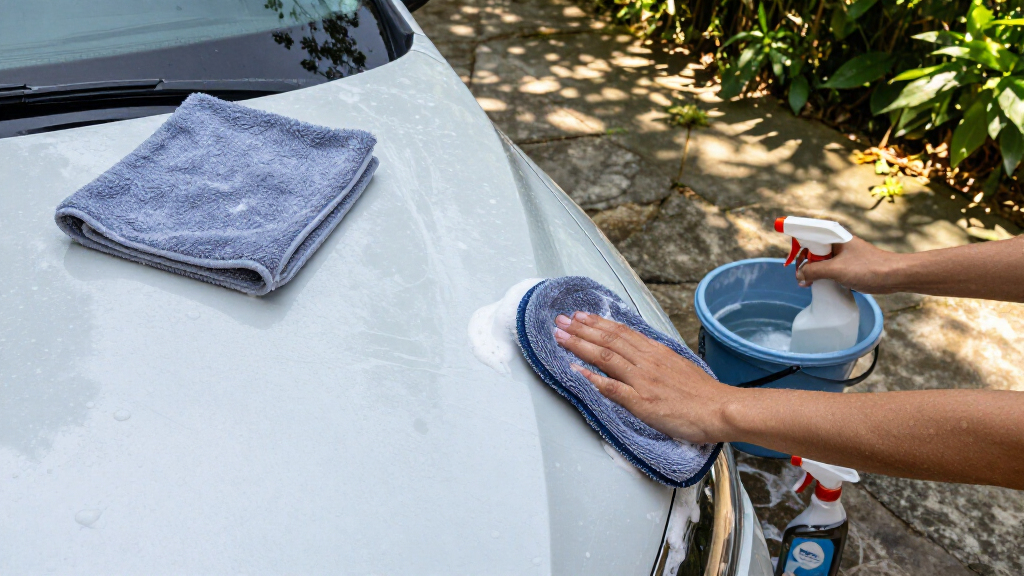
Use a dedicated microfiber mitt or towel, and switch tools frequently to avoid reintroducing dirt.
The two-bucket method or multi-towel system significantly reduces the risk of scratches.
Work gently in small sections, and rinse thoroughly before drying to avoid mineral spots.
Dry with a microfiber towel or filtered blower, never wipe dry with a dry cloth to prevent scratches.
How to Wash a Car at Home Without Scratching It
A flawless wash is less about scrubbing and more about controlling grit. Pre-rinse thoroughly, keep contaminated tools away from the paint, use generous lubrication, and dry with almost no pressure.
Stop damage before contact
Water and shampoo are rarely the problem. The danger begins when abrasive particles remain on the vehicle or return to the paint on a dirty mitt, sponge, or towel.
Loose grit
Road dust, sand, mud, and brake residue settle on exterior surfaces.
Dirty tool
A sponge or mitt collects particles during the first contact pass.
Pressure
Scrubbing pins the grit between the wash tool and clear coat.
Dragged grit
Circular or repeated strokes move abrasive debris across the finish.
Swirl marks
Fine scratches scatter light, muting gloss and clarity.
Eleven steps, minimal friction
Move systematically from the cleanest areas toward the dirtiest. Never allow shampoo, wheel cleaner, or pre-wash chemicals to dry on the surface.
Find shade
Park away from direct sun and let the paint and wheels cool completely.
Separate wheel tools
Prepare dedicated brushes, towels, and a bucket for abrasive brake dust.
Pre-rinse thoroughly
Flush loose dirt from the roof downward, including arches and lower panels.
Wash the wheels
Clean cool wheels with a finish-safe product, then rinse them completely.
Use pre-wash if needed
Foam can loosen heavy grime, but it does not make the wash touchless.
Rinse loosened debris
Remove as much contamination as possible before a mitt touches the paint.
Hand-wash top down
Use automotive shampoo, straight passes, small sections, and minimal pressure.
Isolate lower panels
Reserve separate towels or mitts for rocker panels, bumpers, and other dirty zones.
Rinse completely
Flush seams and let a gentle stream of water sheet away from the surface.
Dry immediately
Blot with clean microfiber or use filtered air around trim, mirrors, and badges.
Add protection if desired
Use a compatible drying aid or spray sealant to improve slickness, gloss, and water behavior during future washes.
Every tool has one job
Clean, purpose-built equipment reduces the chance that abrasive particles will become trapped against the paint. Inspect every contact tool before it reaches the vehicle.
Plush microfiber mitt
Deep fibers help lift particles away from the surface. Avoid old sponges, bath towels, and T-shirts.
Automotive shampoo
Choose a lubricating, pH-balanced formula. Dish soap can strip waxes and sealants.
Two buckets and guards
Keep shampoo separate from rinse water and allow released grit to settle below the mitt.
Dedicated wheel kit
Use separate brushes and towels so brake dust never travels from wheels to paint.
Large drying towel
Use clean, high-quality microfiber to blot or make very light passes over the surface.
Filtered blower
Move water from mirrors, badges, trim, and panel gaps without dragging a towel.
Two buckets or multiple towels?
Both methods can protect paint when paired with a thorough pre-rinse and gentle technique. The multi-towel system adds another barrier against cross-contamination.
| Method | How it works | Cross-contamination control | Equipment | Best fit |
|---|---|---|---|---|
| Two-bucket method | One bucket holds shampoo; the second rinses the mitt. Grit guards help keep debris at the bottom. | ~Strong, but the mitt must be rinsed carefully and often. | ✓Two buckets, guards, shampoo, and a mitt. | Routine maintenance washing with a simple, repeatable setup. |
| Multi-towel system | A fresh microfiber surface is used for each section. Used towels never return to the solution. | ✓Highest isolation because dirty fibers are retired immediately. | ~More microfiber towels and more laundry. | Meticulous washing, delicate finishes, or especially dirty conditions. |
| Single sponge and bucket | The same sponge repeatedly returns to increasingly contaminated wash water. | ✗Grit can recirculate and return directly to the paint. | ✓Minimal equipment, but poor contamination control. | Not recommended for preserving a swirl-free finish. |
No bucket system is foolproof. A clean mitt, frequent rinsing, light pressure, and separate lower-panel tools remain essential.
Contact choices matter
The bars show a qualitative risk hierarchy based on how likely each behavior is to trap and drag contamination. They are not measured percentages.
Four controls preserve gloss
A safe wash is a connected system. Skipping one control increases the chance that grit, pressure, or mineral deposits will compromise the final result.
Release
Pre-rinse and pre-wash loosen contamination before contact.
Isolate
Separate buckets, towels, wheels, and lower-panel tools.
Lubricate
Automotive shampoo helps wash media glide over the clear coat.
Dry
Clean microfiber or filtered air removes water without hard dragging.
Common car-wash questions
Good products help, but technique remains the decisive factor. Always follow the equipment and chemical manufacturer’s safety, dilution, and dwell-time instructions.
Can I use dish soap?
Not for routine washing. Dish soap may strip waxes and sealants. Use a lubricating, pH-balanced automotive shampoo.
Is a pressure washer safe?
Yes, when used correctly. Choose a suitable fan nozzle, keep a safe distance, and avoid damaged paint, seals, sensors, and loose trim.
Does foam make it touchless?
No. Foam can loosen and carry away some dirt, but normally soiled vehicles still require careful contact washing.
How often should I wash?
Every one to three weeks is typical, depending on climate and driving conditions. Remove bird droppings and bugs promptly.
What about automatic washes?
Brush washes can create swirls. Touchless washes avoid brush contact but may use stronger chemicals and leave bonded grime behind.
How should I handle water spots?
Work on cool panels, prevent chemicals from drying, rinse thoroughly, and dry immediately before mineral deposits settle.
Why Washing Your Car Carefully Matters More Than You Think
Every swirl or scratch you see on your car’s paint isn’t just a cosmetic issue; it can lead to more serious damage over time. When dirt, grit, or debris get trapped between your sponge and the paint, they scratch the surface with every pass. This creates tiny, almost invisible swirl marks that dull your shine and make the finish look tired.
Using aggressive tools or washing in the sun can turn a simple clean into a paint nightmare. But if you understand what causes these scratches and how to prevent them, you’ll protect your investment and keep your car looking newer, longer.
As an affiliate, we earn on qualifying purchases.
The Secret to a Scratch-Free Car Wash: Use the Right Tools and Techniques
The core secret: minimize friction and keep dirt suspended. This means choosing the right tools and following a gentle, systematic process. Think of your car’s paint as delicate glass—abrasive tools or dirty cloths will mar its surface. Instead, opt for plush microfiber towels and soft wash mitts that glide over the surface instead of dragging grit.
Every tool and product should serve a purpose. Using a proper automotive shampoo, pre-rinsing thoroughly, and washing from top to bottom are the foundational steps to avoid scratches and streaks.
As an affiliate, we earn on qualifying purchases.
Step-by-Step: How to Wash Your Car at Home Without Scratching
- Park in the shade and let the paint cool. Hot paint dries soap too quickly, causing spots.
- Prepare separate tools for wheels and paint. Use dedicated brushes and towels.
- Pre-rinse the entire car to remove loose dirt and debris.
- Clean the wheels and tires, then rinse thoroughly—contamination from wheels can scratch your paint if transferred.
- Apply a foam or pre-wash if heavily dirty. This loosens stubborn grime.
- Rinse away loosened dirt completely before touching the paint.
- Hand-wash the paint from the roof down, using a microfiber mitt and lots of shampoo.
- Work in small sections, rinsing the mitt frequently and using light pressure.
- Rinse the entire vehicle again thoroughly, allowing water to sheet off.
- Dry immediately with clean microfiber towels or a filtered blower, avoiding dragging or pressing hard.
Following these steps helps prevent scratches and keeps your car looking its best.
As an affiliate, we earn on qualifying purchases.
Why Using Microfiber and Proper Technique Really Protects Your Paint
Microfiber towels are your best friends during a wash. They trap dirt and lift particles away from the surface, reducing the risk of scratching. Avoid old sponges, bath towels, or T-shirts—they’re abrasive and can embed grit into the fibers.
Proper technique includes washing in the shade, working from the top down, and using light, overlapping passes. Plus, rinsing your mitt often keeps dirt from re-depositing on your car.
Think of microfiber as a gentle brush—soft, plush, and designed to glide over your paint without dragging grit across the surface.
As an affiliate, we earn on qualifying purchases.
Two-Bucket Method vs. Multi-Towel System: Which Is Safer?
| Method | How It Works | Pros | Cons |
|---|---|---|---|
| Two-Bucket Method | One bucket for soapy water, one for rinsing the mitt. Grit guards keep dirt at the bottom. | Reduces dirt transfer, simple to follow, widely recommended. | Requires two buckets and grit guards; still possible to contaminate mitt if not rinsed well. |
| Multi-Towel System | Use a clean microfiber towel for each section, never return used towels to the wash water. | Most effective at preventing cross-contamination, ideal for meticulous washing. | More towels needed, higher initial setup cost, more effort. |
Both methods are effective. But the multi-towel approach offers extra safety, especially if you’re washing on a regular basis or have very dirty conditions.
Common Mistakes That Cause Scratches and How to Avoid Them
Many scratches happen not because of the water but because of careless technique. For example, using a dirty sponge or reusing a towel that’s full of grit. Pressing too hard or scrubbing dry dirt spreads abrasive particles across the paint surface.
To avoid these mistakes:
- Always rinse thoroughly before washing.
- Use a clean, damp microfiber towel to soften stubborn spots.
- Work gently, especially on edges, badges, or damaged areas.
- Switch towels frequently—never reuse a dirty one.
- Inspect your tools regularly for trapped grit or damage.
Remember, patience beats force. Gentle, consistent motions protect your finish.
How to Dry Your Car Safely and Avoid Water Spots
Drying immediately after washing is your last line of defense against scratches and water spots. Use a soft, clean microfiber towel to gently blot or gently drag the surface—never wipe dry with a dry towel that drags grit across the paint.
For extra care, a filtered blower or leaf blower can remove water from tight spots, panel gaps, and badges without touching the surface. This reduces the chance of dragging dirt or leaving mineral deposits that cause water spots.
Drying aids or spray sealants can also help water sheet off, leaving a smoother, glossier finish and reducing spotting risk.
Final Tips for a Scratch-Free Home Car Wash
Stick to the basics: pre-rinse thoroughly, use the two-bucket or multi-towel system, work gently, and dry immediately. Avoid rushing or skipping steps, especially in direct sunlight. Use high-quality microfiber tools, and keep your water clean.
If your car has stubborn contaminants like rail dust or industrial fallout, consider chemical decontamination or clay bar treatment before washing again. This prevents embedded particles from causing scratches during routine washes.
Remember, patience and preparation are your best allies. A careful wash preserves your car’s shine for years to come.
Frequently Asked Questions
Can I use household items like dish soap to wash my car?
It’s best to avoid dish soap for regular washes. Dish soap can strip waxes and protective coatings, leaving the paint vulnerable. Use a dedicated automotive shampoo designed for gentle, lubricating cleaning.
How often should I wash my car to keep it looking new?
Typically, washing every one to three weeks is enough, depending on your climate and driving conditions. Promptly remove bird droppings and bugs to prevent damage and avoid buildup that can scratch the paint.
Is a pressure washer safe for my car?
When used correctly—maintaining a safe distance, using a wide fan nozzle, and avoiding direct spray on damaged areas—a pressure washer can be safe. Always keep the pressure moderate and never aim at seals, sensors, or loose trim.
How do I prevent water spots after washing?
Dry your car immediately with a soft microfiber towel or filtered blower to avoid mineral deposits from evaporating and leaving spots. Using deionized or softened water for the final rinse also helps.
Conclusion
Keeping your car pristine without scratches isn’t magic—it’s about patience, proper tools, and gentle techniques. Think of your wash as a delicate dance, where every step protects your paint’s gloss and clarity. Follow these simple tips, and your vehicle will thank you with a flawless shine that lasts.
Next time you wash, remember: a careful touch beats brute force every time. Your car’s finish is a fragile treasure—treat it with respect, and it will shine for years to come.
Fall Picks
fall essentials
As an affiliate, we earn on qualifying purchases.