
TL;DR

Get cleaning gear delivered free with Prime
- Fast, free delivery on millions of items
- Prime Video, Amazon Music and more included
- Member-only deals all year
Cleaning brick walls and paths involves gentle techniques like brushing and water, identifying stains, and avoiding damage from pressure or chemicals. Proper timing and safety are key for lasting results.
Imagine your brick wall or path coated in a dull layer of grime, moss, or stubborn stains. It’s common to want a quick fix, but rushing with power washers or harsh chemicals can cause real damage. Instead, a thoughtful, step-by-step approach keeps your outdoor surfaces looking their best without risking harm.
In this guide, you’ll discover how to identify stains, choose the right cleaning methods, and avoid common pitfalls. Whether it’s moss, oil, or efflorescence, you’ll learn practical techniques that respect your brick’s durability and your garden’s safety.
Start with dry brushing and water for most dirt and biological growth to avoid damage.
Address underlying moisture issues before aggressive cleaning to prevent recurring stains like efflorescence.
Use low-pressure techniques and avoid harsh chemicals on historic or fragile brickwork.
Timing your cleaning on mild, overcast days ensures better results and longer-lasting surfaces.
Always prioritize safety — wear proper gear and follow manufacturer instructions.
How to Clean a Brick Wall or Path
Brick is durable but porous, and mortar is often softer than the brick itself. Effective cleaning means identifying the stain first and using the least aggressive method — dry brushing and plain water before chemicals or pressure. This guide covers moss, efflorescence, oil, and rust without risking damage to your brickwork or garden.
Gentle first: cleaning brick with water and brushes
Clear & Inspect
Remove furniture and debris. Check for loose mortar, cracks, spalling, and trapped moisture. Repair defects before adding water.
Dry Brush
Use a stiff nylon or natural-fiber brush. Avoid wire brushes — metal fragments left behind will rust.
Pre-Wet
Saturate nearby plants and lightly dampen the brick. Wet masonry absorbs less cleaner, reducing deep staining.
Wash & Scrub
Apply warm water with masonry-safe detergent. Let it dwell briefly without drying, then scrub gently in small sections.
Rinse & Repeat
Rinse thoroughly with clean water, top to bottom. Repeat rather than escalating to harsher methods.
Matching the stain to the right treatment
Moss, Algae & Mildew
Brush loose growth off first, then apply an oxygen-based or biological cleaner. Persistent regrowth signals shade, poor drainage, or restricted airflow — fix the cause, not just the symptom.
Efflorescence
A white, powdery salt deposit carried to the surface by moisture. Brush it off while dry — water dissolves salts and drives them deeper. Repeated deposits mean an ongoing moisture source that must be fixed.
Oil, Grease & Rust
Clay-based absorbent or sand lifts fresh spills immediately. For set-in stains, use a masonry-safe degreaser and scrub rather than flood. Rust needs a remover approved for masonry — bleach makes it worse.
Paint & Graffiti
Use a masonry-compatible remover in gel, paste, or poultice form so it clings and draws contamination out of the pores. Large or historic areas are best left to a specialist.
Mortar Smears & Cement Haze
Fresh residue is far easier to remove than cured cement. Acid-based masonry cleaners can work but risk etching brick, weakening mortar, and burning skin — specialist help for stubborn cases.
Interior Brick
Use minimal water, protect floors, ventilate the space, and collect dirty liquid with towels or a wet vacuum. The same gentle sequence applies — just with tighter moisture control.
Why pressure washing isn’t always the answer
| Method | Pressure | Historic / Fragile Brick | Mortar Joints | Verdict |
|---|---|---|---|---|
| Dry brush + water | None | ✓ Safe | ✓ Preserved | Start here |
| Mild detergent scrub | None | ✓ Safe (patch-test) | ✓ Preserved | Recommended |
| Steam / low-pressure wash | Low | ~ With care | ✓ Keep nozzle moving | Good alternative |
| Chemical poultice | None | ✓ Safe for deep stains | ✓ Preserved | Best for set-in oil |
| High pressure washing | High | ✗ Spalling & cracks | ✗ Erodes mortar | Avoid |
| Sandblasting / grinding | Extreme | ✗ Permanent damage | ✗ Destroys joints | Never |
If you must pressure wash
Use the lowest setting, keep the nozzle constantly moving, and never point it directly at mortar joints. High-impact force can erode mortar, dislodge bricks, and force water deep into the masonry — causing internal damage, spalling, and costly long-term structural issues that gentler techniques avoid entirely.
Aggression scale: how cleaning methods compare
Clearing weeds, mud, and algae from brick paths
Surface cleanup
Paths accumulate mud, weeds, and algae faster than walls because of foot traffic and full weather exposure. Brush off loose debris with a stiff broom, then remove weeds by hand — pulling roots prevents joint damage and slows regrowth far better than chemical weedkillers between bricks.
Moisture & joints
Standing water and poor grading create ideal conditions for moss and algae. Fix drainage, improve airflow, and trim overhanging vegetation to keep the surface dry. After cleaning, replace or repair jointing sand or mortar — a sound joint blocks weed intrusion and minimizes water ingress.
Moisture control prevents recurring stains
Cleaning without fixing the cause is temporary
Efflorescence, moss, and algae all share one root: moisture moving through porous brick. Aggressive washing temporarily removes deposits while introducing more water — so the problem returns. Improve drainage, seal leaks, clear gutters, and open airflow first, then clean gently. Your results last years instead of weeks.
Start with the gentle basics: How to clean brick with water and brushes
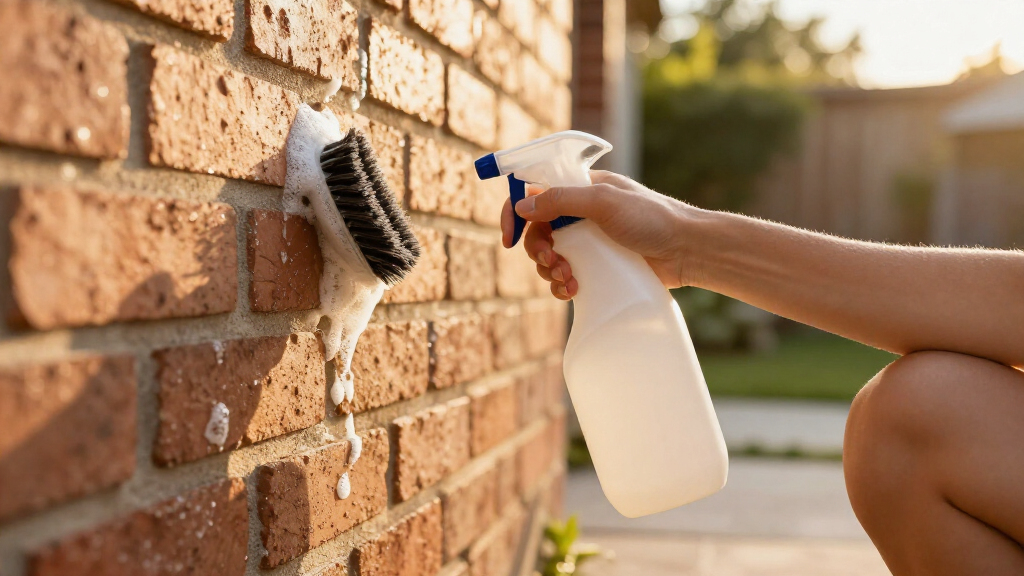
The simplest way to clean a brick wall or path is with water and a stiff brush. This removes dirt, loose moss, and surface grime without risking damage. For most dirt, a thorough dry brushing followed by rinsing with plain water does the trick.
For example, on a garden path, a quick sweep with a stiff nylon brush can lift mud and organic debris. Follow that with a garden hose or a bucket of water, working from the bottom up to prevent streaks. This method preserves the brick and mortar while restoring its natural look.
Using a mild, brick-safe detergent can help with stubborn grime, but always test on a small patch first. Remember, the goal is to get rid of surface dirt, not force out deep-seated stains or moisture.
As an affiliate, we earn on qualifying purchases.
How to treat moss, algae, and mildew without damaging your bricks
Moss, algae, and mildew can cause long-term damage to brick surfaces if left unchecked. These biological growths thrive in shaded, damp environments and can retain moisture against the brick, accelerating deterioration. Removing them promptly not only restores appearance but also prevents moisture retention that can weaken mortar and brick integrity over time.
Start with a stiff non-metallic brush to remove loose growth; this reduces the biological load and makes chemical treatment more effective. When applying cleaners, choose environmentally friendly, biological or oxygen-based options—they kill spores without introducing harsh chemicals that can harm your plants or degrade mortar. Proper removal and prevention extend the lifespan of your brickwork and protect your investment.
Persistent growth indicates underlying issues like poor drainage or inadequate sunlight. Addressing these underlying causes—improving airflow, trimming vegetation, fixing leaks—reduces the chance of regrowth, making your cleaning efforts more sustainable and less frequent.
As an affiliate, we earn on qualifying purchases.
Dealing with white deposits? How to remove efflorescence safely
Efflorescence is a white, powdery deposit of salts that appears on brick surfaces, often mistaken for dirt. It results from soluble salts migrating to the surface as moisture moves through the brick or mortar. Removing it is necessary not just for aesthetics but because it indicates ongoing moisture issues that threaten the brick’s durability. If ignored, persistent efflorescence can lead to deterioration of mortar and brick, as salts can cause internal stress and spalling over time.
Dry brushing when the deposits are dry prevents pushing the salts further into the brick. Using water or wet cleaning methods can dissolve and spread the salts, making the problem worse or causing stains. Addressing the root cause—such as improving drainage, sealing leaks, or fixing gutter issues—is critical because it halts the ongoing salt migration. Without fixing moisture sources, efflorescence will keep returning, compromising the brick’s structural integrity.
In essence, managing efflorescence is a balancing act: cleaning removes the visible salts, but controlling moisture prevents future buildup. This proactive approach preserves your brickwork’s longevity and appearance.
low pressure power washer for brick paths
As an affiliate, we earn on qualifying purchases.
As an affiliate, we earn on qualifying purchases.
How to clean oil, grease, and rust stains without harming your brick
Oil, grease, and rust stains can deeply penetrate porous brick surfaces, making them stubborn to remove. Immediate action is crucial—claying or absorbing fresh spills prevents stains from setting in permanently. For older, set-in stains, using a masonry-safe degreaser combined with gentle scrubbing can lift the contamination without damaging the brick’s surface or dislodging mortar joints.
Choosing the right product is vital—masonry-specific degreasers are formulated to break down oily residues without harsh abrasives that could scratch or erode the brick. Rust stains are particularly tricky because they chemically bond with the porous surface; using products specifically designed for masonry ensures that you can lift or neutralize the stain without worsening discoloration or causing surface damage. Repeated gentle treatments are often more effective and safer than aggressive scrubbing with harsh chemicals.
Understanding the chemistry behind these stains and selecting appropriate cleaners prevents unintended damage, preserves the appearance, and extends the life of your brickwork.
efflorescence cleaning solution for brick
As an affiliate, we earn on qualifying purchases.
As an affiliate, we earn on qualifying purchases.
Why pressure washing isn’t always the best choice—and how to clean gently instead
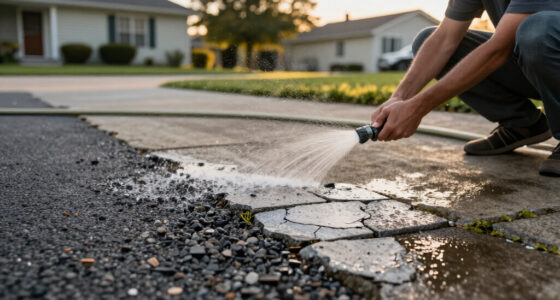
Pressure washing can seem like an easy solution, but its high-impact force risks damaging fragile or historic brickwork. Excessive pressure can erode mortar, dislodge bricks, and force water into the masonry, leading to internal damage and deterioration over time. Particularly on older or delicate bricks, this can cause spalling, cracks, and long-term structural issues that are costly to repair.
Choosing gentler methods—such as low-pressure washing, steam cleaning, or chemical poultices—reduces these risks while still effectively removing dirt, biological growth, and stains. These approaches respect the brick’s natural properties and preserve its integrity. If pressure washing is necessary, always use the lowest setting, keep the nozzle moving, and avoid pointing directly at mortar joints.
In essence, understanding the tradeoff between speed and safety is vital. Opting for gentler cleaning techniques protects your investment and maintains the historic or structural integrity of your brickwork, saving money and effort in the long run.
How to clean brick paths clogged with weeds, mud, and algae
Paths are prone to faster accumulation of mud, weeds, and algae because they are exposed to more environmental elements and foot traffic. Removing weeds manually is essential because it prevents root damage to the brick joints and reduces future weed growth. Brushing off loose debris with a stiff broom or brush is a quick way to clear surface dirt and organic matter, but it’s only the first step.
For stubborn stains or biological growth, a diluted vinegar solution or biological cleaner can be effective, but testing on a small area first prevents discoloration. Proper drainage is critical—standing water and poor grading create ideal conditions for moss and algae to thrive. Fixing these issues reduces moisture retention and discourages regrowth.
After cleaning, replacing or repairing jointing sand or mortar ensures the structural stability of the path. A well-maintained joint prevents weed intrusion and minimizes water ingress, creating a less hospitable environment for biological growth. Regular maintenance and timely cleaning extend the lifespan of your brick path and keep it looking its best.
The best timing and weather conditions for cleaning brick outdoors
Choosing the right weather is crucial because it affects how well cleaning agents work and how quickly surfaces dry. Mild, overcast days are ideal because strong sunlight accelerates drying, which can lead to streaks, uneven cleaning, or premature evaporation of cleaning solutions, reducing their effectiveness. Cooler temperatures slow evaporation, allowing cleaning products to better penetrate and loosen dirt or biological growth.
Cleaning just before frost, rain, or in windy conditions can compromise results or cause damage. Frost can freeze residual moisture, leading to cracks; rain can wash away cleaning efforts or dilute solutions; wind can blow debris or cause uneven application. Hot, dry days require careful timing—wetting the surface beforehand and working in small sections prevents rapid drying that could cause surface damage or streaks.
For example, scheduling a deep clean on a late autumn weekend with mild, cloudy weather maximizes effectiveness and ensures longer-lasting results. Proper timing prevents re-soiling and reduces the need for repeated cleaning, saving time and effort.
Emerging methods and eco-friendly options for safe brick cleaning
Innovative cleaning methods focus on reducing impact on the masonry and environment. Soft washing uses low-pressure streams combined with long-dwell biological or biodegradable cleaners, effectively removing dirt and biological growth without the risk of surface damage. Steam cleaning offers a chemical-free alternative that kills bacteria, moss, and algae while preserving the brick’s integrity.
These methods are especially valuable for historic or fragile brickwork, where preservation is paramount. They also minimize water runoff and chemical waste, making them more eco-friendly. Using biodegradable cleaners with longer dwell times ensures thorough cleaning without harsh chemicals that can harm surrounding plants or leach into groundwater.
Attention to wastewater collection and vapor-permeable products helps maintain the brick’s breathability and prevents moisture entrapment. These emerging practices reflect a shift towards sustainable, gentle cleaning that aligns with environmental conservation and heritage preservation goals.
Should you seal brick after cleaning? When and how to do it right
Sealing brick can be beneficial in certain situations, but it’s not a universal solution. Brick is naturally porous and designed to breathe, allowing moisture to escape. Applying a sealer traps moisture inside, which can cause internal damage, spalling, or efflorescence if the sealant isn’t breathable or if applied prematurely. Therefore, sealing should be considered only after thoroughly cleaning and ensuring the brick is dry and in good condition.
For example, sealing a driveway after cleaning can prevent oil stains and water penetration, but only if the brick is fully dry and free of moisture. Use a breathable, vapor-permeable sealer specifically formulated for outdoor brick to avoid trapping moisture. The sealer acts as a protective barrier, reducing staining and weathering, but must be applied carefully to avoid sealing in underlying issues like leaks or poor drainage.
In essence, sealing is a protective measure, not a fix for underlying problems. Proper timing, correct product choice, and a clean, dry surface are essential to maximize benefits and avoid unintended damage.
Safety first: What you need to know before starting to clean brick outdoors
Safety precautions are vital to prevent accidents and damage. Always wear gloves, eye protection, and respiratory masks when handling cleaning chemicals or operating pressure washers, as splashes and fumes can be hazardous. Following the manufacturer’s instructions for dilution, dwell time, and disposal minimizes risks and ensures effective cleaning.
Protect nearby plants, metals, painted surfaces, and electrical fixtures from splashes or runoff by covering them with tarps or plastic sheeting. This prevents chemical damage and environmental contamination. Never mix incompatible chemicals—especially acids and bleach—as dangerous fumes can result, risking health and safety. When working at height, ensure ladders are stable and pressure washers are controlled properly to avoid falls or uncontrolled spray.
Prioritizing safety not only protects you but also preserves your property and the environment. Being prepared and cautious makes outdoor brick cleaning a safe and successful project.
Frequently Asked Questions
Can I use dish soap on brick?
A small amount of mild dish soap can be effective for routine dirt, provided it’s tested first and rinsed thoroughly. Avoid strong degreasers or additives that may leave residues or harm the mortar.
Can I clean brick with vinegar?
Vinegar is acidic and can damage mortar or alter brick color if used excessively. It’s not recommended as a universal cleaner. Use purpose-made masonry cleaners for predictable, safe results.
Is bleach safe for brick?
Diluted bleach can lighten biological stains but risks harming plants, mortar, and runoff systems. Opt for eco-friendly, oxygen-based cleaners instead, and never mix bleach with acids or ammonia.
What pressure should I use?
There’s no one-size-fits-all pressure. Always start with the lowest setting, test on a small area, and increase only if necessary. Fragile or historic brickwork should avoid pressure washing entirely.
Why does the white powder keep returning?
Recurring efflorescence suggests ongoing moisture movement. Fix gutters, drainage, or leaks first. Repeated washing only temporarily removes salts, not the moisture source.
Conclusion
Your brick wall or path can shine again—without risking damage or environmental harm. Gentle cleaning, addressing moisture issues, and choosing the right timing are your best tools. Remember, patience and care protect your masonry’s character and longevity.
Next time you see that stubborn stain or moss, think twice before grabbing the power washer. A mindful approach keeps your outdoor surfaces beautiful, durable, and safe for years to come.
Fall Picks
fall essentials
As an affiliate, we earn on qualifying purchases.