TL;DR
Vacuuming once a week suits most homes, but households with pets or allergies should aim for 2-3 times weekly. Regular cleaning reduces allergens and keeps floors fresh, making your home healthier and more comfortable.
Ever wonder if you’re vacuuming often enough? The truth is, the ideal frequency depends on what’s around you. Whether you’re battling pet hair, dust, or just trying to keep your floors spotless, understanding the right rhythm can make a real difference in your home’s health and cleanliness.
In this guide, you’ll learn how often to vacuum based on your household’s unique needs. Get ready for practical tips backed by real-world examples — no fluff, just clear advice to keep your floors and air fresh.
Most homes benefit from vacuuming once a week, but high-traffic and pet households should do it more often.
Robotic vacuums can maintain daily cleanliness but shouldn’t replace occasional deep cleans.
Using vacuums with HEPA filters significantly reduces airborne allergens, especially for allergy sufferers.
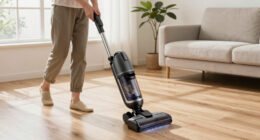
Hard floors require less frequent vacuuming than carpets, but consistent cleaning prevents scratching and dirt buildup.
Regular maintenance of your vacuum improves performance and indoor air quality.
The simple rule: vacuum once a week — but there’s more to it
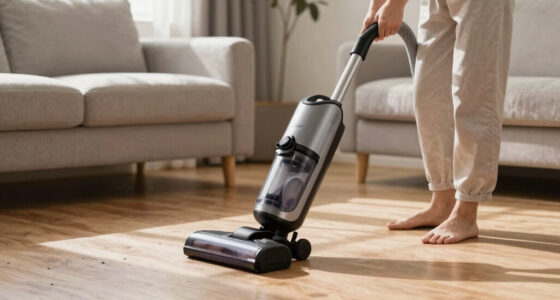
For most homes, vacuuming once a week hits that sweet spot. It’s enough to pick up dirt, dust, and pet hair before they settle deep into your carpets or spread in the air. Imagine a typical family with kids and pets: they might need to bump that up to twice a week.
On the flip side, if you live alone in a tidy apartment with hard floors, you might get away with less frequent vacuuming, maybe every 10 days. The key is observing your space and noticing when dirt or pet hair starts piling up.
For example, after hosting a family gathering, you might want to do a quick vacuum because of tracked-in dirt. It’s about matching your routine to what your home needs, not just sticking to a set schedule.
Flexibility is essential because different households generate different amounts of debris. Over-vacuuming can lead to unnecessary wear on your carpets and waste energy, while under-vacuuming allows dirt and allergens to accumulate, potentially impacting health and the longevity of your flooring. The goal is to find a balance that maintains cleanliness without causing damage or inefficiency.

Shark Upright Vacuum Cleaner | Navigator Lift-Away | Pet Hair, Carpet & Hard Floor Cleaning | Upholstery & Crevice Tools | HEPA Filter | Swivel Steering | Large Dust Cup Capacity | Lavender | NV352
POWERFUL SUCTION FOR CARPET & HARD FLOORS: Clean carpets and hard floors with strong multi-surface suction. This lightweight…
As an affiliate, we earn on qualifying purchases.
As an affiliate, we earn on qualifying purchases.
How pet hair and dander change your vacuum schedule
If you share your home with furry friends, your vacuuming routine needs to adapt to the ongoing shedding and dander production. Pet hair can quickly embed into carpets, furniture, and curtains, and if not removed regularly, it can become a breeding ground for dust mites and mold, which pose health risks. Dander, composed of tiny skin flakes, can linger in the air and exacerbate allergies or asthma symptoms.
Regular vacuuming, ideally every other day or daily in some cases, helps prevent these issues from escalating. This frequent cleaning reduces the amount of loose hair and dander in your environment, which is crucial for maintaining indoor air quality and minimizing allergy flare-ups. When pet hair is left unaddressed, it can cause a cycle where allergens become more concentrated, leading to increased respiratory problems for sensitive individuals.
Tools matter too. Vacuums with a strong brush roll and a HEPA filter are particularly effective because they trap the smallest allergen particles, preventing them from being re-released into your home’s air. Skipping this step can lead to allergen buildup, worsening symptoms and creating a less healthy living space. Therefore, investing in the right equipment and maintaining a frequent schedule are key to managing pet-related allergens effectively.
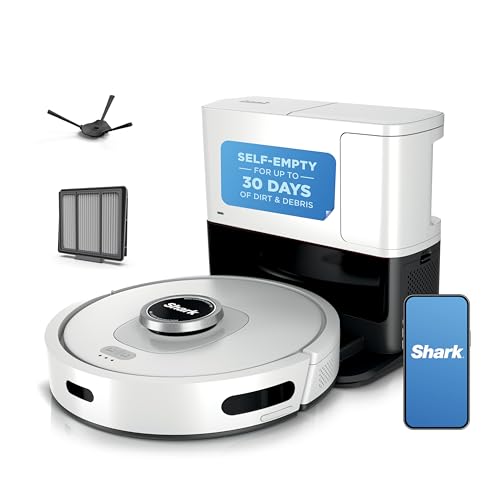
Shark Matrix Clean | Robot Vacuum Cleaner with Powerful Suction for Pet Hair, Rugs, Carpets & Hard Floors | Self-Empty Base | 60-Day Capacity | Voice Control | LiDAR Navigation | White | AV2511AE
HIGH SUCTION POWER: Shark's powerful suction captures dirt, debris, and pet hair across all surfaces—carpets and hard floors…
As an affiliate, we earn on qualifying purchases.
As an affiliate, we earn on qualifying purchases.
Hard floors vs. carpets: how often should each get cleaned?
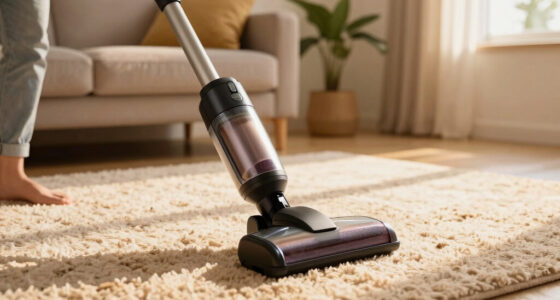
Carpets act like filters, trapping dirt, dust, and allergens deep within their fibers. This makes them more prone to harboring unseen debris that can impact both the longevity of the carpet and your indoor air quality. Regular vacuuming, at least 2-3 times weekly, helps remove these particles before they settle further or cause deterioration. Failing to do so can lead to increased wear, discoloration, and a higher likelihood of mold or dust mite development, especially in humid environments.
Hard floors, such as wood or tile, are less susceptible to deep-seated dirt but still require routine cleaning to prevent surface scratches and dust accumulation. Sweeping or vacuuming every 3-4 days is usually sufficient to keep dust and debris at bay. This regular maintenance helps prevent fine dust particles from becoming airborne, which can trigger allergies or respiratory issues, particularly in sensitive individuals.
For example, a family with young children eating on the floor should vacuum daily to prevent crumbs and sticky residues from embedding into cracks, which are difficult to clean thoroughly later. Conversely, a single occupant in a low-traffic apartment might only need to vacuum twice a week, but neglecting regular cleaning can allow dust and allergens to build up, reducing indoor air quality and potentially aggravating health conditions.
Understanding these differences enables you to tailor your cleaning routine to protect your surfaces and health. Deep cleaning carpets prevents long-term damage, while consistent hard floor maintenance keeps your environment safe and allergen-free.

Bissell 2254 CleanView Swivel Rewind Pet Upright Bagless Vacuum, Automatic Cord Rewind, Swivel Steering, Powerful Pet Hair Pickup, Specialized Pet Tools, Large Capacity Dirt Tank, Teal
EVERY PURCHASE SAVES PETS. BISSELL proudly supports the BISSELL Pet Foundation and its mission to help save homeless…
As an affiliate, we earn on qualifying purchases.
As an affiliate, we earn on qualifying purchases.
Robotic vacuums: how often should they run?
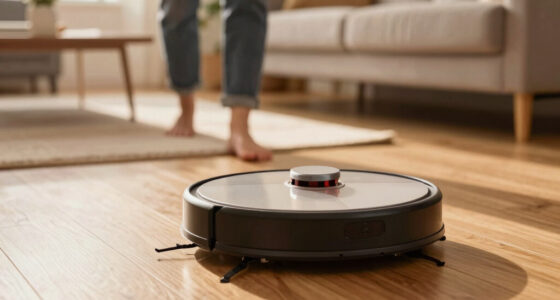
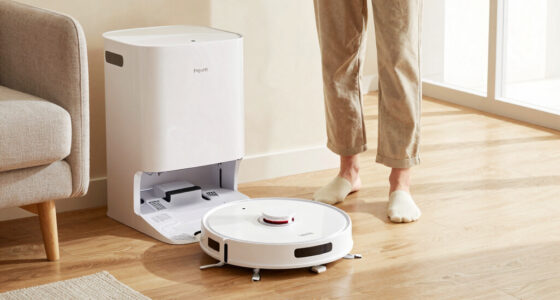
Robotic vacuums offer a convenient way to maintain cleanliness with minimal effort. They are especially effective in high-traffic households or homes with pets, where daily surface cleaning can significantly reduce dust and hair buildup. Most models can be scheduled to run automatically, sometimes even multiple times a day, ensuring that surfaces stay relatively free of loose debris without manual intervention. Their smart navigation allows them to adapt to your home’s layout, focus on busy areas, and avoid obstacles, maximizing efficiency.
Running a robotic vacuum daily or every other day prevents the accumulation of surface dirt, which is particularly important in homes with pets shedding constantly or in environments with high foot traffic. This consistent, light maintenance can improve indoor air quality and reduce the workload of more intensive cleaning sessions. However, robotic vacuums are generally designed for surface-level cleaning and may not replace deep cleaning of carpets or thorough spot cleaning in heavily soiled areas. Combining robotic vacuuming with periodic manual or deep cleaning ensures comprehensive maintenance.
The ideal frequency depends on your household’s activity level. For busy households with pets, daily runs may be necessary, while in quieter homes, every other day might suffice. The key is consistency — regular, light cleaning prevents dirt from becoming embedded, reducing the need for more aggressive cleaning later and maintaining a healthier environment.

Shark Rocket Ultra-Light | Corded Stick Vacuum Cleaner for Carpet, Rugs & Hard Floors | Lightweight Hand Vacuum for Pet Hair & Upholstery | Swivel Steering | 2 Attachments | Gray/Orange | HV301
2-IN-1 STICK & HANDHELD VACUUM – Converts to a handheld vacuum for stairs, furniture, car interiors, and tight…
As an affiliate, we earn on qualifying purchases.
As an affiliate, we earn on qualifying purchases.
How vacuuming influences your indoor air quality
Vacuuming regularly plays a crucial role in improving indoor air quality, especially when using models equipped with HEPA filters. These filters can trap up to 99.97% of airborne particles, including dust mites, pet dander, pollen, and other allergens. Removing these from your environment reduces the concentration of irritants that can trigger allergies, asthma, or other respiratory issues. The frequency of vacuuming directly correlates with the level of airborne allergens; more frequent cleaning means fewer particles circulating in your home’s air.
Imagine a household with heavy pet shedding. Without regular vacuuming, pet dander and hair can become airborne and settle into carpets and upholstery, contributing to poor air quality. Over time, this buildup can cause allergy symptoms or exacerbate asthma attacks. Consistent vacuuming, especially with a HEPA filter, helps break this cycle by continuously removing particles before they accumulate to problematic levels. Proper maintenance of your vacuum, such as replacing filters and emptying the dustbin, ensures optimal performance and allergen capture.
Neglecting regular vacuuming can lead to decreased filtration efficiency, allowing allergens to escape back into your living space, which can have long-term health implications. Therefore, integrating routine vacuuming with effective equipment maintenance is essential for a healthier indoor environment. This simple practice significantly reduces airborne irritants, promoting better breathing and overall well-being for allergy-prone individuals.
Recent trends: smarter vacuums and eco-friendly options
The vacuum world is changing fast. New tech means smarter, more efficient cleaning. Robotic vacuums now navigate complex spaces, avoid obstacles, and even learn your routines. They can be scheduled daily, making vacuuming almost effortless. These advancements allow for more consistent cleaning, which is crucial for maintaining low allergen levels and preventing dirt buildup.
Eco-conscious models use less energy, feature washable filters, and are built for durability. Choosing energy-star rated vacuums reduces your carbon footprint while saving on energy bills. Sustainable materials and longer-lasting designs also contribute to eco-friendly cleaning habits. Investing in these options can make your routine more sustainable without sacrificing performance. Moreover, the integration of smart technology enables you to customize cleaning schedules, ensuring consistent maintenance tailored to your household’s needs.
Imagine a robotic vacuum silently whirring in the background while you enjoy your morning coffee. These innovations make regular cleaning easier and more sustainable, aligning with broader environmental goals while keeping your home healthier.
Quick comparison: how often should different households vacuum?
| Household Type | Vacuum Frequency |
|---|---|
| Minimal activity, hard floors | Every 10-14 days |
| Average household, some pets | Once a week |
| High traffic, pets, allergies | 2-3 times a week |
Quick tips for effective vacuuming
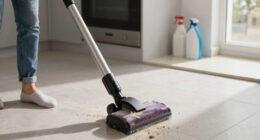
- Vacuum slowly over high-traffic areas to lift more dirt.
- Use attachments for corners and upholstery.
- Change filters regularly for maximum suction.
- Empty the dustbin before it’s full to maintain power.
- Adjust suction and brush settings based on surface type.
Frequently Asked Questions
How often should I vacuum if I have pets?
If you have pets that shed regularly, aim to vacuum every other day or daily if possible. This keeps pet hair from accumulating and reduces dander, making your home more comfortable for everyone.
Is vacuuming every day necessary?
Most households don’t need to vacuum daily. Once or twice a week suffices for regular cleaning, but high-traffic areas or homes with pets might benefit from more frequent sessions.
Can vacuuming too often damage carpets?
Generally, no. Regular vacuuming helps maintain carpet health. However, using a brush with aggressive bristles or high suction on delicate carpets might cause wear. Adjust your vacuum settings accordingly.
What’s the best schedule for allergy sufferers?
Vacuum at least 2-3 times weekly with a HEPA-filtered vacuum. Regular cleaning reduces dust mites, pet dander, and pollen, which can trigger allergies or asthma.
Are robotic vacuums as effective as traditional ones?
Robotic vacuums are great for daily maintenance but often lack the deep-cleaning power of upright or canister models. Using both in combination can give you thorough, consistent cleanliness.
Conclusion
Vacuuming isn’t just about appearances — it’s a key step toward healthier living. Pay attention to your home’s specific needs, and don’t be afraid to vacuum a little more often if you notice dust or pet hair piling up.
Imagine your home with cleaner air and floors that invite you to kick off your shoes without worry. A simple routine, tailored to your life, makes that possible. Grab your vacuum and get started — your lungs will thank you.