
TL;DR

Get cleaning gear delivered free — and shop member deals
- Fast, free delivery on millions of items
- Access to Prime Big Deal Days deals on October 6–7
- Prime Video, Amazon Music and more included
Eco-friendly carpet stain removers can effectively tackle stains while reducing environmental impact. Focus on ingredient transparency, certifications, and proper use for best results.
Prioritize products with transparent ingredients, third-party eco-certifications, and biodegradable surfactants.
Match stain type to the appropriate eco-friendly cleaner—enzymes for organic stains, surfactants for oily spots.
Test cleaners in inconspicuous areas and use minimal product and water for best results.
DIY remedies can help with light stains but risk damaging fibers or setting stains if used improperly.
Always read labels carefully—"natural" doesn’t automatically mean safe or effective.
What Makes an Eco-Friendly Carpet Stain Remover Really Green?
Eco-friendly stain removers aim to clean without harming the environment or your indoor air quality. But what does “really green” mean? It’s not just about plant-based ingredients or vague claims. It’s about transparency, biodegradability, and safety.
Look for products that disclose every ingredient and explain their purpose. Certifications from third-party organizations like EcoLabel or Green Seal add credibility. These verify that the product meets standards for low toxicity, biodegradable content, and minimal VOCs. For example, a product that uses plant-derived surfactants and enzymes, with recyclable packaging, scores higher on eco-friendliness than one with hidden chemicals and non-recyclable bottles.
As an affiliate, we earn on qualifying purchases.
How Do Eco-Friendly Carpet Stain Removers Actually Work?
Eco-friendly stain removers leverage natural ingredients like enzymes, plant-based surfactants, and oxygen agents to lift stains without harsh chemicals. Enzymes are especially effective against organic messes—think pet urine, food spills, or blood. They break down proteins into smaller pieces, making them easier to blot away.
Surfactants loosen oily or particulate soils, while oxygen-based agents (like hydrogen peroxide) help oxidize color-causing compounds and odors. Bio-based solvents dissolve greasy stains without relying on petroleum derivatives. These ingredients work together to target specific stains, often with less residue and lower toxicity.
For example, a cleaner with enzymes and oxygen bleach might be perfect for pet accidents, but less effective on ink or paint. Matching the right formula to the stain is key.
As an affiliate, we earn on qualifying purchases.
Key Ingredients to Seek (and Avoid) in Green Carpet Cleaners
When shopping for eco-friendly stain removers, focus on ingredients that support safety and biodegradability. Look for products with:
- Biodegradable surfactants derived from coconut or sugar beet
- Enzymes targeting proteins, fats, or starches
- Low or zero VOC formulas
- Recyclable or refillable packaging
- Fragrance-free options for sensitive households
Be cautious of claims like “chemical-free” or “natural” without specifics. Many so-called “natural” ingredients can still cause allergic reactions or be persistent toxins. Also, avoid products with synthetic fragrances, optical brighteners, or petroleum-based solvents. They may be marketed as green but can harm indoor air quality or aquatic life once washed down the drain.
biodegradable carpet stain remover
As an affiliate, we earn on qualifying purchases.
As an affiliate, we earn on qualifying purchases.
The Latest in Eco-Friendly Cleaning Tech—What’s Changing?
Recent innovations are shifting the green cleaning landscape. Enzyme and microbial technologies now target organic odors and stains at low temperatures, reducing energy use. Bio-based surfactants replace petroleum-derived chemicals, making formulas more biodegradable.
Concentrates, tablets, and refill pouches cut down on packaging waste and shipping emissions. Transparency has improved, with brands disclosing detailed ingredient lists and third-party certifications becoming more common.
For example, some companies now use recycled plastics for bottles and develop formulas that work in cold water, saving energy. These trends reflect a move toward measurable, responsible cleaning that doesn’t compromise on performance.
As an affiliate, we earn on qualifying purchases.
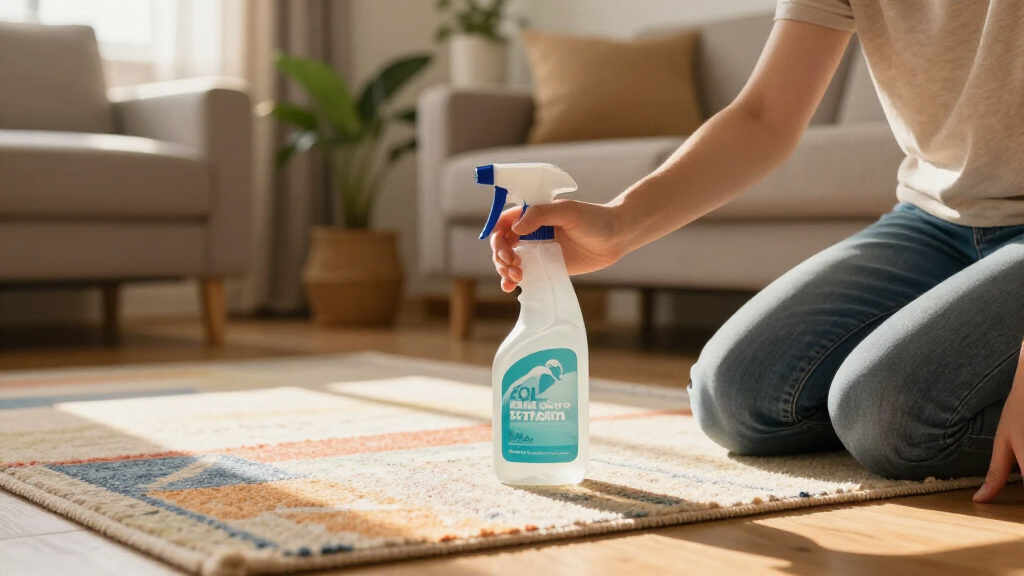
Practical Tips for Using Eco-Friendly Carpet Stain Removers
Effective stain removal begins with the right technique. Here’s a step-by-step guide:
- Gently remove solids without spreading the stain. Use a spoon or dull knife.
- Blot liquids with a clean, white cloth—never scrub, to prevent fiber distortion.
- Test the product in an inconspicuous spot to check for color change or fiber damage.
- Apply the smallest amount needed—less is more.
- Work from the outside of the stain inward, to avoid spreading.
- Let enzymes or active ingredients sit for the recommended time, typically 5-15 minutes.
- Blot or extract thoroughly, then rinse lightly if instructed.
- Dry quickly with a fan or ventilation to prevent microbial growth.
Remember: Overwetting can cause browning or mold. Patience and minimal water are your friends.
Matching the Right Cleaner to the Stain: Real-Life Examples
Different stains demand different approaches. For example, a fresh coffee spill might respond well to a mild surfactant solution applied immediately. But a stubborn pet urine stain needs an enzyme-based cleaner that penetrates deep into the fibers and pad.
In one case, a homeowner used a vinegar solution on a wine spill. It worked temporarily, but the stain reappeared because vinegar can set dyes in some carpets. Conversely, a commercial enzyme cleaner effectively eliminated a recurring pet odor when used in the right concentration.
Knowing what stain you’re dealing with and selecting the appropriate eco-friendly product makes all the difference in getting lasting results.
DIY Remedies: When They Help and When They Hurt
Homemade solutions like vinegar, baking soda, or dish soap can sometimes handle light, fresh stains. But they aren’t magic bullets. Vinegar, for instance, can discolor or weaken certain fibers and dyes if used improperly. Baking soda might leave residues that attract dirt or be hard to extract fully.
DIY cleaners are tempting because they’re cheap and simple. Yet, they often lack the precise pH balance or enzyme activity needed for tougher stains or delicate carpets. Overuse or incorrect application can cause more harm than good, like setting stains or damaging fibers.
For best results, test small areas first, and when in doubt, stick with products that are specifically designed for your carpet’s material and stain type.
What Real Questions Are People Asking About Green Carpet Cleaning?
Are eco-friendly carpet stain removers as effective as conventional products? Many are, especially for organic stains like pet messes or food spills. Effectiveness depends on the formulation and stain type. A well-made enzyme cleaner can match or outperform traditional chemical spotters.
What does “eco-friendly” really mean? It varies. Look for transparent ingredient lists, third-party certifications, and low-impact packaging. Don’t fall for vague claims like “natural” or “green” without proof.
Are natural cleaners safe for children and pets? Not automatically. Always read label precautions, ventilate the area during cleaning, and let the carpet dry thoroughly. Store all cleaners securely away from curious paws and tiny hands.
What’s the best cleaner for pet urine? Enzyme-based formulas designed for pet stains are best. They break down organic compounds and reach into the backing and pad. Repeated accidents might need professional help or even replacing parts of the carpet.
Can vinegar and baking soda remove every stain? No. They’re useful for some light, fresh spills but aren’t universal. Combining them neutralizes their effects and may cause more harm than good.
Conclusion
Choosing eco-friendly carpet stain removers is about balancing cleaning power with safety and sustainability. Focus on transparency, proper application, and matching the cleaner to the stain. Your carpets can stay fresh, your home safer, and the planet a little healthier—one stain at a time.Fall Picks
fall essentials
As an affiliate, we earn on qualifying purchases.