TL;DR

Get cleaning gear delivered free with Prime
- Fast, free delivery on millions of items
- Prime Video, Amazon Music and more included
- Member-only deals all year
Whether a potted plant can remain outdoors over winter depends on its cold hardiness, local climate and container material. Veranda’s gardening report recommends a two-zone hardiness buffer for plants kept in pots, while noting that shelter, careful watering and drainage can reduce risks.
Some potted plants may survive outdoors through winter, while others may not, according to a gardening report from Veranda. The report says cold hardiness, local conditions and container material are among the factors to consider; ceramic, terra-cotta and porcelain pots are described as more prone to cold-weather damage.
Veranda advises keeping outdoor container plants that are rated for two hardiness zones colder than the gardener’s own zone. For example, in zone 5, a plant hardy to zone 3 is a better candidate for overwintering in a pot than one rated only to zone 4. Plants with less cold tolerance may need a protected, unheated place such as a garage or basement.
Annuals and tender perennials generally are not suitable for outdoor winter storage in cold climates. The report says annuals die after the first freeze, while plants such as dahlias and canna lilies may need to be dug up after frost and have their tubers stored, or be moved indoors in their containers. Their prospects in pots are different in warm climates and depend on how severe the winter becomes.
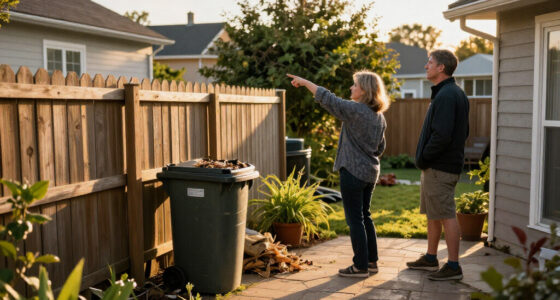
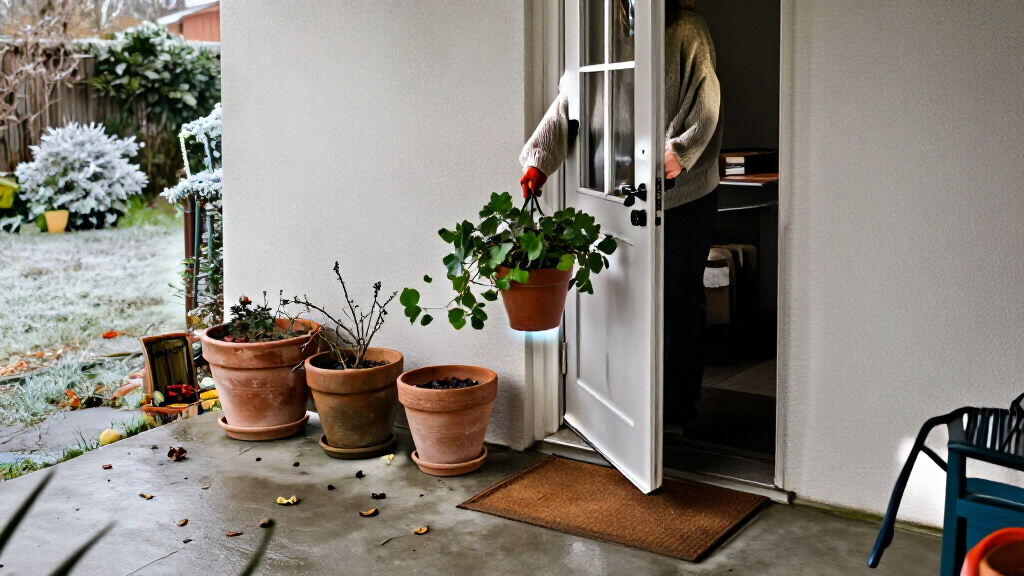
For hardy plants left outdoors, the report suggests placing pots beside a house, ideally near a south- or west-facing wall, or insulating the container with blankets or frost covers. A smaller pot can also be buried up to its rim in the ground. The report presents these as options, but notes that placing and insulating pots is “not foolproof.”
Why Containers Face More Cold
Veranda says soil in pots freezes and thaws more quickly than soil in the ground. It also notes that temperature swings can affect plants and containers, including by cracking or flaking some pots.
Choosing plants and pots for winter conditions can help gardeners avoid losing established perennials or shrubs and prevent damage to containers they plan to reuse. But the advice is conditional: a plant’s hardiness rating is only one factor, and winter severity can vary from year to year.
As an affiliate, we earn on qualifying purchases.
Hardiness Ratings and Pot Materials
The report distinguishes between a plant’s ability to survive cold in the landscape and its prospects in a pot. Its two-zone recommendation reflects the added exposure of container roots. For plants that are only one zone hardier than the local climate, Veranda recommends moving the whole pot into a protected, unheated area rather than relying on outdoor placement.
Container material matters too. Veranda identifies ceramic, terra-cotta and porcelain as more prone to cold-weather damage and says they are not recommended for outdoor overwintering in cold climates. Composite, wood, plastic and metal containers generally handle freezing better, though some plastic pots can still split.
“The truth is that some plants will do fine—and some won’t.”
— Veranda gardening report
As an affiliate, we earn on qualifying purchases.
Winter Survival Is Not Guaranteed
The report says that no method guarantees a potted plant will survive outdoors. Local winter severity, plant condition and specific exposure can affect the outcome, and the report notes that even plants kept in pots for years may fail during particularly frigid winters.
Its hardiness-zone guidance is a general rule, not a prediction for an individual garden. The report also cautions that some plastic pots can split, without specifying which products or conditions are most vulnerable. Gardeners should check the needs and cold tolerance of their own plants and containers.
garden insulation blankets for pots
As an affiliate, we earn on qualifying purchases.
As an affiliate, we earn on qualifying purchases.
Prepare Pots Before Freezing
Before sustained freezing weather, gardeners can identify which plants are annuals, tender perennials or hardy perennials, then decide whether to store, protect or replace them. For plants remaining outdoors, the report advises stopping fertilizer while they are dormant, continuing to water when dry spells persist, and making sure containers drain freely. Pot feet or a short stand can help excess water escape.
Evergreens need particular attention because they continue to lose moisture in winter; the report names boxwood, holly and rhododendron as examples of broadleaf evergreens that need watering. Avoid waterlogged soil, which can harm roots. The practical next step is to check the forecast and plant hardiness before choosing an approach; the report offers no forecast or guarantee for any particular winter.
As an affiliate, we earn on qualifying purchases.
Key Questions
Can hardy perennials stay in pots outdoors all winter?
Some can, but Veranda recommends choosing plants rated two hardiness zones colder than the local zone. Even then, survival depends on winter conditions and the plant’s exposure.
What should I do with dahlias or canna lilies?
In cold climates, the report says tender perennials such as dahlias and canna lilies will not survive winter in pots outdoors. After the first frost, gardeners can cut back dead foliage and store the tubers, or move the whole pot into an unheated indoor space.
Which pots are most at risk of cracking?
Ceramic, terra-cotta and porcelain containers are more likely to be damaged by freezing and thawing, according to Veranda. Composite, wood, plastic and metal generally tolerate freezes better, although some plastic pots may split.
Should I water potted plants during winter?
Yes, when needed. The report recommends watering if there has been no rain for a few weeks, especially for evergreens, but warns against keeping soil soggy. Pots should drain freely.
Source: rss
Halloween Picks
halloween
As an affiliate, we earn on qualifying purchases.