TL;DR

Get cleaning gear delivered free with Prime
- Fast, free delivery on millions of items
- Prime Video, Amazon Music and more included
- Member-only deals all year
The best way to remove gum from carpet is to freeze it with ice until brittle, then gently scrape it away. Follow up with cleaning to restore your carpet’s look. Quick, safe, and inexpensive solutions work best.
Getting gum stuck in your carpet feels like a mini disaster—sticky, stubborn, and frustrating. But the good news? You can rescue your carpet without harsh chemicals or expensive cleaners. Whether it’s a chunk of bubble gum from a kid’s snack or a rogue piece from a sneaky chew, you’ll learn how to get it out quickly and safely.
This guide breaks down proven techniques—like freezing, gentle scraping, and natural solvents—that won’t harm your fibers. No need for professional help or toxic sprays. Just simple household items and a little patience will do the trick.
Always start with freezing the gum using ice for a safe, effective removal.
Use gentle tools like plastic spatulas or credit cards—metal can damage fibers.
Test any cleaning solution on a hidden spot before full application.
Patience and repeated light efforts beat force and harsh chemicals.
Post-removal cleaning with vinegar or dish soap restores your carpet’s appearance.
How to Get Gum Out of Carpet
The safest first move is simple: freeze the gum with ice until it turns brittle, then lift it away with a gentle plastic edge. Follow with a mild clean-up step to remove residue and restore the carpet’s texture without harsh chemicals.
Freeze first. Scrape gently. Clean last.
This sequence protects carpet fibers while breaking the gum’s sticky grip. Patience beats force every time.
The gentle route is the effective route.
Gum removal works best when you change the gum’s texture before you attack the mess. Freezing makes the gum brittle, scraping lifts it in pieces, and a mild cleaner handles what remains.
Start with ice.
Press an ice pack, bag of frozen peas, or sealed bag of ice cubes onto the gum until it hardens. This keeps the gum from stretching deeper into the fibers.
Use a soft edge.
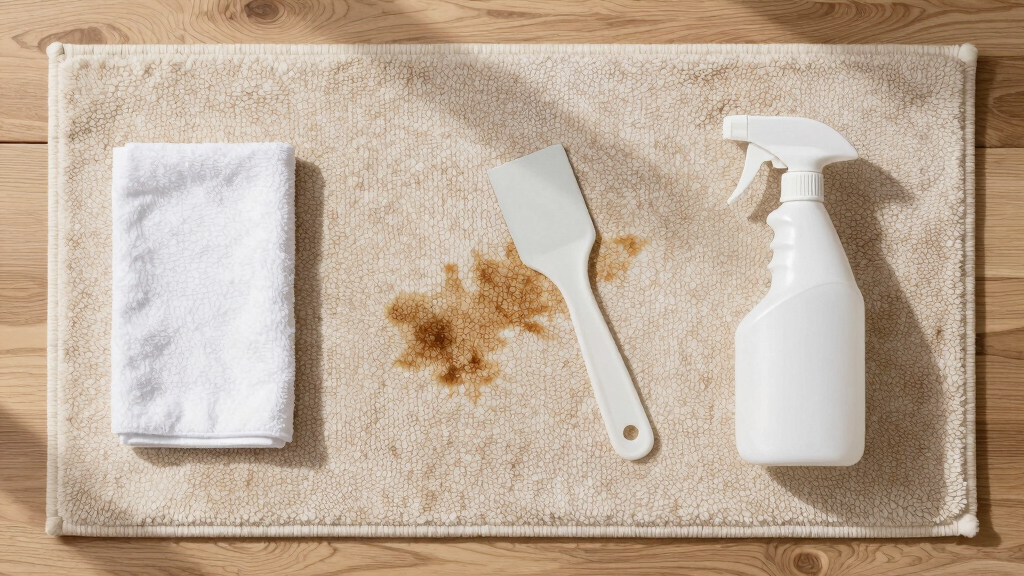
A plastic spatula, credit card, spoon, or dull plastic scraper gives you control without slicing or tearing carpet strands.
Spot-check cleaners.
Vinegar, lemon juice, and dish soap are safer than harsh solvents, but every carpet fiber is different. Test in a hidden area first.
Remove gum without wrecking the fibers.
Work from the outside edge inward. Repeat light passes instead of forcing one aggressive scrape.
Bag the ice
Seal ice cubes or a frozen pack so meltwater does not soak the carpet.
Press and wait
Hold it on the gum for 5-10 minutes until the gum feels firm.
Scrape lightly
Lift hardened pieces with a plastic edge, working slowly from the sides.
Repeat if needed
Re-freeze stubborn spots instead of increasing pressure.
Blot clean
Use mild dish soap or vinegar, then blot with a clean damp cloth.
What works, what risks damage, and when to use it.
Freezing is the best all-around method because it is cheap, accessible, and fiber-friendly. Solvents can help with residue, but they should be used cautiously.
| Method | Effectiveness | Ease | Fiber Safety | Best Use |
|---|---|---|---|---|
| Freezing with ice | ✓ High | ✓ Easy | ✓ Excellent | First attempt for most gum spots. |
| Gentle scraping | ✓ High | ~ Moderate | ✓ Good if gentle | After freezing has hardened the gum. |
| Vinegar or lemon juice | ~ Moderate to high | ~ Moderate | ✓ Good | Sticky residue and final clean-up. |
| Commercial gum remover | ✓ High | ✓ Easy | ~ Check label | Synthetic fibers or stubborn old gum. |
| Hot water or acetone | ✗ Risky | ~ Fast | ✗ Poor | Avoid unless a professional advises it. |
Why ice wins the carpet-care scorecard.
The best method balances removal power with low risk. Ice scores well because it changes the gum mechanically without flooding the carpet or introducing strong chemicals.
Removal balance
Relative household-method performance based on effectiveness, ease, and safety.
Damage-risk spectrum
Gentle freezing sits near the safe end. Heat, acetone, and aggressive scraping move the job into higher-risk territory.
Safe marker: ice plus plastic scraper. Risk marker: heat, metal tools, or strong solvents.
Small choices decide whether the carpet survives cleanly.
Most damage comes from rushing: heat spreads the gum, metal tools cut fibers, and harsh solvents can discolor sensitive carpet materials.
Watch-outs
Never start with hot water, nail polish remover, or aggressive scrubbing. These can push gum deeper, bleach color, or rough up the pile.
- Test cleaners on a hidden spot first.
- Blot residue instead of rubbing it outward.
- Repeat freezing for long-standing gum.
Reader questions, answered plainly.
When in doubt, slow down and choose the method with the least chemical and mechanical risk.
How long does it take?
Most gum spots take 10-20 minutes, including freezing, scraping, and residue clean-up. Older gum may need repeat rounds.
Can nail polish remover help?
It can dissolve sticky material, but acetone may damage or discolor carpet fibers. Vinegar or mild soap is safer.
Will this damage the carpet?
Damage is unlikely when you freeze first, scrape gently, and test cleaning solutions before applying them broadly.
What if gum is really stuck?
Repeat the freeze-and-lift cycle. For deep residue, use a small amount of vinegar or dish soap and blot carefully.
Why Freezing Is Your Best First Move
When gum gets embedded in carpet fibers, it’s like a stubborn stain that refuses to let go. The key? Make it brittle. Freezing the gum with ice causes it to harden, turning it into a fragile chunk you can lift out easily. This method is safe for most carpet types and super affordable—just grab some ice cubes or a frozen bag of veggies.
Imagine dropping a cube of ice onto a sticky patch. After a few minutes, you’ll notice the gum hardening, making it easier to chip away with a spoon or plastic scraper. It’s quick, effective, and leaves your carpet intact.
As an affiliate, we earn on qualifying purchases.
Step-by-Step: How to Remove Gum Using Ice
- Grab your ice. Use an ice pack, bag of frozen peas, or ice cubes in a plastic bag.
- Apply ice directly. Press the ice onto the gum for 5–10 minutes. Keep the bag in place with a cloth or towel.
- Check the hardness. When the gum is frozen solid, gently try to lift or scrape it with a plastic spatula, credit card, or spoon. Avoid metal tools—they can damage fibers.
- Remove chunks carefully. Continue until most of the gum is lifted or chipped away.
Patience is key. Usually, a few rounds of freezing and gentle scraping do the trick.
plastic spatula for carpet cleaning
As an affiliate, we earn on qualifying purchases.
As an affiliate, we earn on qualifying purchases.
Gentle Scraping and Mechanical Removal Tips
Mechanical removal is often necessary after freezing, but it must be gentle. Use a plastic spatula, credit card, or a dull knife to lift the gum. Never gouge or press hard—you risk tearing or pulling carpet fibers.
Think of it like peeling a sticker—slow and steady wins the race. Work from the edges inward, lifting the gum little by little. If needed, reapply ice to make the gum more brittle as you go.
Why is this important? Applying gentle pressure minimizes the risk of damaging the delicate carpet fibers, which can lead to fraying or uneven patches. Using the right tools, like plastic or soft-edged items, ensures you can remove gum without causing unnecessary harm. The tradeoff is that this process may take a bit more time and patience, but it preserves your carpet’s integrity and appearance.
As an affiliate, we earn on qualifying purchases.
Using Natural and Household Solutions Safely
After removing the bulk of the gum, some sticky residue might linger. Here are safe options to clean it up:
- Vinegar: Dab a cloth in white vinegar and gently blot the area. Vinegar dissolves the remaining gum without harming most fibers. It’s a mild acid that breaks down the sticky substances at a molecular level, making cleanup easier without harsh chemicals.
- Lemon juice: Similar to vinegar, it’s a natural degreaser and stain remover. Its acidity helps loosen residual gum and stains, but it’s gentler on fibers, making it suitable for delicate carpets.
- Dish soap and warm water: Mix a few drops of dish soap in warm water. Use a soft cloth to clean the area, then blot dry. This method is effective because dish soap breaks down oils and adhesives in the gum, restoring the carpet’s original look. Always test on a hidden spot first to prevent discoloration or damage, especially on wool or sensitive fibers.
Choosing the right solution depends on your carpet type; natural options like vinegar and lemon are less likely to cause damage but may require more patience. Commercial cleaners can be effective but often contain harsher chemicals, so weigh safety versus speed.
As an affiliate, we earn on qualifying purchases.
What To Watch Out For: Common Mistakes & Tips
Never use hot water or harsh chemicals like nail polish remover directly on your carpet. These can cause discoloration or fiber damage. Also, avoid aggressive scrubbing—think gentle touches, not abrasive actions.
If the gum has been there for a long time, it might be more stubborn. Patience and repeated gentle efforts are better than forceful scraping that could ruin your fibers. Remember, always test solutions on a small, inconspicuous spot first.
Quick Comparison: Best Methods to Remove Gum from Carpet
| Method | Effectiveness | Ease | Safety |
|---|---|---|---|
| Freezing with Ice | High | Easy | Excellent |
| Natural solvents (vinegar, lemon) | Moderate to High | Moderate | Good |
| Mechanical scraping | High (after freezing) | Moderate | Good if gentle |
| Commercial gum removers | High | Easy | Check for fibers |
Dealing with Long-Standing Gum & Sticky Residue
Gum stuck for days or weeks requires patience. Start with freezing—this often loosens the bond. Expect to repeat the process a few times. Residue left behind can be softened with vinegar or mild dish soap, then gently scrubbed away.
If the gum has deeply embedded or hardened, you might need to use a gentle solvent or repeat the freezing and scraping steps. Always test first to avoid damage. The key is understanding that stubborn gum isn’t fixed in one attempt; patience and gentle persistence are your best tools. By gradually loosening and softening the residue, you reduce the risk of damaging the carpet fibers while effectively removing the sticky mess.
Frequently Asked Questions
How long does it take to remove gum from carpet?
It usually takes about 10–20 minutes, including freezing, scraping, and cleaning. Long-standing gum might need a few repeat attempts, but patience pays off.
Can I use nail polish remover to get gum out?
Nail polish remover contains acetone, which can damage some carpet fibers. It’s safer to stick with vinegar or mild solvents and always test first.
Will removing gum damage my carpet?
If you follow gentle methods like freezing and soft scraping, damage is minimal. Always test solutions on a hidden spot first to avoid surprises.
What if the gum is really stuck and won’t come out?
Repeat the freezing and scraping process. Sometimes, patience and multiple rounds are needed. For stubborn cases, a gentle solvent or professional cleaning might be necessary.
How do I clean residue after gum removal?
Use a mixture of dish soap and warm water or a small amount of vinegar to wipe the area. Follow up with a clean damp cloth to remove any leftover residue.
Conclusion
Getting gum out of carpet isn’t glamorous, but it’s straightforward. The secret is patience—freeze, gently scrape, and clean. With these simple tricks, your carpet can look as good as new, without risking damage or using toxic chemicals.
Next time gum strikes, remember: a little ice, a gentle touch, and some natural cleaner will save the day. Your carpet—and your sanity—will thank you.
Halloween Picks
halloween
As an affiliate, we earn on qualifying purchases.