
TL;DR

Get cleaning gear delivered free with Prime
- Fast, free delivery on millions of items
- Prime Video, Amazon Music and more included
- Member-only deals all year
Never mix bleach with ammonia, vinegar, or alcohol, as these combinations release toxic gases or cause dangerous reactions. Always follow manufacturer instructions and use products separately for a safe home.
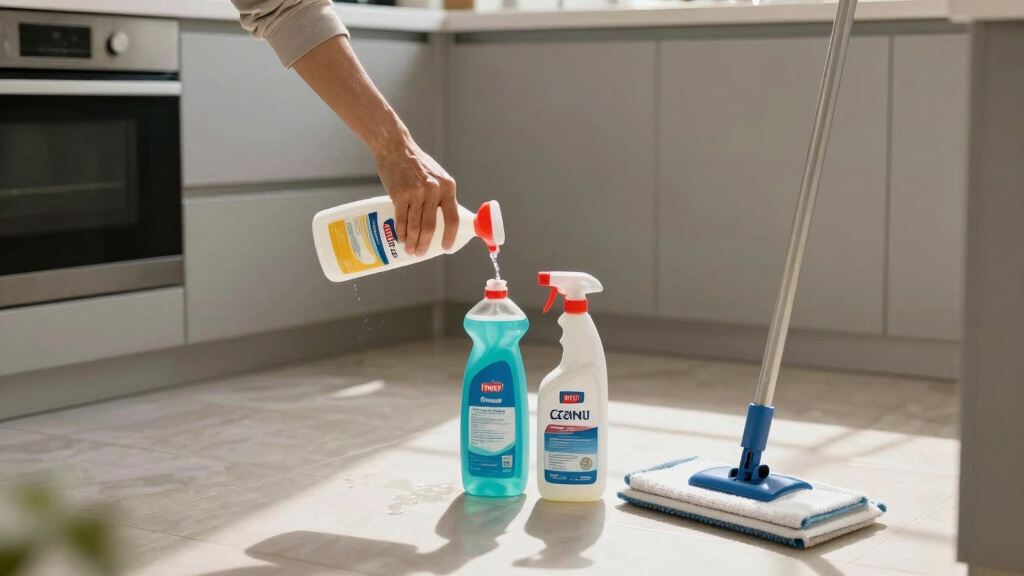
Imagine spraying your bathroom with a quick mix of bleach and vinegar. It seems harmless, right? But that simple action can create a cloud of hazardous gases, putting your lungs at risk. Many household cleaners seem safe on their own, but combined, they can turn into a toxic mess.
This guide will show you the cleaning products you should never mix, explain why, and give you practical tips to keep your home safe. Because understanding these dangers can prevent serious health issues and accidents.
Never mix bleach with ammonia, vinegar, or alcohol—these produce toxic gases like chloramine, chlorine, and chloroform.
Always read product labels for warnings against mixing chemicals—manufacturer guidance is key.
Use separate tools and containers for different cleaners to prevent accidental reactions.
Ventilate your space well during cleaning and wear protective gear when handling strong chemicals.
If accidental mixing occurs, ventilate immediately and seek medical attention if symptoms develop.
Why Mixing Bleach and Ammonia Is a Recipe for Disaster
Bleach and ammonia are common household staples, but mixing them unleashes chloramine vapors—dangerous, sharp-smelling gases that can cause chest pain, coughing, and even pneumonia-like symptoms. These vapors are particularly insidious because they can be produced from seemingly harmless cleaning activities, such as cleaning a bathroom or kitchen. The problem is that these fumes are not only irritating but can also cause long-term damage to your lungs if inhaled repeatedly.
The formation of chloramine vapors is a chemical reaction where the chlorine in bleach reacts with ammonia, producing toxic gases. These gases can impair lung function, cause inflammation, and increase susceptibility to respiratory infections. The danger lies in the fact that the reaction can occur even at low concentrations, especially in poorly ventilated spaces, making it a silent but serious risk. Therefore, understanding this chemical process emphasizes why keeping these products separate isn’t just a safety tip but a health imperative. The tradeoff here is between effective cleaning and health safety—using each product individually may require more effort but significantly reduces health risks.
According to an anonymous researcher, chloramine vapors can cause lung damage with repeated exposure, making the risk even more serious than many realize. Recognizing the chemistry behind these reactions helps you appreciate the importance of proper product use and storage, ultimately protecting your respiratory health.
household cleaning chemical safety gloves
As an affiliate, we earn on qualifying purchases.
As an affiliate, we earn on qualifying purchases.
The Hidden Dangers of Mixing Bleach and Vinegar
Mixing bleach with vinegar might seem like a natural way to boost cleaning power because both are effective at disinfecting and removing stains. However, this combination triggers a chemical reaction that releases chlorine gas, a highly toxic substance. The implications are serious: inhaling chlorine gas can cause immediate symptoms like chest tightness, burning eyes, and difficulty breathing, and repeated exposure can lead to chronic respiratory problems. The danger is compounded because many people are unaware of this reaction—assuming that since both are common cleaners, mixing them is harmless.
The chemical process involves the acid in vinegar reacting with the chlorine in bleach, producing chlorine gas. This gas is not only irritating but can also cause pulmonary edema and long-term lung damage if inhaled in significant quantities. The smell of chlorine gas is often mistaken for a strong, pungent odor, which should serve as a warning to leave the area immediately. The tradeoff here is between attempting a quick, potent cleaning solution versus risking your respiratory health. Using these products separately, with adequate ventilation, is a safer approach that avoids these dangerous reactions and their severe health implications.
According to safety experts, exposure to chlorine gas can lead to long-term respiratory issues, especially with repeated incidents. Recognizing the chemical reaction helps you make smarter choices during cleaning routines, emphasizing safety over convenience.
ventilated cleaning mask for chemical fumes
As an affiliate, we earn on qualifying purchases.
As an affiliate, we earn on qualifying purchases.
Why You Should Never Mix Bleach and Rubbing Alcohol
Combining bleach with rubbing alcohol (isopropyl alcohol) can produce chloroform—a chemical with a notorious history as an anesthetic but also as a potent poison. The formation of chloroform occurs because the chlorine in bleach reacts with the alcohol, creating a compound that can be absorbed through the skin or inhaled into the lungs. This reaction is particularly dangerous because chloroform fumes are odorless, making it easy to underestimate the risk and inadvertently expose yourself to toxic levels.
The health implications are severe: even small amounts of chloroform can cause dizziness, nausea, and in extreme cases, unconsciousness. This chemical can also impair liver and kidney function with repeated exposure. The tradeoff involves risking accidental poisoning versus the perceived benefit of disinfecting or shining surfaces. Many people do not realize that this reaction can happen quickly and in confined spaces, leading to dangerous accumulations of fumes. Using each product separately and in well-ventilated areas is essential for safety, preventing the unintended formation of this hazardous chemical and protecting your health.
Research from chemical safety studies shows that this mix can be especially risky in confined spaces, where fumes accumulate quickly. Being aware of this chemical interaction underscores the importance of following proper guidelines and avoiding risky combinations during cleaning routines.
non-toxic bathroom disinfectant spray
As an affiliate, we earn on qualifying purchases.
As an affiliate, we earn on qualifying purchases.
The Risks of Mixing Hydrogen Peroxide and Vinegar
Hydrogen peroxide and vinegar are popular natural cleaners, but combined, they produce peracetic acid—a corrosive chemical that can irritate skin, eyes, and the respiratory tract. This reaction is not just a minor chemical curiosity but a serious health concern. When these substances are mixed, the resulting peracetic acid is a potent disinfectant but also a highly corrosive agent that can cause burns upon contact and damage mucous membranes if inhaled.
The implications extend beyond immediate irritation: repeated exposure can lead to long-term respiratory issues and skin damage. If you pour both solutions into a spray bottle, thinking it’s a superior disinfectant, you risk inhaling the sharp, acrid smell that signifies dangerous chemical formation. The pressure buildup in sealed containers adds another hazard—potentially leading to explosions or leaks of corrosive liquids. Recognizing the chemical process helps you understand why these common ingredients should be kept separate. The tradeoff involves sacrificing some convenience for the safety of avoiding corrosive reactions that can cause burns, irritation, or more serious health problems over time.
Studies highlight that peracetic acid exposure can cause burns and respiratory discomfort, so it’s best to keep these solutions separate and use them independently to ensure safe cleaning practices.
As an affiliate, we earn on qualifying purchases.
Quick Guide: 5 Cleaning Combinations to Avoid at All Costs
| Unsafe Combination | What Happens | Why It’s Dangerous |
|---|---|---|
| Bleach + Ammonia | Chloramine vapors | Respiratory irritation, lung damage |
| Bleach + Vinegar | Chlorine gas | Severe respiratory problems, eye irritation |
| Bleach + Rubbing Alcohol | Chloroform | Poisoning, unconsciousness |
| Hydrogen Peroxide + Vinegar | Peracetic acid | Corrosive burns, skin irritation |
| Any Acid + Any Base | Unpredictable reactions | Potential hazardous fumes or explosions |
How to Stay Safe When Cleaning—Simple Rules
Always read labels carefully. If a product warns against mixing, follow that advice strictly. Use separate containers and tools for different cleaners to avoid accidental reactions.
Ventilate your space well—open windows, turn on fans. Wear gloves and eye protection if working with strong chemicals, even natural ones like vinegar or hydrogen peroxide.
When in doubt, test a small area or seek advice from trusted safety sources. Remember, safer cleaning is better than risking health or damage.
What to Do If You Mix Something Inadvertently
If you accidentally combine two incompatible cleaners, act quickly. Ventilate the room immediately—open windows and turn on fans. Leave the area until fumes dissipate.
If you experience symptoms like coughing, difficulty breathing, or burning eyes, rinse skin with water and seek medical help promptly. Keep the container or label handy to identify what was mixed.
Remember, staying calm and acting fast can prevent serious health issues.
Frequently Asked Questions
Why is mixing bleach and vinegar dangerous?
Because it releases chlorine gas, which can cause severe respiratory issues, coughing, and chest pain. It’s a toxic reaction that can happen even in small quantities.
Are there any safe ways to combine cleaning products?
Most products are safest when used separately. Some multi-purpose cleaners are designed to be mixed, but only follow manufacturer instructions to avoid risks.
What should I do if I accidentally mix two incompatible products?
Ventilate the area immediately, leave the space, and rinse any skin contact with plenty of water. Seek medical help if you experience symptoms like difficulty breathing or eye irritation.
How can I tell if a cleaning product is safe to mix with others?
Read labels carefully for warnings and instructions. If it explicitly states not to mix with certain chemicals, follow that advice. When unsure, consult safety resources or the manufacturer.
Are natural or homemade solutions safer than commercial cleaners?
Many natural solutions, like baking soda and vinegar, are safer when used properly. However, avoid mixing chemicals without guidance—some combinations can still produce hazardous reactions.
Conclusion
Mixing cleaning products is a gamble with your health. Stick to the rule: if it’s not explicitly safe to combine, don’t do it. Your lungs, eyes, and skin will thank you.
Next time you clean, think of it as a chemistry lesson—one that keeps your home safe and your family healthy. Safety isn’t complicated; it’s just a matter of respecting the chemicals you use.
Halloween Picks
halloween
As an affiliate, we earn on qualifying purchases.