TL;DR

Get cleaning gear delivered free with Prime
- Fast, free delivery on millions of items
- Prime Video, Amazon Music and more included
- Member-only deals all year
With three common ingredients—vinegar, baking soda, and lemon or essential oils—you can clean your whole home. They’re safe, effective, and eco-friendly, saving money and reducing chemical exposure.
Imagine transforming your entire home cleaning routine with just three ingredients. No bottles of harsh chemicals, no complicated recipes. Just a handful of pantry staples that are safe, affordable, and surprisingly powerful.
If you’re tired of juggling multiple cleaners and want a straightforward, green approach, you’re in the right place. In this guide, you’ll learn how to harness vinegar, baking soda, and lemon (or essential oils) to make your home sparkle from kitchen counters to bathroom tiles.
A blend of vinegar, baking soda, and lemon or essential oils can replace most commercial cleaners.
Preparation is simple: create sprays, pastes, and sprinklings for different surfaces and tasks.
These ingredients are safe, eco-friendly, and cost-effective, making cleaning more sustainable.
Always test on a small area first, especially on natural stone or delicate surfaces.
Regular use keeps your home fresh, clean, and free of synthetic chemicals.
The 3 Ingredients That Do It All in Your Home
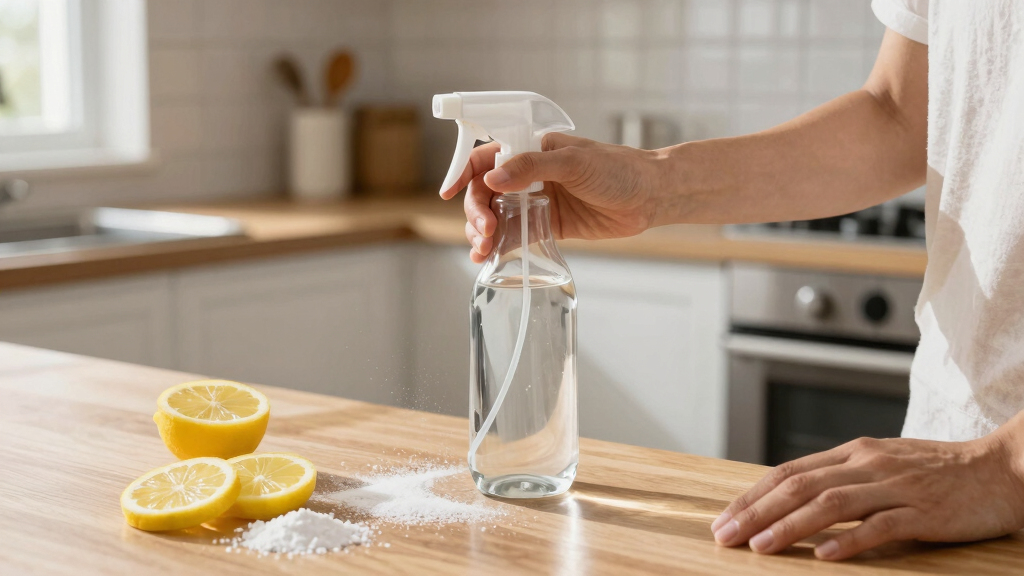
Vinegar, baking soda, and lemon or essential oils are your cleaning trifecta. They’re cheap, they’re natural, and they work on most surfaces. Think of vinegar as your go-to disinfectant, baking soda as your deodorizer and scrub, and lemon or oils as your scent and antimicrobial boost.
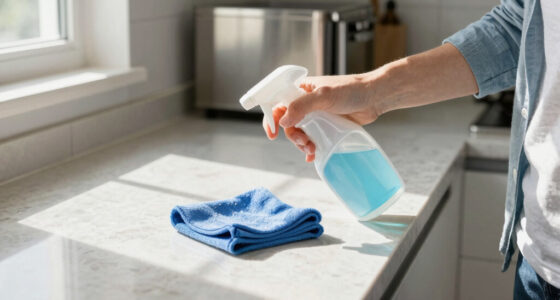
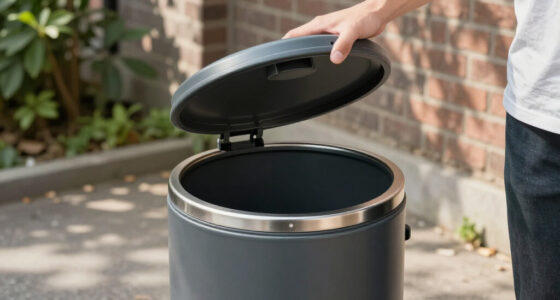
For example, a quick spray of vinegar on kitchen counters wipes out bacteria, while baking soda sprinkled in the trash can neutralizes odors. A squeeze of lemon brightens stainless steel and leaves a fresh scent. Together, these ingredients can replace dozens of store-bought cleaners.
multi-purpose natural cleaning spray
As an affiliate, we earn on qualifying purchases.
As an affiliate, we earn on qualifying purchases.
How to Make a Multi-Purpose Cleaning Spray in 3 Easy Steps
- Mix 1 part vinegar with 1 part water in a spray bottle. Add 10 drops of lemon or your favorite essential oil. Shake to combine. Use this on kitchen counters, glass, or appliances.
- Sprinkle baking soda on surfaces like sinks, tubs, or stovetops. Spray your vinegar solution over it to create a fizzy scrub that lifts grime and deodorizes.
- For tough stains or odors, make a baking soda paste: mix baking soda with a few drops of lemon or oil until it forms a thick paste. Apply, scrub gently, rinse, and enjoy the shine.
This simple routine covers 80% of your home’s cleaning needs. It’s quick, effective, and free of synthetic chemicals.
eco-friendly vinegar baking soda cleaner
As an affiliate, we earn on qualifying purchases.
As an affiliate, we earn on qualifying purchases.
Compare the Power of Vinegar, Baking Soda, and Lemon
| Ingredient | Primary Use | Best Surfaces | Limitations |
|---|---|---|---|
| Vinegar | Disinfects, degreases, cuts through soap scum | Glass, metal, tile, plastic | Damages natural stone, hardwood |
| Baking Soda | Deodorizes, scrubs, stain removal | Carpets, sinks, tubs, appliances | Less effective on greasy surfaces alone |
| Lemon/Essential Oils | Freshens, antimicrobial properties, scent | Countertops, cutting boards, fabrics | Limited disinfectant power alone |
This comparison shows how each ingredient complements the others—vinegar fights germs, baking soda tackles odors and grime, and lemon adds freshness and mild antimicrobial benefits. Understanding these roles helps you optimize their use and avoid potential pitfalls, such as vinegar’s corrosive effect on natural stone. Recognizing limitations ensures you don’t inadvertently damage delicate surfaces or reduce cleaning effectiveness, making your natural cleaning routine both safe and efficient.
lemon essential oil surface cleaner
As an affiliate, we earn on qualifying purchases.
As an affiliate, we earn on qualifying purchases.
Cleaning Tips for Different Areas Using Just 3 Ingredients
- Kitchen counters and appliances: Spray vinegar solution, wipe with a cloth, sprinkle baking soda for stubborn spots.
- Bathroom tiles and fixtures: Use vinegar spray to cut soap scum, scrub with baking soda paste, finish with lemon for shine.
- Floors and carpets: Sprinkle baking soda before vacuuming, or mop with diluted vinegar for hard floors.
- Windows and mirrors: Spray vinegar mix, wipe with a microfiber cloth—no streaks, no chemicals.
Each tip relies on the natural power of these ingredients, making cleaning safer and more environmentally friendly.
baking soda deodorizer for trash cans
As an affiliate, we earn on qualifying purchases.
As an affiliate, we earn on qualifying purchases.
Safety Tips and When to Avoid These Ingredients
Vinegar is a natural disinfectant but can damage natural stone surfaces like granite and marble. Baking soda is gentle but may scratch delicate surfaces if used aggressively. Lemon or essential oils add scent but can stain fabrics or cause reactions in sensitive skin. These limitations matter because they influence how you apply each ingredient—using vinegar on natural stone can cause etching, while scrubbing too hard with baking soda might scratch soft finishes. Lemon oils, though antimicrobial, can stain porous materials or fabrics if not used carefully. Recognizing these tradeoffs ensures you avoid costly mistakes and maintain your surfaces’ integrity. Properly recognizing where these ingredients are safe and where caution is needed helps you maximize their benefits while minimizing damage, making your natural cleaning routine both effective and safe.
Always test a small area first. Keep vinegar and baking soda away from pets’ food bowls and keep essential oils out of reach of children. For heavy disinfecting, especially in healthcare settings, consider products registered as disinfectants.
If unsure about a surface, do a patch test or consult manufacturer guidance. When in doubt, stick to plain water and these ingredients for most routine cleaning.
Safety first keeps your home beautiful and your family healthy.
Frequently Asked Questions
Can vinegar and baking soda really replace all my cleaning products?
For most routine cleaning tasks—kitchen counters, bathroom tiles, floors—yes. They handle grime, odors, and light disinfecting. However, for heavy-duty sterilization or specific stains, you might need additional products.Are these ingredients safe for pets and children?
Yes, when used properly. Vinegar and baking soda are non-toxic, but avoid using vinegar on natural stone surfaces or near pet food bowls. Keep essential oils out of reach of curious kids and pets.How often should I use these homemade cleaners?
Weekly or bi-weekly cleaning keeps your home fresh without buildup. For high-traffic areas, consider more frequent use—just like you’d use any commercial cleaner, but safer and greener.Can I add scents or essential oils without losing cleaning power?
Absolutely. A few drops of lemon, lavender, or tea tree oil not only make your home smell great but can also add antimicrobial benefits. Just don’t overdo it—more isn’t always better.What surfaces should I avoid cleaning with vinegar and baking soda?
Avoid vinegar on natural stone, hardwood floors, and certain delicate surfaces. Baking soda can scratch soft finishes if scrubbed too hard. Always test first and follow manufacturer advice.Conclusion
Think of your home as a living organism that thrives on simplicity. With just three ingredients, you can keep every corner shining—no toxins, no fuss.
Next time you reach for a cleaning bottle, ask yourself: could this be done with vinegar, baking soda, and lemon? Chances are, yes. Clean smart, breathe easy, and enjoy a healthier home every day.
Fall Picks
fall essentials
As an affiliate, we earn on qualifying purchases.