TL;DR

Get cleaning gear delivered free — and shop member deals
- Fast, free delivery on millions of items
- Access to Prime Big Deal Days deals on October 6–7
- Prime Video, Amazon Music and more included
Pet dander stays airborne for hours and settles on surfaces, making it hard to eliminate. Regular cleaning, air filtration, and pet grooming significantly lower allergen levels, easing allergy symptoms. You can live comfortably with pets by implementing these simple strategies.
Imagine walking into your living room, and the faint, almost invisible cloud of pet dander gently settles on your skin and clothes. It’s tiny but powerful enough to trigger sneezing fits, itchy eyes, or worse, asthma attacks if you’re sensitive. Keeping pet dander under control isn’t about banning your furry friends; it’s about making smart, practical adjustments that keep allergens in check.
In this guide, you’ll discover how simple habits—like cleaning smarter, grooming better, and improving your home’s air quality—can dramatically cut down on pet dander. No hype, no fancy gadgets, just straightforward advice you can trust to make your home healthier for everyone.
Regular vacuuming with a HEPA filter reduces pet dander in the air and on surfaces.
Weekly grooming and bathing significantly cut down the amount of dander your pet sheds.
Air purifiers with HEPA filters can trap 99% of airborne pet dander, improving indoor air quality.
Designating pet-free zones and covering mattresses helps minimize allergen buildup where you sleep.
No breed is completely hypoallergenic, but consistent cleaning and grooming are your best bets.
What Exactly Is Pet Dander and Why Is It a Problem?
Pet dander is tiny flecks of skin shed by cats, dogs, and other furry animals. These microscopic particles float in the air or settle on furniture and floors. For allergy sufferers, these particles can trigger sneezing, itchy eyes, or asthma attacks even hours after your pet has left the room.
Think of pet dander as a cloud of fine dust that sticks to everything. While it’s impossible to remove all of it, understanding what it is helps you see why regular cleaning is vital. It’s not just about pet hair; dander is the main culprit behind allergic reactions.
Why does this matter? Because pet dander’s ability to linger in the environment means that even if your pet isn’t actively shedding, the allergens can still cause symptoms. This persistent presence makes controlling dander crucial for allergy sufferers, but it also requires understanding the tradeoff—completely eliminating dander is unrealistic, so the goal is to reduce and manage it effectively.
As an affiliate, we earn on qualifying purchases.
5 Easy Cleaning Hacks That Cut Pet Dander Fast
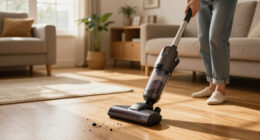
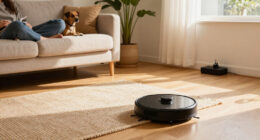
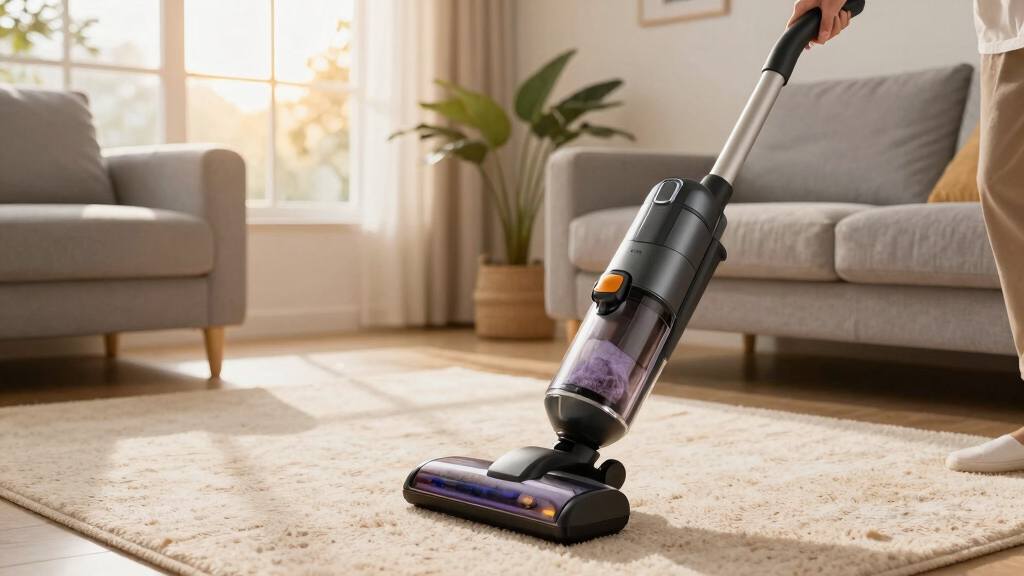
- Vacuum with a HEPA filter at least twice a week. This traps tiny dander particles and keeps them from settling back on surfaces, which is essential because dander particles are so small they can escape regular vacuums. Using a HEPA filter enhances this effect, capturing allergens that would otherwise remain airborne or settle into carpets and upholstery.
- Wash pet bedding, blankets, and toys weekly in hot water. Regularly laundering these items prevents them from becoming reservoirs of dander, which can be released back into the air when disturbed. It’s a tradeoff: while it requires effort, it significantly reduces allergen load in your living space.
- Dust and wipe down furniture with damp cloths. Dry dusting can cause dander to become airborne again, negating the cleaning effort. Damp cloths trap and remove dander more effectively, leading to lower allergen levels and less sneezing or itchy eyes.
- Clean floors daily if possible. Hard floors are easier to keep allergen-free than carpets because they don’t trap dander as easily. Regular sweeping and mopping prevent accumulated dander from becoming a persistent source of allergens, but it’s a balancing act—over-cleaning can sometimes stir up allergens if not done carefully.
- Use microfiber cloths for wiping surfaces. They have a dense weave that traps more dander than traditional dusters or rags, making your cleaning more effective at reducing allergens. This means less allergen circulation and a cleaner environment overall.
Picture a person with a fluffy dog, vacuuming their living room every Saturday morning. The difference is like night and day—fewer sneezes, clearer air, happier home. The key is understanding that these routines don’t just clean—they actively diminish the allergen reservoir, which is vital for long-term allergy management.
As an affiliate, we earn on qualifying purchases.
Groom Your Pet Without Spreading Allergens Everywhere
Regular grooming is your frontline defense. Bathing your pet weekly with a hypoallergenic shampoo reduces dander because it removes the skin flakes and fur that shed into your environment. Brushing outside or in a well-ventilated area prevents loose skin and fur from spreading allergens inside, which is especially important because grooming can temporarily increase airborne dander if done improperly.
For example, a dog owner who brushes their Labrador outdoors notices a big drop in indoor pet dander. It’s a simple step that makes a real difference because it prevents the loose fur and skin flakes from becoming airborne indoors, where they can trigger allergies.
Tip: Use a brush designed for your pet’s coat type. Short-haired pets shed less dander, but regular grooming still helps keep allergens down. It’s about controlling shedding and skin flakes at the source, which directly impacts allergen levels inside your home.
As an affiliate, we earn on qualifying purchases.
How Air Purifiers Make a Big Difference in Pet Dander Control
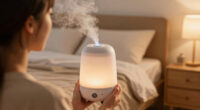
High-quality HEPA air purifiers are game-changers because they actively remove tiny particles, including pet dander, from the air. They work by trapping allergens as the air circulates through the filter, which is especially beneficial in rooms where your pet spends a lot of time. Running a purifier in your living room or bedroom can cut airborne allergens by up to 99%, significantly reducing allergy symptoms and improving overall air quality.
Imagine sitting in a room where the air feels fresher, cleaner—no more that dusty, sneeze-inducing haze. For pet owners, an air purifier isn’t just a gadget; it’s a health ally because it directly tackles the airborne allergen load, which is often the most immediate trigger for allergy symptoms.
Tip: Place the purifier near your pet’s favorite hangout spot or in your bedroom for the best results. While not a standalone solution, it complements cleaning and grooming efforts, creating a layered approach to allergen reduction.
As an affiliate, we earn on qualifying purchases.
Design Your Space to Minimize Pet Dander and Allergen Build-Up
Creating pet-free zones, especially in bedrooms and sleep areas, drastically reduces allergen exposure during the most sensitive times. Cover mattresses and pillows with allergen-proof covers to prevent skin flakes from settling into fabrics that are difficult to clean thoroughly. Keep pets off furniture and beds to prevent dander from embedding into upholstery and bedding, which can be long-term reservoirs of allergens.
For example, a family with allergies invests in washable covers and designates the guest bedroom as pet-free. Their allergy symptoms improve noticeably because it cuts off a significant source of allergen accumulation. These measures may seem simple, but they have profound implications for reducing allergen levels where you rest and sleep.
Reducing clutter and maintaining low humidity levels (around 40-50%) also helps prevent dust mites and dander from multiplying. Think of it as giving your home a fresh start—creating a space that’s easier to keep allergen-free and more comfortable for allergy sufferers.
Choosing Pet-Friendly Strategies That Actually Work
No breed is truly allergen-free, but some shed less and produce fewer allergens over time. Breeds like Poodles, Bichon Frises, and Portuguese Water Dogs tend to be better for allergy sufferers because their hair doesn’t shed as much, and their dander is generally less irritating. However, individual reactions vary widely, and no breed guarantees an allergy-proof environment.
Therefore, the most effective strategy is a combination of consistent cleaning, grooming, and environmental controls. Regular bathing, vacuuming, and use of air purifiers help manage allergen levels regardless of breed, creating a comprehensive plan tailored to your lifestyle. While choosing a pet with lower allergen production can help, it’s not a substitute for ongoing maintenance and cleaning routines.
Example: A couple switches to a hypoallergenic breed, maintains weekly baths, and uses a HEPA purifier. Their allergy symptoms lessen, and they enjoy more time with their dog. This layered approach underscores the importance of combining breed selection with proactive cleaning and air quality management for lasting relief.
Frequently Asked Questions
How often should I vacuum to keep pet dander under control?
Vacuum at least twice a week using a HEPA-filter vacuum. In homes with heavy pet shedding, daily vacuuming on floors and furniture can help keep allergens down.Are there specific breeds better for allergy sufferers?
Yes, breeds like Poodles, Bichon Frises, and Portuguese Water Dogs tend to shed less and produce fewer allergens, but individual reactions vary. Regular cleaning remains essential regardless of breed.Can air purifiers really make a difference?
Absolutely. HEPA air purifiers can trap up to 99% of airborne pet dander, dramatically improving indoor air quality and reducing allergy symptoms.How often should I bathe my pet to reduce dander?
Weekly baths with a hypoallergenic shampoo are recommended. Regular grooming outside or in well-ventilated areas also helps prevent dander from accumulating indoors.What’s the best way to create pet-free zones in my home?
Designate bedrooms and sleeping areas as pet-free zones, use allergen-proof covers on mattresses, and keep pets off beds and furniture to reduce allergen buildup in those spaces.Conclusion
Keeping pet dander in check is about creating a healthier home environment without giving up your furry friend. Focus on regular cleaning, grooming, and air quality improvements—these small steps add up to big relief. Your home can be a sanctuary of comfort and fresh air, even with pets around.
Remember, a little effort goes a long way. Imagine breathing easy, waking up in a home that’s cleaner, clearer, and happier. Your pet and your allergies can coexist—sometimes, just a few simple habits make all the difference.
Halloween Picks
halloween
As an affiliate, we earn on qualifying purchases.