TL;DR

Get cleaning gear delivered free — and shop member deals
- Fast, free delivery on millions of items
- Access to Prime Big Deal Days deals on October 6–7
- Prime Video, Amazon Music and more included
Most pollen enters homes through open windows, clothing, and pets. Using air filters, keeping windows closed, and cleaning regularly can cut indoor pollen levels and ease allergy symptoms.
Keep windows and doors shut during peak pollen times, especially on windy, dry days.
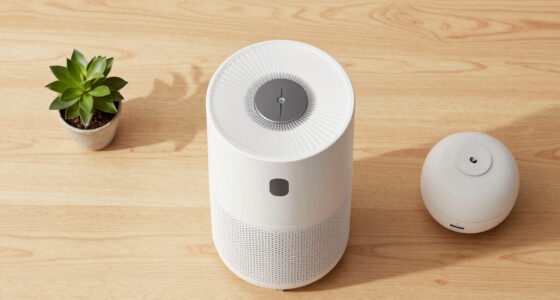
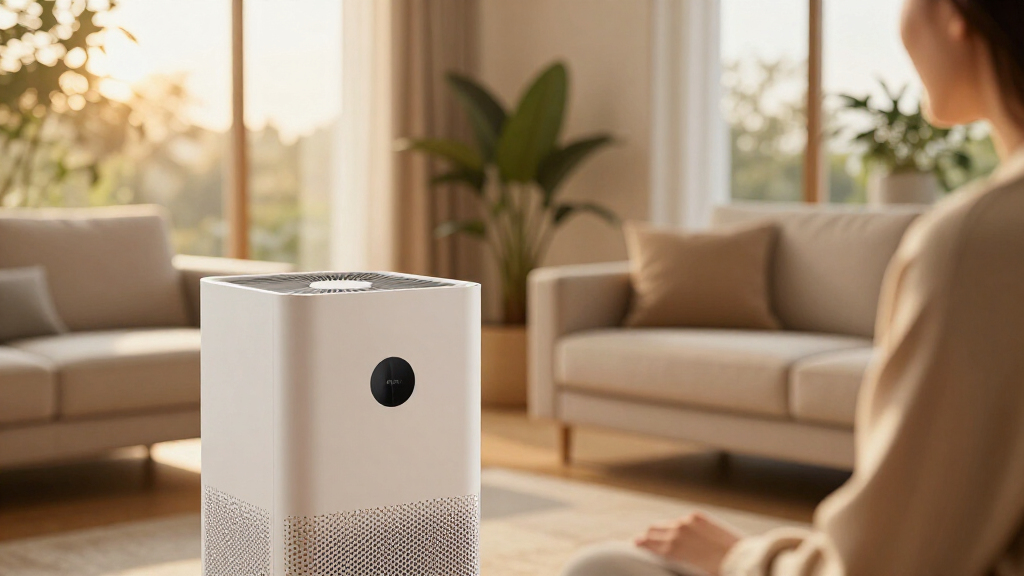
Use a properly sized HEPA air purifier in main living areas and bedrooms for continuous filtering.
Upgrade HVAC filters to MERV 13 if your system allows, and replace them regularly.
Wash bedding weekly and wipe pets after outdoor walks to reduce pollen transfer.
Maintain indoor humidity at 30–50% to prevent mold and dust mites, not to increase pollen removal.
How to Reduce Pollen Indoors During Allergy Season
Most indoor pollen arrives from outside through open windows, doors, clothing, shoes, hair, and pets. The winning strategy is layered: block entry, filter occupied rooms, then remove settled particles without stirring them back into the air.
The three-layer defense
Pollen is easier to stop at the threshold than to chase after it spreads. Use these layers together, with extra attention to bedrooms and frequently occupied living areas.
Close the entry routes
Keep windows and exterior doors shut on dry, warm, windy days, during mowing, and when local pollen counts are high. Use air conditioning or filtered mechanical ventilation where available.
Clean the occupied air
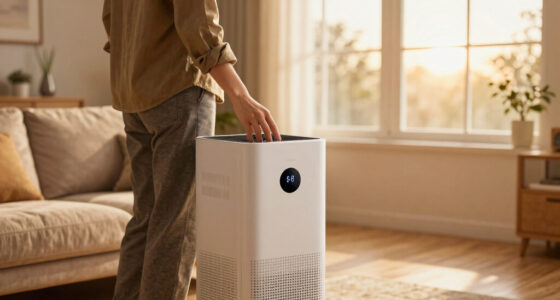
Run a correctly sized true HEPA purifier continuously at the highest tolerable speed. Keep airflow unobstructed and select a CADR appropriate for the room.
Capture what settles
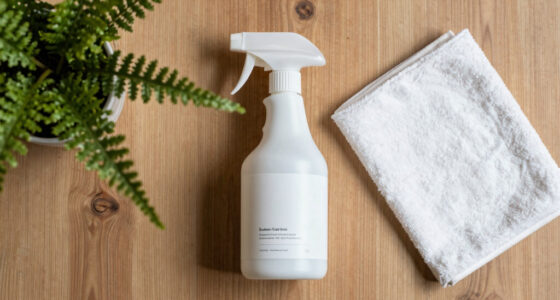
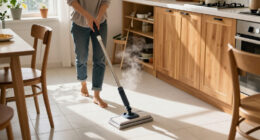
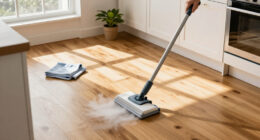
Use a sealed HEPA vacuum, damp microfiber cloths, and a damp mop. Avoid vigorous sweeping and dry dusting, which can resuspend settled pollen.
Stop outdoor pollen
Windows, doors, clothes, shoes, hair, and pets
Filter remaining particles
Portable HEPA plus compatible HVAC filtration
Remove settled residue
Damp cleaning, laundry, and low-disturbance routines
Make filtration work harder
A filter only cleans air that passes through it. Correct sizing, placement, runtime, and maintenance matter as much as the label on the box.
Portable HEPA purifier
Prioritize the bedroom and the room used most often. Close windows and doors while it runs, avoid hiding it behind curtains or furniture, and replace filters according to condition and manufacturer guidance.
HEPA media efficiency at 0.3 μm—not whole-room removal
HVAC + humidity
Consider MERV 13 filtration only when compatible with the equipment. A filter that is too restrictive can reduce airflow and strain the system. Humidity control supports comfort but does not remove pollen.
Maintain roughly 30–50% relative humidity
What works—and what backfires
Choose methods that capture or exclude particles. Anything that pulls outdoor air inside or agitates dusty surfaces can increase exposure.
| Action | Blocks entry | Captures pollen | Resuspension risk | Best use |
|---|---|---|---|---|
| Closed windows + filtered cooling | ✓ Strong | ~ Indirect | ✓ Low | Dry, windy, high-count days |
| Properly sized HEPA purifier | ~ No entry block | ✓ Strong | ✓ Low | Bedrooms and main living areas |
| Sealed HEPA vacuum | ~ No entry block | ✓ Settled pollen | ~ Moderate | Carpets, rugs, and upholstery |
| Damp mop or microfiber wipe | ~ No entry block | ✓ Strong | ✓ Low | Hard floors and surfaces |
| Dry sweeping or dusting | ✗ None | ✗ Poor | ✗ High | Avoid during allergy season |
| Outdoor laundry drying | ✗ Adds exposure | ✗ None | ~ Transfer risk | Replace with indoor drying |
| Humidifier | ✗ None | ✗ None | ~ Depends | Comfort only; monitor humidity |
Weather note: Rain may temporarily wash pollen from the air, but thunderstorms can fragment pollen into smaller particles that are easier to inhale.
Build a low-pollen home rhythm
Simple routines prevent outdoor pollen from accumulating on bedding, floors, upholstery, and pet areas.
At the entrance
Every return- Leave shoes near the door.
- Change outdoor clothing after high exposure.
- Wash hands and face promptly.
- Keep worn clothing away from the bed.
In the bedroom
Daily + weekly- Keep windows closed and run HEPA filtration.
- Shower or rinse hair before sleep.
- Wash bedding weekly.
- Consider allergen-resistant mattress and pillow covers.
For pets
After walks- Wipe or rinse paws and fur after outdoor activity.
- Brush outdoors when practical.
- Wash pet bedding weekly.
- Limit bedroom access during severe allergy periods.
While cleaning
Regularly- Vacuum with a sealed HEPA machine.
- Damp-mop hard floors and wipe surfaces.
- Wash curtains and removable covers periodically.
- Use an indoor dryer or protected drying rack.
Reduce entry first. Filter second. Clean third.
No home can be completely pollen-free. The practical goal is to lower exposure where you spend the most time, especially in sleeping and living areas. Combine closed windows, correctly sized filtration, low-disturbance cleaning, and habits that stop clothing, hair, shoes, and pets from carrying pollen deeper indoors.
Keep Windows and Doors Shut During Peak Pollen Hours
The simplest way to cut indoor pollen is to keep windows and exterior doors closed during high pollen times, especially on dry, windy days. Imagine a breezy afternoon, pollen swirling in the air. Opening windows then can flood your home with invisible allergens. Instead, rely on air conditioning or filtered ventilation. For example, running your AC on a pollen-heavy day keeps fresh air out and maintains a cool, less allergenic indoor climate.
On days with high pollen counts, especially after mowing the lawn or during dry spells, closing up is your best defense. Use a reputable local pollen forecast to plan your windows open hours—usually early mornings or after a rain. Rain temporarily washes pollen from the air, but thunderstorms can break pollen into tiny fragments that are even easier to inhale.
As an affiliate, we earn on qualifying purchases.
Use Effective Air Filters to Capture Pollen
Air filtration is your best shot at catching pollen before it reaches your lungs. A portable HEPA air purifier in your bedroom or living room can remove up to 99.97% of airborne particles as small as 0.3 microns—pollen’s size range. For example, placing a well-rated HEPA unit in your sleeping area means breathing cleaner air all night.
Making use of air filters is crucial because pollen particles are incredibly tiny and light, making them easily airborne and hard to avoid without mechanical assistance. Proper placement ensures maximum efficiency; placing the purifier near sources of pollen entry, like bedrooms or living rooms, helps trap particles at their point of entry. Continual operation ensures a consistent reduction in airborne allergens, but remember that filters need regular replacement; neglecting this can reduce filtration efficiency and allow pollen to bypass the filter. The tradeoff is maintaining a balance between filtration and energy use, as running filters constantly may increase electricity costs but provides the best protection during peak seasons.
As an affiliate, we earn on qualifying purchases.
Upgrade Your HVAC Filter to Catch More Pollen
Your HVAC system can help or hinder pollen control, depending on the filter. A MERV 13 filter can trap smaller pollen fragments and dust, but only if your system supports it. For instance, upgrading from a basic filter to a MERV 13 can cut airborne pollen by a significant margin—sometimes up to 80%.
It’s important to understand that higher MERV ratings mean finer filtration, but they can also restrict airflow if your system isn’t designed for them. This can cause your HVAC system to work harder, increasing energy consumption and potential wear. Therefore, consulting with a technician or the manufacturer ensures compatibility. Regularly replacing filters is essential because a clogged or dirty filter not only reduces filtration efficiency but can also lead to system strain. The tradeoff involves balancing filtration efficiency with system performance and energy costs, but in peak pollen season, the benefits of higher-quality filters generally outweigh the drawbacks.
As an affiliate, we earn on qualifying purchases.
Create a Pollen-Free Bedroom Sanctuary
Your bedroom is where you spend a third of your day—and where allergy symptoms hit hardest. Keep windows closed, use a HEPA filter, and wash bedding weekly in hot water. For example, changing clothes immediately after outdoor activities and showering before bed can drastically reduce pollen transfer.
Creating a pollen-resistant zone involves minimizing sources of outdoor allergens and preventing their spread. Using allergen-proof covers on pillows and mattresses prevents pollen from settling into fabrics where it can be released during sleep. Regularly washing bedding in hot water—above 130°F—destroys pollen residues and other allergens, reducing their presence in your sleeping environment. These measures not only help reduce immediate symptoms but also lessen the buildup of allergens over time, creating a more consistent refuge from allergy triggers. The tradeoff here is the time and effort involved in maintaining these routines, but the payoff is a more restful, symptom-free sleep.
As an affiliate, we earn on qualifying purchases.
Clean Smart—Avoid Stirring Up Pollen Dust
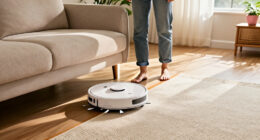
Regular cleaning reduces settled pollen but must be done carefully. Use a sealed HEPA vacuum cleaner and damp-mop floors to trap particles instead of sweeping or dry dusting. For instance, vacuuming carpets twice a week with a HEPA filter can cut pollen buildup significantly.
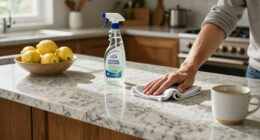
Dry sweeping or dusting can lift pollen into the air, negating the benefits of cleaning and potentially worsening allergy symptoms. Damp cleaning methods help contain and remove pollen from surfaces, preventing recontamination. Wiping surfaces with a damp microfiber cloth ensures dust and pollen are captured rather than dispersed. Washing curtains or removable upholstery covers regularly prevents pollen accumulation. Additionally, cleaning air vents and filters periodically reduces pollen buildup in ventilation systems, which can otherwise circulate allergens throughout your home. The key is to combine regular cleaning with methods that prevent redistributing pollen, balancing thoroughness with minimizing airborne dust.
Manage Pets’ Pollen Paws and Fur
Pets don’t produce pollen but carry it on their fur and paws. Imagine a dog returning from a walk, paws dusty with pollen, then jumping on the couch. Wiping or rinsing your pets after outdoor adventures reduces pollen transfer indoors.
Their fur and paws act as carriers, bringing outdoor allergens directly into your living space. Regularly brushing pets outside minimizes the amount of pollen they carry, preventing it from being tracked indoors. Washing their bedding weekly and using pet-safe wipes or rinses after outdoor walks further reduces pollen on their bodies. During peak pollen seasons, restricting pets from entering bedrooms or allergen-sensitive areas can significantly decrease indoor allergen levels, especially for household members with severe allergies. While these measures require effort, they can dramatically lessen the allergen load, improving comfort and reducing allergy flare-ups for sensitive individuals.
Dry Laundry Indoors During Pollen Season
Drying laundry outside during allergy season can coat your clothes and sheets with pollen. Instead, use an indoor dryer or a covered drying rack inside your home. For example, hanging laundry in a well-ventilated garage or bathroom reduces pollen collection.
This switch prevents outdoor allergens from settling on your textiles, which can then be brought inside, exacerbating allergy symptoms. Indoor drying also allows better control of the environment, especially in windy or dry conditions that favor pollen dispersal. Using a covered or enclosed drying space minimizes pollen exposure, ensuring that your bedding and clothing remain as pollen-free as possible. The tradeoff involves added energy use and space management, but the benefit of cleaner textiles and reduced allergen load outweighs these inconveniences, especially during peak pollen periods.
Control Indoor Humidity for Better Air Quality
Maintaining 30–50% humidity prevents mold and dust mites, which can worsen allergy symptoms. Use a hygrometer to monitor levels, and run a dehumidifier if needed. For instance, a humidifier set too high can promote mold growth, complicating allergy management.
While humidity doesn’t directly remove pollen, optimal levels can improve overall indoor air quality and reduce other allergens that exacerbate allergy symptoms. Excessive humidity fosters mold, which releases spores that can trigger allergic reactions. Conversely, too low humidity causes dry nasal passages, making allergies feel worse. Regularly cleaning humidifiers prevents mold and bacterial growth, ensuring they contribute positively to air quality. Striking the right balance helps create an environment that minimizes multiple allergen sources, providing a more comfortable space during allergy season. The tradeoff involves monitoring and maintaining humidity levels, but the overall health benefits are substantial.
Avoid Air Disturbance That Resuspends Pollen
Strong fans and vigorous cleaning can stir settled pollen back into the air. Imagine a ceiling fan spinning rapidly in a dusty room—resuspending pollen particles. Use fans sparingly, and prefer gentle cleaning methods.
Opening windows briefly during low pollen times or using exhaust fans in kitchens and bathrooms helps vent indoor pollutants without spreading pollen everywhere. Gentle cleaning minimizes the chance of lifting pollen from surfaces. In addition, using exhaust fans helps remove indoor air contaminants without creating airborne dust clouds. Avoiding high-velocity airflow from fans or air purifiers during peak pollen periods reduces the likelihood of resuspension. This careful approach ensures that cleaning efforts do not inadvertently worsen allergy symptoms by redistributing pollen that has already settled.
Frequently Asked Questions
Should I open windows early in the morning?
Not always. Pollen levels vary by day and weather. Check your local pollen forecast—if counts are high, keep windows closed, especially during windy afternoons.
Does air conditioning remove pollen?
Yes, when your system has proper filters and runs in recirculation mode. It keeps outdoor air out and filters pollen from the indoor air, especially if you use high-quality filters and maintain the system well.
What MERV rating should I look for?
MERV 13 filters are recommended for allergy sufferers when compatible with your HVAC system. They strike a good balance between filtration efficiency and system performance.
Can a HEPA purifier eliminate all pollen?
It significantly reduces airborne pollen but won’t remove pollen embedded in fabrics or settled dust. Regular cleaning complements air purification for best results.
How often should I run my air purifier?
Running it continuously during allergy season yields the best results. Lower, steady operation is often more effective than intermittent maximum settings, especially in bedrooms and main living areas.
Conclusion
Your home can become a refuge even during the worst days of allergy season. Simple steps—like sealing entry points, filtering air, and cleaning smartly—make a big difference. Breathe easier, and reclaim your indoor comfort, one pollen-reducing habit at a time.Halloween Picks
halloween
As an affiliate, we earn on qualifying purchases.