
TL;DR

Get cleaning gear delivered free — and shop member deals
- Fast, free delivery on millions of items
- Access to Prime Big Deal Days deals on October 6–7
- Prime Video, Amazon Music and more included
Cleaning a toilet thoroughly involves disinfecting all surfaces, including under the rim and inside the siphon jet. Regular deep cleaning with the right tools and products keeps germs at bay and prevents odors, not just makes it look shiny.
Think your toilet is clean because it looks shiny? Think again. A surface that appears spotless can hide bacteria, mold, and mineral deposits—things that threaten your health. If you want real cleanliness, it’s time to get beneath the surface and tackle the hidden grime.
This guide reveals practical, step-by-step ways to make your toilet truly sanitary. No hype, no harsh chemicals—just effective techniques that work. Ready to ditch the germs and smell better? Let’s dive in.
Deep cleaning involves disinfecting all parts of the toilet, not just the visible surfaces.
Use a combination of tools: toilet brush, pumice stone, microfiber cloths, and disinfectants for best results.
Natural cleaners like vinegar and baking soda can be effective, especially when combined with mechanical scrubbing.
Regularly cleaning and disinfecting weekly prevents buildup, odors, and bacterial growth.
Avoid common mistakes like ignoring under the rim and relying solely on surface sprays.
Why Looks Can Be Deceiving—The Truth About Toilet Cleanliness
Your toilet might look clean after a quick wipe, but bacteria and mineral buildup can hide in spots you can’t see—under the rim, inside the siphon jet, and around hinges. These areas are prime spots for germs that cause odors and infections. According to an anonymous researcher, a toilet bowl can harbor over 3 million bacteria per square inch.
Deep cleaning is about more than aesthetics. It’s about health. It involves removing organic matter, mineral deposits, and killing bacteria. If you skip this step, you risk spreading germs every time you flush or sit down.
Understanding why these hidden areas matter is crucial. Bacteria like E. coli and salmonella can thrive in these less-visible spots, increasing the risk of infections and unpleasant odors. Mineral deposits, often from hard water, can cause staining and corrosion over time, weakening the porcelain and making it harder to clean in the future. Neglecting deep cleaning can lead to a cycle of buildup, odors, and potential health hazards, compromising both hygiene and the longevity of your toilet.
Failing to thoroughly clean these hidden areas can also give a false sense of cleanliness, leading to complacency. Over time, this neglect can cause persistent odors, staining, and even damage to the porcelain or plastic components, which might require costly repairs or replacements. Recognizing the importance of these areas allows you to prioritize them, ensuring a truly hygienic and long-lasting toilet.
As an affiliate, we earn on qualifying purchases.
Step-by-Step: The Real Deep Cleaning Process
- Apply a disinfectant or a bleach solution—let it sit for 10 minutes to kill germs. This dwell time is critical because it allows the disinfectant to penetrate biofilms and organic matter, which are often resistant to simple wiping. Rushing this step can leave behind bacteria and viruses, undermining your cleaning efforts.
- Use a stiff-bristled toilet brush to scrub the inside of the bowl, focusing under the rim and the siphon jet. Mechanical scrubbing physically removes stubborn deposits and biofilms that disinfectants alone can’t eliminate. The friction breaks down grime, exposing bacteria and stains for removal.
- Scrub around hinges, the base, and under the rim with a microfiber cloth dipped in disinfectant. These areas are often overlooked but serve as breeding grounds for germs and mold. Thoroughly cleaning them reduces odors and prevents buildup that can compromise the toilet’s function.
- For mineral deposits or stubborn stains, gently use a pumice stone to avoid scratching surfaces. The abrasive action helps dislodge deposits embedded in the porcelain, restoring its appearance and preventing long-term damage. Be cautious, as improper use can scratch or weaken the surface, making future cleaning more difficult.
- Flush to rinse, then wipe down with a clean microfiber cloth for a streak-free finish. Rinsing removes loosened debris, while wiping ensures no residue remains, leaving your toilet both hygienic and shiny.
This routine ensures you’re not just cleaning the surface but actively disinfecting every part of your toilet, including hidden spots that harbor bacteria and mineral deposits. Deep cleaning creates a safer, more hygienic environment that protects your health and prolongs the life of your fixture.
As an affiliate, we earn on qualifying purchases.
Tools and Products That Make a Difference
Investing in the right tools makes deep cleaning easier. Here’s what works:
- Toilet brush with stiff bristles for scrubbing under the rim and inside the bowl. A good brush can reach tricky spots and remove stubborn grime more effectively than soft-bristled variants.
- Pumice stone for mineral deposits that won’t budge with a brush. Using a pumice stone carefully can save time and effort, but improper use may scratch the porcelain—so gentle, targeted strokes are key.
- Microfiber cloths for wiping around hinges, base, and exterior surfaces. These cloths trap bacteria and dirt better than standard rags, and they can be disinfected and reused.
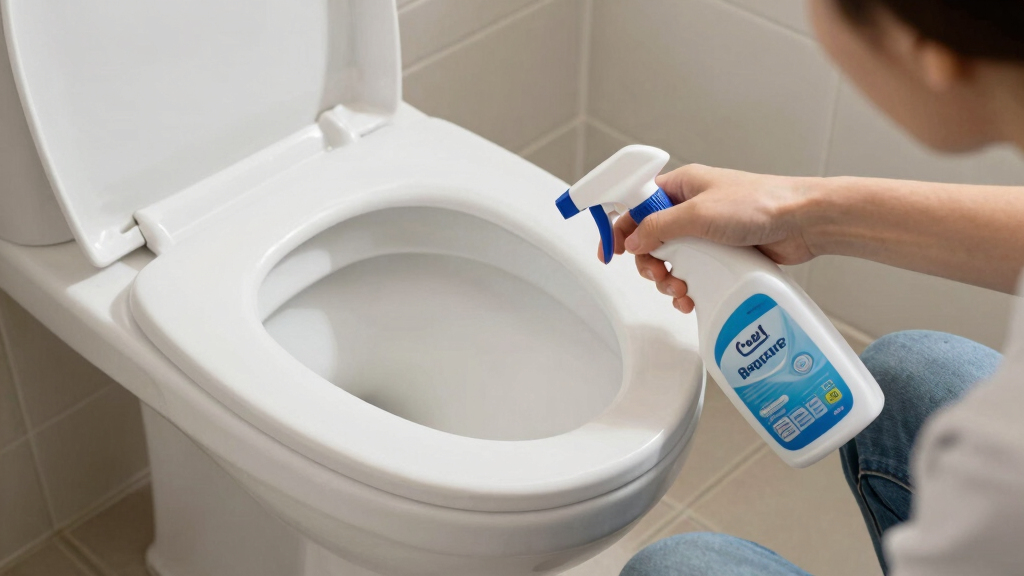
- Disinfectant spray or bleach solution for killing germs on all surfaces. The choice depends on your preference and sensitivity; bleach is highly effective but requires careful handling, while sprays are convenient and safer for regular use.
Using these tools in combination ensures no spot is left behind, and germs are effectively neutralized. Proper technique, along with the right tools, maximizes cleaning efficiency and health benefits.
natural toilet cleaner vinegar baking soda
As an affiliate, we earn on qualifying purchases.
As an affiliate, we earn on qualifying purchases.
Eco-Friendly and Modern Tricks for a Truly Clean Toilet
Cleaning doesn’t have to mean harsh chemicals. Natural options like vinegar, baking soda, and essential oils can do the job effectively while reducing chemical exposure. For example, pouring vinegar into the bowl and letting it sit for 15 minutes dissolves mineral buildup and kills bacteria naturally. Baking soda, when sprinkled with vinegar, creates a fizzing reaction that helps loosen grime and stains without abrasives.
Moreover, modern toilets equipped with self-cleaning features—such as UV sterilization or antimicrobial coatings—offer additional layers of hygiene. These features can reduce the frequency of manual cleaning, especially for light maintenance or everyday freshness. However, they shouldn’t replace deep cleaning routines, particularly when dealing with stubborn stains or heavy buildup, as their effectiveness is limited to surface-level sanitation. These features act as supplementary tools that maintain cleanliness between thorough deep cleans, but they are not substitutes for detailed scrubbing and disinfecting.
Recent technological advances, like electrostatic sprayers and UV-C sanitizers, enhance sanitation, especially in high-traffic bathrooms. These devices can disinfect surfaces more thoroughly and quickly, making regular maintenance less labor-intensive and more effective at eliminating germs.
Choosing eco-friendly and high-tech options allows you to maintain a hygienic toilet while minimizing environmental impact and exposure to harsh chemicals. Combining natural cleaners with modern tools provides a balanced approach that respects health, safety, and sustainability.
As an affiliate, we earn on qualifying purchases.
Why Regular Deep Cleaning Is Your Best Defense
Deep cleaning weekly is key. It prevents mineral deposits, stains, and bacteria from building up, which can lead to persistent odors and potential health risks. Regular disinfecting disrupts the lifecycle of bacteria and mold, reducing the likelihood of infections and unpleasant smells. Skipping this routine allows grime and germs to accumulate, increasing the difficulty of cleaning and the risk of cross-contamination.
For example, a household that deep cleans every Sunday creates a routine that minimizes buildup, making daily maintenance easier and more effective. This consistency not only keeps the toilet looking pristine but also ensures that bacteria and viruses are kept at bay, maintaining a healthier environment for everyone.
It’s important to recognize that surface cleaning alone—wiping down with sprays or quick rinses—is insufficient for long-term hygiene. Deep cleaning involves removing deposits, disinfecting thoroughly, and paying attention to hidden areas. This comprehensive approach is essential for preventing the cycle of grime and bacteria that can compromise your health and the toilet’s longevity.
Common Mistakes That Make Your Toilet Look Clean But Aren’t
Many cleaning routines miss the spots that matter most. Here are frequent pitfalls:
- Only wiping the exterior or visible parts without disinfecting the inside. This superficial approach leaves bacteria lurking where you can’t see, risking odors and infections.
- Ignoring under the rim, inside the siphon jet, and around hinges. These neglected areas are often the source of persistent stains and odor-causing bacteria, which can spread if not properly cleaned.
- Relying solely on air fresheners or surface sprays—these mask odors temporarily but do not eliminate bacteria or mineral deposits. This false sense of cleanliness can lead to untreated buildup and ongoing health hazards.
- Using abrasive cleaners that scratch surfaces, making them harder to clean later. Damaged porcelain or plastic can trap dirt and bacteria more easily, creating a cycle of superficial cleaning that never truly sanitizes.
Address these mistakes by adopting a comprehensive cleaning routine that targets every inch of your toilet, especially the hidden and neglected areas. Doing so ensures genuine cleanliness and a healthier bathroom environment.
Frequently Asked Questions
What’s the best way to disinfect a toilet effectively?
Use a toilet-specific disinfectant or a bleach solution, ensuring you let it sit for at least 10 minutes before scrubbing. Focus on all surfaces, especially under the rim and the siphon jet, for maximum germ-killing power.How often should I clean my toilet to keep it hygienic?
Ideally, clean and disinfect your toilet at least once a week. If multiple people use it or stains are visible, increasing frequency reduces germs and odors.Are natural cleaners sufficient for deep cleaning?
Yes, vinegar, baking soda, and essential oils can be effective when used properly and combined with mechanical scrubbing. For full disinfecting, however, chemical disinfectants are often more reliable.What are the best tools for deep cleaning a toilet?
A sturdy toilet brush, pumice stone for mineral deposits, microfiber cloths, and disinfectant spray or bleach solution are essential for thorough cleaning.How can I prevent stains and buildup?
Clean regularly, use toilet tablets or disinfectant sprays, and consider water softening or descaling products if mineral deposits are frequent. This keeps your toilet looking fresh and functioning well.Conclusion
Getting your toilet truly clean isn’t about quick fixes or superficial wipes. It’s about a systematic approach—scrubbing, disinfecting, and paying attention to hidden spots. When you treat your toilet with this level of care, you’re not just making it look good. You’re making your bathroom safer and healthier.
Next time you clean, think beyond the surface. Your health depends on it—and a truly clean toilet is within your reach.
Halloween Picks
halloween
As an affiliate, we earn on qualifying purchases.