TL;DR

Get cleaning gear delivered free — and shop member deals
- Fast, free delivery on millions of items
- Access to Prime Big Deal Days deals on October 6–7
- Prime Video, Amazon Music and more included
Some toilet stains are permanent because minerals penetrate the porcelain surface. Regular cleaning, natural remedies, and water treatment can prevent or remove most stains, but severe cases might need professional help or replacement.
Ever peek into your toilet bowl and see that stubborn, dark ring that just won’t fade? It’s frustrating. Most likely, it’s caused by mineral deposits or deep-seated grime that cling to the porcelain surface. Knowing what causes these lasting stains can save you time and money. This guide will explain why some stains seem permanent and how you can effectively remove or prevent them, using safe, eco-friendly methods.
Get ready for straightforward advice, real-world tips, and a few tricks that will keep your toilet looking fresh — without harsh chemicals or expensive repairs.
Mineral deposits from hard water can deeply penetrate porcelain, making stains difficult to remove permanently.
Simple household items like vinegar, baking soda, and pumice stones can effectively tackle light to moderate stains.
Regular cleaning and water treatment are key to preventing stubborn stains from forming.
Severe stains might require professional resurfacing or toilet replacement.
Understanding your water quality helps you choose the right cleaning approach and prevent future issues.
Why Do Some Toilet Stains Never Fully Disappear?
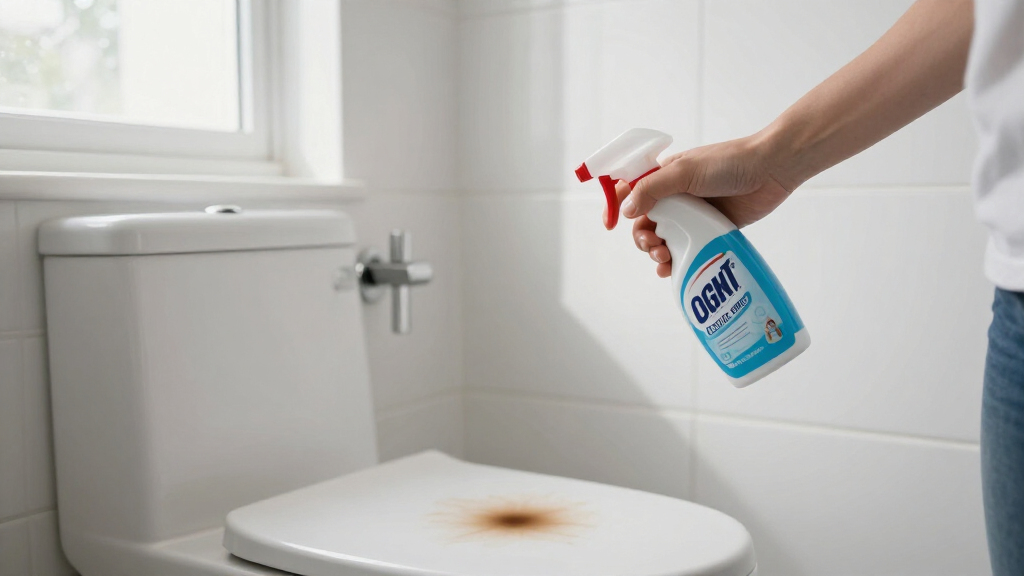
Persistent toilet stains are often caused by mineral deposits from hard water or ingrained residue that seeps into the porcelain. When minerals like calcium, magnesium, or iron settle in the tiny pores of the porcelain, they can become almost part of the surface. Over time, these deposits harden and bond tightly, making them tough to scrub away.
Imagine trying to erase a marker stain on a sponge — if it’s soaked deep enough, no amount of scrubbing will fully remove it. That’s what happens with mineral buildup. Plus, neglecting regular cleaning allows the deposits to deepen, turning superficial stains into permanent fixtures.
Understanding this process is crucial because it highlights why some stains stubbornly resist removal. The deeper mineral deposits go, the more they chemically bond with the porcelain, creating a barrier that standard cleaning methods can’t easily break. This means that superficial scrubbing won’t suffice once minerals have penetrated deeply, and aggressive or specialized treatments might be necessary. Recognizing when a stain is deeply ingrained helps you decide whether a DIY approach will work or if professional intervention is needed. It also underscores the importance of early maintenance—preventing deposits from becoming embedded can save you time and effort in the long run.
toilet bowl cleaner for hard water stains
As an affiliate, we earn on qualifying purchases.
As an affiliate, we earn on qualifying purchases.
How to Identify the True Cause of Your Toilet Stains
- Look at the color and texture: Rust stains are usually orange or brown and may feel slightly rough. Mineral deposits often look chalky or crusty and have a dull appearance.
- Check your water quality: If your water has high mineral content or iron, stains are more likely to be mineral or rust-based.
- Assess the stain’s location: Rings near the water line hint at mineral buildup. Stains that cover the entire bowl may be mold, bacteria, or chemical reactions.
In many homes, a quick water test or a conversation with your local water supplier reveals mineral levels, guiding your cleaning approach. Knowing the cause helps tailor your cleaning methods; for example, rust stains may require different treatments than mineral deposits, which can influence the choice of cleaning agents and techniques. Misdiagnosing the stain type can lead to ineffective cleaning, wasting time and resources. Therefore, taking the time to identify the stain’s origin allows for more targeted, efficient, and ultimately successful removal strategies, preventing frustration and repeated efforts.
pumice stone for toilet stain removal
As an affiliate, we earn on qualifying purchases.
As an affiliate, we earn on qualifying purchases.
Simple Tricks to Remove Hard Water and Rust Stains
Removing stubborn stains doesn’t mean you need harsh chemicals. Often, everyday household items do the trick. Here’s a step-by-step approach:
- Vinegar and Baking Soda: Pour 2 cups of white vinegar into the bowl. Let it sit for 10 minutes. Sprinkle baking soda over the vinegar. Scrub gently with a toilet brush, then flush.
- Pumice Stone: Use a damp pumice stone carefully to scrub away mineral deposits. Keep it wet to avoid scratching the porcelain. This method works because the pumice’s abrasive qualities can gently lift mineral buildup without damaging the surface, especially when used carefully. It’s particularly effective for stubborn deposits that resist chemical cleaners, but caution is key to avoid scratching or gouging the porcelain. It’s a good option when chemical methods have failed or when you prefer a natural, chemical-free approach.
- Commercial Descalers: Choose a descaling product designed for toilets. Follow the instructions carefully, and wear gloves to protect your skin. Be aware that some descalers contain acids that can damage the porcelain if used improperly, so always read labels and test on a small area first if possible. When used correctly, these products can dissolve mineral deposits efficiently, saving time and effort.
Take your time. These methods work well on light to moderate stains. For tougher spots, repeat the process or combine techniques. Remember, patience and proper technique are key to avoiding damage and achieving a clean, stain-free bowl.
eco-friendly toilet cleaning products
As an affiliate, we earn on qualifying purchases.
As an affiliate, we earn on qualifying purchases.
When Your Stains Are Truly Permanent — What Are Your Options?
If stains have penetrated deeply or been left untreated for years, they might be impossible to fully remove. In these cases, consider:
- Resurfacing or Reglazing: Professional services can restore the porcelain’s smooth surface, making stains less visible. This process involves applying a new glaze layer that seals the surface, preventing further stain penetration and making cleaning easier. It’s a cost-effective alternative to replacement, especially for older toilets with extensive staining or surface damage. However, reglazing isn’t permanent and may need to be repeated every few years depending on usage and water quality.
- Replacing the Toilet: When stains are severe and cleaning no longer helps, swapping out the fixture might be the best choice. Modern toilets often have better glaze finishes and are more resistant to staining, providing a long-term solution. While replacement involves upfront costs, it guarantees a fresh start and can improve overall bathroom hygiene and aesthetics. It’s important to weigh the costs against the benefits, especially if the current toilet’s staining indicates underlying water quality issues that might persist with a new unit unless addressed.
Most homeowners find that regular maintenance prevents stains from reaching this point. But if you’re faced with a stubborn, permanently stained toilet, these options can bring back that bright, clean look and restore confidence in your bathroom’s appearance.
As an affiliate, we earn on qualifying purchases.
How to Prevent Toilet Stains Before They Start
The best way to beat stains is to prevent them. Here are simple steps:
- Install a Water Softener: Reduces mineral content, keeping deposits at bay.
- Clean Regularly: Weekly scrubs with vinegar or eco-friendly cleaners prevent buildup.
- Address Leaks and Corrosion: Fix dripping valves or corroded pipes early to stop rust stains before they form.
- Use Appropriate Cleaners: Avoid harsh chemicals that damage porcelain or worsen stains.
For example, a homeowner in a hard-water region installed a softener and saw a significant reduction in stains after just a few months. Preventative measures matter because they tackle the root causes—mineral buildup and bacterial growth—before they can manifest as unsightly stains. Investing in these proactive steps can save you considerable time, effort, and money over the long term, as they help maintain a cleaner bowl and extend the lifespan of your toilet. Recognizing that prevention is more cost-effective than frequent deep cleaning or repairs underscores the importance of proactive maintenance.
Frequently Asked Questions
Why do some toilet stains seem impossible to remove?
Stains caused by mineral deposits or rust can penetrate the porcelain surface deeply, making them resistant to standard cleaning. Over time, these deposits bond tightly, especially if neglected, which is why they seem permanent.What’s the safest and most effective way to remove hard water stains?
Vinegar and baking soda are safe, natural options for light stains. For tougher spots, a pumice stone used carefully can scrub away mineral buildup without damaging the porcelain. Commercial descalers designed for toilets also work well when used as directed.Can natural remedies really clean stubborn stains?
Yes, vinegar, lemon juice, and baking soda are effective for many stains, especially when used regularly. They’re less harsh than chemical cleaners and can often remove light to moderate buildup with patience.How can I prevent stains from forming in the first place?
Install a water softener if you have hard water, clean your toilet weekly, fix leaks promptly, and avoid using harsh chemicals. These steps keep mineral deposits and bacteria at bay, maintaining a fresh-looking bowl.When should I consider replacing my stained toilet?
If stains are deeply ingrained or the porcelain is cracked or damaged, cleaning may no longer be effective. In such cases, replacing the toilet may be the most practical solution to restore cleanliness and hygiene.Conclusion
A clean, stain-free toilet is within reach — but it starts with knowing what causes those stubborn marks. Regular maintenance, smart cleaning, and water quality checks can save you time and money. When stains seem impossible, professional options exist — but prevention is always better than cure.
Next time you spot a dark ring, remember: a little effort now beats a costly replacement later. Imagine a sparkling bowl, every flush a fresh start. Your bathroom deserves it — and so do you.
Fall Picks
fall essentials
As an affiliate, we earn on qualifying purchases.