TL;DR

Get cleaning gear delivered free — and shop member deals
- Fast, free delivery on millions of items
- Access to Prime Big Deal Days deals on October 6–7
- Prime Video, Amazon Music and more included
Drying a carpet fast after cleaning hinges on removing excess water, boosting airflow, and controlling humidity. Using fans, dehumidifiers, and proper ventilation cuts drying time from 24 hours to as little as 4-6 hours.
Imagine finishing your carpet cleaning and wondering how to get it dry before the weekend’s plans. A wet carpet can lead to mold, mildew, and lingering odors. The good news? With the right steps, you can cut drying time from a full day to just a few hours.
In this guide, you’ll learn exactly how to speed up the drying process, using practical tools and simple tricks. Whether you’re tackling a spill or a deep clean, these strategies make drying faster, safer, and more effective.
Use high-power vacuums during cleaning to remove maximum moisture upfront.
Combine fans, dehumidifiers, and ventilation for fastest drying, especially in humid environments.
Monitor moisture levels with a moisture meter to confirm when your carpet is truly dry.
Modern equipment like infrared detectors and IoT sensors can cut drying time by half.
Act quickly—dry your carpet within 24 hours to prevent mold and odors from setting in.
Get Carpet Dry in Hours, Not Tomorrow
Fast drying comes down to three moves: extract excess water, push air across the fibers, and pull humidity out of the room. Done together, fans and dehumidifiers can shrink a 24-hour wait into a 4-6 hour dry window while lowering mold and odor risk.
With extraction, airflow, ventilation, and humidity control working together.
Lingering moisture beyond this window raises mold, mildew, and odor risk.
Key insight: High-velocity air movers plus dehumidifiers can reduce drying time by up to 50% compared with passive drying.
Proper methods and low humidity.
Humid air or weak ventilation.
Ideal relative humidity for drying.
Meter reading to confirm dryness.
The 7-Step Fast Drying System
Each step removes moisture from a different place: carpet fibers, padding, room air, and hidden edges. Stack the methods instead of relying on a single fan.
Use a Wet/Dry Vacuum
Remove as much water as possible during cleaning. Less trapped moisture means faster evaporation and less chance of shrinkage or odor.
Open Windows and Doors
Create a cross-breeze when outdoor humidity is low. Fresh air helps carry moisture out of the room quickly.
Set Up Fans
High-velocity fans push air over the carpet surface, increasing evaporation and preventing damp spots.
Run a Dehumidifier
Pull water from the air so the carpet can release more moisture. This is especially important in basements or humid climates.
Keep It Warm
A room around 68-75°F helps moisture evaporate without overheating fibers, furniture, or adhesive layers.
Avoid Over-Wetting
Low-moisture or encapsulation cleaning reduces the water load from the start, making the whole drying process easier.
Extract
Vacuum out liquid before it settles deeper.
Lift Air
Open doors, vents, and windows if conditions help.
Fan Sweep
Move air across the carpet, not into walls.
Dehumidify
Keep relative humidity below 50%.
Verify
Use touch, edge checks, and a moisture meter.
Technology Cuts Guesswork
Newer air movers, smart dehumidifiers, and infrared moisture tools help target damp zones instead of drying blindly. The result is faster drying with less overuse of heat or energy.
Best combination
Pair a high-velocity air mover with a dehumidifier, then confirm the result with a moisture meter. This setup can reduce drying time by up to 50% compared with passive airflow.
Drying Methods Compared
Use the table to choose the right approach for room conditions. In humid homes, ventilation alone is rarely enough.
| Method | Speed | Best Use | Mold Prevention | Tradeoff |
|---|---|---|---|---|
| Wet/dry vacuum extraction | ✓ High | Immediately after cleaning or spills | ✓ Strong | Requires equipment and careful passes |
| Open windows and doors | ~ Variable | Dry, breezy outdoor conditions | ~ Moderate | Less effective when outdoor humidity is high |
| High-velocity fans | ✓ High | Whole-room airflow and surface evaporation | ✓ Strong | Noise and power use |
| Dehumidifier | ✓ High | Humid rooms, basements, poor ventilation | ✓ Strong | Needs space and a drainage plan |
| Space heater | ~ Helpful | Cool rooms below comfortable temperature | ~ Moderate | Overheating can damage sensitive materials |
| Passive waiting | ✗ Slow | Only for barely damp carpets | ✗ Weak | Odor and mold risk rises after 24-48 hours |
How to Know It Is Truly Dry
A carpet can feel dry on top while moisture remains underneath. Check edges, padding-prone zones, and low-airflow corners before walking on it normally.
Aim Below 10%
Use a moisture meter for objective confirmation. Below 10% is the safer target for mold-free drying.
Do Not Trust Looks Alone
- Lift an edge if possible and check whether backing feels damp.
- Look for water beads near baseboards or furniture legs.
- Avoid walking on damp fibers because dirt transfer and compression slow drying.
- Increase airflow if any musty odor appears before the carpet is fully dry.
Fast-Dry Traceability Chain
Why Quick Drying Matters — Avoid Mold and Odors
Leaving a carpet wet for too long invites trouble. Moisture lingering beyond 24 hours can lead to mold, mildew, and a musty smell that sticks around for weeks. Quick drying not only saves your carpet’s lifespan but also keeps your indoor air fresh.
For example, after a spill, if you don’t dry the area within a few hours, you might notice a damp smell that’s tough to get rid of. Speeding things up prevents these issues and keeps your home healthy.
As an affiliate, we earn on qualifying purchases.
7 Easy Ways to Speed Up Carpet Drying at Home
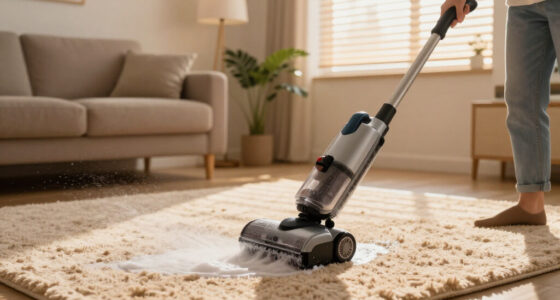
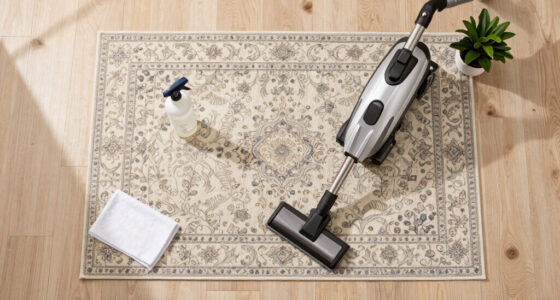
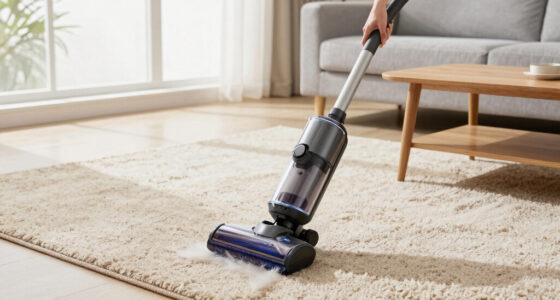
- Use Powerful Wet/Dry Vacuums — Extract as much water as possible during cleaning. The more moisture you remove upfront, the faster it dries. This step is critical because residual water trapped in fibers prolongs drying time and can cause damage or shrinkage if not removed properly.
- Open Windows and Doors — Create a cross-breeze. Fresh air circulates moisture out of the room quickly. This natural ventilation is a simple yet effective method, but its efficiency depends on outdoor conditions such as wind and humidity. In high humidity environments, relying solely on open windows may be insufficient, which is why combining it with mechanical drying methods is often necessary.
- Set Up Fans and Air Movers — High-velocity fans push air over the surface, speeding evaporation. These devices significantly increase airflow, which is essential because evaporation rate is directly tied to how much air moves over the fibers. Proper placement ensures even drying and prevents damp spots that could foster mold growth. Be cautious to avoid blowing air directly into furniture or walls, which can cause uneven drying or damage.
- Employ Dehumidifiers — Lower indoor humidity to accelerate drying and prevent mold growth. Dehumidifiers work by extracting moisture from the air, which is especially important in humid climates or poorly ventilated spaces. Combining dehumidifiers with fans creates a synergistic effect, drastically reducing drying time. However, they require space and energy, so balancing their use with comfort and cost is important.
- Adjust Room Temperature — Warm air helps moisture evaporate faster. Use space heaters if the room is chilly. Be cautious with temperature settings to avoid overheating or creating dry air that could damage sensitive materials. Maintaining a temperature around 68-75°F (20-24°C) optimizes evaporation without risking damage or discomfort.
- Limit Over-Wetting During Cleaning — Use less water or switch to low-moisture methods like encapsulation cleaning. Excessive water not only prolongs drying but can also cause damage, shrinkage, or promote mold if not dried promptly. Finding a balance between cleaning efficacy and water use is essential; sometimes, a less wet cleaning method yields faster overall results with less risk.
- Apply Drying Aids — Products like drying powders or absorbent pads can draw moisture out of fibers. These tools are particularly useful in tight spots or for quick spot drying, but they are supplementary. Using them alongside airflow and dehumidification ensures the fibers are thoroughly dried, reducing the risk of mold and odors.
For example, running a high-powered fan for just 2 hours after cleaning can reduce drying time by nearly 30%. Combine that with a dehumidifier, and you’re looking at a potential cut in half. The tradeoff involves energy use and noise levels, but the benefits of faster drying and mold prevention often outweigh these concerns.
portable dehumidifier for carpet drying
As an affiliate, we earn on qualifying purchases.
As an affiliate, we earn on qualifying purchases.
What Are the Latest Tech Tools That Help Dry Carpet Faster?
Modern drying equipment offers a big edge. Newer models of air movers and dehumidifiers are quieter, more energy-efficient, and direct airflow more precisely. Infrared and thermal imaging help detect residual moisture, ensuring nothing’s left behind. These tools allow for targeted drying, reducing unnecessary energy consumption and preventing over-drying, which can damage fibers or cause warping.
| Technology | Benefit |
|---|---|
| High-velocity Air Movers | Circulate large volumes of air, speeding evaporation. Proper placement ensures even drying and prevents damp spots that could foster mold growth. Investing in quality units can significantly reduce drying times, especially in larger or more complex spaces. |
| Dehumidifiers with IoT Sensors | Monitor and optimize humidity levels in real-time. These smart devices adjust their operation automatically, preventing over-drying or under-drying, which can both cause issues. They also provide data to help determine when the carpet is fully dry, avoiding guesswork and ensuring safety. |
| Infrared Moisture Detectors | Identify hidden moisture behind walls or under carpets. This prevents premature removal of drying equipment, ensuring complete moisture removal and reducing mold risk. Using infrared technology helps target problem areas that are not visible to the naked eye, leading to more efficient drying protocols. |
According to an anonymous researcher, integrating these tools can cut drying times by up to 50% compared to traditional methods, making the process faster and more reliable. This technological synergy minimizes guesswork, improves safety, and ensures a thorough dry, protecting your investment in your home.
As an affiliate, we earn on qualifying purchases.
How to Tell When Your Carpet Is Fully Dry — Avoid Pitfalls
The easiest way to check if your carpet is dry? Feel the surface and lift the edges. If it feels damp or you see water beads, it’s not ready. Use a moisture meter for precise reading—aim for moisture levels below 10% for safe, mold-free drying. Understanding the moisture content is crucial because appearances can be deceiving; a dry-looking surface may still harbor residual moisture underneath, risking mold development.
For example, after a big spill, you might think it’s dry because it looks dry on top. But moisture could linger underneath, which can lead to mold if not properly detected. Measuring moisture levels ensures thorough drying, preventing future problems and protecting your investment.
Remember, don’t walk on the carpet until it’s fully dry. Walking on damp fibers can trap dirt, cause damage, and promote mold growth over time. Ensuring complete dryness is critical to prevent future problems and to maintain your carpet’s integrity. Using a moisture meter can help you avoid these pitfalls by providing an objective measurement, reducing guesswork and ensuring peace of mind.
As an affiliate, we earn on qualifying purchases.
Preventing Mold and Mildew After Cleaning
Moisture left behind is the main culprit behind mold. To prevent this, dry your carpet within 24-48 hours using fans, dehumidifiers, and good airflow. Keep humidity below 50%, especially in humid climates. The longer moisture remains, the higher the risk of mold spores settling and proliferating, which can cause health issues and damage your carpet fibers.
For example, if you notice a damp smell days after cleaning, it’s a sign you need to boost airflow or use a dehumidifier. Proper drying is your best defense against mold growth. Neglecting this step can lead to costly repairs or health hazards, making it essential to prioritize thorough drying.
Also, consider running a fan overnight or leaving windows open to keep air moving. Continuous airflow ensures residual moisture is expelled and prevents mold spores from settling and multiplying. The key is to maintain low humidity and consistent airflow until the carpet is completely dry, as residual moisture can linger in fibers or padding, creating ideal conditions for mold growth. The longer you wait, the higher the risk, so proactive measures are essential for health and longevity of your carpet.
Frequently Asked Questions
How long does it usually take for a carpet to dry after cleaning?
Most carpets dry within 4 to 6 hours if you use fans, open windows, and control humidity. Without proper airflow, it can take up to 24 hours or more.
What’s the fastest way to dry a carpet at home?
Use high-velocity fans, open windows for cross-ventilation, and run a dehumidifier. Keeping the room warm also helps moisture evaporate faster.
Can I walk on the carpet after cleaning?
It’s best to wait until the carpet is fully dry. Walking on damp fibers can spread dirt and cause damage, plus it slows down the drying process.
What if my carpet isn’t drying fast enough?
Increase airflow with more fans, run a dehumidifier, and consider using professional drying equipment if needed. Check moisture levels to guide your actions.
Are there products that help carpets dry faster?
Yes, absorbent powders or drying pads can assist, but the most effective method remains good ventilation combined with dehumidification.
Conclusion
Fast drying isn’t just about convenience. It’s about protecting your home’s air quality and your carpet’s lifespan. By combining smart tools with good practices, you can get your carpet dry in hours, not days.
Next time you clean, think of drying as part of the process — not an afterthought. The right steps make all the difference.
Halloween Picks
halloween
As an affiliate, we earn on qualifying purchases.