
TL;DR

Get cleaning gear delivered free with Prime
- Fast, free delivery on millions of items
- Prime Video, Amazon Music and more included
- Member-only deals all year
Furniture dents in carpets are common but fixable. Using moisture, heat, and gentle fiber lifting, you can often restore your carpet’s smoothness. For stubborn dents, professional help may be needed, but prevention is key.
Applying gentle heat and moisture can relax carpet fibers, making dents easier to lift.
Ice cubes combined with light brushing are a simple, natural fix for recent dents.
Using the right tools—like a carpet rake or wide-tooth comb—prevents fiber damage while lifting fibers.
Prevent dents by using furniture pads and sliding furniture instead of dragging.
Deep or old dents may require professional restoration for full removal.
The Best Way to Remove Furniture Dents From Carpet
Furniture dents are compressed fibers—not always permanent damage. Moisture, controlled heat, and gentle lifting can restore the pile, while prompt action gives the carpet its best chance to bounce back.
Match the fix to the dent
Fresh, shallow impressions usually respond to household techniques. Older or deeper compression may need repeated treatment—and occasionally professional fiber restoration.
Steam + wide-tooth comb
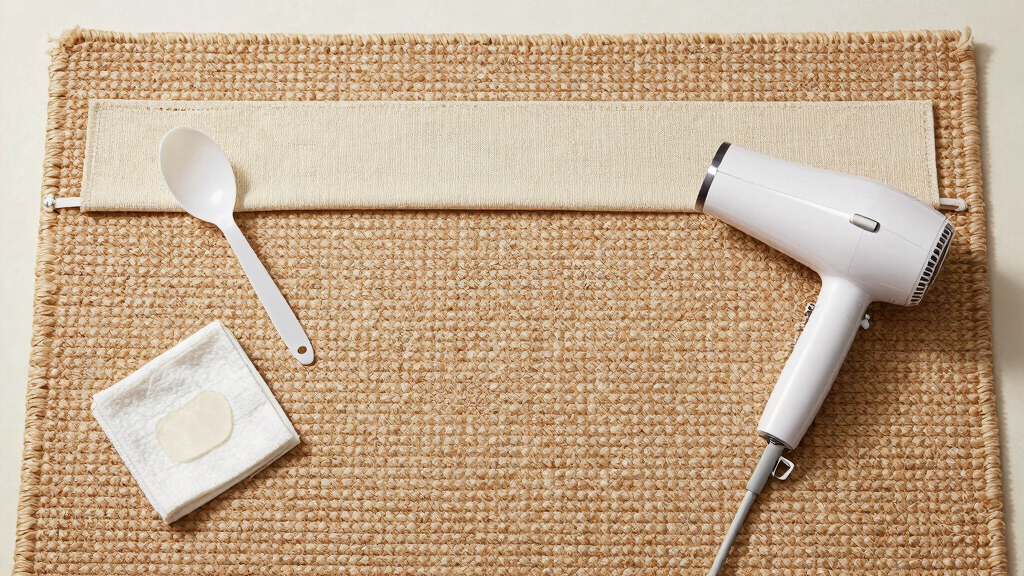
Apply steam from a safe distance for about 30 seconds. Let the heat relax the pile, then lift fibers gradually from several directions.
Ice + soft toothbrush
Place a few cubes in the impression and wait 10–15 minutes. Blot excess moisture, then brush lightly as the fibers regain shape.
Carpet rake + patience
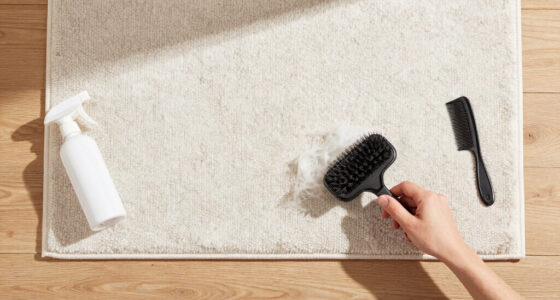
Groom the pile with a soft-bristled rake using short, light strokes. Regular grooming loosens matting and improves overall resilience.
Restore the pile in four moves
Work from gentle to stronger interventions. Always test moisture and heat in a hidden area before treating the visible dent.
Identify fiber and depth
Check the care label and decide whether the impression is fresh, old, shallow, or deeply compacted.
Add controlled moisture
Use ice, a damp cloth, or carefully directed steam to make the compressed fibers more pliable.
Groom from every side
Use a soft brush, carpet rake, fork, or wide-tooth comb without tugging aggressively.
Dry and reassess
Let the area dry fully. Repeat gently later if needed instead of overworking the fibers at once.
Damage checkpoint: Never press a hot iron directly onto carpet. Keep steamers and hairdryers moving, use moderate settings, and stop if fibers discolor, melt, stiffen, or shed.
How quickly can the pile recover?
Steam can show immediate improvement, while ice needs time to melt and hydrate the fibers. Old dents may improve over several careful sessions.
The bars show relative treatment commitment, not guaranteed recovery. Fiber type, furniture weight, and compression age all affect the result.
Compare the options
Start with the least intensive method suited to the dent. Escalate only when the fibers stop improving or appear permanently damaged.
| Method | Ease | Cost | Effectiveness | Best for | Watch for |
|---|---|---|---|---|---|
| Ice + toothbrush | ✓ Easy | ✓ Low | ~ Good | Recent, light dents | Blot excess water |
| Steam + comb | ~ Moderate | ✓ Low–moderate | ✓ Very effective | Moderate or deep dents | Overheating fibers |
| Carpet rake | ✓ Easy | ✓ Low | ~ Supportive | Finishing and upkeep | Pulling too forcefully |
| Professional restoration | ✓ Hands-off | ~ High | ✓ Excellent | Old, deep, stubborn dents | Service cost |
Results vary by carpet construction, fiber condition, backing, compression time, and previous treatment.
Keep dents from coming back
Prevention distributes weight before the pile becomes deeply compacted. Small habits can extend the life and appearance of both carpet and furniture.
Add furniture pads
Use broad coasters under heavy legs to spread pressure across a larger carpet area.
Use furniture sliders
Move heavy pieces smoothly without dragging legs through the pile or stressing the backing.
Shift weight regularly
Move heavy furniture slightly from time to time so pressure does not remain concentrated.
Groom the pile
Gentle routine brushing helps prevent matting and keeps fibers upright and resilient.
The recovery chain
Furniture dent FAQ
Most dents can be reduced substantially, particularly when treated promptly. The safest approach is patient, controlled, and tailored to the carpet.
Can every dent be removed completely?
Many can, especially when fresh. Deep, old impressions may remain partly visible if fibers or backing have been permanently damaged.
Which household tools are useful?
Ice cubes, a damp cloth, hairdryer, fork, wide-tooth comb, soft toothbrush, and carpet rake are common options.
Should I use a heat gun?
It carries a higher overheating risk. A handheld steamer or moderate hairdryer setting is generally easier to control.
What is the biggest DIY risk?
Too much heat or aggressive pulling can melt, break, distort, or discolor fibers. Test first and work gently.
How to Use Heat and Moisture to Lift Carpet Dents
Applying gentle heat combined with moisture is one of the fastest ways to relax carpet fibers and erase dents. When you use a steam cleaner or a hot, damp cloth, it’s like giving your carpet fibers a quick nap—letting them bounce back to their original shape. The heat softens the fibers, making them more pliable, while moisture helps break down the compacted fibers and restore elasticity. This process is especially beneficial because it targets the root cause of the dent—the compressed fibers—allowing them to expand back into their natural position. For example, a handheld steamer held a few inches above the dent for about 30 seconds can soften the fibers enough to lift the impression. After steaming, use a fork or a wide-tooth comb to lift the fibers gently. This method works best on wool and synthetic carpets, which are elastic enough to recover easily. Remember: avoid overheating, which can damage fibers and cause more harm than good.
As an affiliate, we earn on qualifying purchases.
Quick Fix with Ice Cubes and a Toothbrush
If you want a simple, no-fuss fix, grab a few ice cubes. Place them directly on the dent and let them melt over 10-15 minutes. The cold causes the fibers to contract slightly, which can make them more responsive to gentle lifting. This contraction temporarily increases the fibers’ tension, making it easier to tease them back into place with light brushing. Once the ice has melted, use a soft toothbrush or a small comb to gently lift the fibers. Think of it as giving your carpet a gentle grooming session—stimulating the fibers to return to their natural position. This method is especially handy if you notice the dent right after furniture has been moved because the fibers are still relatively flexible. The cold helps reset the fibers without the need for heat, reducing the risk of damage and making it a safe, natural way to encourage fibers to spring back.
As an affiliate, we earn on qualifying purchases.
Choosing the Right Tools: Carpet Rakes, Combs, and More
Using the right tools makes a big difference. A carpet rake or brush helps lift fibers without pulling or tearing. For example, a soft-bristled carpet rake can be gently dragged over the dented area, fluffing the fibers and reducing the impression. A wide-tooth comb can also work if you’re delicately lifting fibers—think of it as giving your carpet a gentle massage. The purpose of these tools is to mechanically loosen and lift the fibers from the compressed state, restoring a more uniform appearance. Proper technique is crucial; applying too much force or using harsh tools can break delicate fibers or make the dent worse. Regularly grooming your carpet with these tools not only helps with dents but also prevents the fibers from matting or becoming permanently flattened. Over time, consistent gentle grooming promotes healthier, more resilient fibers, which resist dent formation and maintain a smooth surface.
As an affiliate, we earn on qualifying purchases.
Comparison Table: DIY Methods vs. Professional Restoration
| Method | Ease | Cost | Effectiveness | Best For |
|---|---|---|---|---|
| Ice Cubes + Toothbrush | Easy | Low | Good for recent, light dents | Small dents, quick fixes |
| Steam + Comb | Moderate | Low to moderate (if you have a steamer) | Very effective on elastic fibers | Moderate-to-deep dents |
| Professional Restoration | High | High | Excellent, long-lasting | Deep, stubborn dents |
As an affiliate, we earn on qualifying purchases.
Prevent Dents Before They Happen
The best way to deal with dents? Stop them before they start. Use furniture pads or coasters under heavy legs—think of them as tiny shock absorbers for your carpet. When rearranging furniture, slide pieces rather than lift and drag them. This reduces the pressure exerted on the fibers, preventing them from becoming permanently compressed. Additionally, regularly shifting heavy furniture distributes the weight more evenly over the carpet’s surface, preventing localized stress points that cause dents. Think of it as giving your carpet a series of gentle massages rather than heavy presses. These proactive steps preserve the carpet’s integrity, minimizing the risk of dents forming in the first place, and extending the lifespan of both your carpet and furniture.
When to Call a Carpet Repair Expert
Some dents stubbornly refuse to budge, no matter what you try. Deep, old impressions are often the result of long-term compression and fiber damage, making them more difficult to restore with simple DIY methods. Professional restoration specialists use advanced tools like fiber grooming machines, steam treatments, and specialized cleaning techniques that are not typically available to homeowners. These methods can break down compacted fibers, rejuvenate the pile, and restore the carpet’s original texture and appearance. Recognizing when DIY efforts have plateaued is key—if repeated attempts yield little to no improvement, it’s time to consult a professional. Think of it like a deep cleaning or upholstery repair—sometimes, expertise makes all the difference in achieving a flawless, like-new look that DIY methods can’t match.
Frequently Asked Questions
Can I completely remove furniture dents from my carpet?
Most dents can be minimized or eliminated, especially if caught early. Deep, old dents may be more challenging to fully erase, but patience and proper techniques often yield good results.What household items can I use to fix dents?
Ice cubes, a hairdryer, a wide-tooth comb, and a soft brush are your best bets. These tools are gentle, safe, and effective for quick fixes.How long does it take to see results?
Some methods, like steaming or ice, show immediate improvement. Others may need repeated treatments over several hours or days for best results.Are there risks involved in DIY repair?
Yes. Excessive heat or aggressive pulling can damage fibers. Always test on a small, hidden area first and proceed gently.When should I call a professional?
If dents are deep, old, or stubborn after DIY attempts, professional restoration can provide a more thorough fix. It’s worth the investment for a flawless look.Conclusion
Don’t let furniture dents ruin your carpet’s look. With a few straightforward tricks—heat, moisture, gentle grooming—you can restore smoothness in most cases. Think of your carpet as fabric that needs a gentle touch, not brute force. Regular maintenance and quick action keep those impressions from becoming permanent scars. Next time you notice a dent, remember: a little patience and the right approach can make your carpet look as good as new, almost instantly.Halloween Picks
halloween
As an affiliate, we earn on qualifying purchases.