TL;DR

Get cleaning gear delivered free — and shop member deals
- Fast, free delivery on millions of items
- Access to Prime Big Deal Days deals on October 6–7
- Prime Video, Amazon Music and more included
Removing paint from a hard floor depends on the paint type and surface. Use gentle tools and specific solvents, test first, and choose eco-friendly options when possible. Patience is key to avoiding damage.
Accidental paint spills on your floor happen fast. One minute, you’re painting the ceiling, the next, a splash of color splatters across your tile or hardwood. Removing paint quickly and safely can seem daunting—especially when you’re worried about scratching or staining your floors. But with the right approach, you can clean up that mess without turning your home into a disaster zone.
This guide covers practical tips, safe tools, and eco-friendly options for removing both fresh and dried paint from various hard surfaces. No hype, no harsh chemicals—just real solutions to keep your floors looking their best.
Identify your paint type and floor surface first—this guides your removal method.
Always test any solvent or tool on a small area before tackling the visible stain.
Gentle scraping and natural solutions work well on fresh paint; stronger solvents are needed for dried paint.
Avoid abrasive tools and harsh chemicals that may damage your floor’s finish.
Patience and careful application are your best allies in removing stubborn paint.
Identify Your Paint and Floor Type for the Best Results
The first step is knowing what kind of paint you’re dealing with—water-based or oil-based—and what your floor is made of. Water-based paints, like latex, are usually easier to remove with simple soap and water. Oil-based paints often need stronger solvents like mineral spirits. Your floor type matters too. Tile, hardwood, laminate, and vinyl each respond differently—what works on tile might harm hardwood.
For example, a quick test on a hidden corner of your vinyl floor with a damp cloth can save you from accidental damage. Remember, always test any solvent or tool on a small, inconspicuous spot first.
Understanding these differences is crucial because choosing the wrong removal method can lead to unintended damage. For instance, using harsh solvents on delicate hardwood finishes can strip away the protective coating, leading to discoloration or surface deterioration. Conversely, applying ineffective removal methods on stubborn oil-based paint can prolong the process, increasing the risk of accidental scratches from excessive scrubbing. Recognizing the type of paint and floor ensures you select the most effective and safest approach, balancing efficacy with preservation.
As an affiliate, we earn on qualifying purchases.
Step-by-Step: How to Remove Paint Without Damaging Your Floor
- Start by scraping gently with a plastic putty knife or scraper. Be careful—avoid metal tools that scratch.
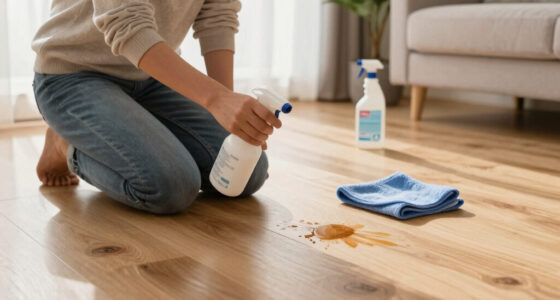
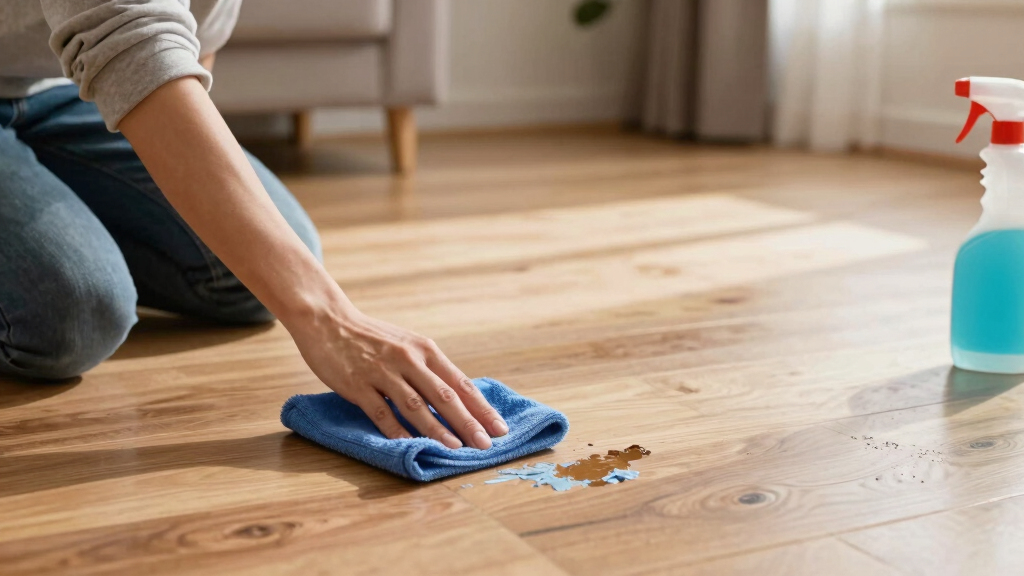
- If the paint is fresh, soak a cloth in warm water with a few drops of dish soap. Lay it on the paint for 10-15 minutes, then gently wipe or scrape.
- For dried water-based paint, try a mixture of warm water and mild detergent, then scrub lightly with a soft sponge.
- Oil-based paints need a stronger approach. Dampen a rag with a small amount of mineral spirits, apply it to the stain, and wait a few minutes. Test first to avoid floor damage.
- Finish by wiping the area with a clean, damp cloth to remove any residue. Dry thoroughly.
Patience, gentle touch, and testing are your best friends here. Rushing can cause scratches or stains. Remember, the goal is to lift the paint without harming the finish underneath. Using excessive force or harsh chemicals can weaken or strip your floor’s protective layer, leading to more costly repairs down the line. Taking your time and proceeding cautiously helps ensure you preserve the longevity and appearance of your flooring while effectively removing the paint.
plastic putty knife for paint removal
As an affiliate, we earn on qualifying purchases.
As an affiliate, we earn on qualifying purchases.
Compare Common Paint Removal Methods for Different Floors
| Method | Best For | Pros | Cons |
|---|---|---|---|
| Warm water & detergent | Water-based paint on tile, laminate | Gentle, safe, eco-friendly | Less effective on dried paint |
| Mineral spirits | Oil-based paint on sealed hardwood, tile | Effective for dried paint | Strong smell, can damage some finishes |
| Steam cleaning | Dried paint on tiles | Chemical-free, eco-friendly | Less effective on oil paints |
| Natural remedies (vinegar, baking soda) | Fresh paint spots, mild stains | Safe and inexpensive | Limited effectiveness on dried paint |
Choosing the right method depends on your floor type and paint condition. Always test first and follow product instructions. Keep in mind that some methods may require multiple attempts or combining techniques for stubborn stains. For example, natural remedies might work well on small, fresh spots but may need to be supplemented with mild solvents for dried or tough paint. The key is understanding the trade-offs—balancing safety with effectiveness—so you don’t inadvertently cause more damage while trying to remove the paint.
As an affiliate, we earn on qualifying purchases.
Common Mistakes to Avoid When Removing Paint From Floors
Using steel wool or abrasive scrubbers can scratch delicate surfaces like hardwood. Applying too much solvent or scrubbing too hard risks staining or damaging the finish.
Always remember: test first, use the gentlest effective method, and don’t rush. For stubborn paint, patience beats aggression every time.
Additionally, rushing the process or using overly aggressive tools can cause irreversible damage, such as gouges, dulling, or removal of the protective finish. This can lead to uneven surfaces, discoloration, or the need for costly refinishing. Avoiding these mistakes by understanding the limitations of your floor and the proper techniques ensures you preserve its integrity while effectively cleaning the paint.
Also, avoid mixing chemicals—some solvents can react dangerously. Stick to recommended products and procedures.
floor cleaning solvent for oil-based paint
As an affiliate, we earn on qualifying purchases.
As an affiliate, we earn on qualifying purchases.
Eco-Friendly and Safe Solutions That Really Work
Natural options like vinegar and baking soda can help on mild, fresh paint spills. Mix a cup of vinegar with warm water, soak a cloth, and gently wipe. Baking soda paste (baking soda + water) can lift small spots. But for dried, stubborn paint, stronger solutions are usually needed.
Understanding why these methods matter is essential. Vinegar and baking soda are not only safer for your floors and the environment but also reduce exposure to harmful chemicals. They work by loosening the paint’s adhesion or gently lifting it without harsh abrasives or fumes. This gentler approach minimizes the risk of damaging your floor’s finish, especially on delicate surfaces. However, their effectiveness diminishes with dried or heavily adhered paint, which is why recognizing their limitations is important. When natural remedies aren’t enough, using biodegradable, eco-friendly commercial paint removers can provide a safer alternative—these products are designed to balance effectiveness with environmental safety, reducing chemical exposure while tackling tough stains.
Steam cleaners are another eco-friendly tool—hot steam can loosen dried paint without chemicals, especially on tile or sealed surfaces.
Frequently Asked Questions
Can I use bleach to remove paint from my floor?
Bleach is too harsh and can damage many floor surfaces, especially wood and vinyl. It’s best to stick with milder solvents or natural remedies suited for your floor type.How long do I have to wait before removing dried paint?
The sooner you start, the easier it is. Fresh paint can often be wiped away with water or mild soap. Dried paint may require solvents and patience—sometimes hours or days after the spill.Is it safe to use mineral spirits indoors?
Mineral spirits are effective but emit fumes. Use them in well-ventilated areas, wear gloves, and avoid inhaling vapors. Always test on a small patch first to prevent floor damage.What’s the best way to prevent paint splatters on the floor?
Cover your floors with drop cloths or plastic sheeting before painting. Use painter’s tape to protect edges and keep spills contained, reducing cleanup later.Conclusion
Getting paint off a hard floor isn’t about brute force—it’s about smart, gentle action. With a little patience, the right tools, and eco-friendly options, you can restore your floor to its original beauty without risk.
Remember, taking your time and testing first can save you from costly repairs later. Your floors will thank you for it—and your home stays safe, clean, and looking sharp.
Fall Picks
fall essentials
As an affiliate, we earn on qualifying purchases.