TL;DR

Get cleaning gear delivered free — and shop member deals
- Fast, free delivery on millions of items
- Access to Prime Big Deal Days deals on October 6–7
- Prime Video, Amazon Music and more included
A Family Handyman report recommends checking 10 areas for insulation or air leaks before winter, beginning with the attic and roof. Contractors quoted in the report say sealing drafts and protecting exposed pipes can help limit heat loss and reduce the risk of frozen plumbing; the article provides no measured savings or guarantee of results.
A Family Handyman report has set out a 10-area checklist for homeowners preparing for winter, with attic and roof spaces its first priority. Contractors quoted in the article recommend checking insulation and sealing air leaks to limit heat loss, protect vulnerable pipes and help prevent heating systems from working harder than necessary.
The checklist covers attics and roof spaces, exterior walls, windows, doors, water pipes, basements and crawl spaces, along with garage walls and ceilings, HVAC ductwork, electrical outlets and small gaps where pipes or wires enter the home. The report says attic insulation can be fiberglass batt or blown-in material, while finished walls may be insulated with blown-in material without opening them up.
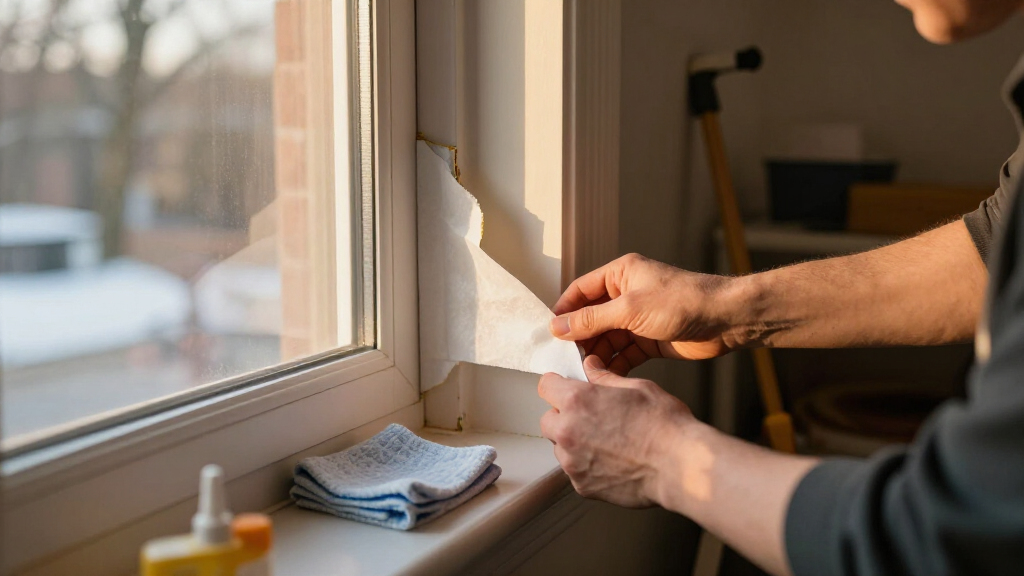
For windows and exterior doors, contractor Bob Cardwell recommends inspecting aging rubber seals and weatherstripping, and adding door sweeps where needed. He advises using foam sleeves on exposed pipes in somewhat protected areas; for pipes in locations that regularly fall below 32 degrees Fahrenheit, he recommends electric heat cables. The report also advises sealing duct joints with mastic or UL-listed foil tape, rather than ordinary duct tape.
At the basement, crawl space and foundation, Cardwell identifies the rim joist and gaps around pipes and wires as likely air-leak paths. He recommends closed-cell foam at rim joists in damp basements, and caulk or expanding foam for smaller openings, depending on their size. For garages attached to the house, the shared wall should be insulated; moisture-resistant materials may suit damp conditions. These are recommendations in the report, not a home-specific assessment.
Where Heat Escapes First
The checklist matters because insulation and air sealing address different routes for heat loss. Roofer Andre Kazimierski of HomeHero Roofing says sealing gaps can improve overall insulation, while insulation reduces heat transfer through building materials. The article says weak insulation can also leave heating equipment overworking and pipes exposed to freezing conditions.
The likely benefit depends on a home’s construction, existing insulation, air leaks, climate and heating system. The source provides no quantified energy savings, cost estimates or evidence that every listed upgrade is necessary in every house. Homeowners can use the list to prioritize an inspection, especially in areas exposed to outdoor air or unheated spaces.
A Fall Check Before Cold Weather
The report frames insulation as one part of winterizing a home. It distinguishes routine attic ventilation from drafts: ventilated attics need air circulation, but should be thermally separated from living areas by insulation at the attic floor, according to the article. If a ceiling feels drafty, gaps may need attention or the insulation may need an additional layer.
The article says fall is a useful time to inspect window and door seals. Cardwell says spring is the best time to add attic insulation because it avoids summer heat from the attic reaching the living area.
“Sealing gaps goes a very long way with improving overall insulation.”
— Andre Kazimierski, HomeHero Roofing
What Depends on Each Home
The report does not state how much insulation any particular home needs, what upgrades will cost, or how much energy a homeowner might save. It also does not provide a publication date in the supplied material. The right materials and repairs depend on the home’s construction and conditions; the checklist does not replace a professional inspection where one is needed.
The source does not explain the installation requirements or safety precautions for electric heat cables. Cardwell says spring is the best time to add attic insulation because it avoids summer heat from the attic reaching the living area.
Inspect Seals and Attic Insulation
Homeowners can start by checking attic insulation and looking for visible drafts around windows, exterior doors, the basement rim joist and exposed ductwork. The report recommends arranging a roofer’s inspection for an old or weathered roof and addressing leaks around its gaps. Before adding insulation or pipe protection, identify the specific area and choose materials suited to its moisture and temperature conditions.
The report provides a preparation checklist for inspecting vulnerable areas before sustained cold weather. Homeowners can seek qualified advice for work that requires specialist assessment.
Key Questions
Which area should homeowners check first?
The report puts the attic and roof spaces first because heat can escape through inadequate attic insulation. Kazimierski also recommends checking for roof gaps, particularly on an older or weathered roof.
Do all water pipes need insulation?
No. The article focuses on pipes near exterior walls and those running through unheated spaces such as attics, basements and crawl spaces. It also recommends insulating hot-water pipes to limit heat loss.
What can seal leaks in HVAC ducts?
Cardwell recommends mastic or UL-listed foil tape for duct joints and seams. He says ordinary duct tape is not suitable because it can dry out.
When does the report recommend adding attic insulation?
Its supplied text says Cardwell considers spring the best time to add attic insulation, while recommending fall as a time to inspect the home before winter. It gives no further explanation of the seasonal advice.
Source: rss
Fall Picks
fall essentials
As an affiliate, we earn on qualifying purchases.