
TL;DR

Get cleaning gear delivered free with Prime
- Fast, free delivery on millions of items
- Prime Video, Amazon Music and more included
- Member-only deals all year
A report by Ideal Home says retrofitting insulation can help homes retain heat, but the benefits and installation demands vary by property. Experts warn that older buildings need a suitable system and ventilation to avoid trapping moisture. Becky Lane says proper floor insulation can typically save 10–15%; the report does not provide general installation-cost or bill-saving figures.
Retrofitting insulation may help homes retain heat and reduce reliance on heating, but an Ideal Home report says the outcome depends on the property’s construction and the insulation method. Experts quoted in the report caution that poorly chosen insulation in an older home can contribute to damp problems, while installation disruption ranges from limited to substantial.
Becky Lane, chief executive of Furbnow, says owners of older properties should establish how their walls are built before choosing insulation. Many traditional buildings, particularly those dating from before the 1930s, were designed to let moisture pass through their walls. Making a home more airtight without adequate ventilation, she says, can trap moisture indoors.
Martyn Fowler, founder of Elite Renewables, similarly warns that a system suitable for a cavity-wall home may not work for a solid-wall building. He says older homes can have substantial scope for improvement because many began with little insulation, but stresses that the walls’ ability to dry out needs to be considered.
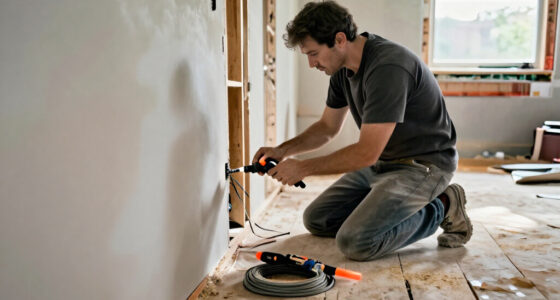
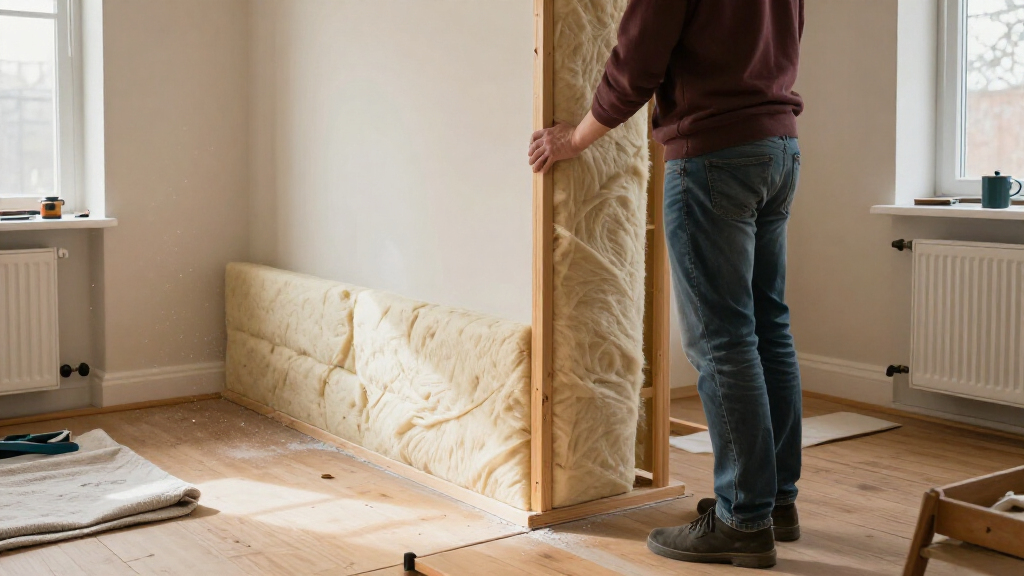
The report describes different levels of disruption. Loft insulation is usually relatively straightforward, while cavity-wall work can involve drilling small holes in exterior walls, filling the cavity and repairing the holes. Lane says this work typically takes two to four hours, with residents able to remain in the home. Internal wall insulation can require moving radiators, sockets, skirting boards and sometimes kitchen fittings, followed by wall finishing and redecoration. External insulation generally keeps work outside but may require scaffolding and adjustments around windows, downpipes and other fittings.
The Payoff Depends on the Property
Insulation can reduce heat escaping through a home’s walls, roof or floors, which may help rooms stay warmer and reduce the need for heating. That matters to households seeking to manage energy use, particularly in older homes that have little existing insulation. Becky Lane says proper floor insulation can typically save 10–15%; the report does not provide a general estimate for savings across insulation types or homes.
The practical and financial case also depends on the work required. Loft insulation may be simpler to install than internal or external wall systems, while a phased approach could spread disruption and expenditure. For older solid-wall homes, moisture management is a key part of the decision, not an optional afterthought. Choosing a system without assessing the building could create problems that outweigh expected benefits.
Products Worth Considering

eufy Security SoloCam E42 4-Camera Kit, 4K Solar Security System

Sonos Arc Ultra Soundbar with Dolby Atmos, Black

Dyson V8 Cyclone Cordless Vacuum
As an affiliate, we earn on qualifying purchases.
Different Walls, Different Methods
The report focuses on retrofit work in existing homes, rather than insulation installed during new construction. It distinguishes between cavity-wall properties, where insulation can be injected into a gap between wall layers, and solid-wall properties, which need insulation added to the inside or outside. Fowler says the construction and condition of the building should guide that choice.
Suitability checks matter even for work often described as straightforward. Fowler says cavity walls should be checked for their condition, exposure to driving rain and whether the cavity is clear. The report discusses floor insulation as well: suspended timber floors may be approached from below if there is room, while solid concrete floors may need to be lifted and rebuilt.
“You can’t just put any insulation material on any wall.”
— Becky Lane, chief executive of Furbnow
Savings and Suitability Remain Unknown
The source report does not provide project prices or general heating-bill reductions or payback timelines, so it cannot establish how much a household might save overall or how quickly costs could be recovered. Lane says proper floor insulation can typically save 10–15%, but the report does not provide comparable figures for other insulation types.
It is also not possible to judge a specific home’s suitability from the general advice alone. Wall construction, existing condition, moisture exposure, ventilation and access all affect the work. The report discusses suspended timber and solid concrete floors, but does not set out a standard assessment process or installation requirements for every property.
Assess the Home Before Work
For a household considering insulation, the next step is to identify the home’s construction and have the relevant areas checked before choosing a system. The advice in the report points to checks on wall condition, cavity clearance, exposure to rain and ventilation, especially for older properties. Homeowners can then compare the likely disruption of loft, cavity, internal or external work and decide whether to carry out improvements in stages.
No follow-up date or policy announcement is provided in the source material. The key decision remains property-specific: whether a suitable retrofit can improve heat retention without creating moisture problems, and whether the expected benefit justifies the cost and disruption.
Key Questions
Can retrofitting insulation make a home warmer?
It can help a home retain heat by reducing heat loss through areas such as the roof and walls. The report does not quantify the temperature change or guarantee a particular result for any property.
Will insulation definitely lower heating bills?
The report says insulation may reduce reliance on heating, but it gives no general bill-saving estimates or payback figures. Lane says proper floor insulation can typically save 10–15%; results depend on the property, the work carried out and household energy use.
Is insulation safe for an older house?
It can be appropriate, but experts quoted by Ideal Home say owners should first understand the building’s wall construction and moisture behaviour. Ventilation and the ability of walls to dry are particular concerns in older homes.
Which insulation work causes the least disruption?
The report describes loft insulation as relatively straightforward and cavity-wall installation as potentially quick, subject to suitability checks. Internal wall insulation usually involves more work inside rooms, while external insulation may need scaffolding.
What should homeowners check before insulating cavity walls?
Fowler says to check the condition of the walls, exposure to driving rain and whether the cavity is clear. The report also stresses choosing insulation suited to the building and maintaining adequate ventilation.
Source: idealhome.co.uk