TL;DR

Get cleaning gear delivered free with Prime
- Fast, free delivery on millions of items
- Prime Video, Amazon Music and more included
- Member-only deals all year
Homemade cleaning wipes can rival store-bought versions when formulated properly. Use effective disinfectants, durable materials, and proper storage to get real cleaning power that’s safe for your home and the environment.
Use a 70% alcohol solution for proven disinfectant power that kills 99.9% of germs.
Choose durable, absorbent fabrics like microfiber or cotton for reusable wipes.
Store soaked wipes in airtight containers to keep them moist and effective.
Tailor your solutions to specific surfaces to prevent damage and maximize cleaning.
Homemade wipes can match store-bought effectiveness when formulated with proper disinfectants and contact time.
Choose the Perfect Material for Your Wipes
Effective cleaning starts with the right fabric. Microfiber and cotton are top choices because they’re durable and absorbent. For reusable wipes, pick a fabric that can handle frequent washing without fraying or losing its grip.
If you prefer disposable options, select biodegradable non-woven fabrics. These break down faster in landfills and are gentler on the environment. For example, a sturdy microfiber cloth can be cut into strips, ready to soak up your homemade solution.
In one scenario, a homeowner used old cotton T-shirts cut into squares, turning waste into a cleaning powerhouse. These cloths soaked up vinegar and essential oils, tackling kitchen grease with ease.
As an affiliate, we earn on qualifying purchases.
Pick the Right Solution to Power Up Your Wipes
Choosing the right solution is the secret sauce. A good disinfectant, like 70% isopropyl alcohol, kills germs effectively when used properly. For natural options, vinegar combined with essential oils like tea tree or lemon offers antimicrobial benefits.
Here’s a quick guide:
- 70% Isopropyl Alcohol — kills 99.9% of bacteria and viruses.
- Vinegar + Essential Oils — good for general cleaning, but less effective against certain pathogens.
- Diluted Bleach — use with caution, always dilute properly and never mix with acids.
For example, a person mixes 1 cup of distilled water with 1/2 cup of alcohol and a few drops of tea tree oil. This solution leaves surfaces shining and germ-free without harsh chemical fumes.
As an affiliate, we earn on qualifying purchases.
How to Make Your Own Effective Cleaning Wipes in 3 Easy Steps
- Prepare your solution: Mix alcohol or vinegar-based disinfectant with water and optional oils.
- Soak your fabric: Dip the cloth or wipe material into the solution until thoroughly saturated.
- Store properly: Place the soaked wipes in an airtight container to keep them moist and ready for use.
For example, a DIYer used an old glass jar, poured in her solution, and stacked the cloths inside. Every swipe on her bathroom sink felt fresh and germ-free, thanks to her homemade wipes.
biodegradable cleaning wipes fabric
As an affiliate, we earn on qualifying purchases.
As an affiliate, we earn on qualifying purchases.
Compare Store-Bought vs. Homemade Wipes — What’s the Real Difference?
| Feature | Store-Bought Wipes | Homemade Wipes |
|---|---|---|
| Cost | Higher per wipe, especially if used daily | Lower, ingredients are cheap or already in your pantry |
| Eco-Friendliness | Often contain plastics, single-use | Reusable, biodegradable options available |
| Disinfectant Power | Consistent, EPA-registered options | Depends on your formula, can match effectiveness with proper ingredients |
| Customizability | Limited | High — choose scents, ingredients, strength |
In one case, a family switched to homemade wipes, saving hundreds of dollars annually and reducing plastic waste. Their surfaces stayed just as clean, with a formula tailored to their needs.
70% isopropyl alcohol disinfectant
As an affiliate, we earn on qualifying purchases.
As an affiliate, we earn on qualifying purchases.
Ensure Your Wipes Actually Disinfect — What You Need to Know
Homemade doesn’t mean less effective if you use the right ingredients. To disinfect, your solution must contain at least 70% alcohol or be EPA-registered. Contact time matters — leave the wipe on the surface for at least 30 seconds for bacteria and viruses to die.
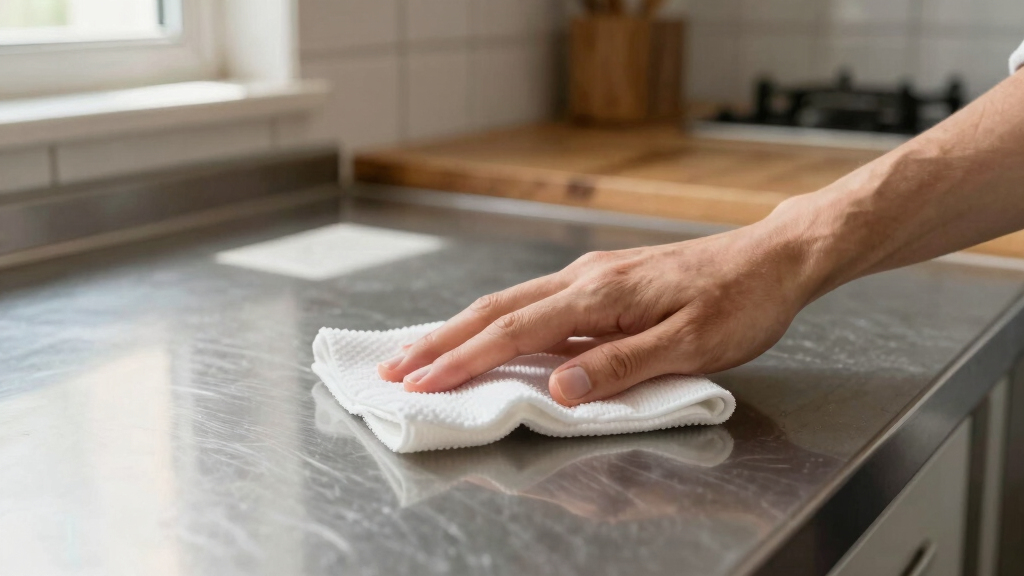
For example, a quick wipe with alcohol and a 30-second wait can eliminate common germs on kitchen counters. Always test on a small, hidden area first to avoid damage, especially with vinegar or citrus oils on delicate surfaces.
Remember: cleaning removes dirt, but disinfecting kills germs. Both steps are key for a truly clean home.
Keep Your Wipes Fresh and Safe — Storage Tips
Proper storage keeps your homemade wipes moist, effective, and safe from bacteria. Use airtight containers like glass jars or sealed plastic boxes. Label your wipes clearly with ingredients and date made.
In practice, a busy mom keeps her solution in a sealed jar in the bathroom cabinet. Every morning, she pulls out a fresh wipe to clean counters and handles, feeling confident it’s safe and germ-free.
Don’t forget to wash reusable cloth wipes weekly in hot water with natural detergent. This keeps them hygienic and smelling fresh.
Adjust Your Formula for Different Surfaces
Different surfaces need different care. Glass and mirrors love vinegar and water, while wood needs mild solutions to prevent damage. For kitchen counters, a disinfectant with alcohol is best. For delicate electronics, use minimal moisture and gentle cleaners.
For example, a homeowner uses a vinegar solution for her glass table and a diluted alcohol mix for her kitchen countertops. Tailoring your solution extends the life of your surfaces and keeps them sparkling.
Frequently Asked Questions
Are homemade cleaning wipes as effective as store-bought ones?
Yes, if you use the right ingredients like 70% alcohol or EPA-registered disinfectants and follow proper contact times. When formulated properly, homemade wipes can kill germs just as well.What ingredients are safe for making cleaning wipes at home?
Common safe ingredients include distilled water, vinegar, rubbing alcohol (70%), essential oils like tea tree or lemon, and mild dish soap. Always test on surfaces first to avoid damage.How do I ensure my homemade wipes are disinfectant?
Use solutions with at least 70% alcohol or EPA-registered disinfectants. Make sure the wipes stay wet long enough — at least 30 seconds of contact time — to kill germs effectively.Can I make reusable wipes without special equipment?
Absolutely. Just cut durable fabrics like microfiber or cotton into strips, soak them in your chosen disinfectant solution, and store in an airtight container. Regular washing keeps them clean and effective.How long do homemade wipes last?
Reusable wipes stored in airtight containers can last several weeks if kept dry and clean. Disposable wipes should be used within a few days for maximum freshness and safety.Conclusion
Making your own cleaning wipes isn’t just doable — it’s empowering. With a few simple ingredients and smart storage, you can keep your home spotless, safe, and eco-friendly. Next time you reach for a wipe, remember: you have the power to make one that actually works — and feels good doing it.Halloween Picks
halloween
As an affiliate, we earn on qualifying purchases.