TL;DR

Get cleaning gear delivered free with Prime
- Fast, free delivery on millions of items
- Prime Video, Amazon Music and more included
- Member-only deals all year
Store homemade cleaners in clearly labeled, compatible containers with tight closures, in a cool, dry place away from food, children, and pets. Make small batches, follow recipe-specific storage guidance, and never mix cleaners, especially bleach with vinegar, ammonia, acids, or other products. Homemade ingredients can still irritate people, harm pets, damage surfaces, or spoil.
A clear liquid in a reused drink bottle can look harmless right up until someone mistakes it for water. Homemade cleaners may use familiar ingredients, but a familiar smell or a handwritten “cleaner” label cannot tell you what is inside or what it could do.
Safe storage starts with four simple choices: identify the contents, use a compatible container, keep it locked away from children and pets, and make only a batch you can use promptly. Those habits help prevent accidental swallowing, skin or eye exposure, and damage to household surfaces.
This guide shows you how to label and store mixtures, where to keep them, what to do about sprays and older batches, and how to handle disposal or an exposure. You’ll also see why “natural” does not mean risk-free, and why a small bottle under the sink deserves the same care as any other cleaning product.
Label each container with its contents, ingredients, date made, and relevant warnings before storing it.
Use a compatible, tightly closed cleaning container; never store a cleaner in a food or drink bottle.
Keep mixtures locked away from children and pets, separate from food and medicines, and away from heat and direct sunlight.
Make small batches and follow recipe-specific guidance because homemade cleaners do not share one universal shelf life.
Never mix cleaners, and check both ingredient hazards and surface care directions before each use.
Store Homemade Cleaners Safely at Home
Clear labels, compatible containers, and secure storage help prevent mix-ups, exposure, and damage. Homemade does not mean risk-free.
Label before filling
Make the contents clear to everyone who might use or encounter the bottle.
Write the contents and every ingredient—not just “cleaner.”
Include when it was made and relevant warnings, such as “Do not mix.”
Use a secure closure and return it to its designated storage place.
Choose a suitable container
The container should suit the ingredients and close securely.
- A compatible cleaning bottle
- A tight, leak-resistant closure
- A readable label that stays attached
- Drink bottles and food packaging
- Containers with unknown residue
- Cracked, loose, or leaking bottles
Put it in a secure place
Keep mixtures away from people, pets, and items they could be mistaken for.
Lock it away
A high, locked cabinet is preferable. Child-resistant packaging does not replace secure storage.
Prevent access
Keep bottles and ingredients out of reach, and wipe spills promptly.
Separate supplies
Store cleaners away from food, dishes, medicines, and food-preparation surfaces.
Keep mixtures stable and separate
Follow the specific recipe’s storage guidance; homemade cleaners do not share one reliable shelf life.
Check before each use
Small batches and a quick inspection help limit avoidable exposure and damage.
- Make only what you can use promptly.
- Follow ingredient and surface-care guidance; “natural” does not guarantee safety.
- For sprays, label the bottle, point it away from faces, and consider exposure to droplets.
- If a mixture changes unexpectedly, avoid handling it unnecessarily and follow local disposal guidance.
- For swallowing or contact with eyes or skin, follow product or ingredient instructions and contact local poison-control or emergency services.
Label every bottle so nobody has to guess
A safe homemade-cleaner label names the contents and ingredients, gives the date you made it, and flags any specific hazard or use limit. “Cleaner” alone is too vague: it cannot tell you whether a bottle holds vinegar solution, a soap mixture, or something that should stay away from another product. Clear information helps you use the right mixture and helps someone else respond if there is a spill or exposure.
Write the label before you fill the bottle, while the recipe and ingredients are still in front of you. Include the mixture’s name, every ingredient, the date prepared, and concise warnings such as “Do not mix” or “Keep away from children and pets,” when they apply. Do not copy a food or drink label onto the bottle, and never leave a cleaning mixture in packaging that could be mistaken for something edible.
For example, if you mix a small amount of dish soap and water for a quick wipe-down, mark the bottle “soap and water,” list those ingredients, and date it. A family member returning home to find a clear bottle on the counter should not have to sniff it or guess. Labels reduce mix-ups; they also keep the recipe attached to the mixture if you forget what you made two weeks later.
Use handwriting that stays readable when the bottle gets damp, and replace a label if it peels or smears. If you pour a mixture into a different compatible container, transfer the label details right away. A strip of tape can work for a short-lived batch, but it should remain legible and firmly attached. Make “label before filling” part of your routine, like putting the cap back on after each use.
Products Worth Considering

Samsung 48 4K OLED Smart TV (2026) with WireLogic 8ft Ultra High Speed HDMI Cable

Dyson Ball Animal 3 Upright Vacuum
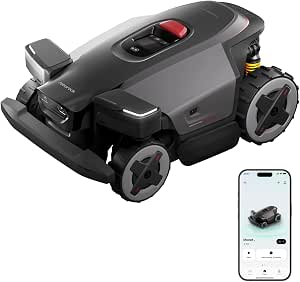
Roborock RockMow X130H Wire-Free 4WD Robot Lawn Mower
As an affiliate, we earn on qualifying purchases.
Choose a container that fits the ingredients
Store a homemade cleaner only in a container that is compatible with its ingredients, closes securely, and will not be mistaken for food or drink. The container is part of the safety system: a poor fit can leak, degrade, or leave an old product residue behind. Use a suitable cleaning bottle, and follow the recipe or container maker’s guidance about materials and storage.
Never use beverage bottles, juice jugs, food jars, or other packaging that might invite a swallow. Even a careful label cannot remove the risk of someone seeing a familiar bottle and taking a quick drink. A plain, clearly marked bottle reserved for cleaning is easier to recognize in a crowded laundry shelf than a reused soda bottle with a small strip of tape.
Old cleaner containers need extra care. Residue from the previous product can react with a new mixture, and washing an old bottle does not automatically make it suitable. Unless the label or manufacturer says the bottle can be reused and safely cleaned, choose a fresh, compatible container. This matters especially when you do not know exactly what the old product contained.
Check the closure before you store the bottle. A cap should fit tightly, and a spray trigger should not leak when the bottle is upright or moved. If you see a crack, a loose neck, a sticky seam, or a drip under the bottle, stop using it and handle the contents according to their ingredients and local disposal advice. A leak-resistant container keeps the mixture contained and prevents a slippery patch on a pantry shelf or bathroom floor.
Store cleaners where children, pets, and food cannot reach them
Keep homemade cleaners in a designated, secure place away from food, dishes, medicines, and food-preparation surfaces. A high cabinet with a lock is a strong choice; a child-resistant cap helps, but it does not replace storage that is both out of reach and secured. Pets can nose open low cupboards or lick a spill, so think about a curious cat or dog as well as a young child.
A busy kitchen can make storage decisions tricky because it has cabinets, counters, and cleaning supplies close together. Choose a locked cabinet that is separate from pantry goods and cookware, rather than sliding a spray bottle beside the dish soap or under a counter where a toddler can reach it. If your home has no lockable cabinet, use a high shelf with a secure door or a locked storage box kept away from food.
Separate storage prevents mistaken use. Imagine a bottle of clear vinegar mixture sitting next to a bottle of drinking water during meal prep. Someone reaching quickly may grab the wrong one, even if you know which is which. Keep cleaners in a dedicated cleaning-supply area, and return them there as soon as you finish a task.
Also place ingredients themselves out of reach. A bottle of essential oil or a container of powdered ingredients can pose a risk before you mix anything. Wipe drips promptly, keep the cabinet closed, and check that bottles stand upright. For a guest or babysitter who does not know your setup, a locked, separate cupboard is a plain visual cue: this shelf is for cleaning products, not snacks or drinks.
Keep mixtures cool, dry, and separate from other cleaners
Store homemade cleaners in a cool, dry place away from direct sunlight, heaters, moisture, food, and other products they should not contact. Heat and light can affect some ingredients or containers, while moisture can damage labels and closures. Most of all, keep ingredients and finished mixtures separate so nobody combines them casually.
Never mix bleach with vinegar, ammonia, acids, or other cleaners. These combinations can release hazardous gases. Familiar pantry ingredients do not become safe to combine just because they are common at home. Keep bleach and other products in their original labeled containers, and follow each product’s instructions; do not pour them into a homemade mixture unless the specific guidance calls for it.
Think of a cleaning cabinet like a busy kitchen counter: items that sit close together can end up combined in a hurry. If you use vinegar for one task and a bleach product for another, store them separately and use them at different times according to their labels, with the area ventilated as directed. Do not pour one into a bottle that still holds traces of the other.
For a real-world example, a bottle left on a sunny windowsill may warm up, fade its label, and make it harder to identify. A shelf away from a radiator and sink splash is a better home. Follow storage directions for the exact recipe and ingredients, since there is no one temperature or storage rule that suits every mixture. If you cannot identify a product or its ingredients, do not experiment by mixing it with anything else.
Make small batches and treat sprays with care
Make only as much cleaner as you expect to use promptly, and follow the recipe’s specific storage guidance. Water-based mixtures without preservatives may spoil or become contaminated during storage, so do not assume a homemade cleaner stays safe indefinitely. Its usable life depends on the ingredients, their concentrations, how much water the mixture contains, the container, and the conditions where you store it.
There is no universal shelf life for homemade cleaners. Adding vinegar or essential oil does not automatically preserve a water-based mixture or make it suitable for long-term storage. If a recipe gives a storage period, follow it; if it does not, prepare a small quantity and avoid keeping leftovers for an unknown length of time.
Spray bottles need the same caution as any other container, plus care around the mist. Use a compatible bottle with a secure trigger, label it clearly, and point it away from faces when you spray. Avoid spraying near children, pets, food, or dishes, and consider whether people or animals could breathe irritating droplets in a small room. For example, wipe a bathroom vanity with a cloth dampened from a labeled mixture rather than creating a cloud in a tight space.
Look at an older mixture before you use it. An unusual smell, color, texture, pressure, or visible growth can signal a change. Do not open or handle a suspect container more than necessary, and do not try to rescue it by adding another ingredient. Check local disposal instructions and the ingredient guidance for the safest next step. If the bottle is bulging, leaking, or under pressure, keep people and pets away and seek local hazardous-waste advice.
Use cleaner only on surfaces the ingredients can handle
Before using a homemade cleaner, check that its ingredients suit the surface or fabric you plan to clean. A mixture can be safe to store and still dull a finish, discolor a textile, or leave a mark. “Gentle” and “natural” are not guarantees of surface compatibility, so follow the surface maker’s care directions and test in a hidden spot when appropriate.
For instance, a vinegar mixture that seems mild on a glass jar may be unsuitable for some stone finishes or other sensitive materials. A soap mixture can leave residue on a floor if you use too much, making it feel tacky under bare feet. A homemade spray that works for a kitchen counter may not belong on an upholstered chair or a sealed wood table.
Check both the ingredient and the surface. Read any product or recipe guidance, and consult the surface manufacturer’s care instructions when you are uncertain. Test a small, inconspicuous area and let it dry before treating a larger patch. If the finish changes, feels rough, or loses its shine, stop and follow the manufacturer’s cleaning advice.
This also affects how you store the mixture. A clear label should identify its intended use if you made it for a particular task, such as “soap solution for washable floor.” That reminder can prevent you from reaching for it on a delicate surface months later. Keep the ingredient list with the bottle, and discard leftovers according to local guidance when the recipe’s use instructions are unclear. Your best cleaner is one that cleans the intended surface without leaving a new problem behind.
Follow these steps when you prepare and put away a batch
Use the same short routine each time you make a homemade cleaner: check the recipe, prepare a small amount, label it, close it, and return it to secure storage. A repeatable routine works like putting ingredients back after cooking; it keeps a busy counter from turning into a row of mystery bottles. Follow the exact recipe guidance and keep every ingredient separate until the instructions call for combining them.
- Read the recipe and ingredient warnings. Confirm the ingredients, intended use, surface limits, and any storage directions before mixing.
- Choose a compatible container. Use a cleaning container with a tight, leak-resistant closure; never use food or drink packaging.
- Make a small batch. Avoid storing more than you expect to use promptly, especially for water-based mixtures.
- Label it before you put it away. Include contents, ingredients, date made, and relevant warnings.
- Store it securely. Place it in a cool, dry, designated area away from food, children, pets, and other cleaners.
- Check before each use. Look for a damaged closure, a changed appearance or odor, and confirm the surface is suitable.
Say you are preparing a small soap-and-water mixture after lunch to wipe kitchen cabinets. Before the bottle leaves the counter, label it, tighten the trigger, and place it in the locked cleaning cupboard rather than beside the sink. If your recipe has no storage guidance, make only enough for the job and do not invent an expiration date.
Use a routine, not memory. A date and ingredient list help you distinguish a fresh batch from a bottle that has sat through a season of warm, damp weather. If the label is missing, unreadable, or incomplete, do not guess what the mixture contains. Check ingredient-specific advice and local disposal rules, then prepare a fresh, clearly identified batch if needed.
Know what to do after a spill, exposure, or storage mistake
If a cleaner spills or reaches someone’s eyes, skin, or mouth, keep children and pets away and follow the safety directions for its ingredients. The right response depends on what the mixture contains, how much was involved, and how exposure happened. For ingestion, breathing difficulty, or serious eye or skin exposure, contact local poison-control or emergency services promptly.
Do not induce vomiting unless a medical professional tells you to. Do not add another cleaner to a spill, since mixing products can create a new hazard. If you know the mixture’s contents, keep the label or recipe available when seeking advice. If you do not know what is in the bottle, say so rather than trying to identify it by smell or taste.
For example, if a spray bottle leaks onto a bathroom floor, move people and pets away, avoid stepping through the liquid, and use the ingredient-specific instructions to decide how to clean it. If fumes, irritation, or breathing trouble occur, leave the area and contact emergency help. Do not pour unknown liquid down the drain or combine it with another waste container simply to clear the mess quickly.
For an old or unidentified mixture, disposal depends on the ingredients and local rules. Check your local household hazardous-waste guidance when the contents or disposal method are uncertain. When you prepare a new bottle, keep emergency contact information and ingredient details accessible. The label is not just a reminder for routine use; it can also give a responder a faster, clearer account of what happened.
Frequently Asked Questions
Can I store homemade cleaner in a spray bottle?
Yes, if the bottle is compatible with the mixture, closes securely, and has a clear label. Keep it locked away from children and pets, and point the spray away from faces when you use it.
How long does homemade cleaner last?
It depends on the ingredients, concentration, water content, container, and storage conditions. Water-based mixtures without preservatives should not be assumed to last indefinitely; make small batches and follow recipe-specific storage advice.
Can I reuse an old cleaner bottle?
Reuse it only if its label or manufacturer says the container is suitable for the new mixture and it can be safely cleaned. Residue from the previous cleaner may react with a new mixture, so use a fresh compatible bottle when you are unsure.
Can I mix vinegar with bleach or ammonia?
No. Never mix bleach with vinegar, ammonia, acids, or other cleaners because hazardous gases can result. Keep ingredients separate and follow each product’s instructions.
Are homemade cleaners safe around pets?
Not automatically. Store mixtures and ingredients securely, clean spills promptly, and check ingredient-specific risks; some ingredients, including certain essential oils, can be hazardous to animals.
How should I dispose of an old homemade cleaner?
Disposal depends on the ingredients and local rules. Do not combine it with other cleaners, and check local household hazardous-waste guidance when you cannot identify the contents or disposal method.
Conclusion
Store every homemade cleaner as if another person may need to identify it without you there. Label it clearly, close it securely, keep it locked away, and make only what you can use promptly. Familiar ingredients still deserve careful handling, and a tidy cabinet is safer when food, cleaners, and curious hands never meet.
Before your next cleaning session, check the label on every bottle you made. If you cannot tell what is inside, do not guess—get ingredient-specific disposal advice and start again with a clearly marked batch. A few legible words can keep a bright kitchen, a clean bathroom, and the people and pets who live there safer.