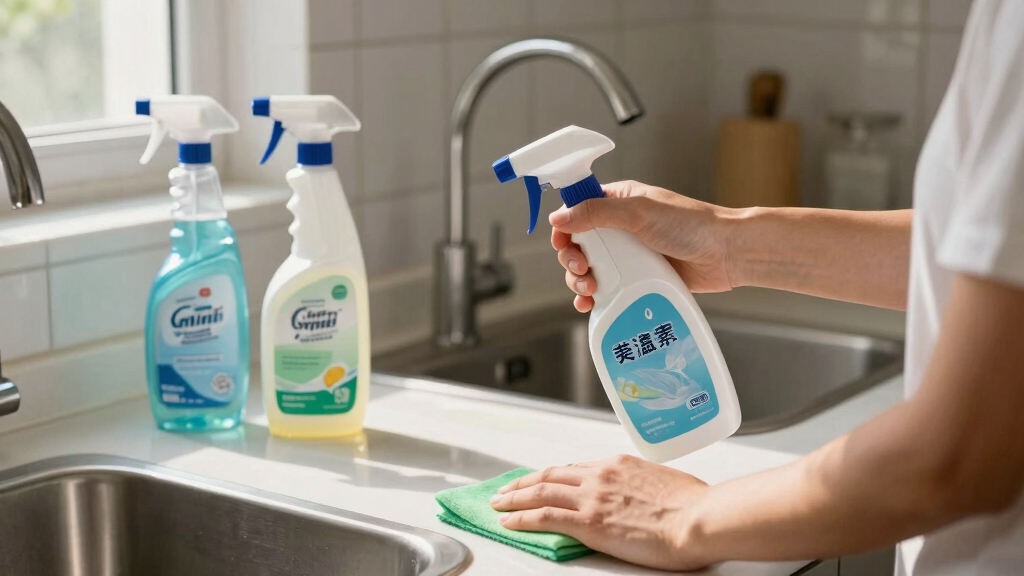
TL;DR

Get cleaning gear delivered free with Prime
- Fast, free delivery on millions of items
- Prime Video, Amazon Music and more included
- Member-only deals all year
Most household cleaning products should never be mixed. Combining chemicals like bleach with ammonia, vinegar, or alcohol can release toxic gases, cause respiratory issues, or even trigger fires. Always read labels and store products separately to stay safe.
Imagine splashing a little vinegar to cut through grease, then reaching for bleach to whiten the sink. That harmless instinct could turn dangerous in seconds.
Many household cleaners contain chemicals that, when combined, produce hazardous reactions. Knowing what not to mix isn’t just about avoiding a nasty smell; it’s about protecting your lungs, your skin, and your home.
Never mix bleach with ammonia, vinegar, or alcohol—these produce toxic gases that can cause serious health issues.
Always read product labels carefully—most household cleaners are designed to be used alone, not combined.
Store chemicals separately and clearly label them to prevent accidental dangerous mixes.
Ventilate your space well during cleaning to disperse any fumes and reduce inhalation risks.
Stay updated on safety guidelines and use multi-purpose, compatible cleaners to minimize hazards.
Why Mixing Certain Cleaners Is a Dangerous Game
Some cleaning products are like oil and water—they just don’t mix well. When combined, they can produce toxic gases, cause burns, or even start fires. Take bleach and ammonia, for example. When these two meet, they form chloramine vapors, which can cause coughing, chest pain, or worse.
In a real-world mishap, a homeowner once mixed bleach with a bathroom cleaner containing ammonia. The result? A cloud of toxic fumes that filled the house, sending everyone to the ER. This isn’t rare—these reactions happen often enough that safety experts warn against it at every turn.
Understanding why these reactions are so dangerous is crucial. The chemicals involved react rapidly, releasing gases that can irritate or damage your respiratory system, sometimes leading to long-term health issues. These reactions can also produce heat or pressure, increasing the risk of explosions or chemical burns. The implications are serious: accidental exposure can cause immediate health crises and chronic conditions, especially with repeated incidents. Recognizing these dangers helps you prioritize safety and avoid costly mistakes.
household cleaning chemical safety kit
As an affiliate, we earn on qualifying purchases.
As an affiliate, we earn on qualifying purchases.
The Top 4 Household Chemical Combos You Must Never Try
| Product 1 | Product 2 | Danger |
|---|---|---|
| Bleach | Ammonia | Produces chloramine vapors, which can cause severe respiratory issues, eye irritation, and chest pain. In high concentrations, it can lead to pulmonary edema, a life-threatening condition. |
| Bleach | Vinegar | Creates chlorine gas, a highly toxic substance that irritates or burns the respiratory tract, eyes, and skin. Inhalation can cause coughing, difficulty breathing, and even long-term lung damage if exposure is prolonged or intense. |
| Bleach | Rubbing Alcohol (Isopropyl) | Produces chloroform and hydrochloric acid—both hazardous compounds. Chloroform can depress the central nervous system, leading to dizziness or unconsciousness, while hydrochloric acid can cause severe burns upon contact. |
| Different Drain Cleaners | Mixed together | Can cause violent reactions, releasing toxic gases and heat. These reactions can lead to explosions or chemical burns, posing serious risks to anyone nearby. |
As an affiliate, we earn on qualifying purchases.
How to Keep Your Cleaning Routine Safe and Smart
- Read labels carefully. Never assume products are compatible just because they’re all cleaning supplies.
- Store chemicals separately in labeled containers, away from children and pets.
- Ventilate rooms well whenever you’re cleaning—open windows, turn on fans.
- If you’re unsure, look up the product or call the manufacturer for guidance.
- When in doubt, stick to simple, single-product cleaning routines. Less is more.
As an affiliate, we earn on qualifying purchases.
What Recent Changes Are Making Cleaning Safer
Health agencies and safety organizations have stepped up efforts to educate the public on chemical dangers. Campaigns now highlight the risks of mixing, especially via social media and community outreach.
Meanwhile, manufacturers are designing multi-purpose cleaners that do the job without needing to mix anything at home. These safer formulations reduce accidental hazardous reactions and make cleaning less risky.
Research from safety agencies shows that better labeling, clearer instructions, and consumer education have cut down on dangerous mixing incidents by nearly 30% in recent years.
As an affiliate, we earn on qualifying purchases.
A Quick Look at Why These Reactions Are So Dangerous
Mixing bleach with acids like vinegar releases chlorine gas. That’s the stuff that causes coughing, throat burns, and in high levels, can suffocate you.
Similarly, bleach combined with ammonia produces chloramine vapors, leading to chest pain and lung irritation. These reactions are not just unpleasant—they can cause immediate health crises, especially in poorly ventilated spaces or with repeated exposure. The danger lies in how rapidly these gases can accumulate, overwhelming your respiratory defenses and causing long-term damage. Recognizing the science behind these reactions helps you understand why even small mistakes can have serious consequences, emphasizing the importance of caution and proper handling of cleaning chemicals.
Research from health studies confirms that inhaling these fumes can cause long-term damage, especially with repeated exposure.
Real Questions? We’ve Got Answers
- What cleaning products are safe to mix? Most household products should not be mixed unless the label states it’s safe. When in doubt, use one product at a time, and always follow manufacturer instructions to prevent dangerous reactions.
- What if I accidentally mix chemicals? Ventilate immediately, leave the room, and seek medical help if symptoms like coughing or eye irritation persist. Do not try to neutralize the chemicals yourself, as this could worsen the situation.
- Are natural solutions safer? Not always. Vinegar and baking soda are safe individually but can cause issues if mixed improperly—like producing gas or other unintended reactions. Always research before combining, and be aware of what gases or reactions might occur.
- How can I prevent accidental mixing? Store chemicals separately, label everything clearly, and educate everyone in your home about the hazards. Regularly check for expired or unlabeled products that could pose risks.
- Any safe-to-mix products? Some multi-purpose cleaners are formulated for compatibility—check labels or manufacturer’s instructions to ensure safe use.
Conclusion
Mixing cleaning products isn’t just a bad habit—it’s a recipe for disaster. Your best move? Use each product as directed, keep them apart, and stay informed. A safe home starts with smart choices.
Next time you reach for a cleaner, think about the chemistry behind it. Your lungs, your family, and your home will thank you for it.
Halloween Picks
halloween
As an affiliate, we earn on qualifying purchases.