
TL;DR

Get cleaning gear delivered free with Prime
- Fast, free delivery on millions of items
- Prime Video, Amazon Music and more included
- Member-only deals all year
This article provides a detailed overview of article furniture, covering its history, design features, and relevance in contemporary interior design. It explains what makes it unique and why it matters today.
Article furniture has gained increasing attention in the interior design world, but what exactly defines it remains a topic of discussion. This article provides a detailed overview of its history, design principles, and current relevance, offering readers a thorough understanding of why article furniture is shaping modern interiors.
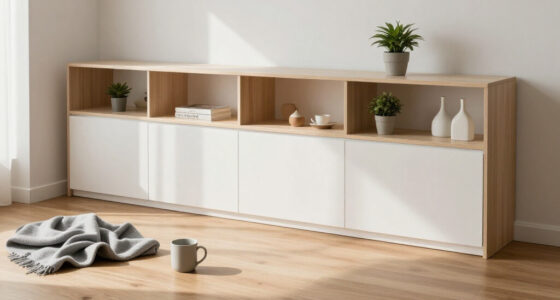
Article furniture refers to a style characterized by clean lines, functional design, and often a minimalist aesthetic. Its origins trace back to early 20th-century modernist movements, notably the Bauhaus and Scandinavian design principles, emphasizing simplicity and utility. Today, the term encompasses a wide range of furniture pieces that adhere to these core principles, often featuring natural materials like wood, metal, and glass.
Recent years have seen a resurgence in popularity, driven by a global shift toward minimalism and sustainable design. Many contemporary brands emphasize craftsmanship, durability, and eco-friendly materials, aligning with consumer preferences for long-lasting and ethically produced furniture. Major retailers and boutique designers alike are incorporating article furniture into their collections, signaling its mainstream acceptance.
While the term ‘article furniture’ is sometimes used interchangeably with ‘modernist furniture,’ experts clarify that it is more of a design philosophy that prioritizes function and form over ornamentation. This approach appeals to a broad demographic, from young urban dwellers to established homeowners seeking timeless pieces.
Why Article Furniture Is Reshaping Interior Design Trends
The rise of article furniture reflects a broader cultural shift toward simplicity, sustainability, and functionality in home decor. Its emphasis on clean lines and natural materials aligns with environmental concerns and the desire for spaces that are both stylish and practical. For consumers, investing in article furniture often means choosing pieces that are versatile, durable, and easy to maintain, making it a practical choice for modern living.
Designers and manufacturers note that this style fosters a sense of calm and order in interior spaces, which is increasingly important in a world marked by constant connectivity and information overload. As a result, article furniture is not only a design trend but also a reflection of evolving lifestyle values, emphasizing quality over quantity and timeless appeal over fleeting fashion.
Furthermore, the movement toward sustainable and ethically produced furniture supports local artisans and reduces environmental impact, amplifying its significance beyond aesthetics. This growing awareness among consumers is likely to sustain the popularity of article furniture in the coming years.
modern minimalist article furniture
As an affiliate, we earn on qualifying purchases.
As an affiliate, we earn on qualifying purchases.
Historical Roots and Modern Adoption of Article Furniture
The concept of article furniture has roots in early 20th-century modernist movements, particularly the Bauhaus school in Germany and Scandinavian design from the mid-1900s. These styles championed simplicity, functionality, and the use of natural materials, setting the foundation for what we now call article furniture.
Over the decades, this design philosophy experienced ebbs and flows, with periods of popularity and decline. The late 20th century saw a revival of minimalist aesthetics, influenced by global economic shifts and a renewed interest in sustainability. Today, technological advances in manufacturing and increased consumer awareness have propelled article furniture back into mainstream markets.
Major furniture brands and boutique artisans are now producing pieces that adhere to these principles, often combining traditional craftsmanship with modern techniques. The rise of online shopping and social media has also accelerated its dissemination, making article furniture accessible to a broader audience.
eco-friendly Scandinavian style furniture
As an affiliate, we earn on qualifying purchases.
As an affiliate, we earn on qualifying purchases.
Current Debates and Future Trends in Article Furniture
It is still unclear how rapidly the definition of article furniture will evolve as new materials and technologies emerge. Additionally, some critics question whether the minimalist aesthetic will remain dominant amid changing consumer tastes and economic conditions. The extent to which sustainable practices will become standard across the industry also remains uncertain.As an affiliate, we earn on qualifying purchases.
Upcoming Developments and Industry Directions
Experts anticipate continued growth in the popularity of article furniture, driven by increased consumer demand for sustainable and versatile pieces. Manufacturers are exploring innovative materials, such as recycled composites and bio-based plastics, to enhance eco-friendliness. Additionally, integration with smart home technology may influence future designs, blending traditional minimalism with digital connectivity.
Designers and brands are expected to focus more on customization options and modular furniture, allowing consumers to adapt pieces to their specific needs. As awareness of environmental issues deepens, industry standards and certifications around sustainability are likely to become more rigorous.
Overall, the trajectory suggests that article furniture will remain a central element in modern interior design, evolving alongside technological and cultural shifts.
sustainable contemporary furniture
As an affiliate, we earn on qualifying purchases.
As an affiliate, we earn on qualifying purchases.
Key Questions
What exactly defines article furniture?
Article furniture is characterized by its emphasis on simplicity, functionality, and natural materials. It typically features clean lines, minimal ornamentation, and versatile designs that suit modern interiors.
Is article furniture only a modern trend?
While it has roots in early 20th-century modernist movements, its principles have persisted and evolved, making it a timeless style that remains relevant today.
What materials are commonly used in article furniture?
Natural materials like wood, metal, glass, and sustainable composites are prevalent, aligning with eco-friendly and durable design ideals.
Can article furniture fit into traditional interior styles?
Yes, its versatile and neutral aesthetic allows it to complement a variety of styles, from minimalist to eclectic, making it adaptable for many homes.
What is the future outlook for article furniture?
Expect continued growth driven by sustainability, technological integration, and consumer desire for long-lasting, adaptable pieces. Innovations in materials and design will shape its evolution.
Source: rss
Halloween Picks
halloween
As an affiliate, we earn on qualifying purchases.