TL;DR

Get cleaning gear delivered free with Prime
- Fast, free delivery on millions of items
- Prime Video, Amazon Music and more included
- Member-only deals all year
Keeping a house clean with kids is about establishing routines, age-appropriate chores, and decluttering. Consistency and involving children make cleaning manageable and even fun. Safe products and smart organization are key.
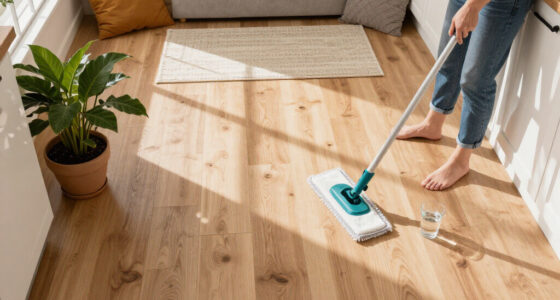
Imagine walking into your home after a busy day, toys scattered, laundry piled, and crumbs on the countertop. Sound familiar? The good news is, a clean house with kids isn’t just a dream. It’s about smart routines, teamwork, and simple habits that turn chaos into order. You’ll learn how to make cleaning feel natural for everyone in your family — even on the busiest days.
This guide breaks down practical steps you can take today. From age-appropriate chores to decluttering tricks, you’ll discover how to keep your home livable and even enjoyable to tidying up. It’s not about perfection; it’s about making clean happen without losing your mind.
Establish simple routines that your kids can follow daily to prevent mess buildup.
Assign age-appropriate chores to involve children and share the cleaning load.
Regular decluttering reduces chaos and makes cleaning quicker.
Create a visual cleaning schedule to stay organized and consistent.
Use safe, eco-friendly cleaning products to protect your family’s health.
Start With Easy Routines Your Kids Can Actually Follow
The first step to keeping a house clean is setting up routines that your kids can stick to. Think simple — a 5-minute tidy-up before dinner or a quick 10-minute laundry check every morning. Kids thrive on predictability, and routines turn cleaning into a habit, not a chore. For example, every afternoon, children can put away their toys before screen time.
Use visual cues like charts or timers to keep everyone on track. When routines become part of daily life, messes stay manageable instead of spiraling out of control. Plus, routines teach kids responsibility and independence — skills they’ll carry into adulthood.
As an affiliate, we earn on qualifying purchases.
Assign Chores That Match Your Child’s Age — Here’s How
Getting kids involved means choosing chores that fit their age and ability. It’s a myth that chores should wait until they’re teenagers. Start small: toddlers can help pick up toys, preschoolers can make their beds, and school-age children can vacuum or load the dishwasher.
Matching chores to your child’s developmental stage is crucial because it influences how motivated and successful they feel. Assigning tasks that are too difficult can lead to frustration and resistance, while chores that are too simple may not teach responsibility effectively. When chores are appropriate, children develop a sense of competence and pride, which encourages ongoing participation. Over time, this builds a natural rhythm of contribution that lightens your load and fosters independence.
eco-friendly cleaning products for families
As an affiliate, we earn on qualifying purchases.
As an affiliate, we earn on qualifying purchases.
How Decluttering Makes Cleaning Faster and Easier
Clutter is more than just an eyesore; it actively hampers your ability to clean efficiently. When toys, clothes, or papers pile up, cleaning becomes a tedious and time-consuming task because you’re constantly moving items out of the way. Regular decluttering is a strategic approach that reduces this chaos, making daily cleaning quicker and less stressful. It’s essentially a proactive step to maintain order, allowing you to focus on actual cleaning rather than just managing clutter.
Think of decluttering as a home detox. When you donate outgrown clothes or broken toys, you’re not just clearing space—you’re also teaching your kids the value of mindfulness and responsible consumption. The tradeoff is that decluttering requires time and effort upfront, but the long-term payoff is a home where tidying up is faster, easier, and less overwhelming. This process also encourages children to develop decision-making skills and respect for their belongings, fostering habits that support ongoing organization.
As an affiliate, we earn on qualifying purchases.
Create a Cleaning Schedule That Keeps You Sane
Sticking to a cleaning schedule is more than just a time management tool; it’s a way to prevent small messes from becoming unmanageable. When chores are spread out over the week, they become less daunting and more achievable—reducing the temptation to procrastinate or feel overwhelmed. Using visual charts or digital apps helps the whole family see what needs to be done, when, and by whom, creating accountability and routine. For example, assigning specific days for vacuuming or bathroom cleaning ensures these tasks don’t pile up, making deep cleaning less of a chore and more of a manageable routine.
Breaking chores into daily, weekly, and monthly responsibilities allows you to focus on what’s most urgent while maintaining overall cleanliness. This approach also fosters teamwork and shared responsibility, as children learn to see cleaning as a regular part of family life rather than an occasional burden. The tradeoff is that sticking to a schedule requires discipline, but the payoff is a more organized, calm environment where everyone knows their role.
As an affiliate, we earn on qualifying purchases.
Turn Cleaning Into a Game Your Kids Will Love
Kids are naturally motivated by fun, so turning chores into a game transforms cleaning from a dreaded task into an enjoyable activity. When you set timers or create challenges—like racing to see who can pick up the most toys—you tap into their competitive spirit and make the process engaging. Incorporating rewards, such as stickers or extra playtime, reinforces positive behavior and makes kids look forward to helping out.
Creating a game also fosters family bonding and teaches kids that cleaning can be a shared activity that’s rewarding and even entertaining. The key is to keep it light-hearted and inclusive, so children associate chores with positive feelings. This approach helps instill a sense of responsibility early on and sets the stage for lifelong habits of tidiness and teamwork, all while reducing the mental load on parents.
Designate Specific Spaces for Everything
Having designated storage areas for toys, clothes, and school supplies simplifies tidying and encourages kids to develop organizational skills. When everything has a specific home—such as labeled baskets or bins—kids learn to put things away immediately after use, reducing clutter and frustration. This habit not only makes cleaning quicker but also helps children understand the importance of order and responsibility.
However, the real benefit lies in the long-term: consistent organization teaches kids to respect their belongings and develop independence. It also minimizes the time spent searching for misplaced items, which can turn into a source of daily stress. The tradeoff is that initial setup requires effort and ongoing maintenance, but the result is a home where messes are contained and manageable, fostering a calmer environment for everyone.
Adopt a ‘Clean as You Go’ Mindset for Busy Days
Embracing a ‘clean as you go’ approach is essential for managing daily chaos. When everyone tidies up after activities—wiping the table after snacks, putting away craft supplies, or tidying toys—small messes never accumulate into overwhelming chores. This habit ingrains responsibility and helps children see cleaning as an integral part of their routine, rather than an afterthought.
The implication is that your home remains livable and organized despite the busy pace of family life. It also teaches children valuable life skills—like mindful consumption and self-discipline—that serve them well beyond childhood. The tradeoff is that this requires consistent effort, but the benefit is a smoother daily flow and a home that feels calmer and more controlled.
Use Eco-Friendly, Safe Cleaning Products — Because Kids Come First
Choosing non-toxic, eco-friendly cleaners isn’t just about protecting your family’s health—it’s about creating a safer environment where children can play and learn without exposure to harmful chemicals. Many conventional cleaning products contain harsh substances, fragrances, and dyes that can cause allergies or irritations, especially for sensitive little ones. By opting for natural alternatives like vinegar, baking soda, and lemon, you reduce chemical exposure while still achieving effective cleaning.
Reading labels carefully and understanding ingredient lists is crucial because some products may claim to be ‘green’ but still contain questionable substances. Prioritizing safe, eco-friendly options ensures your home remains a healthy sanctuary and models responsible choices for your children. The tradeoff might be that some natural products require a bit more elbow grease, but the long-term health benefits outweigh the extra effort.
Keep Clutter at Bay With Regular Mini-Decluttering Sessions
Implementing quick, weekly decluttering sessions is more than just tidying up—it’s a strategic way to prevent clutter from becoming unmanageable. When you dedicate 10-15 minutes to sorting out toys, clothes, or papers, you’re actively maintaining a sense of order that reduces daily chaos. Involving your kids in these sessions can turn decluttering into a fun challenge, encouraging them to identify items to donate or discard, which fosters responsibility and decision-making skills.
Using storage bins for quick sorting keeps things organized and accessible. The long-term benefit is a home that feels more spacious and calm, with less time spent searching for misplaced items. The tradeoff is that regular commitment is required, but the payoff is a consistently tidy environment that supports your family’s well-being and reduces stress.
Tackle High-Traffic Areas With Fast, Daily Touch-Ups
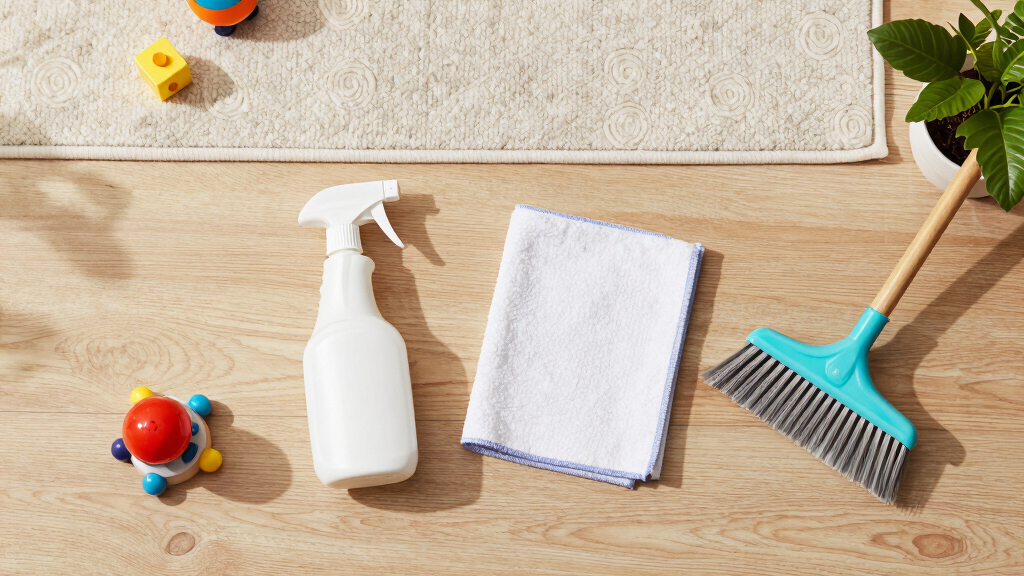
High-traffic areas like the entryway, kitchen, and living room tend to accumulate mess quickly, which can make your entire home feel cluttered and chaotic. Daily quick touch-ups—wiping down counters, tidying shoes, and sweeping crumbs—serve as a maintenance strategy that keeps these zones under control. Keeping cleaning supplies nearby makes it easier to do these quick fixes without disrupting your flow.
Encouraging kids to wipe their spots or put away belongings as they go not only fosters responsibility but also prevents messes from multiplying. This daily discipline reduces the need for intensive cleaning sessions and helps maintain a sense of order, which is vital for mental clarity and a welcoming home environment. The tradeoff is that it requires consistent effort, but in return, you gain a home that feels organized and less stressful to manage.
Frequently Asked Questions
How do I get my kids to help with cleaning without constant nagging?
Make chores fun with games, rewards, and praise. Demonstrate good habits yourself — kids mimic what they see. Use timers or challenges to turn cleaning into a positive activity, not a chore to dread.
What are some age-appropriate chores for different children?
For toddlers: picking up toys, putting clothes in hampers. Preschoolers: making beds, watering plants. Older kids: vacuuming, laundry, washing dishes. Match chores to their ability to keep them engaged and responsible.
How can I keep my house clean with a busy schedule?
Break tasks into small, manageable chunks. Use a visual schedule or app. Involve everyone, prioritize daily maintenance, and keep cleaning tools handy for quick touch-ups. Consistency beats sporadic deep cleaning every time.
What are the safest cleaning products for homes with kids?
Opt for eco-friendly, non-toxic options. Vinegar, baking soda, and lemon are natural cleaners that work well and are safe for children. Always read labels and avoid products with harsh chemicals or fragrances.
How do I prevent clutter from piling up?
Declutter weekly, use labeled storage bins, and teach kids to put things away immediately. Regular routines help keep clutter under control and your home feeling peaceful and organized.
Conclusion
Keeping a house clean with kids is less about perfection and more about consistency. By setting routines, involving your children, and staying organized, you turn cleaning into a team effort. Soon, your home will feel calmer and more under control — even during the busiest days.
Remember, a tidy house isn’t just about appearance; it’s about creating a space where your family can thrive. So, grab a basket, put on some music, and make cleaning part of your family’s story.
Halloween Picks
halloween
As an affiliate, we earn on qualifying purchases.