TL;DR

Get cleaning gear delivered free with Prime
- Fast, free delivery on millions of items
- Prime Video, Amazon Music and more included
- Member-only deals all year
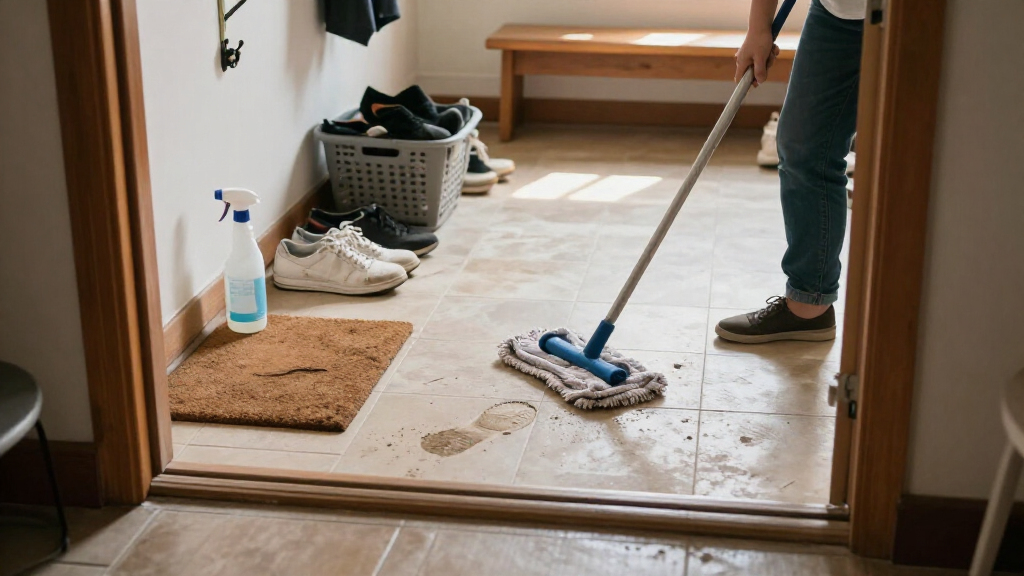
To keep entryways and hallways clean, stop grit at the door with an outdoor scraper mat and an indoor absorbent mat, make shoe storage easy, and clear clutter from walking paths. Sweep or vacuum before damp-mopping with a floor-safe cleaner, then adjust spot cleaning and mat care to your traffic, pets, and weather.
A teaspoon of gritty sand can turn a clean hallway floor into a scratchy track from the front door to the kitchen. The simplest fix starts before you reach for a mop: catch dirt at the threshold, give shoes and bags a place to land, and clean the walkway before grit travels farther.
This guide shows you how to set up an entryway that works on rainy school mornings and muddy dog walks, then gives you a floor-safe routine for hallways, stairs, and the often-missed edges. You’ll see how to keep a clean entryway with less effort, even when the weather or household traffic changes.
Use an outdoor scraper mat and an indoor absorbent mat, and let washed mats dry fully before replacing them.
Put shoe storage and everyday hooks where people naturally stop, then clear the walkway each day.
Sweep or vacuum grit before damp-cleaning, and follow the flooring maker’s guidance, especially for wood and laminate.
Spot-clean muddy paws, wet footprints, and salt residue promptly with a method suited to the floor.
Do a daily reset, a weekly floor and touchpoint clean, and a monthly or seasonal mat and storage check.
THE HOUSEHOLD FIELD GUIDE · ENTRY / HALL
How to Keep Entryways and Hallways Clean
Stop grit at the threshold, give everyday things an easy home, and clean walkways from dry debris to damp marks. A small routine keeps dirt from traveling through the house.
01 / THE PRINCIPLE
A clean hall starts before the mop
A teaspoon of gritty sand can turn a clean hallway into a scratchy track from the front door to the kitchen. Catching debris at the entrance and keeping the walking path clear makes every later clean easier.
The most effective routine has three parts: catch debris at the door, clear clutter from the walkway, and clean floors and touchpoints regularly.
02 / BUILD THE LANDING ZONE
Make the tidy choice the easy choice
Layer the mats
Place a durable scraper mat outside and an absorbent one inside. Size them for the natural doorway path, and check that the door clears and edges lie flat.
Park shoes by the door
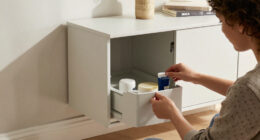
A rack, boot tray, or bench gives footwear a clear home. Keep it within easy reach, empty standing water, and limit the area to shoes in use.
Give daily items a place
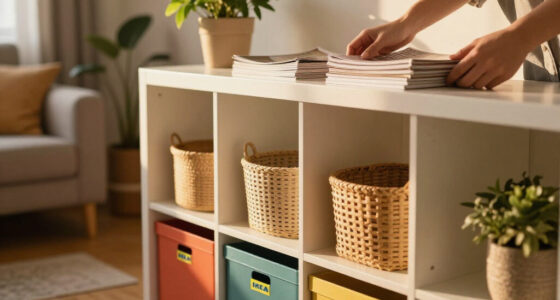
Use reachable hooks for coats and bags, a dish for keys, and a basket for hats. Vertical storage can free floor space in a small entry.
03 / KEEP IT MOVING
Three rhythms, one clear walkway
Adjust the cadence for traffic, pets, weather, and visible dirt. A quick response to a spill or muddy paw can prevent a larger cleanup later.
Put away shoes and bags, shake off visible debris, wipe spills, and clear the path around doors and stairs.
Sweep or vacuum, clean the floor, wipe handles and switches, and check the entry mat and shoe tray.
Wash mats by their care labels, dust higher fixtures, and review whether storage still suits the season.
04 / THE FIVE-MINUTE RESET
Clear the path in five small moves
A short reset prevents coats, bags, mail, and shoes from becoming obstacles. Keep the system simple enough to use while carrying groceries or a backpack.
Pair shoes on the rack or tray; move extras away.
Use reachable hooks and keep bulky bags off the floor.
Drop keys in one dish; move mail to its next stop.
Pick up parcels, toys, and objects near stairs or doors.
Brush away grit or blot wet marks before they spread.
05 / DRY FIRST, THEN DAMP
Clean floors without grinding grit around
Loose debris can act like sandpaper under shoes or a mop. Remove it first, then damp-clean with a method and product approved for the floor material.
Sequence for the task, not a measurement: pick up loose grit before using moisture. Follow the flooring maker’s guidance, especially for wood and laminate.
06 / THE OVERLOOKED DETAILS
Finish the edges and adapt to the day
07 / QUICK ANSWERS
Good routines answer real-life questions
How often should I clean the hall?
Spot-clean as needed, then sweep or vacuum and clean floors about weekly. Increase the frequency for heavy traffic, pets, or bad weather.
When should entry mats be washed?
Shake or vacuum frequently and wash when visibly soiled, following the care label. Let mats dry completely before replacing them.
How do I keep a small entry uncluttered?
Try vertical hooks, a narrow rack, baskets, or a storage bench. Keep everyday essentials nearby and move seasonal gear elsewhere.
What about mud, salt, or wet footprints?
Remove loose dirt, blot or wipe the area, then use a floor-safe cleaner and the flooring maker’s recommended method.
Catch dirt at the door with two well-placed mats
To keep entryways and hallways clean, put a durable scraper mat outside the door and an absorbent mat just inside it. The outdoor mat loosens grit from shoe treads; the indoor mat catches moisture and the finer particles that remain. This two-step setup matters because once grit reaches the hall, every footstep can carry it farther and grind it against the floor. Mats reduce that spread, though they work only when people have enough room to step on them.
Choose mats that cover the natural path through the doorway rather than a narrow strip people can easily miss. Think about how you enter: someone carrying groceries may step around a small mat, while a wider one can catch both feet. A second indoor mat can help if the route turns immediately after the door. The tradeoff is space: a larger mat catches more debris but can crowd a narrow landing or interfere with a door, so check that the door clears it and the edges lie flat.
Shake or vacuum mats often, and wash them when they look or smell dirty, following their care labels. A loaded mat can stop trapping grit effectively and may release it back onto the floor with each step. A damp mat folded against the door can also hold moisture against the flooring. Let washed mats dry fully before replacing them, and check for curled corners that could catch a toe.
In a small apartment, a washable indoor mat may be the only practical option. Add a small brush nearby and sweep the landing regularly. The goal is not to prevent every speck from entering; it is to create a convenient first stop for dirt and remove what gets past it before foot traffic spreads it.
Products Worth Considering

Dyson W1 PencilWash Cordless Wet and Dry Floor Cleaner with Dock

Levoit Vital 100S-P Air Purifier with Washable Pre-Filter

Bose SoundLink Plus Portable Bluetooth Speaker, Wireless Outdoor Speaker, Up to 20 Hours Battery Life, Waterproof and Dustproof, Black
As an affiliate, we earn on qualifying purchases.
Make shoe storage so easy that everyone uses it
A shoe rack, boot tray, or bench near the entrance gives outdoor footwear an obvious home. That simple choice cuts down muddy footprints and scattered shoes that can turn a narrow walkway into an obstacle course. Location matters as much as the storage itself: if people have to cross the hall to reach it, they may leave shoes where they first stop. Put it within easy reach of the door, where there is enough room to remove footwear without blocking someone else’s path.
Keep the setup sized for everyday use. A narrow rack may suit two adults, while a family with children might need low hooks or a basket each so little boots don’t pile up by the door. If you have guests often, leave room for a few extra pairs. More capacity can make the routine easier, but an oversized rack may take over a small entry, so prioritize the shoes used that week and store the rest elsewhere. A bench can make shoe changes easier, but keep bags and parcels off the seat if people need it to sit down.
A shoe tray protects the floor from wet soles by containing water and mud, but it needs attention of its own. Standing water can keep shoes wet and leave grime behind when it dries. Empty loose mud and water before they form a crust, then wipe the tray with a cleaner suited to its material. After a rainy walk, remove muddy shoes, blot wet marks on the floor, and rinse or wipe the tray instead of letting a puddle sit overnight. A tray is useful only if it is easy to empty and dry.
Keep only current-season shoes by the door. Moving sandals, snow boots, or rarely used pairs to another closet makes the entry less crowded and leaves a safe path clear. The best storage system is one you can use with a free hand while carrying a backpack or grocery bag; a convenient routine is more likely to stick than a perfect-looking setup that takes extra effort.
Clear the walkway with a five-minute daily reset
A five-minute reset keeps coats, bags, mail, and keys from taking over the entryway and hallway. Give each everyday item a defined home: hooks for coats, a tray for keys, a basket for hats, and a mail spot that you empty regularly. This helps because clutter does more than make a space look untidy: items on the floor can obstruct a quick exit, catch feet, and make sweeping harder. When the routine is simple, you can put things away as you come through instead of facing a weekend pileup.
- Put shoes on the rack or tray. Pair them if that helps, and move extra shoes out of the doorway.
- Hang coats and bags. Use reachable hooks for children and keep bulky bags off the floor.
- Sort keys and mail. Put keys in one dish and move mail to a place where you’ll handle it.
- Clear the walking path. Pick up parcels, toys, and anything near a door or stair.
- Remove visible grit or spills. Use a small brush or cloth before the mess gets tracked farther inside.
For example, if your hallway narrows beside the stairs, a pile of shoes can block the route and catch toes in a hurry. A slim rack or a few wall hooks can free up floor space without requiring a full room makeover. Keep the path clear enough for people to pass safely while carrying a laundry basket or shopping bags. If storage makes the walkway tighter, move it elsewhere; the aim is to make daily movement easier, not simply to hide belongings.
Small spaces benefit from vertical storage, but don’t overload hooks until bags scrape the wall or fall down. Rotate seasonal gear elsewhere and keep the entrance focused on what you use that week. A few accessible homes for everyday items reduce the chance that they land on the floor, while limiting what stays near the door keeps those homes usable. Your entryway should help you leave and return, not make every trip a search for keys.
Clean hallway floors from dry grit to damp marks
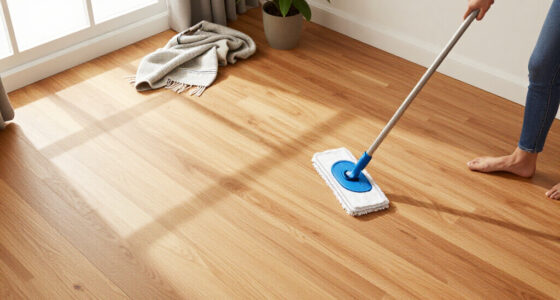
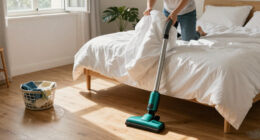
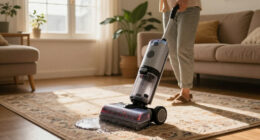
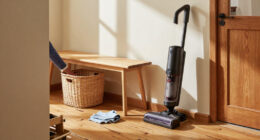
Clean hallway floors in two passes: first remove loose grit with a broom or vacuum, then damp-clean the surface with a product approved for that flooring. Dry debris can act like sandpaper under shoes or a mop, so sweeping first helps avoid dragging it across the floor and adding fine scratches over time. It also means the damp pass can focus on marks rather than pushing grit into corners. Use the floor maker’s care instructions when you’re unsure what cleaner or method is safe.
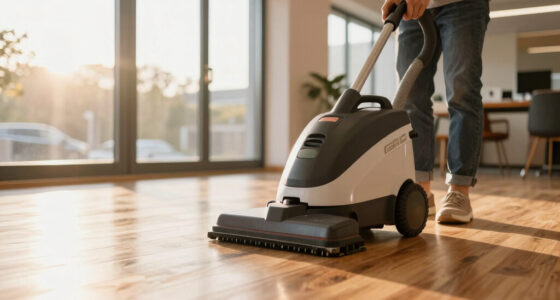
Start at the far end of the hall and work toward the door, or toward a spot where you can step off without walking over the cleaned area. A vacuum attachment helps along baseboards and in corners; a soft brush or suitable floor head may work better on delicate surfaces. If a muddy footprint has dried, loosen and lift the debris first rather than scrubbing it with a wet cloth. Scrubbing can spread the mud and put unnecessary pressure on the finish.
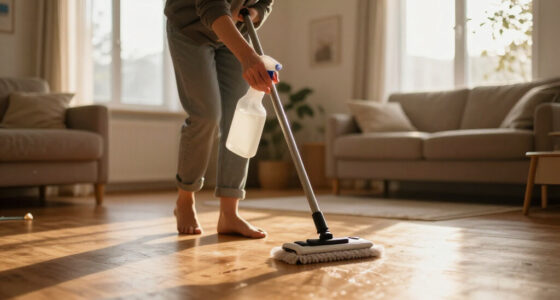
Use only the moisture your floor can handle. Wood and laminate can be damaged by standing water or an overly wet mop, so wring the mop well and wipe spills promptly. Tile may tolerate more moisture, but grout can hold dirt, and abrasive tools can scratch some finishes. The tradeoff is between removing residue and protecting the surface: more water or stronger scrubbing is not automatically more effective. A glossy patch or dull streak after cleaning may mean the product or method doesn’t suit the surface.
Salt residue from winter boots can leave pale, gritty lines near the door. Remove loose particles, then follow your flooring manufacturer’s recommended method for the residue. Avoid mixing cleaning products or adding extra chemicals to chase a mark. A careful dry pass, a lightly damp cloth, and patient drying often make a better start than soaking the floor, especially where excess moisture could damage the finish.
Reach the dusty edges, stairs, and high-touch spots
Dust gathers where a quick floor pass often misses it: along baseboards, behind the door, in corners, on stair edges, and around vents or light fixtures. These areas can make a hallway look dusty soon after the center of the floor is clean, and accumulated hair and grit may get kicked back into the walkway. Add them to a rotating weekly or monthly clean so the work stays manageable rather than waiting until every edge needs attention at once. A vacuum crevice tool or handheld vacuum can reach stair edges without pushing debris into the corners.
Wipe handrails, door handles, and light switches periodically with a cloth and a cleaner suitable for the surface. These touchpoints collect smudges from damp hands and fingerprints, especially when people come in carrying bags. Cleaning them as part of the routine helps the entrance feel fresh even when the floor does not need a full wash. For example, after a weekend of visitors, a quick wipe of the front-door handle and stair rail can make the whole entry feel fresher without spending time cleaning an already tidy floor.
Pay attention to rugs on stairs and at thresholds. Secure loose edges and keep steps free of shoes, toys, or parcels; a clear staircase is easier to use safely. Rugs can catch dirt, but a shifting or curled edge can create a trip hazard, so check that they stay put after cleaning. If a rug shifts, follow its maker’s guidance for keeping it in place and check it again once the floor is dry.
Higher surfaces need less frequent attention than the floor, but they still collect dust. Use an appropriate duster for door frames and fixtures, and avoid stretching from a chair or over a stairwell. If a light fixture requires electrical work or needs to be opened, switch off power at the appropriate circuit and use a licensed professional when the job involves wiring or uncertain electrical safety.
Adjust the routine for pets, children, and bad weather
Your cleaning rhythm should match how much dirt enters the home. A household with a dog that runs through a muddy garden may need daily paw wiping and a quick floor spot-clean, while a quiet apartment with little outdoor traffic may need only a weekly sweep. The point is to respond to what is actually coming in: cleaning too rarely lets mess spread, while cleaning every surface on a rigid schedule can waste effort. Look at the entry each evening; visible grit, damp footprints, or a full shoe tray are practical signs that it needs attention.
Keep a towel or pet-safe wiping supplies near the door if you have animals, and wipe paws before they cross the mat. That small pause keeps mud and moisture near the threshold, where cleanup is easier. After a rainy walk, blot wet paw prints rather than rubbing mud into the floor. With children, a low hook, a small boot tray, and a reachable basket make it easier for them to put things away without dropping everything beside the door. Accessible storage asks for less help from adults and makes the routine more likely to happen consistently.
Wet or snowy weather calls for a place to set umbrellas and damp footwear where water won’t pool on wood or laminate. An easy-to-clean tray can catch drips; empty it as needed and dry the area beneath it. If salt or grit comes inside, follow the flooring maker’s cleaning guidance instead of trying an unfamiliar solvent or a rough scrubber. More aggressive methods may remove a mark quickly but can also harm a finish, so start with the gentlest approved approach and reassess once it dries.
Products and surfaces vary, so follow cleaner labels and ventilate when the product instructions call for it. Never mix household cleaners, and keep products away from children and pets. A simple towel, a brush, and a floor-safe cleaner are often enough for ordinary messes. A larger supply of products adds storage and decision-making without necessarily improving the result; match the method to the mess and the floor.
Use a daily, weekly, and seasonal schedule you can keep
A useful schedule pairs tiny daily resets with a fuller weekly floor clean and a monthly or seasonal check. This spreads the work out, so a windy day doesn’t leave you facing a gritty hall and overflowing shoe tray all at once. It also separates urgent messes, such as a wet spill, from tasks that can wait, such as dusting a door frame. Adjust the timing to foot traffic, pets, weather, and what you can see rather than treating the calendar as a rule.
- Daily or as needed: Put away shoes and bags, clear the walking path, shake out obvious debris, and wipe spills or muddy prints.
- Weekly: Sweep or vacuum, clean the floor with an appropriate method, wipe handles and switches, and check the entry mat and shoe tray.
- Monthly or seasonally: Wash mats according to their care labels, dust fixtures and door frames, and move out gear you no longer need by the door.
Say you come home to find fine leaves and grit after a breezy day. A quick shake of the mat and a brush over the entry may take a minute, while leaving it until the weekly clean lets shoes carry the debris along the hall. The targeted reset prevents a small mess from spreading, but there is no need to turn every minor speck into a full floor clean. Match the response to the amount and type of dirt.
If the weekly schedule slips, return to the basics: clear the path, remove dry grit, and address visible spills. You don’t need a perfect calendar. A routine works when it fits the way you enter your home and can flex with busy weeks, changing weather, and the amount of traffic you actually have.
Frequently Asked Questions
How often should I clean my entryway and hallway?
Spot-clean spills and visible dirt as they happen, then sweep or vacuum and clean the floors about once a week. You may need more frequent upkeep if you have pets, children, heavy foot traffic, or wet and snowy weather.
What is the best way to keep dirt from being tracked inside?
Use a scraper mat outside and an absorbent mat inside, encourage shoe removal, and shake or vacuum the mats regularly. A small brush by the door also helps you lift grit before it travels down the hall.
Can I mop every hallway floor the same way?
No. Check the flooring manufacturer’s care instructions before choosing a cleaner or mop, since wood and laminate need very little moisture and some finishes can scratch easily. Sweep or vacuum first so you don’t drag grit across the surface.
How should I clean mud, salt, or wet footprints?
Remove loose dirt first, then blot or wipe the affected area with a method suited to your floor. For salt residue, follow the flooring maker’s recommended cleaning method; avoid soaking wood or laminate or scrubbing delicate finishes with an abrasive tool.
How can I keep a small entryway from getting cluttered?
Use vertical hooks, a narrow shoe rack, or a small basket for everyday essentials, and move seasonal items elsewhere. Keep storage close to where you take off your shoes so the system is easy to use when you arrive with full hands.
How often should I wash entry mats?
Shake or vacuum mats frequently, and wash them when they look or smell dirty, following the care label. Let each mat dry fully before putting it back so it doesn’t leave moisture trapped underneath.
Conclusion
Start with the doorway: put down mats that fit the way you walk, give shoes a simple landing place, and clear the path before you turn to the floor. Then sweep or vacuum grit before using a floor-safe damp-cleaning method. That small sequence helps keep dirt from spreading through the house and makes routine cleaning feel manageable.
Tonight, take five minutes to shake out the mat, put the shoes away, and clear the hall. A clean entry begins with one clear step across the threshold.