TL;DR

Get cleaning gear delivered free with Prime
- Fast, free delivery on millions of items
- Prime Video, Amazon Music and more included
- Member-only deals all year
Most homes look clean but forget about hidden and high-touch spots that quietly gather dust, microbes, and grime. Regularly cleaning these overlooked areas can prevent future problems and promote a healthier home environment.
High-touch surfaces like door handles and remotes need weekly disinfecting to prevent germ spread.
Hidden appliances and bathroom corners can hide mold, grime, and mineral deposits that harm performance and health.
Regular cleaning of vents, ceiling fans, and air filters significantly improves indoor air quality.
Cleaning and disinfecting are distinct; disinfect after illness or contamination for safety.
Developing a simple, rotating schedule helps keep overlooked tasks manageable and consistent.
The Cleaning Tasks You’re Probably Forgetting
Your home looks tidy — but high-touch surfaces, damp corners, and hidden appliance parts quietly collect dust, microbes, and grime. Knowing what to clean, and when, makes a real difference to your health, your air quality, and the lifespan of your appliances.
High-Touch Surfaces You Forget to Disinfect
Door handles, light switches, and remotes are touched dozens of times a day, acting as vectors for bacteria and viruses — especially during flu season. A weekly wipe with a microfiber cloth and a safe disinfectant is your frontline defense against cross-contamination.
Switches, Handles & Rails
Light switches, door handles, cabinet pulls, and stair rails carry surprising germ loads. Wipe regularly with a material-safe cleaner — and always after someone in the house falls ill.
Remotes, Keyboards & Phones
Your living room remote is handled constantly yet almost never cleaned. Follow manufacturer instructions and never spray liquid directly onto electronics — damp-wipe instead.
Reusable Water Bottles
Wash the bottle, lid, straw, mouthpiece, threads, and rubber seals — then let every component dry fully. Seals and threads are the most-missed hiding spots for grime.
Hidden Appliances That Quietly Gather Grime
Filters, seals, and vents inside dishwashers, washing machines, and dryers harbor mold, soap scum, and mineral deposits when neglected — causing odors, inefficiency, and costly damage. Monthly maintenance of internal parts prevents buildup and extends appliance life.
Underrated Bathroom Spots That Breed Mold
Bathrooms are moisture magnets. Shower curtain tracks, door seals, and behind the toilet base stay damp and neglected — prime conditions for mold, mildew, and bacteria that can trigger respiratory problems and costly surface damage.
Shower Tracks & Seals
Address soap residue and damp buildup in curtain tracks and liners. Improve ventilation and let surfaces dry fully after every shower.
Toilet Hinges, Bases & Walls
Hinges, flush handles, the base, and even the nearby wall are skipped during routine bowl cleaning — yet they harbor bacteria.
Aerators & Showerheads
Remove limescale with a descaling method compatible with the finish and the manufacturer’s guidance to restore flow and hygiene.
Forgotten Kitchen Corners and Edges
Kitchen corners, cabinet edges, and the spaces beneath and behind appliances gather dust, crumbs, and grease — becoming nests for bacteria and pests. A monthly wipe-down keeps your kitchen safe and protects food safety.
Cabinet Tracks & Edges
Tracks below the sink trap grime and mold when moisture escapes or spills occur. Wipe with a damp cloth and mild cleaner at least once a month to prevent buildup.
Fridge Edges, Drip Trays & Behind the Stove
Refrigerator door edges, the coffee maker’s drip tray, range hood grease filters, and the gap behind the stove are simple to wipe or vacuum — and critical for preventing pests.
Your Home’s Overlooked Air Quality Helpers
Ceiling fans, vents, and air return grilles quietly collect dust and allergens. Skip them and you continuously recirculate irritants — worsening allergies, straining your HVAC, and raising energy bills. A quarterly routine solves it.
Set a Quarterly Reminder
Schedule vents, ceiling fans, and air filters four times a year — more often with pets or allergies.
Remove, Don’t Disperse
Use a microfiber cloth or vacuum brush attachment to capture dust instead of scattering it into the room.
Follow Filter Instructions
Clean or replace air filters per manufacturer guidance to protect HVAC efficiency and lifespan.
Breathe the Difference
Cleaner air, fewer allergens, lower energy bills, and a ventilation system that lasts years longer.
Cleaning vs. Disinfecting: Two Different Steps
Most routine chores only clean. Disinfection becomes vital after illness or contamination — neglecting it allows bacteria and viruses to persist, increasing the risk of reinfection.
Cleaning
Removes dirt and much of the contamination present. Suitable for most routine household surfaces — dusting, wiping, washing.
Disinfecting
Uses an appropriate product to inactivate specified microorganisms. Essential after a stomach bug — disinfect the toilet handle, sink, and faucet immediately.
Your Overlooked-Task Cleaning Schedule
A simple rotating schedule keeps forgotten tasks manageable and consistent. Prioritize by risk: food-contact surfaces, damp areas, high-touch objects, then maintenance-dependent equipment.
| Forgotten Task | Hidden Risk | Frequency |
|---|---|---|
| Door handles, switches & remotes | Germ transfer — worse than a toilet seat | Weekly |
| Toothbrush holders & soap dispensers | Bacteria in holder interiors & pump residue | Weekly |
| Dishwasher & washing machine internals | Mold, odors, reduced performance | Monthly |
| Shower tracks & behind the toilet | Mold & mildew growth | Every Few Weeks |
| Kitchen corners & under appliances | Pests & bacterial contamination | Monthly |
| Vents, fans & air filters | Recirculated allergens, HVAC strain | Quarterly |
| Pillows, pet bedding & shower mats | Allergens & moisture — dry completely | Care-Label Cycle |
| Car interior touchpoints | Steering wheel, buckles & cupholders | Monthly |
| Window tracks, blinds & door frames | Dust, debris & condensation | Quarterly |
From Forgotten to Fixed
Every overlooked zone connects to your health. Follow the chain from hidden grime to a healthier home.
Five Things to Remember
High-touch surfaces like door handles and remotes need weekly disinfecting to prevent germ spread.
Hidden appliance parts and bathroom corners hide mold, grime, and mineral deposits that harm health and performance.
Cleaning vents, ceiling fans, and air filters significantly improves indoor air quality.
Cleaning and disinfecting are distinct — always disinfect after illness or contamination.
A simple rotating schedule keeps overlooked tasks manageable and consistent.
High-touch surfaces you forget to disinfect regularly
It’s easy to overlook how often you touch things like door handles, light switches, and remote controls. These high-touch spots can carry a surprising number of germs—more than your toilet seat, according to some studies. During flu season or illness, neglecting these areas can spread bacteria and viruses quickly.
Making a habit of disinfecting these surfaces weekly isn’t just about cleanliness; it’s about reducing the risk of cross-contamination that can lead to illness. These frequently touched objects act as vectors for germs, and neglecting them can turn your home into a breeding ground for pathogens. Using a microfiber cloth dampened with a safe disinfectant helps ensure thorough coverage and effective germ elimination.
For example, your living room remote is handled dozens of times a day, yet it’s often ignored during cleaning. Wiping it down weekly can cut down on germs and reduce the risk of passing on colds or flu, especially when multiple household members use it. Regular disinfection of high-touch surfaces acts as a frontline defense, significantly lowering the chances of infection spreading within your home.
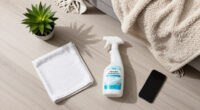
disinfectant wipes for high-touch surfaces
As an affiliate, we earn on qualifying purchases.
As an affiliate, we earn on qualifying purchases.
Appliances like dishwashers, washing machines, and dryers do a lot of work behind the scenes. Yet, their internal parts—filters, seals, and vents—can harbor mold, soap scum, and mineral deposits if neglected. These hidden areas are often overlooked because they aren’t immediately visible, but their buildup can have serious implications.
Neglecting these parts can lead to odors, inefficiency, and even damage to the appliance over time. For instance, a clogged dishwasher filter not only causes foul smells but also reduces cleaning effectiveness, forcing you to rewash dishes. Similarly, mold in washing machine seals can cause musty odors and may even lead to skin irritation or allergic reactions.
Cleaning these internal components regularly—at least once a month—prevents such issues. Removing and rinsing filters, wiping down seals, and running cleaning cycles with specialized agents help maintain appliance performance and longevity. This proactive approach reduces repair costs and ensures your appliances operate efficiently, saving you money and hassle in the long run.
As an affiliate, we earn on qualifying purchases.
Underrated bathroom spots that breed mold and grime
Bathrooms are moisture magnets, and many of their hidden corners can hide mold, soap scum, and mildew if not cleaned consistently. The tracks of shower curtains, door seals, and behind the toilet base are frequently forgotten areas that can harbor bacteria and mold. These spots are especially prone to mold growth because they stay damp and are often neglected during routine cleaning.
Ignoring these areas can lead to mold spreading beyond the immediate vicinity, potentially causing health issues such as respiratory problems or allergic reactions. Mold can also damage surfaces, leading to costly repairs or replacements. Regularly wiping these areas with a mild cleaner and ensuring good ventilation minimizes moisture buildup, effectively preventing mold growth.
Scheduling a deep clean of these spots every few weeks, using a brush or cloth to remove soap scum and applying a mold-inhibiting spray, can keep mold at bay. Additionally, maintaining good ventilation by using exhaust fans or opening windows after showers helps surfaces dry quickly, reducing the likelihood of mold developing in hidden corners.
As an affiliate, we earn on qualifying purchases.
Cleaning the often-forgotten kitchen corners and edges
Kitchen corners, cabinet edges, and beneath appliances often gather dust, crumbs, and grease. These spots are easy to overlook but can become nests for bacteria or pests if not cleaned regularly. Over time, accumulated grime can lead to unpleasant odors, attract pests, or even cause bacterial contamination that affects food safety.
Neglecting these areas can have long-term health implications, especially if mold or bacteria proliferate unnoticed. For example, cabinet tracks below the sink can trap grime and mold, especially if moisture escapes or spills occur. Regular cleaning with a damp cloth and mild cleaner, at least once a month, prevents buildup and keeps your kitchen safe and hygienic.
Pay particular attention to the edges of the refrigerator, the drip tray beneath your coffee maker, and the space behind your stove. These hidden zones are often the dirtiest but are simple to clean with a quick wipe or vacuum, preventing pest issues and bacterial growth that can compromise food safety and home hygiene.
As an affiliate, we earn on qualifying purchases.
The overlooked task of cleaning your home’s air quality helpers
Ceiling fans, vents, and air return grilles quietly collect dust and allergens, yet many skip these during regular cleaning. Dust-laden vents can circulate allergens and reduce your indoor air quality, especially if you have pets or allergies. Over time, dust buildup can also impair the efficiency of your HVAC system, leading to higher energy bills and decreased air circulation.
Neglecting these components means you’re continuously recirculating dust and allergens, which can exacerbate respiratory issues or allergies. Regularly removing and cleaning these components with a damp cloth or vacuum with a brush attachment helps keep indoor air healthier. It also prolongs the lifespan of your ventilation system.
Set a quarterly reminder to clean vents, ceiling fans, and air filters. Use a microfiber cloth or a vacuum brush to gently remove dust, and follow manufacturer instructions for any filters. This routine maintenance not only improves air quality but also enhances your home’s overall comfort and energy efficiency.
The cleaning tasks that protect your health—beyond the obvious
Many people forget that cleaning and disinfecting are two different steps. Cleaning removes dirt, while disinfecting inactivates germs. Both are crucial, but most routine chores only involve cleaning. Disinfection becomes vital after illness or contamination, as it directly reduces the presence of harmful pathogens.
Neglecting disinfection after illness or in high-risk areas can allow bacteria and viruses to persist, increasing the chance of reinfection or spreading to others. For example, disinfecting the toilet handle, sink, and faucet after a stomach bug is essential. During normal times, regular cleaning with soap and water is usually enough for most surfaces, but understanding when to disinfect can help protect vulnerable household members.
Remember, contact time matters—disinfectants need to stay wet on surfaces for the specified time to be effective. Always follow product instructions for best results. This knowledge ensures you’re not just cleaning but actively reducing health risks in your home.
How to build a simple routine to catch forgotten tasks
Creating a manageable cleaning schedule can help you stay on top of these often-forgotten tasks. Focus on what’s most important based on your household’s needs and prioritize high-touch, moisture-prone, or hidden areas.
Here’s a quick step-by-step plan:
- Identify your high-priority spots—think kitchen, bathroom, and electronics.
- Assign specific tasks to specific days—e.g., clean appliance filters the first weekend of each month.
- Use a rotating checklist—this keeps deep cleaning from feeling overwhelming.
- Set reminders on your phone or calendar to keep tasks consistent.
- Involve everyone in the household to share the load.
For example, every Sunday, you wipe down high-touch surfaces and check your appliances. Small, regular efforts prevent dirt and germs from building up, making cleaning less daunting and more effective over time. Establishing these habits helps ensure no area is neglected and that your home remains healthier and more hygienic.
Frequently Asked Questions
Do I need to disinfect everything regularly?
No. Routine cleaning suffices for most surfaces. Disinfect high-touch areas during illness or when someone is vulnerable.What’s the most common forgotten cleaning task?
Many forget about cleaning appliance filters, refrigerator door seals, or the undersides of fixtures—these spots often harbor grime and mold.How often should I clean high-touch surfaces?
Weekly cleaning is a good rule of thumb, but increase frequency if someone in your home is sick or during flu season.Can vinegar replace disinfectant?
Vinegar helps remove mineral deposits and some soils but isn’t a reliable disinfectant. Use it for cleaning, not in place of proper disinfectants.How do I keep track of all these tasks?
Attach each task to existing routines—like wiping electronics when bedding is washed—and set recurring reminders. A simple checklist keeps you consistent.Conclusion
Your home’s cleanliness isn’t just about what’s visible. These hidden, often-forgotten tasks quietly protect your health, extend appliance life, and keep your environment fresh. Make them part of your routine, and your home will feel truly cleaner—inside and out. Remember, a little effort on the overlooked spots today prevents bigger problems tomorrow. Keep those hidden corners in check, and breathe easier knowing you’re covering all bases.Halloween Picks
halloween
As an affiliate, we earn on qualifying purchases.