TL;DR

Get cleaning gear delivered free with Prime
- Fast, free delivery on millions of items
- Prime Video, Amazon Music and more included
- Member-only deals all year
Experts advise reducing cleaning frequency for certain household items to prevent damage. This article identifies 10 items that can handle less maintenance, saving time and preserving item longevity.
Recent expert guidance emphasizes that over-cleaning household items can be counterproductive, leading to damage or reduced lifespan. This shift in cleaning advice aims to help homeowners save time and avoid unnecessary wear on their belongings.
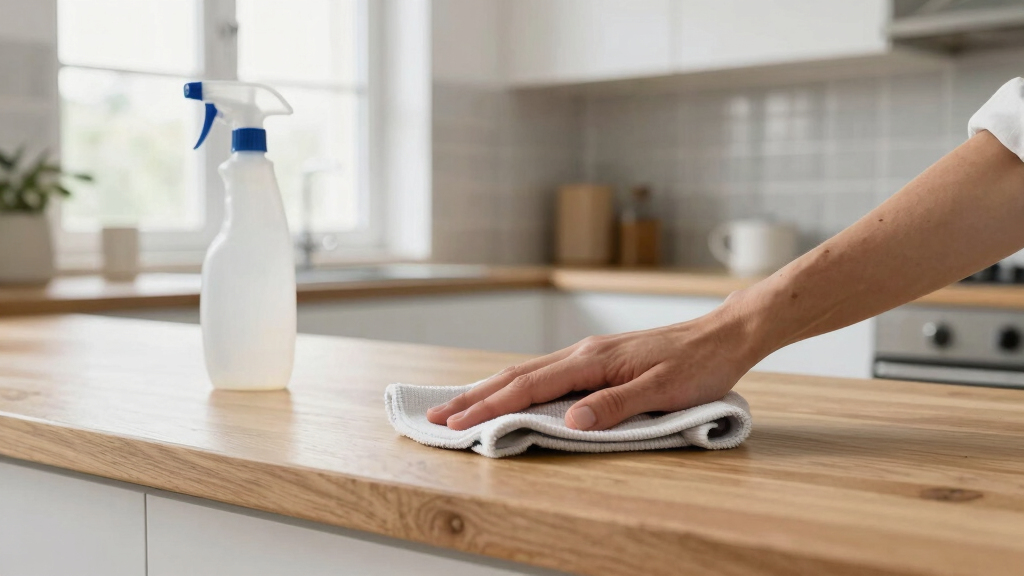
According to recent advice from cleaning and home maintenance experts, several common household items do not require frequent or intensive cleaning. Over-cleaning can sometimes cause damage, especially to delicate surfaces or materials. For example, items like wooden cutting boards, stainless steel appliances, and certain fabrics are better maintained with milder, less frequent cleaning routines.
Experts recommend using gentler cleaning methods and reducing the frequency of cleaning for specific items. This approach can extend the lifespan of household goods and prevent issues like surface deterioration or discoloration. The advice is based on recent research and industry best practices, emphasizing that less can often be more when it comes to home maintenance.
Why Reducing Cleaning Matters for Household Longevity
This guidance is significant because it challenges the common practice of frequent, aggressive cleaning, which can inadvertently damage household items. By understanding which items can be cleaned less often, homeowners can preserve the integrity of their belongings, save money, and reduce environmental impact through less use of cleaning chemicals and water.
Additionally, this advice aligns with a broader movement toward more sustainable and mindful home care, encouraging consumers to rethink their routines and prioritize item longevity over superficial cleanliness.
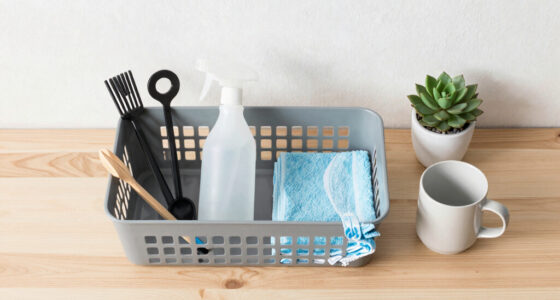
gentle cleaning cloth for wooden surfaces
As an affiliate, we earn on qualifying purchases.
As an affiliate, we earn on qualifying purchases.
Background on Over-Cleaning Trends and Recommendations
Over the past decade, there has been a surge in cleaning products and routines aimed at achieving spotless homes. However, recent studies and expert opinions suggest that excessive cleaning may be unnecessary or even harmful for certain household items. This evolving understanding comes amid increased awareness of the environmental impact of cleaning chemicals and the importance of sustainable practices.
Previously, household cleaning guidelines often recommended frequent scrubbing and chemical use, regardless of the item’s material or condition. Now, experts are advocating for a more nuanced approach, emphasizing the importance of knowing which items truly require regular maintenance.
“Over-cleaning can cause more harm than good, especially for delicate surfaces and materials. Less frequent, gentler cleaning can extend the life of household items.”
— an anonymous researcher
As an affiliate, we earn on qualifying purchases.
Unclear Which Items Benefit Most from Less Cleaning
While experts identify several items that can be cleaned less frequently, specific guidelines vary depending on household conditions and materials. It remains unclear how often each item should be cleaned in different environments, and whether certain cleaning methods are universally safe.
Further research is needed to establish standardized recommendations tailored to various household scenarios and material types.
As an affiliate, we earn on qualifying purchases.
Next Steps for Homeowners and Industry Standards
Moving forward, homeowners are encouraged to reassess their cleaning routines based on expert advice and the specific needs of their household items. Industry groups and cleaning product manufacturers may update guidelines to reflect this new understanding, promoting milder cleaning methods.
Additional studies and consumer education campaigns are expected to further clarify best practices, helping households balance cleanliness with preservation.
eco-friendly cleaning for household items
As an affiliate, we earn on qualifying purchases.
As an affiliate, we earn on qualifying purchases.
Key Questions
Which household items can I clean less often?
Items such as wooden cutting boards, stainless steel appliances, and certain fabrics can typically handle less frequent cleaning with gentle methods, according to experts.
What are the risks of over-cleaning?
Over-cleaning can cause surface damage, discoloration, and reduce the lifespan of household items. It may also lead to unnecessary chemical exposure.
How can I tell if I am over-cleaning?
If an item shows signs of wear, damage, or discoloration due to cleaning, or if you are cleaning it more often than recommended without visible dirt, you may be over-cleaning.
Are there specific cleaning methods recommended for less frequent cleaning?
Gentle wiping with mild cleaners or just water, and avoiding abrasive scrubbing, are advised for items that require less frequent attention.
Will reducing cleaning frequency affect household hygiene?
In most cases, reducing cleaning for certain items does not compromise overall hygiene, especially if basic sanitation practices are maintained.
Source: rss
Halloween Picks
halloween
As an affiliate, we earn on qualifying purchases.