
TL;DR

Get cleaning gear delivered free with Prime
- Fast, free delivery on millions of items
- Prime Video, Amazon Music and more included
- Member-only deals all year
A weekly cleaning schedule that balances simplicity and consistency helps you keep your home tidy without feeling overwhelmed. It focuses on key tasks, spreads chores throughout the week, and adapts to your lifestyle, making cleaning less of a burden.
Cleaning your home often feels like a never-ending battle. The clutter piles up, surfaces collect dust, and by the end of the week, it’s easy to feel behind.
But what if you could turn cleaning from a daunting task into a manageable routine? The secret lies in a simple, consistent schedule anyone can follow. No more weekend marathons or guilt trips about an overflowing sink. Instead, you get a plan that fits your life and keeps your space fresh and inviting.
In this guide, you’ll learn how to create a weekly routine that’s flexible, realistic, and easy to stick to. Ready to make cleaning a habit instead of a chore? Let’s get started.
Break your chores into small, manageable tasks spread throughout the week.
Use digital reminders or apps to stay on top of your schedule.
Prioritize high-traffic areas for more frequent cleaning to keep your home inviting.
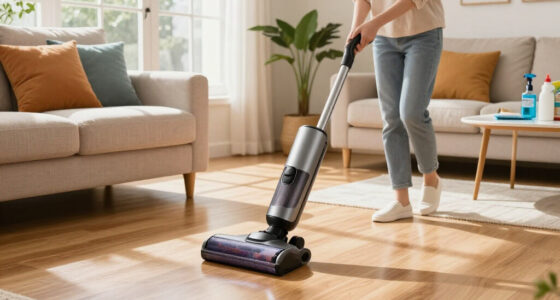
Invest in simple tools like microfiber cloths and robotic vacuums to make chores easier.
Be flexible — missed days happen. Reschedule without guilt to stay on track.
Why a Simple Cleaning Plan Works Better Than Overloading Your Week
Many people try to do everything in one day, only to burn out or skip parts of the routine. A simple plan spreads chores across the week, making each task less overwhelming.
For example, vacuuming the living room on Monday, wiping kitchen counters on Wednesday, and cleaning bathrooms on Saturday creates a steady rhythm. This approach prevents the buildup of dirt and grime, which can become more difficult and time-consuming to clean if left undone. When chores are grouped into manageable sessions, it reduces the mental stress associated with a cluttered or dirty home, allowing you to focus more on enjoying your space rather than endlessly cleaning it. Additionally, this method helps you identify and prioritize what needs attention most, ensuring high-traffic areas stay clean and inviting. The tradeoff is that it requires some discipline and planning, but the long-term benefits include a consistently cleaner home, less last-minute cleaning emergencies, and a more relaxed mindset about upkeep.
Furthermore, spreading chores out fosters the development of daily habits. When you routinely handle small cleaning tasks, they become second nature, reducing the mental load and making the process feel less burdensome. This consistency can also lead to better overall hygiene and health, as regular maintenance prevents the accumulation of allergens and bacteria, creating a safer environment for everyone.
As an affiliate, we earn on qualifying purchases.
How to Build a Weekly Cleaning Routine That Fits Your Life
Creating a schedule that works for you means understanding your household’s unique rhythm. Here’s a step-by-step plan:
- List your high-traffic areas: Kitchen, bathrooms, living room. Recognizing these spaces emphasizes their importance as hubs of activity, where dirt and wear accumulate faster, necessitating more frequent attention.
- Identify chores for each area: Dusting, vacuuming, wiping surfaces, laundry. Knowing specific chores helps target cleaning efforts effectively, preventing neglect of less obvious but essential tasks that can impact health and comfort.
- Estimate time needed: Most chores take 15-30 minutes. Break larger tasks into smaller sessions. This helps prevent feeling overwhelmed and makes cleaning feel more manageable, especially when time is limited.
- Assign tasks to days: Spread chores evenly through the week. Distributing chores avoids last-minute rushes and keeps your home consistently clean, which can improve mood and reduce stress.
- Use reminders: Digital calendars or apps help keep you on track. These tools reinforce habits and ensure chores aren’t forgotten, especially during busy weeks.
For example, if Tuesdays are busy, assign a quick 10-minute tidy-up to that day, and tackle bigger chores on weekends. This flexibility allows you to adapt your routine based on your energy levels and commitments, making it more sustainable in the long run.
Understanding your routine’s rhythm helps you recognize when you’re most energized and available for chores. For instance, scheduling cleaning tasks during times when you naturally feel more alert can boost efficiency and reduce the feeling of chores being a burden. It also helps you avoid burnout by not overloading certain days, ensuring you have time for rest and other responsibilities. This thoughtful approach makes it easier to stick with your routine, leading to a cleaner home and less stress over missed chores.
AmazonAs an affiliate, we earn on qualifying purchases.
Compare Common Weekly Cleaning Tasks and How Often to Do Them
Task Frequency Best Day Vacuum carpets and floors Weekly Monday or Saturday Dust surfaces and furniture Weekly Wednesday Clean bathrooms (toilets, sinks, showers) Weekly Thursday Wipe kitchen counters and appliances Daily or after cooking N/A Laundry (clothes, towels) Every 3-4 days Flexible This table helps you visualize how to distribute chores evenly, so nothing piles up. Regularly scheduled maintenance prevents dirt from becoming ingrained and surfaces from deteriorating prematurely. When you plan your chores thoughtfully, you’re not just maintaining cleanliness; you’re also protecting your surfaces and household environment from deterioration, which can be costly to repair or replace. Recognizing the optimal frequency for each task helps you allocate your time efficiently, ensuring that chores don’t become overwhelming or neglected. For example, cleaning bathrooms weekly prevents mold and bacteria buildup, safeguarding your family’s health, while flexible laundry scheduling allows you to adapt to your weekly commitments without sacrificing cleanliness.
AmazonAs an affiliate, we earn on qualifying purchases.
Tips for Sticking to Your Weekly Cleaning Routine
- Set clear, achievable goals: Focus on a few tasks each day. Recognizing small wins can boost motivation and help establish a routine that feels doable rather than overwhelming.
- Use reminders: Digital alerts or sticky notes can nudge you. Consistent prompts reinforce habits, making it easier to stay on track even during busy or stressful times.
- Make it fun: Play your favorite music or listen to an audiobook while cleaning. Associating cleaning with enjoyment can transform it from a chore into a more pleasant activity, encouraging consistency.
- Reward yourself: Treat yourself after completing your chores. Rewards reinforce positive behavior, making it more likely you’ll stick to your schedule over time.
- Involve others: Turn cleaning into a family activity or a shared responsibility. Working together not only reduces individual workload but also fosters a sense of teamwork and shared achievement.
For example, you might set a reminder every Sunday evening to review your upcoming week’s chores. Turning cleaning into a team effort makes it feel less like a chore and more like a shared goal, which can motivate everyone to participate and maintain the routine.
AmazonAs an affiliate, we earn on qualifying purchases.
What Tools and Products Make Weekly Cleaning Easier?
Smart tools can cut your cleaning time in half. Microfiber cloths pick up dust and dirt quickly, reducing the need for harsh chemicals. A good vacuum with HEPA filters keeps allergens at bay, especially if you have pets or allergies.
Robotic vacuums can automate floor cleaning, freeing you up for other chores. Multi-purpose cleaners simplify your routine by handling multiple surfaces with one product. Keep your tools organized in a caddy or storage bin for quick access.
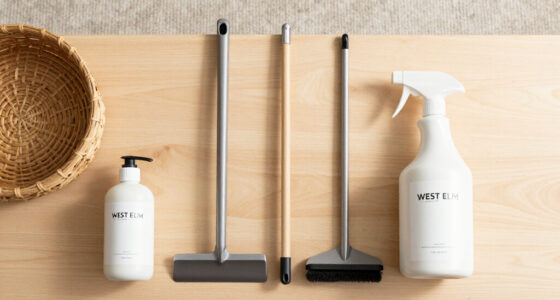
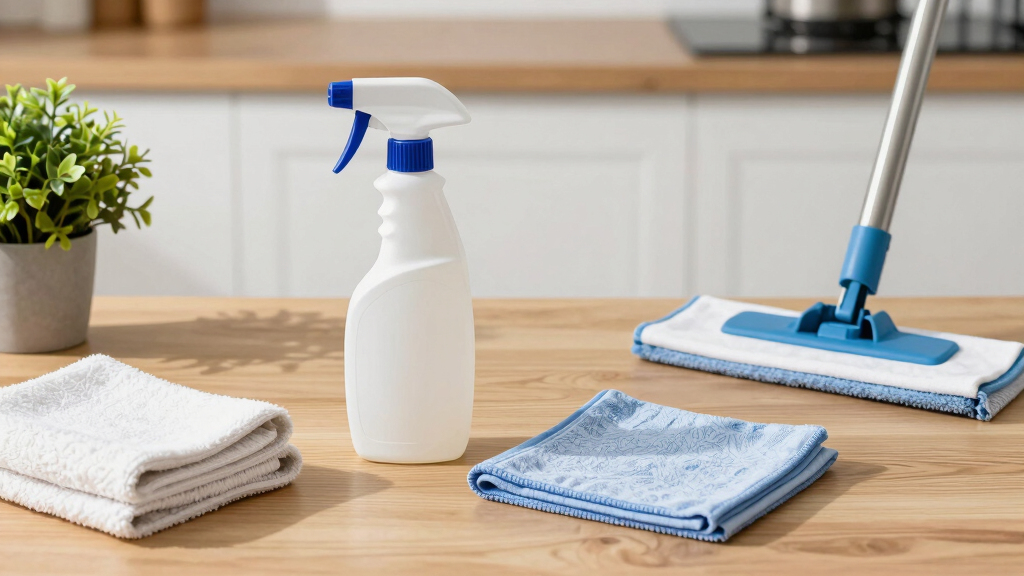
For example, a microfiber cloth and eco-friendly all-purpose spray can wipe down kitchen counters and bathroom sinks efficiently, without toxic fumes or waste.
Choosing the right tools not only makes cleaning faster but also more effective. Investing in quality equipment can reduce the effort needed and improve results, making your routine less burdensome and more satisfying.
How to Handle Missed Days Without Stress
Life happens. If you miss a scheduled cleaning day, don’t stress. Instead, view it as an opportunity to reassess your routine and adapt. Rescheduling tasks for another day or combining chores into a quick weekend blitz can help keep your home in good shape without guilt. This flexibility is vital because rigid routines can lead to frustration when life’s unpredictability intervenes. Recognizing that occasional missed days are normal helps you develop a forgiving mindset, which is essential for long-term consistency. When you accept that your routine may shift, you’re more likely to stick with it over months and years, rather than feeling defeated and giving up altogether. Ultimately, a resilient and adaptable approach ensures your home stays clean, and your stress levels stay low, fostering a healthier environment for you and your family.
Remember, the goal isn’t perfection but sustained effort. A home that’s maintained with flexibility and understanding is far more manageable and enjoyable than one strained by rigid expectations.
Keep your routine forgiving by setting realistic goals. A clean home is about consistency, not perfection.
Frequently Asked Questions
How do I start a weekly cleaning schedule if I hate cleaning?
Begin with just one task, like wiping down the kitchen counters. Keep it short and easy. Gradually add tasks as you build momentum. The goal is consistency, not perfection.
What are the most important chores to include in a weekly schedule?
Vacuuming floors, cleaning bathrooms, wiping kitchen surfaces, dusting furniture, and laundry are the essentials. Focusing on these areas helps maintain a healthy, comfortable environment and prevents dirt buildup from becoming more difficult to clean later.
How can I make cleaning feel less like a chore?
Incorporate music, listen to a podcast, or reward yourself afterward. Turning chores into a quick, enjoyable habit creates positive associations, making it easier to stay consistent and less burdensome over time.
Is it okay to skip a week if I get busy?
Yes. Flexibility is key. Just reschedule missed chores for another day without guilt. Maintaining a long-term routine that adapts to your life is more effective than striving for perfection every week.
What’s a good time of day to do weekly chores?
Many find that mornings or early evenings work best, when energy and focus are higher. Choosing a consistent time that naturally fits into your routine helps reinforce the habit and ensures chores get done regularly.
Conclusion
Cleaning doesn’t have to take over your life. A straightforward, adaptable schedule turns chores into habits. The key is consistency, not perfection.
Picture your home, fresh and clutter-free, with just a few minutes of effort each day. That’s the power of a simple weekly routine. Start small, stay steady, and watch your space transform without the stress.
HALLOWEEN Halloween Picks
halloweenhalloween
As an affiliate, we earn on qualifying purchases.