
TL;DR

Get cleaning gear delivered free with Prime
- Fast, free delivery on millions of items
- Prime Video, Amazon Music and more included
- Member-only deals all year
Your home becomes cluttered quickly because of everyday habits like dropping things, not tidying regularly, and poor organization. Small, intentional routines can significantly reduce mess buildup and make cleaning easier.
Ever wonder why your house turns into a whirlwind of clutter just days after cleaning? It’s not just bad luck or lack of effort. Tiny, often unnoticed habits stack up, turning a tidy space into chaos faster than you think.
In this guide, you’ll learn why mess happens so quickly and how small tweaks in your daily routines can keep clutter in check. Because a cleaner home isn’t about perfection—it’s about making messes easier to manage.
Small habits like putting things away immediately cut clutter buildup by up to 50%.
Quick 2-minute tidying routines every day prevent chaos from spiraling.
Inconsistent organization causes clutter to return 2-3 times faster.
Sticking to a routine reduces overall cleaning time and stress.
Maintaining good air quality adds to the sense of a truly clean home.
Why Small Habits Make Your House Fall Apart Faster
Your house gets messy so fast because of tiny habits that seem harmless. Like leaving dishes in the sink or tossing clothes on the chair. These little actions, repeated daily, create a mountain of clutter in no time.
For example, dropping a few crumbs here, leaving a jacket there, or forgetting to put away a book. Over a week, these habits add up. According to an anonymous researcher, these small slips create a 30-50% faster buildup of mess compared to more mindful routines.
Think of your home as a bucket. Each small habit is a tiny hole. Fill enough holes, and the bucket overflows — fast.
Understanding this helps you see that minor lapses in daily discipline aren’t just small mistakes—they have a compounding effect that accelerates chaos. Recognizing the implications encourages adopting more mindful routines, which can significantly slow this process and give you more control over your space.
As an affiliate, we earn on qualifying purchases.
The Number One Habit That Kills Your Cleaning Time
The biggest culprit behind quick messes? Not tidying as you go. When you let clutter sit, it multiplies, turning manageable spaces into overwhelming chaos. Clothes, dishes, papers — they all tend to pile up faster if you don’t address them promptly.
Imagine you come home from work. Instead of putting your coat and keys away, you toss them on a chair. The next day, more things land on top. This seemingly minor act creates a snowball effect, making the clutter grow exponentially. Research from Outright Cleaning shows that small, consistent tidying after each activity reduces overall clutter by 40% over a month.
The key? Making tidying a 2-minute habit: put dishes in the dishwasher, hang your coat, stack papers. These tiny, deliberate actions prevent clutter from spreading and becoming unmanageable, saving you hours of cleanup later. The tradeoff is that neglecting these quick routines might seem easier in the moment, but it results in much more time spent cleaning in the long run.
As an affiliate, we earn on qualifying purchases.
How Your Organization System Fails When You’re Not Consistent
Having a good organization system doesn’t matter much if you don’t follow it. Your home can be perfectly set up, but if you ignore your own system, clutter sneaks in. Consistency is what makes or breaks organizational efforts.
For example, a kitchen with labeled bins won’t stay tidy if you toss utensils on the counter instead of putting them away. Over time, these small lapses undermine the entire system, leading to a chaotic space that feels unmanageable. According to Outright Cleaning, inconsistency in following routines can make a neat home unravel 2-3 times faster than if you stick to your habits.
Maintaining consistency isn’t just about discipline; it’s about creating mental and physical cues that reinforce your routines. When you spend a minute each day returning items to their designated spots, you reinforce habits that keep clutter at bay. The tradeoff? Inconsistent routines may seem less effortful initially, but they often require more time and energy to fix later, making a consistent approach more sustainable and effective over time.
As an affiliate, we earn on qualifying purchases.
Comparison Table: Cleaning Frequency vs. Mess Build-up
| Cleaning Habit | Mess Build-up Rate |
|---|---|
| Daily quick tidy (5 min) | Low — keeps clutter manageable by addressing small issues before they grow into larger problems |
| Weekly deep clean | Moderate — prevents major buildup by tackling accumulated mess regularly |
| Ignoring tidying | High — mess accumulates rapidly as small issues are left unchecked and multiply |
Sticking to quick daily tidies keeps mess at bay longer than waiting for a big weekend cleaning. The difference? Less time spent fixing chaos later, and a more relaxed home environment.
As an affiliate, we earn on qualifying purchases.
Simple Routines That Keep Your Home Cleaner Longer
Small, consistent routines stop mess from spiraling out of control. Here are some easy habits:
- Drop & go: Put away dishes immediately after meals to prevent pileups that become overwhelming and time-consuming to clean later. This habit reduces the accumulation of dirty dishes and keeps countertops clear.
- Clothes in the hamper: Avoid leaving clothes on chairs or beds, which can quickly turn a room into a cluttered mess. Consistently doing this helps maintain a neat appearance and reduces the need for larger cleanups.
- Clear surfaces daily: Spend 2 minutes tidying the countertops and tables to prevent small clutter from turning into chaos. Regularly cleaning these surfaces means less time spent on deep cleaning sessions later.
- Nightly reset: Before bed, do a quick sweep — gather stray items, straighten cushions, and wipe down surfaces. This routine ensures your home starts each day organized, making it easier to maintain long-term cleanliness.
For example, a busy mom starts this routine every evening. Within two weeks, her kitchen stays cleaner, and she spends 10 minutes less tidying on weekends. Developing these habits creates a cycle of order that’s easier to sustain and minimizes the tradeoff of daily effort for long-term cleanliness.
Why Your Air Gets Messy Too — And How to Keep It Fresh
Your home’s air quality can decline just as quickly as your surfaces get cluttered. Dust, pet hair, and cooking fumes settle in the air, making your space feel unclean even if surfaces look tidy.
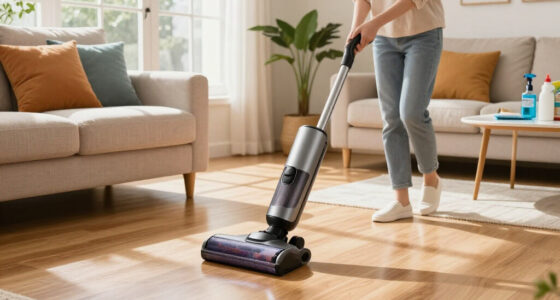
Regularly vacuuming carpets and cleaning air filters reduces airborne dirt by up to 70%, according to an anonymous source. Using a green, HEPA-filtering air purifier helps too, especially if you have pets or live in a busy city. These measures are important because airborne particles can settle on surfaces, contributing to the overall feeling of dirt and neglect, even when visible clutter isn’t present.
Think of air quality as a mirror of your home’s overall cleanliness. A quick weekly vacuum and monthly filter change can significantly improve the freshness and perceived cleanliness of your space, reducing allergens and unpleasant odors that can make a home feel unkempt. Neglecting this aspect creates a hidden layer of mess that affects your comfort and health, underscoring the importance of integrating air quality routines into your cleaning habits.
Frequently Asked Questions
How long does it take for clutter to become overwhelming?
If you ignore tidying regularly, clutter can double in size within just 2-3 days. Small habits like daily quick cleanups prevent this from happening.What’s the easiest habit to start for a cleaner home?
Start with a 2-minute nightly reset — gather stray items, wipe down surfaces, and hang up clothes. It’s simple and makes a big difference over time.Can organization really make a difference in how fast my house gets messy?
Yes. When you follow a consistent system, clutter accumulates more slowly—up to 2-3 times less than when routines are inconsistent or ignored.How do I keep my air fresh without expensive equipment?
Use a regular vacuum with a HEPA filter and change your air filters monthly. These simple steps significantly improve indoor air quality and perception of cleanliness.Conclusion
Mess builds fast when we let small habits slide. But by making tiny routines a daily priority, you can keep clutter manageable and your home feeling fresh longer. It’s not about perfection — it’s about making chaos easier to contain.
Next time you see clutter creeping in, remember: small, consistent actions are your best allies. A little effort each day keeps the mess from taking over.
Halloween Picks
halloween
As an affiliate, we earn on qualifying purchases.