
TL;DR
Open a free Amazon Business account
Business pricing, bulk buying and tax-exempt orders.
Create a free accountAs an affiliate, we earn on qualifying purchases.
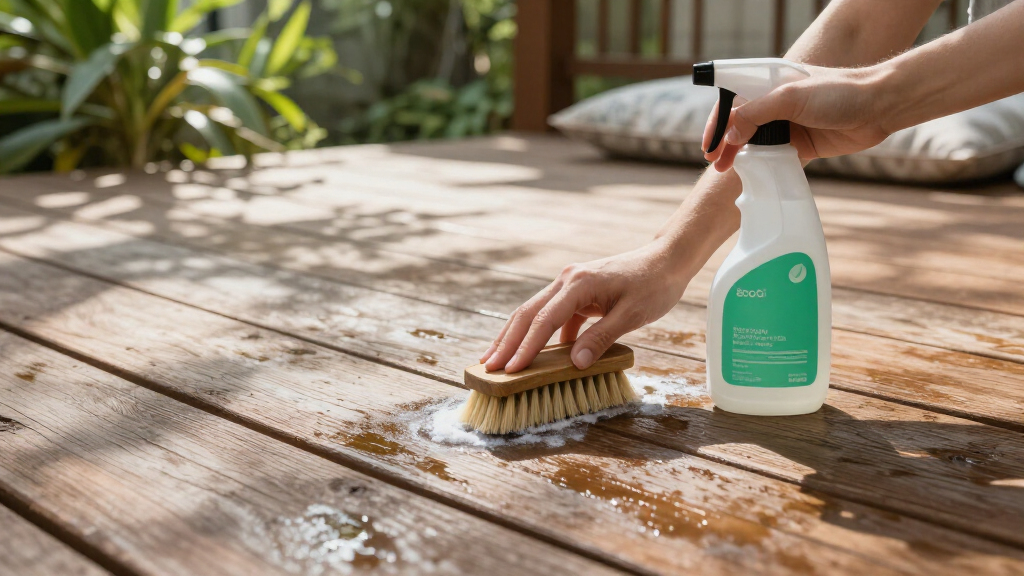
Cleaning a wooden deck safely means using gentle tools, eco-friendly cleaners, and avoiding high-pressure washes. Regular maintenance with the right techniques keeps your deck looking great and lasting longer.
Always identify your deck’s material before choosing cleaning methods to avoid damage.
Use biodegradable, wood-safe cleaners like vinegar or oxygen bleach instead of harsh chemicals.
Opt for soft brushes and low-pressure water—never high-pressure jets close to the surface.
Clean during mild, cloudy weather and ensure the deck is thoroughly dry before sealing.
Regular maintenance, including sweeping and resealing, extends your deck’s lifespan.
Know Your Deck: Why Material Matters Before Cleaning
Not all wood decks are created equal. Cedar, redwood, pressure-treated lumber, and composite materials each respond differently to cleaning methods. For example, cedar is softer and more prone to scratches, so it needs gentle handling. Pressure-treated wood is tougher but can still be damaged by harsh chemicals or high-pressure water. Recognizing your deck’s material helps you pick the right tools and cleaners, preventing costly mistakes.
Imagine trying to clean a soft cedar deck with a stiff wire brush — you risk gouging the surface and creating splinters. Conversely, a composite deck might need a different approach altogether, often requiring milder cleaners. Knowing what you’re working with is the first step toward safe cleaning.
Understanding the material also informs you about the trade-offs involved. For instance, using too much water or harsh chemicals on softer woods can cause swelling, warping, or discoloration, which compromises the deck’s structural integrity and aesthetic appeal. Conversely, overly gentle methods might not remove stubborn stains or mold effectively, leading to longer-term damage if dirt is left to accumulate. Balancing cleaning power with material sensitivity is key to preserving your deck’s longevity and appearance.
As an affiliate, we earn on qualifying purchases.
Select Gentle, Eco-Friendly Cleaners for Safe Deck Care
Strong chemicals like bleach or industrial cleaners can damage your wooden deck’s surface and strip its natural oils. Instead, opt for biodegradable, wood-safe cleaners. Oxygen bleach solutions, vinegar, and baking soda are effective, gentle options that won’t harm your deck or the environment.
For example, a mixture of one part white vinegar to three parts water can remove minor stains and mildew. Baking soda makes a gentle scrub that lifts dirt without scratching. Always test a small patch first to see how your wood reacts. These natural solutions are tough on grime but easy on your deck.
Choosing eco-friendly cleaners also reduces environmental impact, which is increasingly important as we consider sustainability. These natural options are less likely to cause chemical runoff that can harm plants or wildlife nearby. Moreover, their gentle nature means they are less likely to weaken the wood over time or cause discoloration, maintaining the deck’s appearance and structural integrity. However, keep in mind that natural cleaners may require more time or repeated applications for heavy grime, so patience and proper application are essential to achieve thorough cleaning without damage.
As an affiliate, we earn on qualifying purchases.
Use the Right Tools: Soft Brushes, Microfiber, and Low Pressure
When cleaning a wooden deck, your goal is to lift dirt without damaging the surface. Soft-bristle brushes, microfiber pads, or a gentle scrub brush are perfect. Avoid metal brushes or abrasive pads—they can scratch or gouge the wood.
If you prefer using a pressure washer, keep the pressure below 1000 PSI. Use a wide spray nozzle and keep the wand moving steadily. Think of it like softly watering your plants—gentle but thorough. Practicing on a hidden corner first helps you gauge the right distance and pressure.
Choosing the correct tools and techniques is crucial because aggressive scrubbing or high-pressure water can remove the wood’s protective oils and create micro-scratches that degrade the surface over time. Soft tools distribute the cleaning force evenly, preventing localized damage, and allow you to work more precisely around delicate areas like joints or softer woods. This careful approach prolongs your deck’s lifespan and keeps it looking its best.
As an affiliate, we earn on qualifying purchases.
Timing Is Everything: When and How to Clean for Best Results
Clean your deck during mild, dry weather — early morning or late afternoon on a cloudy day works best. Direct sunlight can cause cleaning solutions to dry too quickly, leaving streaks or spots. Plus, a dry deck dries faster, reducing the chance of mold or mildew forming later.
For example, after a rainstorm, wait 24 hours for the wood to dry completely before cleaning. This prevents trapped moisture that can lead to rot or mold growth. Regular sweeping and spot cleaning every few months prevent buildup, saving you from more intense scrubbing later. Proper timing ensures that cleaning agents have adequate contact time and that excess moisture is not trapped, both of which are critical for avoiding long-term damage and ensuring thorough cleaning.
As an affiliate, we earn on qualifying purchases.
Step-by-Step: How to Safely Clean Your Wooden Deck
- Clear the deck of furniture, mats, and loose debris. Sweep thoroughly to remove dirt, leaves, and dust.
- Mix your chosen gentle cleaner—like a solution of oxygen bleach or vinegar and water.
- Apply the cleaner evenly using a garden sprayer or sponge, focusing on stained or moldy areas.
- Let it sit for 10-15 minutes, but don’t let it dry out completely. Re-wet if necessary.
- Gently scrub with a soft brush or microfiber pad, working in sections to lift dirt without scratching. Use light pressure to avoid damaging the surface, especially on softer woods or stained areas.
- Rinse thoroughly with a garden hose set to a gentle spray. Avoid high-pressure jets to prevent gouging or splintering.
- Allow the deck to dry completely before applying a sealant or stain for extra protection.
Imagine the satisfaction of watching grime lift away, revealing the warm glow of natural wood beneath. That’s the magic of careful, thoughtful cleaning.
Remember, patience and gentle techniques are your best allies. Rushing or using harsh tools can undo your efforts, leading to costly repairs or reduced lifespan of your deck.
Protect Your Deck for the Long Haul: Seal, Stain, and Maintain
Once your deck is clean and dry, consider applying a sealant or stain. These products shield the wood from moisture, UV rays, and mold. Wait at least 24 hours after cleaning, or until the wood is fully dry, before sealing.
Regular maintenance, like sweeping weekly and resealing every 2-3 years, keeps your deck looking fresh and prevents decay. Think of it like skincare for your outdoor space—consistent care prevents bigger problems down the line.
Proper sealing and maintenance are essential because they form a protective barrier that reduces the impact of environmental elements. Without this, moisture can seep into the wood, leading to rot, warping, or mold growth. UV exposure can fade and weaken the fibers, causing splinters and discoloration. Regular resealing and cleaning help maintain the wood’s structural integrity and aesthetic appeal, ultimately saving you money on repairs and replacements in the long run.
Common Mistakes to Avoid When Cleaning Your Wooden Deck
Don’t use high-pressure washers at close range — they gouge or splinter the wood. Avoid harsh chemicals that strip natural oils, and never use metal brushes or abrasive pads. Cleaning in direct sunlight can cause streaks or uneven drying, so plan your project for cooler, overcast days.
For example, a homeowner once used a pressure washer at full blast, causing visible gouges in the soft cedar planks. That mistake cost her a re-stain and months of waiting for repairs. The key is gentle cleaning, patience, and testing first.
Understanding these pitfalls helps you avoid costly repairs and preserve your deck’s beauty. Always prioritize gentle techniques, test cleaning methods beforehand, and be mindful of environmental conditions. This careful approach ensures your deck remains durable, safe, and visually appealing for years to come.
Frequently Asked Questions
What is the safest way to clean a wooden deck without causing damage?
Use a soft-bristle brush, gentle biodegradable cleaners like vinegar or oxygen bleach, and low-pressure or no-pressure water. Always test a small area first to see how the wood responds.Can I use bleach or harsh chemicals?
It’s best to avoid bleach and industrial chemicals, as they can weaken the wood and cause discoloration. Stick to natural or eco-friendly options for safe, effective cleaning.How often should I clean my deck?
Aim for at least once a year, or more if you notice mold, algae, or heavy dirt buildup. Regular sweeping and spot cleaning help prevent more extensive cleaning later.What products are best for cleaning a wooden deck?
Oxygen bleach solutions, vinegar, and baking soda are excellent natural choices. Always follow product instructions and test first to avoid damage.How do I remove stains or mold without damaging the wood?
Use gentle scrubbing with soft brushes and appropriate cleaners. For stubborn stains, a diluted vinegar solution often works well without harming the surface.Conclusion
Treat your wooden deck like a cherished outdoor piece—gentle care, consistent maintenance, and the right products keep it looking fresh and lasting longer. Remember, a little patience and the right tools make all the difference. When you finish, step back and enjoy that warm, inviting glow—your deck’s best look yet. Now, go grab your soft brush and start cleaning, knowing you’re protecting this outdoor treasure for years to come.Baby shower & registry season Picks
baby registry must-haves
As an affiliate, we earn on qualifying purchases.