TL;DR
Some stains set permanently because of their chemical makeup, heat exposure, or delayed treatment. Acting quickly with the right cleaning approach can make all the difference in stain removal success.
Act immediately after a spill—waiting even 30 minutes can make a stain harder to remove.
Avoid hot water and heat sources until you confirm the stain is gone; heat can set many stains permanently.
Identify the stain type first—different stains require different treatment methods for best results.
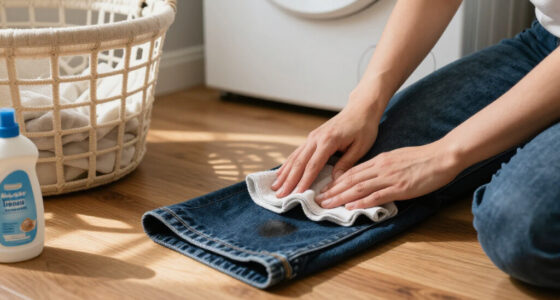
Blot gently, don’t rub—rubbing spreads the stain and pushes it deeper into fibers.
Use household staples like cold water, vinegar, and enzyme cleaners as effective, safe options for stain treatment.
What Makes Some Stains Stick Forever?
Some stains become like a permanent tattoo on your fabric or carpet because of their chemical makeup. Proteins from blood, sweat, or dairy coagulate and bond tightly when exposed to heat or drying. Tannins from coffee, tea, and wine penetrate deeply, especially if left untreated. Oil and grease—lipids—melt into fibers, creating a stubborn barrier. Dyes from grass, ink, or colored foods can set if not rinsed thoroughly.
Understanding why these stains bond so tenaciously helps clarify the importance of prompt and appropriate treatment. For example, proteins coagulate when heated, creating a dense, insoluble mass that resists washing. Tannins are highly pigmented molecules that can oxidize and bind permanently if not neutralized quickly. Oil-based stains penetrate the fibers, forming a hydrophobic layer that repels water-based cleaning solutions. Recognizing these mechanisms underscores why certain stains require specific approaches; otherwise, attempts to remove them may be futile or worsen the problem by setting the stain deeper.
As an affiliate, we earn on qualifying purchases.
Why Timing Is Everything When Tackling Stains
Waiting too long to treat a stain dramatically increases the chance it will set. Once a stain starts to dry, heat, and oxidation lock it into fibers. For instance, if you spill red wine and only blot it after hours, the stain begins to bond with the fabric’s molecules. Applying hot water or heat before removing the stain can make this worse.
Immediate action disrupts the chemical bonds forming between the stain and the fabric, preventing them from hardening and becoming permanent. Delaying allows time for the stain’s molecules to oxidize, coagulate, or penetrate deeper, making subsequent removal efforts less effective. For example, a fresh coffee spill can often be rinsed out easily, but if ignored, the tannins oxidize and bind more firmly, requiring harsher treatments or risking permanent discoloration. Recognizing the window of opportunity for effective cleaning emphasizes the need for swift responses, which can save you from costly replacements or extensive cleaning.
As an affiliate, we earn on qualifying purchases.
How Heat Turns a Fresh Stain Into a Permanent Mark
Heat is a stain’s worst enemy, especially from hot water, drying, or ironing. When fibers are heated, proteins coagulate, and dyes fix in place, making removal nearly impossible. For example, drying a bloodstain with a hairdryer or using hot water on a coffee spill can ‘set’ the stain, embedding it deeper into the fabric.
This process occurs because heat accelerates chemical reactions within the stain. Proteins denature and form a solid mass that bonds tightly with fibers, while dyes undergo fixation reactions that make them resistant to washing. Using hot water or heat sources prematurely can cause these reactions to occur before the stain is fully lifted, effectively sealing the mark into the material. Therefore, understanding the role of heat guides better cleaning practices—always treat protein stains with cold water first, and avoid hot water or heat until you’re certain the stain is eradicated. Think of heat as the glue that hardens and seals the stain, making removal exponentially more difficult once set.
As an affiliate, we earn on qualifying purchases.
The Best Ways to Prevent Stains From Becoming Permanent
- Act fast. The sooner you treat a spill, the better your chances of removal.
- Use cold water for protein and tannin stains before applying any cleaning agents.
- Blot, don’t rub. Rubbing can spread the stain or push it deeper into fibers, making future removal more difficult and increasing the risk of setting the stain with heat or friction.
- Avoid heat until the stain is fully gone. Skip dryers, hot water, and ironing initially, as heat can cause residual molecules to bond more firmly with the fabric.
- Choose the right stain remover. Enzyme-based cleaners work well on proteins because they break down the molecular bonds, while vinegar neutralizes tannins by altering their chemical structure, preventing them from setting.
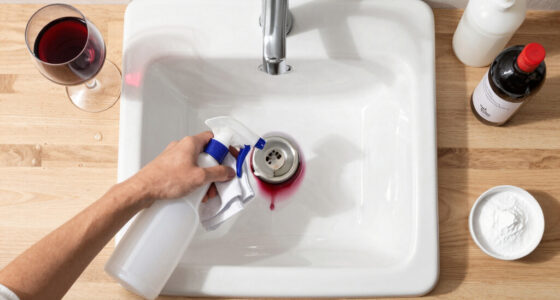
Imagine spilling red wine on your new rug. Immediate cold water blotting and a sprinkle of salt can prevent the stain from sinking in. Those quick actions keep you in control, not the stain. Recognizing the importance of timing and proper treatment methods helps you avoid the trap of permanent stains, saving time and money in the long run.
As an affiliate, we earn on qualifying purchases.
Quick Tips for Effective Stain Removal Before It Sets
- Always treat stains with cold water first, especially for blood, sweat, or wine. Cold water prevents proteins and tannins from coagulating or oxidizing, which would make them more resistant to removal.
- Apply a suitable stain remover or household solution promptly—wait too long, and it’s harder to remove. Early intervention disrupts the chemical bonds forming within the stain, making subsequent cleaning more effective.
- Use a clean cloth or sponge to blot gently—rubbing only makes things worse by pushing the stain deeper and increasing heat generation, which can set the stain.
- After initial treatment, wash with cold water and avoid heat until you’re sure the stain is gone. This prevents heat from activating bonding processes that make the stain permanent.
- For stubborn stains, repeat the process or try a different method, like enzyme cleaners or vinegar solutions. Patience and multiple approaches often yield better results, especially on deeply embedded stains.
Think of stain removal like a race against time—you want to be quick and gentle, not aggressive. The sooner you act with the right methods, the higher your chances of successful removal before the stain sets permanently.
What You Need to Know About Stain-Resistant Fabrics
Stain-resistant fabrics are treated with chemicals that cause liquids to bead up and roll off, preventing deep penetration. But they’re not magic—heavy or prolonged exposure can still cause stains to set. For example, a well-treated sofa might resist wine spills initially, but if the spill’s left untouched for hours, the stain can break through the coating.
These fabrics are worth the investment if you want extra protection, but remember: quick action is still your best defense. Regular cleaning and prompt treatment remain key. The protective coating slows down stain absorption, giving you more time to respond, but it doesn’t make the fabric immune. Over time, the coating can degrade or become damaged, reducing effectiveness. Therefore, understanding that stain-resistant fabrics are a helpful tool but not a guarantee underscores the importance of immediate action and proper maintenance for optimal stain prevention.
Dealing With Already-Set Stains: Can You Still Remove Them?
Some stains seem impossible once they’ve dried or been exposed to heat. But don’t give up hope. You can often improve results with specialized cleaners or patience. For example, a dried grass stain can sometimes be lifted with a commercial enzyme cleaner if you follow the instructions carefully. The key is understanding that over time, stains become embedded deeper into fibers and may oxidize or bond more strongly, making removal more challenging. However, with the right techniques—such as soaking, using enzyme-based solutions, or gentle scrubbing—you can sometimes weaken these bonds and make the stain less noticeable.
Remember, the longer a stain sits, the more it becomes part of the fabric’s chemistry. But persistence, patience, and the correct products can still make a significant difference, especially with stubborn stains like ink or tannins. Knowing that some stains are reversible encourages you to try different treatments rather than giving up prematurely, potentially saving costly replacements or extensive professional cleaning.