TL;DR

Get cleaning gear delivered free — and shop member deals
- Fast, free delivery on millions of items
- Access to Prime Big Deal Days deals on October 6–7
- Prime Video, Amazon Music and more included
Vacuuming pet hair without clogging is all about choosing the right vacuum, regular maintenance, and employing proper techniques. Using specialized tools and grooming pets helps reduce hair load and keeps your vacuum running smoothly.
Pet hair can seem to multiply overnight, turning your floors into a tumbleweed of fur. The frustration? Watching your vacuum clog, lose suction, or just give up on cleaning altogether. But with a few smart tricks, you can tame the fur chaos without sacrificing your vacuum’s lifespan.
In this guide, you’ll learn how to pick the right tools, keep your machine in top shape, and use techniques that prevent hair from wrapping around brushes or clogging hoses. Whether you’re dealing with a shedding Labrador or a fluffy cat, these tips will make your vacuuming routine smoother and less stressful.
Choose vacuums with strong suction, HEPA filters, and tangle-free brushes designed for pet hair.
Vacuum slowly in overlapping passes to prevent hair from wrapping around brushes and clogging hoses.
Maintain your vacuum regularly—empty bins, clean filters, and clear hoses—to keep airflow smooth.
Groom pets routinely and remove hair from furniture before vacuuming to reduce the fur load.
Use specialized attachments and features like self-cleaning brush rolls to minimize hair wrapping and clogging.
Choose the Right Vacuum for Pet Hair – The Power Tools You Need
The first step is picking a vacuum designed to handle pet hair. Look for models with strong suction and HEPA filters. These filters trap allergens and prevent dust from blowing back into the air, making your home healthier.
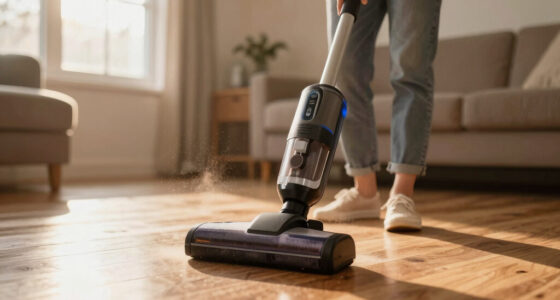
Specialized pet hair attachments matter, too. Motorized brushes, upholstery tools, and crevice nozzles help lift fur from furniture and carpets. Bagged vacuums often clog less because hair doesn’t get trapped in filters, but modern bagless models with proper filters work fine if maintained well.
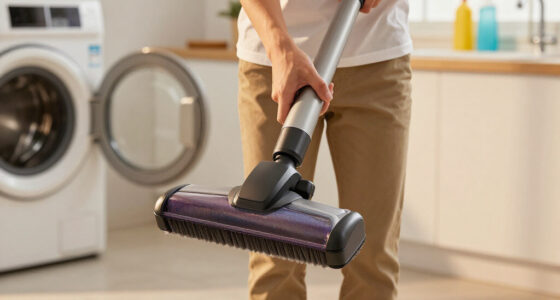
For example, a vacuum with a self-cleaning brush roll prevents hair from wrapping around the brush, which is a common clog culprit. This feature is especially valuable because it reduces the need for manual cleaning of brushes, saving time and preventing potential damage from hair buildup. However, it’s essential to understand that no vacuum can eliminate all hair tangles, so choosing one with easy maintenance features can make a significant difference in long-term performance.
As an affiliate, we earn on qualifying purchases.
Master Your Technique – How to Vacuum Pet Hair Without Clogging
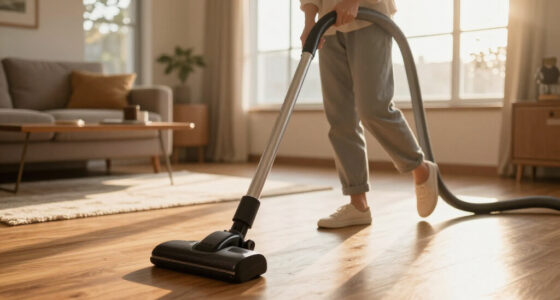
Vacuuming pet hair isn’t just about speed; it’s about strategy. Use slow, overlapping passes to give the vacuum time to lift hair without wrapping it around brushes. When you rush, hair can entangle more easily, leading to clogs and reduced suction. Gently guiding the vacuum ensures better hair removal and less strain on the machine.
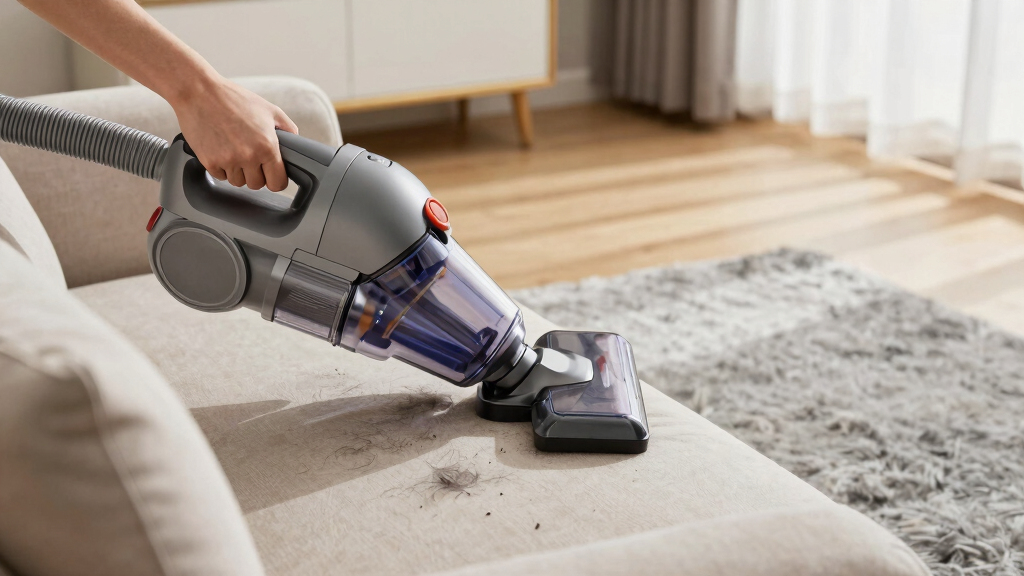
On furniture, attach the upholstery tool and run it gently over cushions, armrests, and fabric surfaces. This targeted approach prevents hair from scattering and allows the vacuum to pick up fur more efficiently. When cleaning carpets, going in multiple directions—back and forth, then side to side—dislodges embedded fur that might otherwise remain stuck and cause future clogs. This method also prevents hair from collecting in one area, reducing the chance of tangles and blockages.
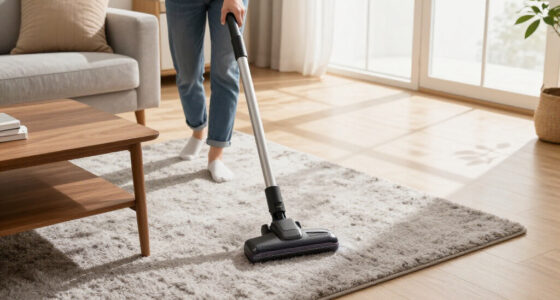
For example, vacuum a shaggy rug in a crisscross pattern, then go over it again from a different angle. This not only pulls out fur but also prevents buildup that causes clogs. Employing these techniques means your vacuum works smarter, not harder, and reduces the frequency of maintenance needed to keep it functioning optimally.
tangle-free pet hair vacuum attachment
As an affiliate, we earn on qualifying purchases.
As an affiliate, we earn on qualifying purchases.
The Maintenance Routine That Keeps Your Vacuum Running Smoothly
Regular maintenance is your best weapon against clogs. Empty the dustbin or replace the bag before it’s over 75% full. Hair and debris will jam less if the container isn’t overfilled because excess material can cause tangles and blockages deeper within the vacuum’s pathways. Additionally, overfilled bins put strain on the motor, reducing its lifespan and efficiency.
Clean filters monthly—especially HEPA filters—and replace them when they appear clogged or worn. This prevents reduced airflow, which is a common cause of clogs. Check hoses for hair wrapping or blockages; a quick peek and a gentle pull can free trapped fur and restore airflow. Neglecting these steps can lead to decreased suction power, increased wear and tear, and more frequent repairs.
For instance, a pet owner who cleans the filter every three weeks, checks hoses regularly, and empties the bin before it reaches capacity reports fewer clogs, longer vacuum lifespan, and more consistent cleaning performance. These practices may seem simple, but their cumulative effect significantly impacts your vacuum’s durability and effectiveness over time.
As an affiliate, we earn on qualifying purchases.
Preventative Measures – Groom Pets and Use Extra Tools
One of the best ways to cut down on vacuum clogging is to groom your pets regularly. Brushing pets daily removes loose fur before it hits the floor, making vacuuming easier and reducing the amount of fur that can cause tangles and blockages. Well-groomed pets shed less, which means less fur to manage and fewer clogs to fix.
Use tools like lint rollers or rubber gloves to lift pet hair from furniture before vacuuming. These methods act as a pre-cleaning step, reducing the fur load on your vacuum and preventing hair from wrapping around brushes or clogging hoses. This proactive approach can significantly decrease the frequency of maintenance and prolong the life of your vacuum.
For example, brushing your dog before vacuuming the living room can cut pet hair on furniture by 50%, which not only makes vacuuming more efficient but also lessens the strain on your vacuum’s components. Consistent grooming and pre-cleaning steps are key strategies for maintaining a fur-free home and ensuring your vacuum remains in top shape.
vacuum for pet hair with strong suction
As an affiliate, we earn on qualifying purchases.
As an affiliate, we earn on qualifying purchases.
Frequently Asked Questions
What type of vacuum is best for pet hair?
Look for vacuums with powerful suction, HEPA filters, and tangle-free brushes. Models with motorized pet hair attachments are especially effective on furniture and carpets.How often should I vacuum to control pet hair?
Ideally, vacuum at least 2-3 times a week, more during shedding seasons. Consistent cleaning prevents hair buildup and reduces allergens.How do I prevent my vacuum from clogging with pet hair?
Regularly clean filters, empty the dustbin or replace bags, and check hoses for hair wrapping. Using attachments and grooming pets reduces the fur load.Can I use a handheld vacuum for pet hair?
Yes, especially for furniture and stairs. For carpets, a full-sized vacuum with appropriate attachments offers better power and coverage.Are there vacuums designed specifically for pet owners?
Many brands offer pet-specific models with features like tangle-free brushes, extra filtration, and specialized attachments to manage pet fur efficiently.Conclusion
Vacuuming pet hair without clogging isn’t about fighting a losing battle. It’s about choosing the right tools, sticking to a maintenance routine, and using smart techniques. Your vacuum can handle the fur—if you treat it right.
Next time you see a fur tumbleweed roll across your living room, remember: a little strategy goes a long way. Keep your vacuum in shape, groom your pets, and vacuum with purpose. That’s the secret to a cleaner, fur-free home.
Halloween Picks
halloween
As an affiliate, we earn on qualifying purchases.