TL;DR
Carpet powder deodorizers can freshen your home, but they vary in safety and effectiveness. Natural options like baking soda are safer but may be less powerful than chemicals. Proper vacuuming and ingredient awareness are key.
Always read ingredient labels to distinguish natural from chemical powders.
Proper vacuuming after application is crucial to prevent residue buildup.
Natural options like baking soda are safer but may be less effective on strong odors.
Use powders as a supplement, not a replacement, for regular deep cleaning.
Consider household members’ sensitivities when choosing a deodorizer.
The Truth About Carpet Powder Deodorizers
A fresh scent is not always a clean carpet. Powders can absorb, neutralize, or simply mask odors—but ingredients, dosage, dwell time, and vacuuming determine whether the result is genuinely useful or merely fragrant residue.
Three routes to “fresh”
Products that look nearly identical can work in fundamentally different ways. Check whether the formula absorbs odors, covers them with fragrance, or breaks down their molecular source.
Capture
Baking soda and similar materials absorb moisture and interact with odor compounds. Useful for routine, mild smells—but less capable against contamination deep in the carpet or pad.
Mask
Synthetic or natural scents create immediate freshness without necessarily removing the odor source. The effect can disappear as fragrance fades—and may bother sensitive lungs.
Break down
Enzyme-based formulas target organic odor compounds from food, pets, and other biological sources. They can last longer when matched to the stain and used exactly as directed.

Good Natured Brand | Carpet Freshener & Deodorizer Powder | 16 oz Pet Odor Eliminator for Strong Odor & Pet Urine | Fresh Natural Lemon Scent | Safe for Homes with Pets
Powerful Deodorizing & Lasting Freshness – Harness the effective cleaning power of GNB's Carpet Freshener Deodorizer. This superior…
As an affiliate, we earn on qualifying purchases.
As an affiliate, we earn on qualifying purchases.
Safety and power are a tradeoff
“Natural” does not mean reaction-proof, and “chemical” does not automatically mean unsafe. Ingredient transparency, fragrance load, household sensitivity, carpet compatibility, and complete removal matter more than front-label claims.
| Decision factor | Natural / baking soda | Chemical / fragranced | Enzyme-based |
|---|---|---|---|
| Mild everyday odor | ✓ Effective | ✓ Effective | ~ Often unnecessary |
| Strong organic odor | ✕ Limited | ~ May only mask | ✓ Stronger match |
| Sensitive household | ✓ Usually gentler | ✕ Fragrance concern | ~ Check full label |
| Ingredient simplicity | ✓ Often clearer | ~ Formula varies | ~ Active blend |
| Residue if overused | ~ Still possible | ✕ Added irritants | ~ Still possible |
✓ favorable ~ conditional ✕ weak fit or higher concern. Always defer to the carpet and product manufacturers’ instructions.
Freshness is not proof of removal.
A strong scent can make a room feel cleaner while the underlying spill, smoke deposit, moisture problem, or pet contamination remains. Treat the source first.
chemical free carpet powder odor eliminator
As an affiliate, we earn on qualifying purchases.
As an affiliate, we earn on qualifying purchases.
The four-step residue defense
More powder does not equal more cleaning power. Controlled application and thorough extraction reduce airborne dust, carpet buildup, skin contact, and potential stress on vacuum filters.
Read + test
Review ingredients, warnings, carpet compatibility, and manufacturer directions. Test an inconspicuous patch first.
Sprinkle lightly
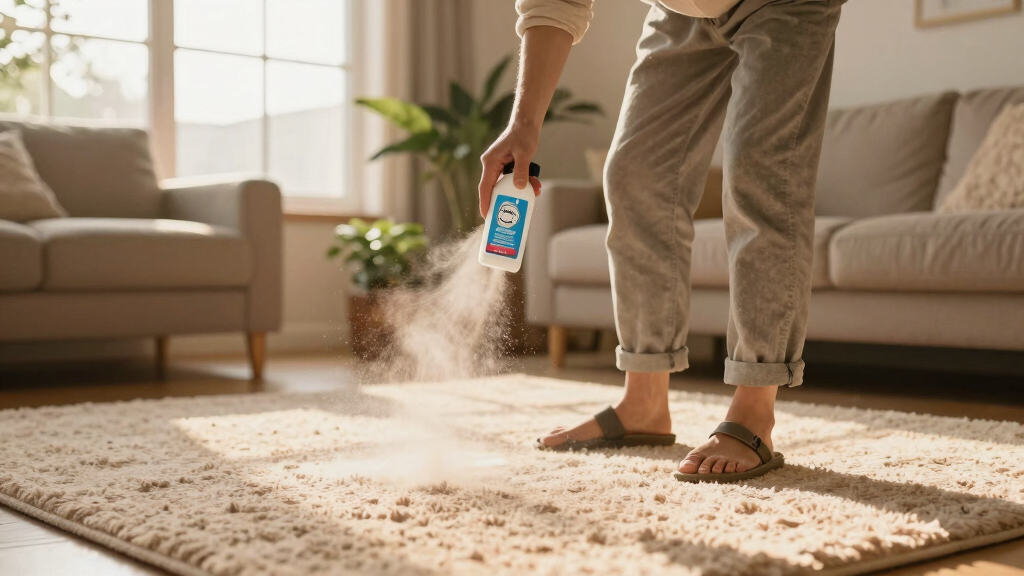
Distribute an even, thin layer. Avoid piles, airborne clouds, and excessive application in one area.
Allow dwell time
Leave for at least 15 minutes or follow the label. Keep children and pets away during treatment.
Vacuum in passes
Use slow, overlapping passes. Maintain filters, and consider a HEPA-filter vacuum to reduce airborne particles.
eco-friendly carpet freshener
As an affiliate, we earn on qualifying purchases.
As an affiliate, we earn on qualifying purchases.
Who needs extra caution?
Residue can be inhaled, contacted by skin, or transferred to hands and paws. Fragrance-free, clearly labeled products and careful removal are especially important when vulnerable household members use the room.
Closer to the carpet
Floor play increases contact with remaining particles. Keep children out during application and until the carpet has been fully vacuumed.
Paws, noses, grooming
Pets may inhale dust or ingest residue while grooming. Choose products specifically labeled for pet households and never assume essential oils are universally safe.
Fragrance can trigger symptoms
Synthetic scents, fine particles, and even natural fragrance ingredients may irritate sensitive airways. Favor low-dust, fragrance-free options.
Equipment matters too
Fine powder can remain in dense fibers or load vacuum filters. Check carpet guidance, maintain the machine, and stop if performance noticeably declines.
vacuumable carpet deodorizer powder
As an affiliate, we earn on qualifying purchases.
As an affiliate, we earn on qualifying purchases.
A better freshness chain
Useful supplement. Poor substitute.
Carpet powder can support a cleaning routine, but it cannot replace source removal, regular vacuuming, spot treatment, or periodic deep cleaning.
What Do Carpet Powder Deodorizers Actually Do?
Carpet powder deodorizers are designed to neutralize or mask unpleasant odors in your carpets. They often contain fragrances, odor-neutralizing agents, and sometimes cleaning ingredients to boost freshness. For example, a typical powder might include baking soda, which absorbs moisture and smells, combined with a scent like lavender or citrus. When sprinkled, these powders settle into fibers, trapping odor molecules.
Many users notice a quick burst of freshness, but the real question is: do they eliminate odors or just hide them? The answer varies. Some powders contain enzymes that break down odor-causing molecules, offering more lasting freshness. Others rely solely on masking scents, which can fade quickly.
Understanding this distinction is crucial because it impacts how effective these products will be over time. Masking scents might provide immediate relief but won’t address the root cause of persistent odors. Enzyme-based powders, however, actively break down organic compounds like pet urine or food spills, leading to a longer-lasting fresh smell. Choosing between these options depends on your specific needs and the severity of odors you face.
Natural vs. Chemical: Which Carpet Powder Is Safer?
Natural carpet powders typically feature ingredients like baking soda, essential oils, or plant extracts. They’re generally safer for pets, kids, and those with sensitivities because they contain fewer synthetic chemicals. Chemical powders, on the other hand, often include artificial fragrances, preservatives, or other additives that can trigger allergies or asthma. The tradeoff is that chemical powders might offer stronger or more immediate odor neutralization, especially against stubborn smells.
For example, a natural powder might use baking soda combined with a few drops of lavender oil, providing odor absorption plus a fresh scent without harsh chemicals. This makes it a good choice for households with sensitive members or those seeking eco-friendly options. Conversely, chemical powders might contain synthetic fragrances and preservatives that give a more potent scent but can irritate respiratory systems if used excessively or in poorly ventilated spaces.
Tip: Always read labels carefully. Natural options tend to be more transparent about ingredients, and their gentler composition often translates into fewer health risks. However, they may require more frequent application or longer wait times to achieve the desired freshness, which is an important consideration when evaluating safety versus effectiveness.
How to Use Carpet Powder Deodorizers Without Causing Harm
Proper application is key to getting the benefits without drawbacks. Here’s a simple step-by-step:
- Sprinkle the powder evenly across the carpet; avoid overdoing it—about 1/4 cup per 10 square feet is enough. Using too much can lead to residue buildup, which may cause health issues or damage your carpet fibers over time.
- Let it sit for at least 15 minutes, or longer for stubborn smells—cover with a cloth if you want to prevent dust from spreading. This waiting period allows the powders to absorb odors and, if enzyme-based, to start breaking down organic compounds.
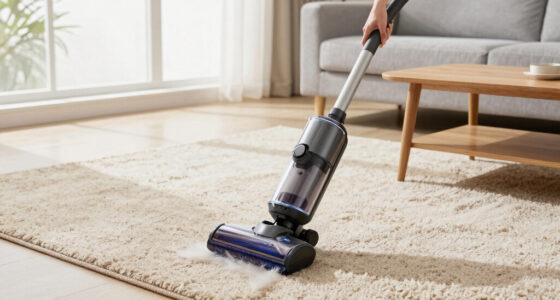
- Vacuum thoroughly, making multiple passes if necessary. This removes the powder along with trapped odors and residues. Incomplete vacuuming can leave residues that irritate lungs and skin, especially with chemical powders or heavily applied natural ones.
Remember, improper vacuuming can leave residues that cause allergies or respiratory issues. Ensure your vacuum is functioning well and clean the filters regularly. Using a HEPA filter vacuum can significantly reduce airborne particles after application.
Pro tip: Use natural powders more frequently — every 1-2 weeks — especially in high-traffic areas. Regular, gentle maintenance prevents odors from becoming deeply embedded, reducing the need for higher doses or stronger chemicals later.
Are Carpet Powder Deodorizers Safe for Pets and Kids?
Most natural powders like baking soda are considered safe, but caution is needed. Synthetic fragrances and certain chemicals can irritate sensitive noses or lungs, especially for pets and children. For example, a pet owner might notice sneezing or coughing after using a heavily scented powder. The implications are significant because prolonged exposure or ingestion of residues can lead to health issues such as respiratory irritation or allergic reactions.
Always check labels for warnings and safety certifications. Opt for powders labeled as pet- and child-safe, which are formulated to minimize risks. Additionally, thorough vacuuming after application is essential to remove residues that could be ingested or inhaled later, especially if pets tend to lick or chew on carpets.
Remember: Even natural ingredients can cause reactions if used excessively or if household members have sensitivities. For households with vulnerable individuals, consider testing a small area first or consulting with a veterinarian or pediatrician before regular use.
Do Carpet Powders Really Fight Tough Odors?
Carpet powders can help with mild to moderate odors, but their power varies based on ingredients and application. Baking soda absorbs moisture and neutralizes smells effectively, but it struggles against deep-set or strong odors like pet urine or cigarette smoke. Enzyme-based powders can break down these stubborn smells more efficiently because they target the organic compounds causing the odor, leading to more thorough odor elimination.
For example, if you have a pet that occasionally marks a corner, a simple baking soda sprinkle might mask the smell temporarily, but it won’t eliminate the source. Persistent odors often require dedicated enzyme-based products or professional cleaning, which actively break down the odor molecules rather than just covering them up. This is essential for maintaining a truly fresh environment, especially in homes with ongoing odor issues.
Tip: Use powders as part of a regular cleaning routine, not as a sole solution for deep odors. Combining powders with targeted cleaning methods enhances overall effectiveness and reduces the risk of residual smells lingering over time.
Understanding these limitations helps prevent disappointment and ensures you select the right product for the severity of the odor problem.