
TL;DR
Act fast when nail polish spills on your carpet. Use the right solvent—like acetone cautiously—and gentle blotting to lift the stain. Quick, careful action keeps your carpet looking its best without harm.
Imagine a bright Saturday afternoon, you’re in a rush, and a sudden slip sends nail polish splattering across your plush carpet. The rich, glossy streaks seem almost impossible to remove. The good news? With quick action and the right approach, you can banish that stain without wrecking your rug.
This guide walks you through practical, proven steps to tackle nail polish spills. From choosing safe solvents to gentle blotting, you’ll learn how to protect your carpet and restore its pristine look—without harsh chemicals or costly professional help.
Act immediately—blot and apply solvents within the first 10 minutes for best results.
Test all cleaning solutions on a hidden area first to avoid discoloration or damage.
Acetone works well but can harm synthetic fibers; consider gentler options for delicate carpets.
Natural remedies like vinegar or baking soda can help on light, fresh stains but may struggle with dried polish.
Prevention, like covering your carpet during nail sessions, saves time and effort later.
Carpet rescue field guide
How to Remove Nail Polish From Carpet
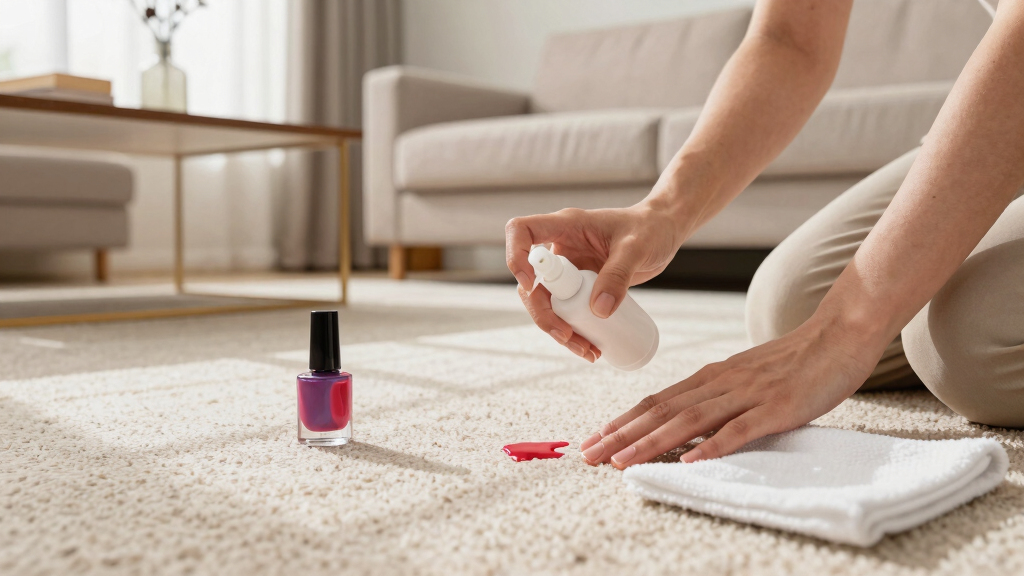
Act fast, test first, and blot gently. The right solvent can lift a glossy spill before it bonds to the fibers—but too much force or the wrong chemical may turn a small stain into permanent carpet damage.
01 / Emergency response
The six-step rescue sequence
Treat the spill like wet paint. Contain it before it spreads, use the smallest practical amount of solvent, and give the polish time to soften before lifting it away.
Read the carpet-care label, ventilate the room, keep heat and flames away, and patch-test your chosen cleaner in an inconspicuous place.
Blot excess
Press with a white towel. Do not rub or grind the polish into the pile.
Patch-test
Apply a tiny amount in a hidden area and check for color or texture change.
Press solvent
Dab a small amount onto the stain with cotton or a clean cloth.
Pause 1–2 min
Let the solvent loosen the polish instead of scrubbing aggressively.
Scrape gently
Use a dull spoon or knife edge only after hardened polish has softened.
Rinse & dry
Blot with a damp cloth, towel-dry, then allow full air drying.
Fresh spill: the advantage window
Starting within the first 10 minutes may prevent the polish from forming a hardened film deep in the fibers.
Dried spill: soften before lifting
Set polish usually needs repeated, controlled solvent applications and gentle mechanical removal.
02 / Solvent selection
Match the cleaner to the carpet
Cleaning power is only half the decision. Carpet material, dye stability, polish type, and stain age determine whether a fast solvent is worth the added risk.
Acetone
Strong on regular and stubborn polish, but it may discolor synthetic fibers, weaken backing, or damage delicate materials.
Rubbing alcohol
Often gentler than acetone and useful for controlled spot treatment, though it may require more time and repeat applications.
Vinegar or soap
Better suited to light, fresh stains and sensitive fibers. Natural options work gradually and may struggle with dried gel polish.
| Cleaning option | Fresh regular polish | Dried or gel polish | Delicate / natural fiber | Main tradeoff |
|---|---|---|---|---|
| Acetone remover | ✓ Strong | ✓ Strong | ✗ High risk | Fast action; possible color and fiber damage |
| Rubbing alcohol | ✓ Effective | ~ Repeat | ~ Test carefully | Gentler, but slower than acetone |
| Diluted dish soap | ~ Light stains | ✗ Limited | ✓ Lower risk | Safer approach with less dissolving power |
| Vinegar + water | ~ Gradual | ✗ Limited | ✓ Often gentler | Needs patience; may require several rounds |
| Carpet stain remover | ✓ Product dependent | ~ Product dependent | ~ Check label | Follow fiber compatibility and product directions |
Legend: ✓ suitable use case / ~ conditional or slower / ✗ generally avoid
03 / Risk calibration
Cleaning power rises with caution
A stronger solvent is not automatically the better choice. Start with the least aggressive compatible option and escalate only after testing and controlled application.
Gentle to aggressive
The safest point depends on the carpet fiber and how deeply the polish has set.
Choose by material
If the carpet label is missing or unclear, treat the material as delicate and avoid taking chemical risks.
04 / Damage prevention
Three mistakes that make stains worse
Most lasting damage comes from friction, saturation, or delay—not from the initial spill alone. A patient, controlled technique protects both the carpet color and its structure.
Scrubbing vigorously
Friction pushes polish deeper, spreads the stain outward, and may fray or distort delicate carpet fibers.
Flooding with solvent
Excess liquid can reach the backing, spread dissolved pigment, weaken adhesives, and leave a larger damaged area.
Waiting for it to set
Dried polish forms a hardened film that often needs stronger chemicals and more mechanical removal.
Professional help is the safer choice for silk, antique, hand-dyed, high-value, or unknown carpet fibers—and whenever repeated treatment fails to improve the stain.
Why Acting Fast Saves Your Carpet From Stains
When nail polish hits your carpet, time is of the essence. The longer it sits, the more it soaks into fibers, making removal harder. Think of it like paint drying—once set, it’s tougher to lift without damage. Immediate action with blotting and gentle solvents prevents the stain from deepening.
For example, a quick response with a damp cloth and acetone can lift 70-80% of the polish before it bonds tightly. The key is to act within the first 10 minutes, before the polish fully dries and sets. This window is critical because once the polish dries, it forms a hardened film that can penetrate deeper, embedding itself into the carpet’s fibers. Trying to remove it after it has set often requires harsher chemicals or professional cleaning, which can risk further damage. Therefore, swift action not only minimizes staining but also preserves the integrity of your carpet’s fibers, making the removal process more manageable and less invasive.

INCREDIBLE! Stain Remover | Instant Spot Remover for New & Old Stains
- Eliminates Various Stains: Removes coffee, wine, pet stains, and odors
- Instant Spot Removal: Quickly removes stains without washing or rinsing
- Family Safe Formula: Non-toxic, non-flammable, and pet-friendly
As an affiliate, we earn on qualifying purchases.
As an affiliate, we earn on qualifying purchases.
Choose the Right Solvent for Your Carpet Type
Not all solvents are created equal. Acetone-based nail polish remover is highly effective on many surfaces but can discolor or weaken some synthetic fibers. Rubbing alcohol offers a gentler alternative but may need more time to work. For natural fibers like wool or silk, stick to milder solutions like diluted dish soap or vinegar.
Understanding why this matters is crucial: using an inappropriate solvent can cause irreversible damage, such as discoloration, fiber weakening, or even holes. For instance, acetone’s high effectiveness comes with a tradeoff—while it can dissolve stubborn polish quickly, it can also strip the color or damage the structural integrity of delicate fibers if not tested first. Conversely, milder options like vinegar are safer but might require patience and multiple applications, which could prolong the cleaning process. Choosing the right solvent involves balancing effectiveness with safety, considering your carpet’s material, and understanding the potential tradeoffs—like speed versus risk of damage. Testing a small, hidden area first ensures you avoid costly mistakes and tailor your approach to your specific carpet type.

Shout Carpet Set-In Stain Lifter Spray, Rug & Carpet Cleaner, Color Safe and Fast Acting Spot & Stain Remover, 22 oz Trigger Spray
- Deep Penetrating Stain Removal: Removes set-in stains from carpets and rugs
- Color-Safe Formula: Prevents fading or discoloration during cleaning
- Fast Acting on Stains: Delivers quick results on various stains
As an affiliate, we earn on qualifying purchases.
As an affiliate, we earn on qualifying purchases.
Step-by-Step: How To Remove Nail Polish From Carpet
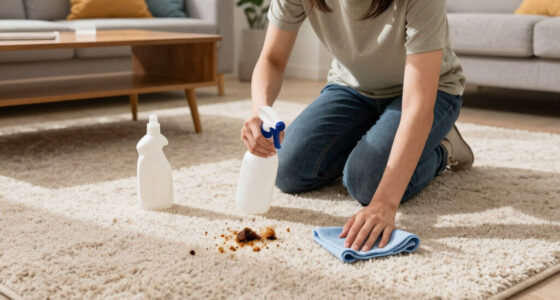
- Blot excess polish with a clean towel or paper towel—don’t rub, or you’ll spread the stain. Rubbing can grind the polish deeper into fibers or damage delicate textures, making the stain more difficult to remove and increasing the risk of fraying or fiber distortion.
- Apply a small amount of acetone or rubbing alcohol on a cotton ball or cloth, then gently press onto the stain. This targeted application minimizes the risk of spreading or overexposing the carpet to harsh chemicals, which could weaken fibers or cause discoloration.
- Let it sit for 1-2 minutes. For stubborn areas, reapply and wait again. This allows the solvent to penetrate and soften the polish, making it easier to lift without aggressive scrubbing that could damage carpet fibers.
- Use a dull knife or spoon to lift softened polish, if needed. Carefully scraping helps remove residual polish without tearing or scratching fibers, especially in plush or textured carpets.
- Blot again with a clean, damp cloth to remove residual solvent. This step ensures no lingering chemicals remain that could cause discoloration or weaken fibers over time.
- Dry with a towel and let air dry completely. Proper drying prevents mold or mildew growth and helps restore the carpet’s appearance without residual stains.
Imagine softening a stubborn gel polish with acetone—then gently scraping it away without damaging your carpet. This method works because it breaks down the polish’s structure, making it easier to lift out. The key is to be gentle and patient, as aggressive scrubbing or excessive solvent use can cause fibers to fray or colors to bleed, leading to more extensive repairs down the line. Taking your time ensures that you preserve the carpet’s texture and color while effectively removing the stain, ultimately saving you money and frustration.

CAMPANELLI Pro Series Carpet & Upholstery Stain Remover Spray, 18Oz Aerosol
- Easy Point-and-Spray Application: Targeted stain removal without bending or scrubbing
- Advanced Pro Series Formula: Effectively removes stains and odors
- Versatile Stain Removal: Cleans dirt, grease, wine, pet messes, and more
As an affiliate, we earn on qualifying purchases.
As an affiliate, we earn on qualifying purchases.
Eco-Friendly and Safer Alternatives That Actually Work
If you’re wary of harsh chemicals, natural options can still be effective—though they might need patience. For light stains, try mixing equal parts of white vinegar and water or a paste of baking soda and water. Apply, let sit for 10-15 minutes, then blot. These solutions are less aggressive, reducing the risk of damaging delicate fibers or causing color change, which is especially important for natural or sensitive carpets.
Understanding why this matters is essential: natural remedies often work by gradually breaking down the polish rather than dissolving it instantly. This slower process minimizes the risk of unintended damage, such as fiber weakening or color bleeding, which can occur with stronger chemicals. For example, vinegar’s acidity can gently lift light stains without harsh abrasives, but if used excessively or left on too long, it might cause slight discoloration in some fibers. Patience with these methods is key—multiple applications may be necessary for stubborn stains. The tradeoff is safety and environmental friendliness, making these options ideal for delicate carpets or households with sensitivities. By choosing these alternatives, you reduce chemical exposure and extend the life of your carpet, though at the expense of a longer cleaning process.

Mighty Mint Carpet Spot Cleaner, Spray to Remove Carpet Stains Instantly, Natural Peppermint Scent, 16oz
- Versatile Stain Remover: For carpets, upholstery, and fabrics
- Natural Ingredients: Made with simple, effective plant-based components
- Powerful Cleaning: Removes wine, food, pet stains, and dirt
As an affiliate, we earn on qualifying purchases.
As an affiliate, we earn on qualifying purchases.
Avoid These Common Mistakes When Removing Nail Polish
Scrubbing vigorously can damage delicate fibers, making the stain worse by pushing the polish deeper or fraying the fabric. Using too much solvent risks discoloration or weakening the carpet’s backing, which can lead to permanent damage or holes. Also, waiting too long to treat the spill can cause the polish to set permanently, making removal significantly harder or impossible. Rushing or aggressive techniques often cause more harm than good, so gentle, timely action is crucial.
Imagine trying to scrub dried paint with a rough brush—damage often follows. Instead, gentle blotting and testing solvents first protect your carpet’s texture and color, maintaining its integrity over time. The tradeoff here is between speed and safety: rushing may seem tempting but often results in irreversible harm, such as fibers fraying or colors bleeding. Proper technique involves patience, gentle pressure, and thorough testing, which together help preserve your carpet’s lifespan and appearance. Recognizing that every stain requires a tailored approach prevents costly mistakes and ensures you retain the beauty and durability of your flooring.
How to Prevent Nail Polish Stains From Happening
Prevention is your best friend. Use plastic or paper towels to cover the carpet when doing nails. Work on a protected surface, and clean spills immediately with a damp cloth. A quick response can stop stains from setting and reduce the need for intensive cleaning later. Investing a few seconds to safeguard your carpet can save hours of effort and potential damage, especially with stubborn stains like nail polish that bond quickly to fibers.
Understanding why this matters is key: proactive protection minimizes the risk of accidental spills becoming permanent stains. Covering your work area creates a barrier, preventing the polish from coming into contact with the carpet in the first place. Immediate cleanup prevents the polish from drying and hardening, which is much harder to remove later. This simple step essentially acts as insurance—saving you time, effort, and money by avoiding extensive cleaning or repairs. Being proactive in protecting your home’s surfaces is a small investment that pays off by maintaining the appearance and longevity of your flooring.
Frequently Asked Questions
Can I use acetone nail polish remover on all types of carpets?
No, acetone can damage or discolor some fibers, especially synthetic or delicate carpets. Always test on a small hidden area first and proceed cautiously.
What’s the best way to remove dried nail polish from carpet?
Softening the polish with a solvent like acetone or rubbing alcohol, then gently scraping or blotting, helps lift dried stains. Patience is key.
Are natural remedies effective for nail polish stains?
They work best on light or fresh stains. For stubborn or dried polish, stronger solvents or professional cleaning might be needed.
How can I prevent nail polish from staining my carpet?
Cover your work area with plastic or paper towels, work on a protected surface, and clean spills immediately with a damp cloth.
What should I avoid when removing nail polish from carpet?
Don’t scrub vigorously, overuse solvents, or use harsh chemicals that could damage fibers or cause discoloration.
Conclusion
Quick, gentle action can save your carpet from permanent stains—so keep a small stash of safe solvents nearby. Remember, patience and careful blotting are your best tools. A little prevention now keeps your carpets looking fresh for years.
When in doubt, consult a professional. But most spills respond well to these simple steps—making your home a cleaner, brighter place.