
TL;DR

Get cleaning gear delivered free with Prime
- Fast, free delivery on millions of items
- Prime Video, Amazon Music and more included
- Member-only deals all year
Bleach chemically destroys carpet fibers, making stains often permanent. Immediate action like blotting and rinsing can limit damage, but full restoration usually needs repair or concealment. Recent advances in dyeing and patching help, yet prevention remains key.
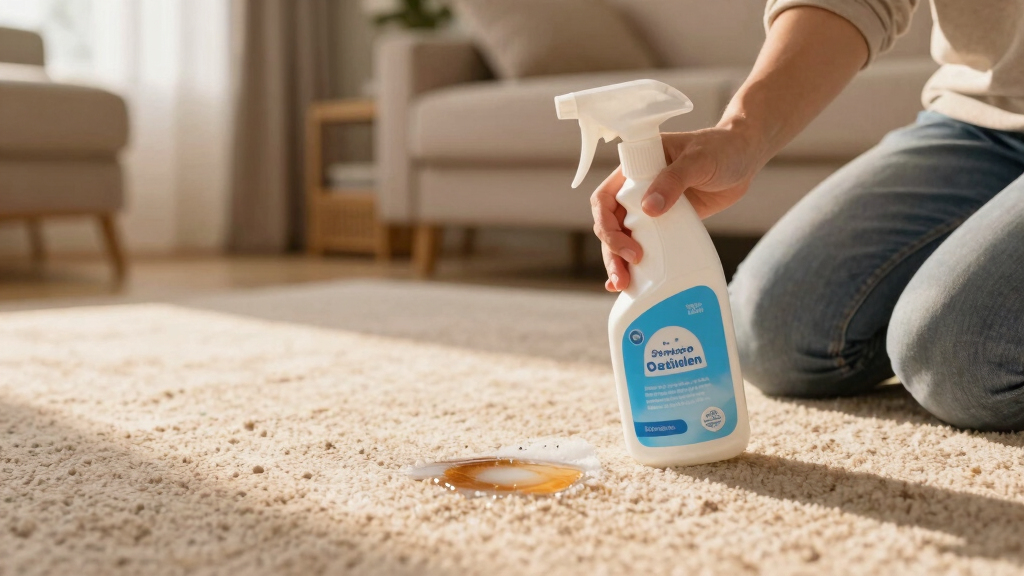
Ever spilled bleach on your carpet? That stark, uneven patch can feel like a nightmare. Bleach doesn’t just stain—it destroys fibers, leaving behind a hole in your decor and a headache for your DIY spirit. But don’t panic. Knowing what to do right away can make the difference between a salvageable patch and a permanent mess.
This guide walks you through the real steps you can take—whether that means limiting damage, attempting simple fixes, or knowing when to call in the pros. Bleach stains are tricky, but with a clear plan, you can handle them without tearing out your hair—or your carpet.
Bleach chemically destroys carpet fibers, making stains often permanent.
Immediate blotting and rinsing can limit the extent of damage but rarely fully restore fibers.
DIY repair options like dyeing or patching can improve appearance but often need professional help for seamless results.
Prevention—using protective covers and careful chemical handling—is the best approach to avoid bleach stains.
For large or deep damage, professional repair offers the best chance at restoring your carpet’s look and integrity.
How to Remove Bleach Stains From Carpet
Bleach does not merely leave a stain—it chemically removes color and can weaken the carpet itself. Fast blotting and rinsing may limit the affected area, but restoring the finished appearance usually means dyeing, patching, or professional repair.
The five-step damage-control sequence
Move promptly and gently. These steps can reduce continued exposure, but they cannot reverse color already stripped from the fibers.
Blot immediately
Press with a clean, dry, colorfast cloth to absorb excess liquid.
Rinse gently
Apply a small amount of cold water and dab to dilute residual bleach.
Neutralize carefully
Use an appropriate neutralizer or a mild baking-soda-and-water mixture.
Blot moisture
Lift out liquid with fresh cloths and avoid oversaturating the backing.
Assess damage
Check color loss, brittleness, pile depth, and the size of the affected area.
Friction can spread the bleach and distort the pile, while excess water may carry the chemical deeper into the carpet and backing.
Why ordinary stain removal fails
Cleaning removes material sitting on a fiber. Bleach damage is different: the chemical reaction changes the fiber and destroys its color.
The pale patch is evidence of lost dye—not trapped dirt.
Bleach breaks down color molecules and may compromise the carpet fiber’s structure. The result can include permanent discoloration, reduced elasticity, brittleness, fraying, or a hole.
Wool and other sensitive fibers may show especially obvious texture damage. Even if new color is applied, weakened fibers may not regain their original strength or feel.
Choose a fix that matches the damage
Size matters, but so do pile height, location, fiber type, available carpet remnants, and the visibility of the repaired area.
Spot dyeing
Best for small areas where the pile remains structurally sound. Color matching is delicate and results vary by fiber.
Patch repair
The damaged section is removed and replaced with matching carpet of the same fiber, color, pile, and wear level.
Professional work
Technicians may use precision color matching, tufting, bonded inserts, or heat-set patch techniques.
| Repair option | Ideal condition | DIY friendly | Color-match control | Durability outlook |
|---|---|---|---|---|
| Spot dye or colorant | Small mark; fibers remain intact | ~ Variable | Challenging | Depends on fiber condition |
| Carpet patch | Localized damage or missing pile | ~ Skilled DIY | Good with matching remnant | ✓ Strong |
| Professional tufting | Visible, irregular, or deeper damage | ✗ No | High precision | ✓ Strong |
| Cleaning alone | Residual chemical before full damage | ✓ Limited | Cannot replace lost dye | ✗ Not a restoration |
Better tools, more discreet repairs
New products and professional techniques improve blending and damage control, although none can make chemically destroyed fibers new again.
Advanced spot dyes
Improved pigments and repair kits offer more nuanced color blending across common carpet shades.
Modern neutralizers
Specialized agents can halt residual chemical activity more effectively when applied appropriately.
Tufting and heat-set patches
More precise tools help technicians integrate replacement fibers and conceal patch edges.
Bleach-tolerant fibers
Some newer carpets use stain-resistant or bleach-safe constructions to reduce visible damage risk.
Protect the carpet before opening the bottle
Prevention remains more reliable and less expensive than even the most advanced restoration method.
Create distance and a physical barrier.
Keep bleach away from carpeted areas whenever possible. In laundry or cleaning zones, a waterproof mat can contain splashes before they reach the pile.
Place a waterproof cover beneath mixing and cleaning areas.
Try any cleaner in a hidden area before wider application.
Avoid bleach unless the carpet manufacturer explicitly permits it.
Keep bottles closed, upright, and away from carpeted traffic routes.
From spill to the right outcome
Fast answers
Can a bleach stain be completely removed?
Generally, no. Color already destroyed cannot be washed back, but dyeing or patching can improve the appearance.
What should I do immediately?
Blot with a clean cloth, rinse gently with cold water, neutralize appropriately, and avoid rubbing.
Do home remedies work?
Colorants and repair kits may help minor marks, but matching can be difficult and results vary.
When should I call a professional?
Seek expert help for large, deep, brittle, highly visible, or structurally damaged areas.
Why Bleach Damage Is Usually Permanent
Bleach chemically destroys carpet fibers, breaking down their structure at a molecular level. This isn’t just a surface stain; it’s a fundamental alteration of the fibers’ integrity. Once the fibers are compromised, they lose their elasticity, color, and strength. For example, a bleach spill on a wool rug leaves a white, frayed patch that’s impossible to dye back to the original shade because the fibers have been irreversibly damaged. This damage can also cause the fibers to become brittle and break easily, leading to further deterioration over time.
Understanding this process matters because it highlights why superficial cleaning methods often fail to restore the original look. The chemical destruction is permanent, meaning that any attempt to re-dye or repair must work around the fact that the fibers are fundamentally altered. This knowledge helps homeowners set realistic expectations and avoid wasting effort on futile remedies that won’t address the underlying damage.
As an affiliate, we earn on qualifying purchases.
Quick Steps to Minimize Bleach Damage on Carpet
- Blot the spill immediately with a clean, dry cloth—don’t rub, just absorb. Rubbing can push the bleach deeper into the fibers, worsening the damage and enlarging the affected area.
- Rinse the area with cold water, pouring gently and dabbing with a sponge. Repeating this step helps dilute the bleach and reduce its chemical activity, which can limit how extensively it destroys the fibers.
- Apply a neutralizing solution, like a mix of baking soda and water, to stop the chemical reaction. Neutralizing reduces the ongoing damage and prevents further fiber breakdown, which is crucial if you want to preserve as much of the original fibers as possible.
- Blot again to remove excess moisture. Keeping the area as dry as possible prevents mold growth and further fiber deterioration, which can happen if moisture is left to linger.
- Assess the damage: Is it just a light stain or a hole? This evaluation determines your next steps—whether simple cleaning, repair, or professional intervention is needed.
For instance, quick action on a small bleach splash can stop the damage from spreading, saving you from more extensive repairs or replacements later. Acting swiftly minimizes the chemical’s penetration and preserves the remaining fibers’ integrity.
As an affiliate, we earn on qualifying purchases.
Best Ways to Repair or Conceal Bleach Stains
When bleach has caused permanent damage, repair or concealment becomes necessary. It’s important to consider the extent of the damage, the location, and your budget, as these factors influence the most effective approach. For small, localized damage, dyeing or spot repair kits can help blend the affected area with the rest of the carpet. These kits often contain dyes formulated to match common carpet colors, but achieving a perfect match can be tricky and may require professional skill.
For larger or more severe damage, patch repair becomes a viable option. This involves cutting out the damaged section and replacing it with a piece of matching carpet. The success of this method hinges on sourcing a remnant that closely matches the original fibers, pile height, and color. Properly installed patches can be nearly invisible, especially if done by a professional who can blend the edges seamlessly.
In cases of extensive damage, professional help is advisable. Expert carpet repair technicians can perform advanced techniques like tufting or heat-set patches, which integrate the repair into the existing carpet more seamlessly. They can also color-match dyes and use specialized tools to ensure the repair looks natural. This approach often costs more but provides the best chance of restoring your carpet’s appearance and durability.
Understanding the tradeoffs is key: DIY repairs are cheaper but may not be as seamless, while professional repairs cost more but offer a higher likelihood of invisibility and durability. Your choice depends on damage size, location, and your personal priorities for cost and appearance.
professional carpet repair services
As an affiliate, we earn on qualifying purchases.
As an affiliate, we earn on qualifying purchases.
Latest Tech & Trends in Bleach Damage Repair
Recent innovations are making bleach stain repair easier and less noticeable. New dyeing kits provide better color matching for DIY repairs, often incorporating advanced pigments that adapt more effectively to different carpet fibers. Enzymatic neutralizers halt chemical reactions faster by breaking down residual bleach, reducing the risk of further fiber damage and making repairs more successful.
Professional repair techniques have also evolved. Methods like tufting or heat-set patches now use more precise tools, allowing technicians to blend patches into existing carpet fibers with greater accuracy. Additionally, some carpet manufacturers have developed stain-resistant, bleach-safe fibers that resist damage or make repairs less visible when damage occurs. These innovations help prolong the life of your carpet and make repairs more manageable, ultimately saving you money and effort.
For example, a homeowner recently employed a combination of a high-quality dye kit and a professional repair service. The result was a bleach spot that was virtually indistinguishable from the surrounding area, demonstrating how these technological advances are improving outcomes.
carpet stain remover for bleach stains
As an affiliate, we earn on qualifying purchases.
As an affiliate, we earn on qualifying purchases.
How to Prevent Bleach Stains in the First Place
Prevention is your best defense against bleach stains. Keeping bleach and other harsh chemicals away from your carpet minimizes the risk of accidental spills and irreversible damage. Using protective mats in areas like laundry rooms or cleaning stations acts as a physical barrier, preventing spills from seeping into the fibers and causing damage. For example, placing a rubber mat under your laundry sink or cleaning area can contain accidental splashes, saving you from costly repairs later.
Additionally, always test cleaning solutions in an inconspicuous spot to ensure they won’t cause discoloration or damage. Diluting bleach heavily before use reduces its potency, making accidental spills less likely to cause severe damage. Developing habits like these creates a proactive approach, significantly reducing the chance of costly and irreversible damage to your carpets.
By understanding and implementing these simple precautions, you effectively reduce your risk of bleach-related mishaps, preserving your carpet’s appearance and longevity.
When to Call a Pro — Spotting the Signs
If bleach has caused extensive fiber damage or a large, stubborn stain that you cannot repair, it’s time to seek professional help. Signs include frayed, brittle fibers, significant color mismatches that DIY methods can’t fix, or holes in the carpet. Recognizing these signs early can prevent further deterioration and ensure a more seamless repair.
For example, a large bleach spill on a high-traffic area may require patching, re-stretching, or even partial replacement—tasks best handled by experienced technicians. Attempting to DIY in such cases can lead to uneven repairs, additional damage, or safety hazards. If your attempts to fix the stain don’t produce a seamless look or if the damage affects the safety or comfort of your space, contacting a professional ensures your carpet’s integrity and aesthetic are maintained. Knowing when to call a pro can save you money, time, and frustration in the long run.
Frequently Asked Questions
Can bleach stains on carpet be completely removed?
Most bleach stains cause permanent fiber damage, so complete removal isn’t usually possible. However, color restoration or patching can significantly improve their appearance, especially if caught early. Recognizing the irreversible nature of the damage emphasizes the importance of prompt action and realistic expectations. Trying to fully restore fibers that have been chemically compromised often results in uneven patches or further damage, so understanding the limitations helps you make informed decisions about repair options.
What should I do immediately after spilling bleach on my carpet?
Blot the spill gently with a clean, dry cloth—avoid rubbing. Rubbing can spread the bleach and deepen the damage, making the affected area larger and more difficult to repair. Then rinse the area with cold water and neutralize with a baking soda solution if possible. These steps dilute and halt the chemical process, preventing further fiber deterioration. Acting quickly not only minimizes visible damage but also preserves the structural integrity of the remaining fibers, which is crucial for any subsequent repair or concealment efforts.
Are home remedies effective for fixing bleach stains?
Some home remedies, like using carpet dye or repair kits, can help improve the appearance of bleach stains. However, results vary widely depending on the extent of damage, carpet type, and skill level. While these methods can conceal minor discoloration or damage temporarily, they rarely address the underlying chemical destruction. For more extensive or deep stains, professional repair methods—such as dyeing by specialists or patching—are more likely to produce seamless, durable results that restore both appearance and fiber integrity.
How can I prevent bleach damage in the future?
Keeping bleach and other harsh chemicals away from your carpets is essential. Use protective mats, especially in laundry or cleaning areas, to contain accidental spills. Always test cleaning solutions in a hidden spot to check for adverse reactions before applying broadly. Diluting bleach heavily reduces its potency, decreasing the risk of irreversible damage if spills occur. Developing these habits creates a proactive defense, significantly reducing the likelihood of costly and permanent damage that can compromise your carpet’s appearance and longevity.
When should I call a professional for bleach stain repair?
If the damage covers a large area, causes fiber fraying, or the stain remains stubborn despite DIY efforts, it’s best to consult a professional carpet repair specialist. They can perform advanced repairs like tufting, heat-set patches, or full replacement, which ensure a seamless, durable result. Recognizing these signs early prevents further deterioration and ensures your carpet’s longevity and aesthetic appeal. Relying on professionals in complex cases not only saves time and frustration but also preserves the value and safety of your space.
Conclusion
Bleach stains on carpet are a tough challenge, but quick, informed action can limit damage and improve your chances of a good fix. Remember, once fibers are broken down, full restoration is unlikely—repair or concealment is often your only option.
Think of your carpet like a delicate piece of fabric: a tiny spill can become a big problem if ignored. Stay vigilant, act fast, and don’t hesitate to call in a pro when needed. Your floor will thank you.
Halloween Picks
halloween
As an affiliate, we earn on qualifying purchases.