TL;DR

Get cleaning gear delivered free with Prime
- Fast, free delivery on millions of items
- Prime Video, Amazon Music and more included
- Member-only deals all year
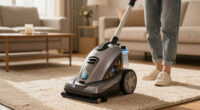
To refresh a pet-smelling rug, act quickly with targeted cleaning, use enzymatic or natural odor neutralizers, and dry thoroughly. Modern tools like steam cleaners and eco-friendly solutions make it easier to keep your home smelling fresh.
Pet odors can turn a cozy home into an invisible cloud of smell. It’s frustrating when your favorite rug starts smelling like a pet’s favorite spot—damp, musky, and hard to ignore.
But here’s the good news: refreshing a rug that smells of pets doesn’t mean you need professional help or harsh chemicals. With some simple steps, you can breathe new life into your carpets and reclaim your space’s freshness.
Act quickly after pet accidents to prevent odors from setting deep into fibers.
Enzymatic cleaners are the most reliable for breaking down pet urine proteins and removing odors.
Natural remedies like baking soda and vinegar are safe, affordable, and effective for regular refreshes.
Thorough drying after cleaning prevents mold and keeps odors from re-emerging.
Regular grooming and strategic placement of washable or odor-resistant rugs help maintain a fresh home.
How to Refresh a Rug That Smells of Pets
Act quickly, neutralize the source, then dry completely. Pet odors do not have to become permanent. The right treatment can lift urine proteins, dander, oils, and trapped moisture without filling your home with masking fragrances or harsh chemicals.
Enzymatic cleaners break down urine proteins instead of merely covering their smell.
Minutes of enzyme contact time
Dry before returning the rug to use
Follow the smell to its source
A rug can look clean while odor-causing material remains deep inside. Check for discoloration and dampness, but also use the odor profile to decide whether you need a surface refresh or a deep enzymatic treatment.
Urine residue
Urine proteins bond tightly to fibers and can reactivate when humidity rises. Target the entire affected depth, not just the visible stain.
Dander and hair
Loose hair and microscopic skin flakes trap odor and dust. Thorough vacuuming is the essential first pass before deodorizing.
Skin oils
Repeated lounging transfers natural oils into the pile. A pet-safe deep clean helps release the buildup that surface sprays leave behind.
The first 20 minutes matter
Immediate action limits how deeply liquid and odor proteins travel. Keep pressure controlled, use cold water, and give enzymes enough time to work.
Blot
Press with a clean white cloth or paper towel. Do not rub.
Rinse lightly
Use a small amount of cold water to dilute fresh residue.
Blot again
Lift diluted moisture instead of pushing it deeper into the rug.
Apply enzyme
Cover the full affected area according to the product directions.
Wait + dry
Allow 15–20 minutes of contact, then dry thoroughly.
Remove odor—don’t mask it
Natural remedies are useful for regular refreshes, while enzymes are the strongest choice for urine. Always check the rug manufacturer’s instructions before introducing moisture or heat.
| Method | Best for | How to use | Source removal |
|---|---|---|---|
| Enzymatic cleanerPet-specific formula | Urine and organic stains | Saturate affected fibers; observe the label’s contact time. | ✓ |
| Baking sodaDry neutralizer | General musk and routine refreshes | Leave for 30–60 minutes—or overnight—then vacuum fully. | ~ |
| Vinegar solutionEqual parts water | Sour or ammonia-like odor | Mist lightly, blot, and allow the temporary vinegar scent to dissipate. | ~ |
| Activated charcoalPassive absorber | Lingering airborne odor | Place bags near or beneath the rug without staining contact. | ~ |
Match effort to the odor
The effectiveness scale below is a practical decision aid based on the treatment roles described in this guide—not laboratory performance data. Begin with the least invasive suitable method and escalate only when needed.
Relative source-removal strength
Use enzymes for protein-based urine residue; use absorbers as supporting treatments.
Escalation spectrum
Let odor severity, contamination depth, and rug-care instructions determine the next step.
Drying is part of cleaning
Residual moisture can encourage mold and mildew, producing a new odor after the pet smell seems gone. Increase airflow, lift the rug when safe, and wait until both the pile and backing are fully dry.
Open the room
Use windows, fans, or ventilation to move damp air away from the rug.
Expose the backing
When the construction allows it, elevate or turn the rug so both sides can dry.
Avoid over-wetting
More liquid is not always more cleaning; excess moisture can reach the pad or floor.
Check before use
Do not replace furniture or allow pets back until no cool or damp areas remain.
Prevention beats repetition
A simple maintenance rhythm reduces odor buildup and makes future accidents easier to manage. Focus on the pet, the rug, and the high-traffic zones connecting them.
Vacuum often
Remove hair, dander, and grit before they settle deeper into the pile.
Groom pets
Regular brushing reduces shed hair, dander, and oils transferred indoors.
Use washable mats
Protect favorite lounging spots and entrances with easy-care layers.
Rotate the rug
Distribute wear and prevent one pet-favored zone from absorbing everything.
Inspect early
Respond to faint odor or dampness before residue accumulates.
The freshness chain
Fresh rug, no fragrance cover-up required
If odor returns after the rug is dry, contamination may remain in the backing, rug pad, or flooring. Repeat a targeted treatment only if the care label permits it; persistent deep odor may require a professional rug cleaner or replacement of the affected pad.
Identify whether the source is urine, dander, hair, oils, or moisture.
Blot fresh accidents immediately and avoid rubbing or hot water.
Use a rug-safe enzymatic cleaner for urine protein residue.
Use baking soda, vinegar, or charcoal for suitable supporting roles.
Dry the pile, backing, pad, and floor completely before normal use.
Identify What’s Causing the Smell — The First Step to Freshness
Pet odors come from proteins in urine, dander, and oils. These substances are not only responsible for the smell but can also cause health issues if left untreated, such as allergies or respiratory irritation. The smell often hides deep in the fibers, especially if your pet spends a lot of time on that rug, making it difficult to eliminate with surface cleaning alone.
For example, if your rug smells damp and sour, it’s likely urine, which contains proteins that bond tightly with fibers. If it’s musky and stale, it might be dander or oils trapped inside the fibers, which can linger even after surface cleaning. Pinpointing the source helps you choose the most effective cleaning method, as different odors require different approaches. Failing to identify the true source can lead to temporary masking rather than complete removal, allowing odors to resurface later.
Look for visible stains, discoloration, or damp spots, but don’t rely solely on appearance—use your nose. The smell will tell you where to focus your efforts, and understanding the nature of the odor can help you decide whether a simple surface clean or a deep enzymatic treatment is needed.
enzymatic pet stain remover for rugs
As an affiliate, we earn on qualifying purchases.
As an affiliate, we earn on qualifying purchases.
Quick Action: How to Clean Fresh Pet Stains and Prevent Odors
When pet accidents happen, acting swiftly is critical because fresh stains are much easier to clean and less likely to cause permanent odors. Immediate response prevents the proteins in urine or other substances from bonding permanently with the fibers, which makes subsequent odor removal more difficult. Blotting the stain with paper towels or a clean cloth absorbs excess moisture, but avoid rubbing—rubbing can push the mess deeper into the fibers and make it harder to remove.
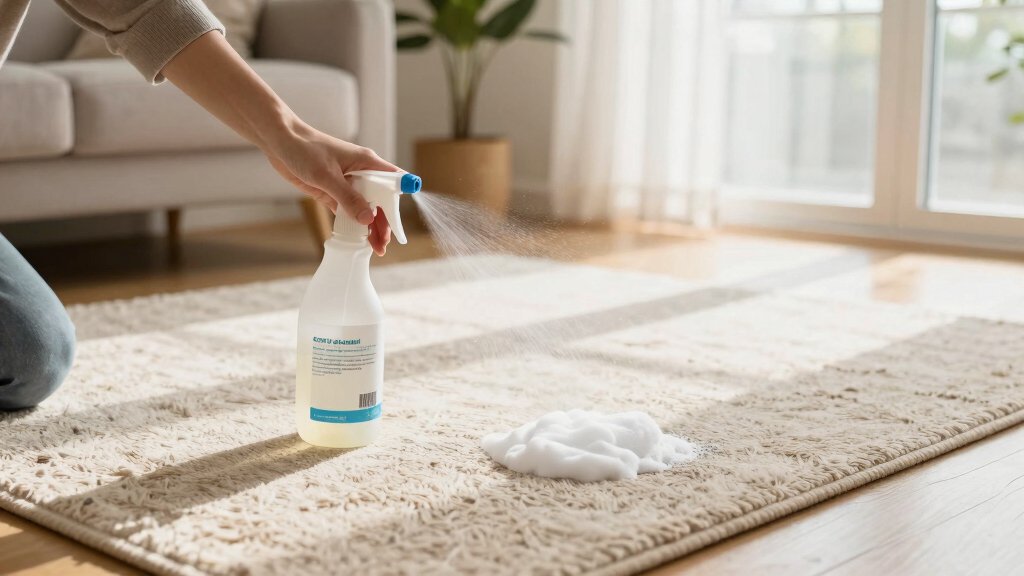
If you catch the accident early, rinsing with cold water and blotting again can dilute the stain and reduce the concentration of odor-causing proteins. Applying an enzymatic cleaner right after prevents these proteins from setting into the fibers, which is essential because once proteins bond, they become much harder to break down. Spraying generously and letting it sit for 15-20 minutes allows the enzymes to digest the proteins fully, effectively neutralizing the odor at its source.
For example, if your dog marks a corner, cleaning immediately with enzymes not only stops the smell from embedding into the fibers but also prevents the pet from returning to that spot to re-mark, creating a cycle of odor buildup. Quick action minimizes long-term cleaning efforts and preserves the integrity of your rug’s fibers.
natural odor neutralizer for carpets
As an affiliate, we earn on qualifying purchases.
As an affiliate, we earn on qualifying purchases.
Deep Cleaning: The Best Natural and Safe Ways to Refresh Your Rug
Deep cleaning is crucial because pet odors are often embedded deep within the fibers, making surface cleaning insufficient. Natural methods are not only safer for your family and pets but also environmentally friendly, and when done correctly, they can be highly effective. Here are three methods with their implications:
- Baking soda: Sprinkling a generous layer over the entire rug allows it to absorb moisture and neutralize odors. Waiting at least 30 minutes to an hour maximizes its effectiveness, but for best results, leaving it overnight can significantly reduce persistent smells. Vacuuming afterward removes the baking soda along with trapped odors. However, overuse or improper vacuuming can leave residue, so thoroughness is key.
- Vinegar solution: Mixing equal parts white vinegar and water creates a natural deodorizer that neutralizes odors through its acetic acid content. Lightly spraying or sponging onto the rug helps break down odor molecules, while blotting and drying remove residual moisture. The tradeoff is that vinegar can leave a temporary smell, but it dissipates as the rug dries, leaving a cleaner scent. It’s especially effective against sour or ammonia-like smells from urine.
- Enzymatic cleaners: These are specifically formulated to target the proteins in pet urine, which are often the root cause of lingering odors. Applying enough to soak the affected area ensures the enzymes have contact with all residues. They work at a molecular level to break down proteins, which is why they are so effective. The tradeoff is that enzymatic cleaners can be more expensive and require proper application—using too little or not allowing enough contact time can reduce their effectiveness. Properly used, they can eliminate odors permanently rather than temporarily masking them.
For example, after vacuuming and spot-treating with enzyme solutions, you’ll notice a significant reduction in pet smell, especially in high-traffic areas. Understanding the science behind these methods helps you choose the right approach for different situations, ensuring long-lasting freshness rather than short-term masking.
As an affiliate, we earn on qualifying purchases.
Use Odor Neutralizers That Actually Work — No More Masking Scents
Baking soda, activated charcoal, and commercial odor neutralizers are your allies in the fight against persistent pet smells. They work by absorbing residual odor molecules that cleaning alone may not reach, thus preventing the smell from returning. Baking soda is versatile; sprinkling it over the rug and letting it sit overnight allows it to trap odors effectively, but it needs to be vacuumed thoroughly to remove residues that could dull the rug’s appearance over time.
Activated charcoal is highly porous, making it excellent at trapping a wide range of odor molecules. Placing charcoal bags near or under the rug can help absorb lingering smells, especially in areas prone to pet accidents. For persistent or stubborn odors, commercial neutralizers formulated specifically for pet odors often contain a blend of odor-absorbing agents and enzymes designed to break down the source molecules more thoroughly. The choice depends on the severity and nature of the odor, as well as your preference for natural versus chemical solutions.
For instance, in a home with multiple pets, placing bowls of activated charcoal under furniture helped reduce the overall smell by continuously adsorbing airborne odor molecules. Effective neutralization is about more than just masking—it’s about removing the molecules responsible for the smell, which ensures your home stays fresh longer.
As an affiliate, we earn on qualifying purchases.
Drying Matters: How to Fully Dry Your Rug and Stop Mold & Mildew
Proper drying is often overlooked but is critical because residual moisture can lead to mold, mildew, and a resurgence of odors. If your rug remains damp, it creates an ideal environment for bacteria and fungi, which produce musty smells and pose health risks. After cleaning, airing the rug outside in sunlight is ideal because UV rays help kill bacteria and dry out fibers quickly. Indoors, fans and dehumidifiers are essential tools—fans promote air circulation, and dehumidifiers remove excess moisture from the air, accelerating drying time.
Ensure the rug dries completely—at least 24 hours—before walking on it or replacing furniture. Partial drying leaves moisture trapped within fibers, which can foster mold growth and cause odors to reappear. In humid climates, combining multiple drying methods (outdoor airing, fans, dehumidifiers) is often necessary to achieve thorough dryness. Remember, faster drying reduces the chance of mold and mildew, which are major contributors to persistent, hard-to-eliminate pet odors.
For example, in humid climates, using a dehumidifier alongside fans sped up drying, preventing the development of a musty smell that can last for weeks if ignored. Ensuring complete dryness is a crucial step in the odor removal process and maintaining a healthy living environment.
Prevent Future Smells — Keep Your Rug Fresh Longer
Prevention is the best strategy for maintaining a fresh-smelling rug over time. Regular grooming of your pets, including frequent baths and brushing, reduces dander, oils, and urine residues that contribute to odors. Using washable rugs or mats in high-traffic or accident-prone areas simplifies cleanup and allows for more frequent washing with pet-safe solutions. Additionally, training pets to avoid certain areas or behaviors can significantly reduce the frequency of accidents and associated odors.
Vacuum frequently—at least twice a week—and wash rugs with safe cleaning solutions every 1-2 months. Consider investing in pet-specific rugs that contain built-in odor neutralizers or antimicrobial treatments that inhibit bacterial growth and odor formation. These proactive steps create an environment where odors are less likely to develop, saving time and effort in the long run.
For example, a family with cats placed washable, odor-resistant mats in the living room, which they washed regularly, significantly cut down on pet smell buildup. Consistent maintenance and strategic choices are key to a long-lasting fresh home environment.
Compare Your Cleaning Options — What Works Best for Pet Odors
| Method | Pros | Cons |
|---|---|---|
| Vinegar & Water | Safe, cheap, effective for light odors | Can leave a vinegar smell temporarily |
| Baking Soda | Absorbs odors, natural, easy | Requires vacuuming afterward |
| Enzymatic Cleaners | Breaks down proteins, most effective | More expensive, requires proper application |
Frequently Asked Questions
How can I remove pet urine smell from my rug without professional help?
Start by blotting fresh stains with paper towels. Apply an enzymatic cleaner generously, let it sit for 15-20 minutes, then blot again. Follow with baking soda and vacuum thoroughly after a few hours. Repeat if needed.
Are natural remedies like vinegar safe for all types of rugs?
Vinegar is generally safe for most rugs, but test a small hidden area first to check for colorfastness. Avoid using undiluted vinegar on delicate or antique rugs, and always rinse well afterward.
How often should I deep clean my rug to prevent odors?
Deep cleaning every 1-2 months helps keep pet odors in check, especially in high-traffic or pet-littered areas. Regular vacuuming weekly also reduces buildup of dander and oils.
What are the best products to neutralize pet odors?
Enzymatic cleaners specifically designed for pet stains are your best bet. Follow manufacturer instructions, and consider adding baking soda or activated charcoal for ongoing odor control.
Can I use a steam cleaner to remove pet smells?
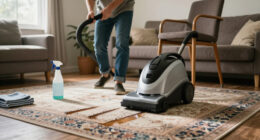
Yes, a steam cleaner can help sanitize and lift odors, especially if it heats water to high temperatures. Use it with a pet-safe cleaning solution and ensure the rug dries thoroughly afterward.
Conclusion
Refreshing a rug that smells of pets is about more than just masking odors — it’s about attacking the source. Quick action, effective cleaning, and thorough drying make all the difference.
Remember, a clean, fresh-smelling rug isn’t just about aesthetics; it’s about creating a healthier, more inviting home for everyone. Next time your pet’s scent lingers, you’ll know exactly how to restore that inviting, cozy feeling.
Halloween Picks
halloween
As an affiliate, we earn on qualifying purchases.