TL;DR
Vacuuming stairs can strain your back—unless you use the right tools and techniques. Choosing lightweight, ergonomic equipment and adopting proper posture drastically reduces injury risk while keeping your stairs clean.
Use a lightweight, cordless vacuum with an ergonomic handle to cut down on physical strain.
Always bend at your hips and knees, not your waist, to protect your back.
Vacuum from top to bottom in a systematic pattern, taking your time and resting when needed.
Select tools with adjustable handles and attachments for better reach and comfort.
Prioritize safety—clear obstacles, light your stairs well, and wear supportive footwear.
Pick the Right Vacuum to Save Your Back
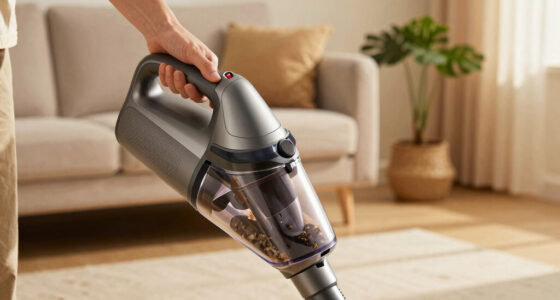
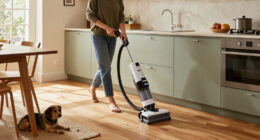
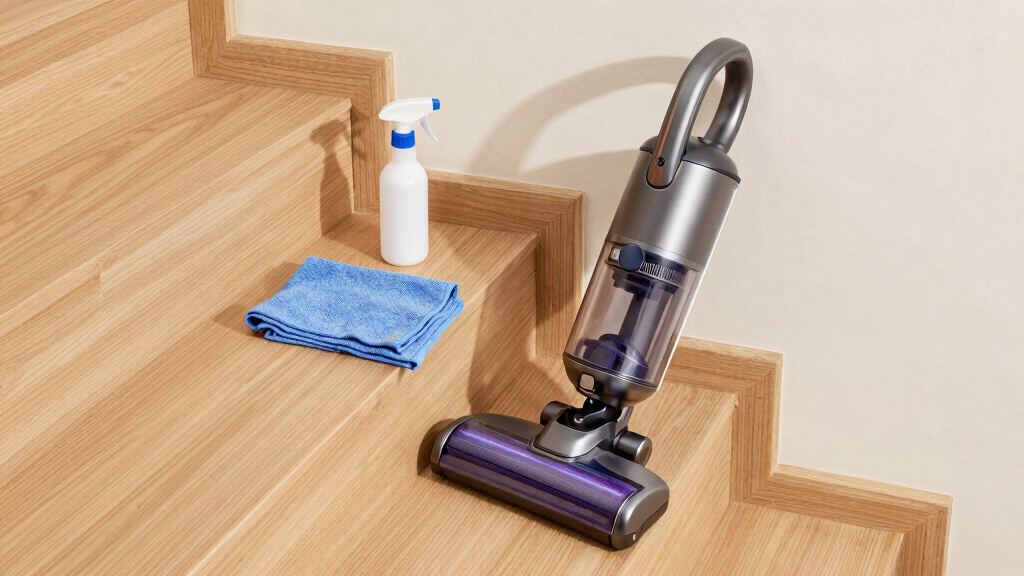
Choosing the proper vacuum can make all the difference. Lightweight, cordless models with flexible hoses and ergonomic handles are your best friends here.
For example, a handheld vacuum weighing under 5 pounds can be maneuvered easily without straining your arms or back. Look for features like adjustable length handles and attachments like crevice tools for those tricky corners. According to Outright Cleaning, a vacuum that weighs more than 8 pounds often leads to quick fatigue, especially when cleaning stairs regularly.
lightweight cordless vacuum for stairs
As an affiliate, we earn on qualifying purchases.
As an affiliate, we earn on qualifying purchases.
Master Your Posture for Less Pain
Proper posture is your secret weapon. Stand straight, bend at the hips and knees, not your waist. Imagine sitting back into a chair, even if there isn’t one behind you.
For instance, when vacuuming the lower steps, keep your back flat and core engaged. Avoid twisting or overreaching—stretching too far can pull muscles or cause joint pain. An ergonomic stance reduces strain and keeps you moving comfortably for longer.
Maintaining good posture isn’t just about comfort; it’s about preventing long-term injuries. Consistently bending improperly can lead to chronic back pain, disc issues, or joint problems. By adopting a correct stance, you distribute physical effort more evenly across your body, reducing localized strain and fatigue, which ultimately makes regular cleaning less daunting and more sustainable.
As an affiliate, we earn on qualifying purchases.
Step-by-Step: How to Vacuum Stairs Without Breaking Your Back
- Start from the top of the staircase. Vacuum the risers and treads in a systematic pattern—left to right, top to bottom.
- Use a lightweight vacuum with an adjustable handle. Attach a crevice tool for edges and corners.
- Maintain a steady pace—slow strokes clean better and keep you from rushing and losing posture.
- Take short breaks every few steps. Rest your back, shake out your arms, and reset your posture.
- Finish at the bottom, then step back and admire your work—without the backache.
Following this sequence ensures thorough cleaning while minimizing fatigue. Moving systematically prevents you from overextending or twisting your body unnecessarily, which can cause pain or injury. Regularly pausing allows your muscles to recover, preventing strain accumulation. This methodical approach balances efficiency with safety, helping you avoid common pitfalls like rushing or poor posture that can lead to back injuries.
As an affiliate, we earn on qualifying purchases.
Latest Tools and Tech That Reduce Your Strain
New vacuum designs focus on reducing back injuries. Cordless, lightweight vacuums with ergonomic handles are game changers.
For example, some vacuums weigh under 4 pounds but pack strong suction. They also feature adjustable, telescoping handles that let you stand upright, reducing the need to bend or hunch over during cleaning. According to recent trends, these tools cut back strain by up to 50%, making stair cleaning less of a workout.
Investing in these advanced tools isn’t just about convenience; it’s about preserving your physical health. The tradeoff often involves a slightly higher upfront cost, but the long-term benefits—less pain, fewer injuries—make it worthwhile. The ergonomic features help maintain proper posture throughout the cleaning process, which is crucial for preventing chronic back issues caused by repetitive strain or improper technique.
adjustable handle vacuum for stairs
As an affiliate, we earn on qualifying purchases.
As an affiliate, we earn on qualifying purchases.
Compare Your Options: Vacuum Types for Stairs
| Feature | Upright Vacuum | Handheld Vacuum | Canister Vacuum |
|---|---|---|---|
| Weight | Heavy (10+ lbs) | Light (3-5 lbs) | Moderate (6-8 lbs) |
| Ease of Use | Low (awkward on stairs) | High (easy to maneuver) | Medium (requires some effort) |
| Attachments | Limited | Multiple (crevice, upholstery) | Multiple |
| Best For | Flat surfaces | Stairs & tight spaces | Versatile |
Understanding the strengths and limitations of each vacuum type helps you choose the best tool for your needs. For example, upright vacuums tend to be too heavy to use comfortably on stairs, increasing the risk of back strain. Handheld vacuums, being lighter and more maneuverable, allow for better control and less fatigue, especially when equipped with appropriate attachments. Canister vacuums offer versatility but may still be somewhat cumbersome if not designed ergonomically. The key is balancing power with ergonomics to minimize physical stress during cleaning.
Safety Tips for Cleaning Stairs Without Injury
Always make safety your priority. Ensure your stairs are free of clutter, and use rugs or mats for stable footing. Good lighting helps you see every step clearly, preventing slips.
Wear sturdy shoes with good grip, and avoid rushing. Rushing increases the chance of losing balance or overreaching—both common causes of slips or strains. Keep your movements deliberate and controlled.
Additionally, consider the placement of your vacuum and yourself. Keep cords out of the way to prevent tripping, and position yourself so that you’re not overreaching or twisting your torso excessively. Using a stable stance with your feet shoulder-width apart enhances balance. Remember, rushing or rushing leads to mistakes—taking your time with mindful movements significantly reduces the risk of injury and ensures a safer, more effective cleaning session.