TL;DR

Get cleaning gear delivered free with Prime
- Fast, free delivery on millions of items
- Prime Video, Amazon Music and more included
- Member-only deals all year
Microfiber cloths clean more thoroughly, trap dust better through static attraction, and last longer than feather dusters. They’re safer for delicate surfaces and reduce waste, making them the smarter choice for home cleaning.
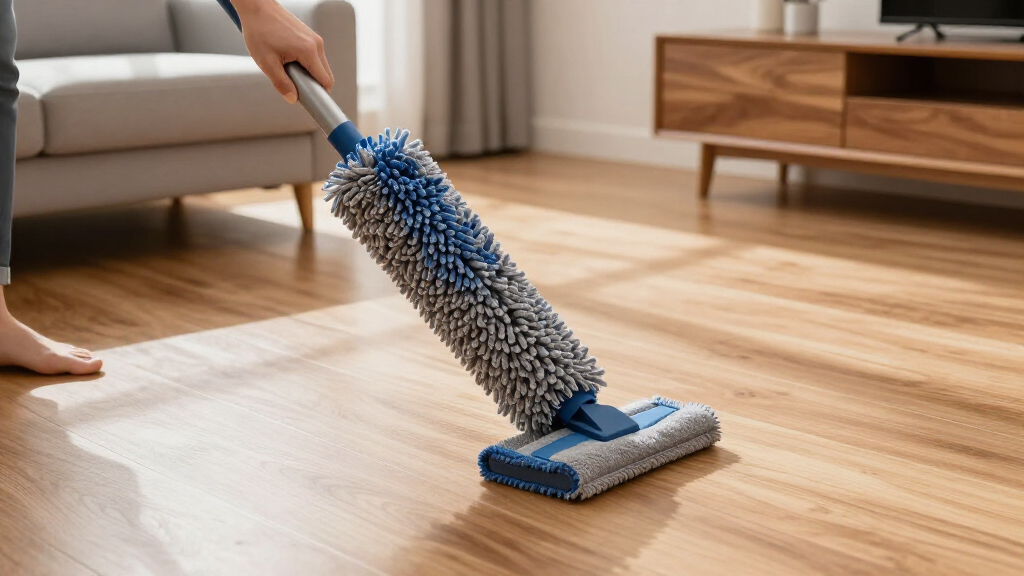
Forget the soft, fluffy feather duster. Microfiber cloths are the real champions when it comes to home dusting and cleaning. They trap tiny particles, reduce the need for chemical cleaners, and last for years. If you’re still clinging to your old duster, it’s time for an upgrade.
In this guide, you’ll learn exactly why microfiber beats a feather duster every time. We’ll explore how microfiber’s design makes it more effective, safer, and eco-friendlier. Plus, you’ll get practical tips to switch your cleaning game today.
Microfiber traps up to 99% of dust and bacteria, making it more effective than feather dusters.
Electrostatic charge in microfiber attracts dust, reducing cleaning time and effort.
Microfiber is reusable and eco-friendly, lasting hundreds of washes and cutting down waste.
Gentle on delicate surfaces, microfiber prevents scratches and lint left behind by feather dusters.
Modern microfiber fabrics include antimicrobial and biodegradable options for safer, greener cleaning.
How Microfiber Outperforms Feather Dusters in Dust Pickup
Microfiber is engineered with thousands of tiny synthetic fibers that create a larger surface area than feathers. This means it captures more dust, dirt, and allergens in one swipe. Imagine wiping a dusty bookshelf—microfiber traps the particles and holds onto them, instead of just pushing them around.
For example, a microfiber cloth can remove up to 99% of bacteria and dust particles, according to research. That’s a stark contrast to feather dusters, which often just dislodge dust, causing it to settle elsewhere or float into the air.
Think about a dusty antique lamp. With microfiber, you gently wipe and see the dust cling to the fibers. With a feather duster, you might see it scatter or stay loose, requiring multiple passes.
Products Worth Considering

Levoit Eleva 300X HEPA Air Purifier for Home and Bedroom

TCL 85-Inch QM6K Series QLED Mini LED 4K HDR Smart Google TV

Philips Hue Bridge Pro Smart Lighting Hub
As an affiliate, we earn on qualifying purchases.
Why Static Electricity Makes Microfiber a Dust Magnet
Microfiber generates a static charge that pulls dust and debris from surfaces. This electrostatic attraction means less effort for you and fewer missed spots. When you wipe a car dashboard or a window frame with microfiber, the dust sticks tightly, reducing the need for repeated wiping.
In contrast, feather dusters mainly rely on physical movement. They don’t generate static, so they often just move dust around or leave it behind.
Imagine cleaning a ceiling fan. Microfiber pulls the dust down and traps it, preventing it from flying into your face or settling on other surfaces. A feather duster might just push the dust into the air, making cleanup take longer.
Are Microfiber Cloths Safe and Gentle on Your Home Surfaces?
Yes, microfiber is incredibly gentle—perfect for delicate surfaces like electronics, glass, and painted walls. Their soft fibers won’t scratch or leave lint behind. For example, cleaning your TV screen with microfiber leaves it streak-free and spotless.
Feather dusters, on the other hand, can sometimes cause scratches or leave behind loose feathers, which can stick to furniture or get into your air vents.
Think about cleaning a vintage mirror. Microfiber offers a soft touch that lifts dust without damage. Feather dusters might scratch or scatter the dust, making the job messier.
The Eco-Friendly Edge: Reusability and Waste Reduction
Microfiber cloths are washable and reusable, often lasting hundreds of washes with proper care. This means fewer disposable dusters cluttering landfills. Plus, you can use them dry or damp—no need for sprays or chemicals.
Feather dusters are usually disposable or lose feathers over time. They require replacement and contribute to waste. Imagine cleaning your entire home with a microfiber cloth—one cloth replaces dozens of disposables.
For example, a typical microfiber cloth can last for over 500 washes, drastically reducing waste and ongoing costs.
The Versatility of Microfiber: More Than Just Dusting
Microfiber isn’t just for dusting. It works on greasy kitchen counters, bathroom tiles, and even car interiors. You can dampen it to wipe away sticky spots or dry it for a quick dust removal.
Try cleaning a greasy stovetop with microfiber—dampened, it lifts grime effortlessly. A feather duster is useless for sticky or oily residues.
This versatility means fewer tools clutter your cleaning closet and more effective results across different surfaces.
The Latest Advances in Microfiber Cleaning Tech
New microfiber fabrics incorporate antimicrobial properties, fighting bacteria and mold. Some are made from biodegradable materials, addressing environmental concerns. Design improvements include layered textures and ergonomic shapes for easier cleaning.
Imagine a microfiber cloth with antimicrobial coating that stays fresh longer, reducing odors and bacteria buildup—ideal for kitchens and bathrooms.
These innovations keep microfiber ahead of traditional dusters, making it a cleaner, safer choice.
Quick Comparison: Microfiber Cloths vs. Feather Dusters
| Feature | Microfiber Cloth | Feather Duster |
|---|---|---|
| Dust Pickup | Up to 99% removal, traps dust | Moves dust around, less effective |
| Surface Safety | Gentle, non-abrasive | Can cause scratches or feathers fall out |
| Reusable | Yes, washable hundreds of times | No, disposable or shedding |
| Versatility | Dry or damp, suitable for many surfaces | Primarily dry, limited surfaces |
| Environmental Impact | Reduces waste, eco-friendly | Creates waste, less sustainable |
How to Switch from Feather Duster to Microfiber in 3 Easy Steps
- Choose high-quality microfiber cloths suited for your cleaning needs.
- Use them dry for dusting or dampen slightly for sticky surfaces.
- Wash after use in cold or warm water without fabric softeners, and air dry or tumble on low heat.
Frequently Asked Questions
Is microfiber safe for electronics and delicate surfaces?
Yes, microfiber is soft and non-abrasive, making it ideal for electronics, glass, and painted surfaces. Use it dry for dusting or dampened for light cleaning, ensuring no scratches or streaks.
How do I care for microfiber cloths to keep them effective?
Wash microfiber in cold or warm water without fabric softeners or bleach. Avoid fabric softeners because they coat fibers, reducing effectiveness. Air dry or tumble on low heat to preserve their cleaning power.
Can microfiber replace all my cleaning tools?
Microfiber is versatile but not a complete replacement for heavy-duty tools like scrubbing brushes or vacuums. Use microfiber for dusting, light cleaning, and surfaces that need gentle care.
Are microfiber cloths environmentally friendly?
They are reusable and reduce waste, but since they are synthetic, their production involves plastic. Opting for biodegradable microfiber options can make them even greener.
Will microfiber damage my fragile surfaces?
Not when used correctly. Microfiber is gentle and safe for delicate surfaces, especially when dampened. It lifts dust without scratching or leaving lint behind.
Conclusion
Switching to microfiber cloths means you get a cleaner home with less effort and waste. They outperform feather dusters in every key area—dust pickup, surface safety, and sustainability. So, next time you reach for a duster, consider grabbing microfiber instead. Your surfaces and the planet will thank you.
Imagine a home where dust just doesn’t settle—microfiber makes that effortless. Make the change today and see the difference firsthand.