
TL;DR

Get cleaning gear delivered free — and shop member deals
- Fast, free delivery on millions of items
- Access to Prime Big Deal Days deals on October 6–7
- Prime Video, Amazon Music and more included
Vacuum suction often drops because of clogged filters, full dustbins, or blocked hoses. Regular cleaning and simple checks restore power fast, avoiding costly repairs.
Ever notice your vacuum suddenly feels weaker, barely pulling in dirt? It’s frustrating. What’s worse, most of the time, the fix is simple and right under your nose.
This guide shows you why your vacuum loses suction and how to fix it quickly. No need to call in a pro — just a few minutes of checking and cleaning can get your vacuum back in top shape.
Most vacuum suction loss is caused by simple blockages or full dust containers, not broken motors.
Regularly cleaning or replacing filters can restore suction in minutes.
Kinks or damage in hoses are common culprits and easy to fix with a quick inspection.
Modern vacuums include sensors and self-cleaning features that help prevent loss of power.
Routine maintenance extends your vacuum’s lifespan and keeps it working at peak performance.
Why Your Vacuum Loses Suction (And what’s really causing it)
Most suction loss comes from basic issues you can fix yourself. Think clogged filters, a full dustbin, or a kinked hose. When airflow gets blocked, your vacuum struggles to pull in dirt.
Picture this: you’re vacuuming a thick, shaggy carpet. Suddenly, it starts to sputter, dragging less dirt than before. That’s a red flag: airflow is restricted.
Understanding these causes is crucial because they directly impact your vacuum’s efficiency. For example, a clogged filter not only reduces suction but can also strain the motor, potentially leading to overheating or early failure. Similarly, a full dustbin restricts airflow, forcing the vacuum to work harder, which can shorten its lifespan over time. Recognizing these issues early means you can fix them before costly repairs are needed. Common culprits include:
- Clogged filters
- Full or clogged dustbin or bag
- Blocked hoses or tubes
- Dirty brush rolls or intake ports
- Worn seals or damaged gaskets
As an affiliate, we earn on qualifying purchases.
How to Spot the Common Causes of Vacuum Suction Loss
Step-by-step, here’s how to pinpoint the problem:
- Check if the dustbin or bag is full. When it’s overloaded, airflow drops dramatically, causing the vacuum to lose power and struggle to pick up debris efficiently.
- Inspect filters for dirt or clogging. HEPA filters, for instance, can trap tiny particles, and if they’re dirty, airflow is severely reduced, which can lead to decreased suction and increased wear on the motor.
- Look at hoses and tubes for kinks or blockages. A twisted or clogged hose can cut off airflow, making your vacuum less effective and possibly causing overheating if the motor works harder to compensate.
- Examine the brush roll and intake ports. Hair, fibers, or debris can clog these pathways, reducing suction and potentially damaging the vacuum if not cleared.
- Listen for strange noises or smells. A whining motor or burnt smell indicates internal issues that, if ignored, can cause long-term damage or complete failure.
For example, a homeowner notices her vacuum isn’t picking up crumbs from her rug. After checking, she finds the dustbin is overflowing and the filter clogged with pet hair. Cleaning both restores suction instantly, illustrating why these simple checks matter—neglecting them can lead to reduced performance and more costly repairs down the line.
As an affiliate, we earn on qualifying purchases.
The Simple Fixes That Bring Your Vacuum Back to Life
Most suction issues boil down to a handful of quick fixes. Here’s what to do:
- Empty the dustbin or replace the bag. If it’s full, airflow stops dead, forcing your vacuum to work harder and reducing its lifespan. Regularly doing this prevents strain on the motor and maintains optimal suction.
- Clean or replace filters. Rinsing washable filters with water and letting them dry completely before reinstalling ensures maximum airflow. Neglecting filters can cause the motor to overheat and reduce suction over time.
- Clear blockages in hoses and tubes. Detach hoses and use a broomstick or similar tool to push out debris. Ignoring blockages can cause pressure buildup, strain the motor, and decrease overall cleaning performance.
- Check the brush roll and intake ports. Remove tangled hair and fibers with scissors or a brush. Clogged brushes not only reduce suction but can also damage the belt or motor if left unchecked.
- Inspect seals and gaskets. Worn or cracked seals can leak air, significantly reducing suction and potentially allowing dust to escape back into your environment, which defeats the purpose of cleaning.
Imagine a carpet cleaner who finds her vacuum’s filter coated in dust. A quick rinse restores airflow, and she’s back to spotless floors in minutes. These simple steps are crucial because they directly impact your vacuum’s ability to perform and its longevity—skimping on maintenance can lead to costly replacements or repairs.
AmazonAs an affiliate, we earn on qualifying purchases.
How Modern Vacuums Help Prevent Suction Loss
Newer vacuums pack clever features to keep suction strong longer:
- Self-cleaning brush rolls that prevent hair and fibers from tangling, which can otherwise cause loss of suction and motor strain.
- Sensors that detect blockages or full bins, alerting you before performance drops, so you can address issues proactively rather than reactively.
- Better filtration systems designed for easy cleaning and maintenance, reducing the likelihood of airflow restrictions caused by dirty filters.
- Adjustable suction settings to match different floor types and debris loads, helping optimize performance and prevent overloads that could damage the motor.
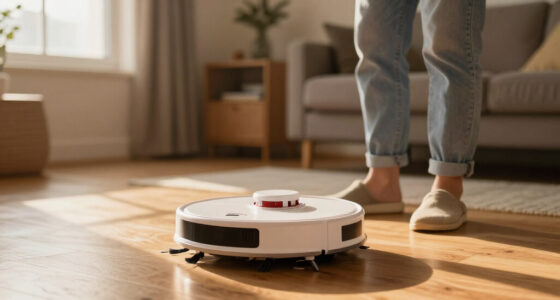
For example, robotic vacuums like those with smart sensors automatically pause when they sense a clog and notify you, reducing downtime and frustration. These innovations mean less guesswork and fewer surprises, extending your vacuum’s lifespan and maintaining consistent cleaning power.
AmazonAs an affiliate, we earn on qualifying purchases.
Preventing Suction Loss: Easy Tips for Long-Term Power
Keep your vacuum working like new with these simple habits:
- Check and clean filters regularly, at least once every 3 months. Neglecting this can lead to airflow restrictions, increased motor load, and eventual breakdowns.
- Empty dustbins frequently. Don’t wait until it’s overflowing, as a full bin can cause the vacuum to lose suction and strain the motor unnecessarily.
- Inspect hoses and brushes during routine cleaning. Remove tangles and debris, which if left unchecked, can cause pressure drops and damage.
- Use the right attachments for different surfaces to avoid unnecessary strain on the motor. Using improper tools can cause blockages or damage that reduces suction.
- Replace worn seals or gaskets as needed, especially if you notice decreased suction or air leaks, which compromise cleaning efficiency and can accelerate wear.
Imagine a busy family with two pets. They keep a cleaning schedule, which prevents major blockages and keeps their vacuum humming. Consistent maintenance not only saves money but also ensures your vacuum performs at its best, saving you time and effort in the long run.
Frequently Asked Questions
Why does my vacuum suddenly lose suction?
It’s most likely due to a clogged filter, a full dustbin, or a kinked hose. These block airflow, reducing suction power. Checking and cleaning these parts usually solves the problem quickly.How often should I clean or replace my vacuum filters?
Aim to clean or replace filters at least every 3 months, or more frequently if you have pets or high dust levels. Always follow your manufacturer’s guidelines for best results.Can a blocked hose cause my vacuum to lose suction?
Absolutely. Kinks, tangles, or debris in the hose restrict airflow. Detach the hose and clear out any obstructions to restore suction.What are the signs my vacuum needs repair or replacement?
If you’ve tried cleaning and fixing common issues but suction remains weak or inconsistent, or the motor sounds strained, it might be time to consider professional repair or replacement.Are robotic vacuums less prone to losing suction?
Modern robotic vacuums with sensors and self-cleaning features tend to maintain better suction and alert you to issues early. However, regular maintenance is still essential for peak performance.Conclusion
Most suction problems aren’t a sign your vacuum is dying — just a sign it needs a quick tune-up. Regular checks and simple cleaning keep your floors spotless and your vacuum happy.
Next time your vacuum sputters, remember: the fix is probably just a quick check away. A little maintenance now saves big headaches later. Keep it clean, keep it powerful.
EVERGREEN BESTSE Evergreen bestsellers Picks
bestsellersbestsellers
As an affiliate, we earn on qualifying purchases.