TL;DR
Listen free for 30 days with Audible
Thousands of audiobooks and originals — cancel anytime.
Start your free trialAs an affiliate, we earn on qualifying purchases.
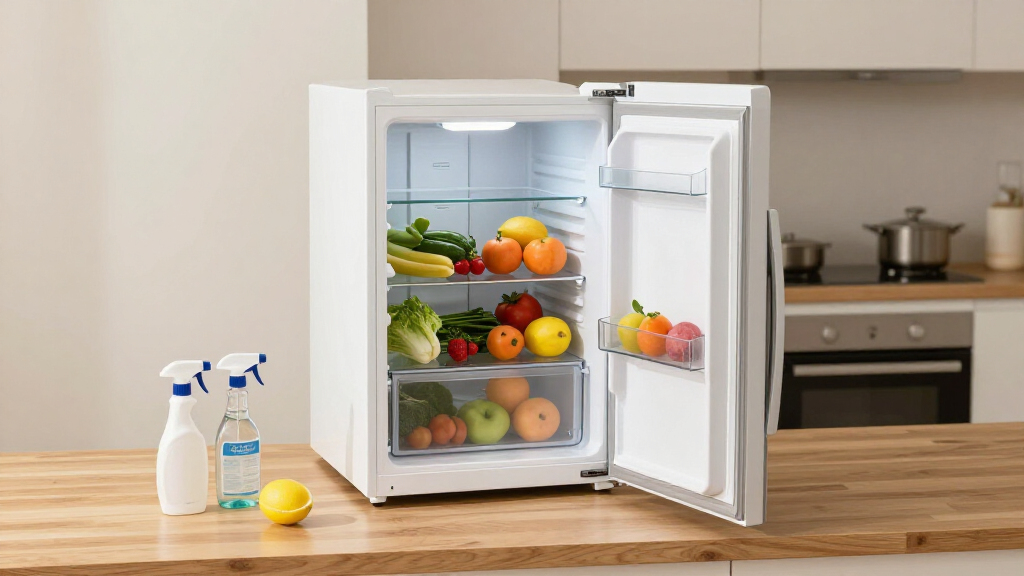
Your fridge smells because of spoiled food, spills, or mold. Regular cleaning, proper storage, and natural odor absorbers like baking soda can keep it smelling fresh. Modern tech also offers smarter ways to control odors effortlessly.
Imagine opening your fridge and being greeted by a musty, sour smell instead of the crisp freshness you crave. That unpleasant odor isn’t just annoying; it’s a sign your fridge needs a little attention. In this guide, you’ll learn why your refrigerator develops bad smells and simple, practical ways to keep it smelling like new.
Keeping your fridge fresh isn’t about complicated cleaning routines. It’s about understanding what causes odors—spilled milk, spoiled leftovers, mold lurking in seals—and knowing how to fix those problems quickly. Let’s break down the real reasons behind those unwanted smells and discover ways to banish them for good.
Regularly clean your fridge every 1-2 weeks to prevent mold and bacteria buildup.
Use natural odor absorbers like baking soda, replacing every 1-3 months for best results.
Store strong-smelling foods in airtight containers to avoid cross-contamination of odors.
Check and clean door seals and drip pans monthly—these are common odor sources.
Modern refrigerators with built-in air purifiers can keep odors at bay automatically, reducing your effort.
What Causes Your Fridge to Smell Bad and How to Spot Them
The most common culprits behind a stinky fridge are spoiled food, spills, and mold. Spoiled leftovers or expired dairy release strong, sour odors that linger if not cleaned immediately. A spilled juice or sauce that isn’t wiped up can ferment and produce a sour smell over days.
Another often-overlooked source is the seals around your door. Gunk and mold can build up in the tiny crevices, emitting a musty aroma. Moisture trapped in drawers or drip pans also creates an environment perfect for bacteria and mold to thrive.
Understanding why these issues matter is crucial. For instance, mold and bacteria in the seals or spills not only cause odors but can also compromise food safety and impact your health. The longer these issues go unnoticed, the harder they become to eliminate, often requiring more intensive cleaning or even seal replacement. Spotting these signs early helps prevent the spread of mold and keeps your fridge functioning efficiently, saving you time and money in the long run.
baking soda refrigerator odor absorber
As an affiliate, we earn on qualifying purchases.
As an affiliate, we earn on qualifying purchases.
How to Clean Your Fridge for a Fresh Smell in 5 Easy Steps
- Unplug the fridge and empty all shelves and drawers. Toss out expired or spoiled food, as lingering residues can quickly reintroduce odors if left behind.
- Remove shelves and drawers; wash them in warm, soapy water. Use a sponge or brush to scrub away sticky spots and mold, paying attention to corners and crevices where mold spores can hide.
- Wipe down the interior with a solution of equal parts water and white vinegar. This natural cleaner not only removes grease but also neutralizes bacteria and odors, breaking down organic compounds that cause smells.
- Pay special attention to door seals. Use an old toothbrush dipped in vinegar or baking soda paste to scrub away grime and mold in the crevices, as these areas trap moisture and debris that contribute to persistent odors.
- Dry everything thoroughly, replace the shelves, and set out a few open boxes of baking soda or activated charcoal inside. These natural odor absorbers work by trapping odor molecules, preventing them from circulating and causing new smells. Replacing them regularly ensures continuous freshness.
For instance, doing this every two weeks prevents the buildup of mold and bacteria, maintaining a hygienic environment that keeps your fridge smelling fresh and reduces the risk of cross-contamination or food spoilage.
As an affiliate, we earn on qualifying purchases.
Compare Natural Odor Absorbers: Baking Soda vs. Activated Charcoal
| Feature | Baking Soda | Activated Charcoal |
|---|---|---|
| Effectiveness | Good at neutralizing basic odors like food smells. It works by binding odor molecules, but its effectiveness can diminish if not replaced regularly or if odors are particularly strong. | More porous and with a larger surface area, activated charcoal can adsorb a wider range of odors, including stubborn or lingering smells. Its porous structure traps molecules more effectively, making it ideal for persistent odors or larger fridge spaces. |
| Cost | Very affordable, around $1 per month, and readily available in most stores. Its low cost makes it easy to replace frequently without much expense. | Slightly more expensive, with replacements costing around $3-5. However, because it lasts longer—up to 6 months depending on odor levels—it can be more economical in the long run. |
| Ease of Use | Place an open box or sprinkle in corners or on shelves. It requires no special preparation, making it a hassle-free option for daily use. | |
| Longevity | Replace every 1-3 months to maintain effectiveness. If not replaced regularly, its ability to absorb odors diminishes, leading to less fresh-smelling results. | Lasts 3-6 months depending on odor intensity and fridge size. Its longer lifespan means less frequent replacements, but it still needs monitoring for optimal performance. |
Choosing between them depends on your fridge size, odor severity, and budget. For most households, a combination of both—using baking soda for daily freshness and activated charcoal for stubborn or persistent odors—provides the best results, balancing cost and effectiveness.
As an affiliate, we earn on qualifying purchases.
Simple Tricks to Keep Your Fridge Smelling Fresh Every Day
- Store strong-smelling foods in airtight containers—think garlic, onions, and blue cheese. Proper storage prevents these potent odors from escaping and contaminating other foods, which can make the entire fridge smell unpleasant and affect taste.
- Use small open bowls of baking soda or activated charcoal inside the fridge to absorb lingering odors. Regularly replacing these ensures they continue to trap new odor molecules, maintaining a fresh environment.
- Wipe up spills immediately to prevent bacteria and mold from growing. Spills left uncleaned can ferment, produce sour smells, and create sticky residues that trap moisture and odors.
- Keep the door closed as much as possible, especially when loading or unloading. Frequent opening introduces warm air and humidity, which can promote mold growth and cause odors to develop faster.
- Place a box of baking soda in the fridge at all times, replacing it every 1-3 months. This simple habit acts as an ongoing deodorizer, continuously neutralizing new odors before they become noticeable.
Imagine opening your fridge and being greeted by the crisp, clean scent of citrus or fresh herbs—that’s what consistent small habits achieve. These simple steps create a barrier against odor buildup, ensuring your fridge stays fresh without constant deep cleaning.
As an affiliate, we earn on qualifying purchases.
When Modern Tech Comes to the Rescue for Odor-Free Fridges
Newer fridges now have built-in air purifiers or odor filters, making odor control almost automatic. These systems use activated carbon filters or ionizers to continuously neutralize smells, keeping the air inside crisp and clean. This technology reduces the need for manual interventions, making maintenance easier and less time-consuming.
Some smart fridges even monitor humidity and temperature, alerting you before spoilage or odors develop. For example, a fridge with a smart sensor might notify you if a container’s been left out too long, preventing bad smells altogether. These features help maintain optimal conditions for your food and prevent odor buildup, which is often caused by improper storage or environmental factors.
According to recent innovations, these tech-savvy features significantly reduce the effort required to keep your fridge smelling fresh, allowing you to focus on other tasks while your appliance manages odor control silently and efficiently.
Frequently Asked Questions
What is the fastest way to eliminate fridge odors?
Start by removing all spoiled food, then wipe down with a mixture of water and vinegar. Place an open box of baking soda inside and air out the fridge for a few hours. These steps quickly neutralize most odors.
How often should I clean my fridge?
Ideally, give your fridge a quick wipe-down weekly and do a thorough cleaning every 1-2 months. This routine keeps mold, bacteria, and bad smells at bay.
What if my fridge still smells after cleaning?
Check the door seals and drip pans for mold or spills. Replace the baking soda and add activated charcoal if odors persist. Sometimes, hidden spoiled food or mold in the gasket causes lingering smells. Addressing these hidden sources ensures complete odor elimination and prevents recurrence.
Can I use lemon or vinegar to deodorize my fridge?
Yes, both are natural deodorizers. Wiping the interior with a mixture of vinegar and water or placing lemon slices in the fridge can help neutralize odors naturally. These natural options are safe and effective, but for stubborn smells, combining them with other methods like baking soda enhances results.
How can I prevent bad odors from coming back?
Keep up with regular cleaning, store strong-smelling foods properly, and replace odor absorbers like baking soda every few months. Also, ensure good airflow by not overstuffing your fridge, which can trap moisture and odors. Consistent maintenance and mindful storage create a balanced environment that resists odor buildup over time.
Conclusion
Keeping your fridge smelling fresh doesn’t require magic—just consistent habits. Regular cleaning, smart storage, and natural odor absorbers make a big difference.
Next time you open the door, imagine a crisp, clean scent greeting you. That’s a fridge you can trust to keep your food—and your nose—happy.
Fall yard work Picks
leaf blowers
As an affiliate, we earn on qualifying purchases.