
TL;DR

Get cleaning gear delivered free — and shop member deals
- Fast, free delivery on millions of items
- Access to Prime Big Deal Days deals on October 6–7
- Prime Video, Amazon Music and more included
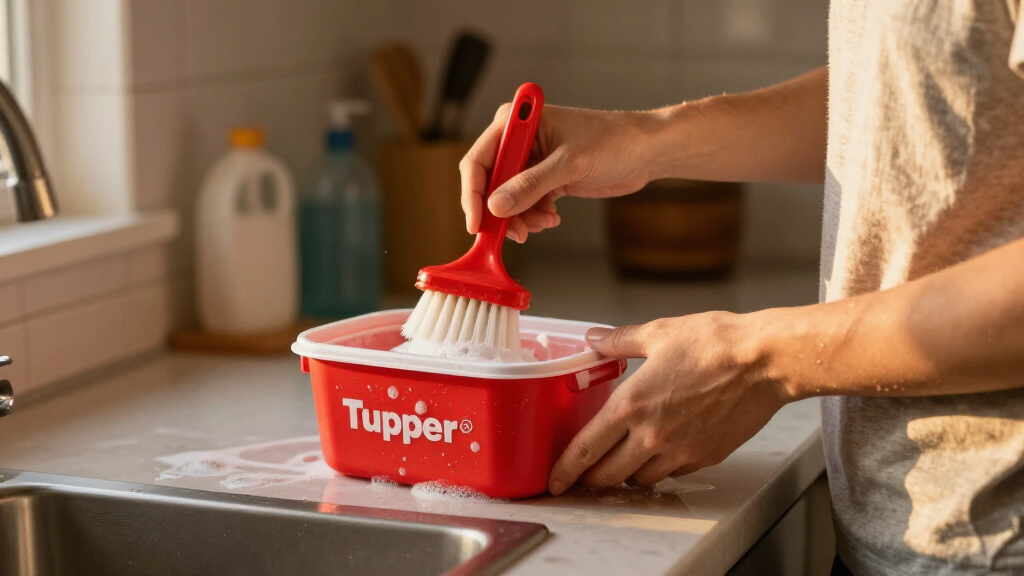
Most Tupperware stains are superficial and can be lightened or removed with natural solutions like baking soda, vinegar, or lemon juice. Prompt cleaning and sunlight exposure help keep containers looking and smelling fresh without harsh chemicals.
Stains on Tupperware can turn a bright, cheerful container into an eyesore. Bright red tomato sauce, dark berry juices, or stubborn coffee rings—these spots seem to cling forever. But don’t reach for harsh chemicals just yet. You can restore your containers with everyday kitchen ingredients.
In this guide, you’ll learn the most effective ways to erase those stubborn stains and neutralize lingering odors. No fancy gadgets or toxic cleaners—just simple, safe solutions that work with what’s already in your pantry. Whether you’re tired of discoloration or want your Tupperware smelling fresh, these tips will have you covered.
Promptly rinse Tupperware after use to prevent stains from setting.
Natural options like baking soda and vinegar are safe, effective, and eco-friendly for most stains.
Sunlight exposure can help fade stains and neutralize odors naturally.
For stubborn stains, hydrogen peroxide offers a safe, powerful alternative—test first.
Avoid abrasive scrubbers and harsh chemicals like bleach that can damage plastic over time.
The Best Way to Clean Tupperware Stains
Tomato sauce, berries, curry, coffee and grease can leave pigments behind—but most discoloration is superficial. Start gently, work methodically and reserve stronger treatments for stains that refuse to move.
Why stains stick around
Polypropylene and similar plastics can hold food pigments, oils and odor molecules at the surface. Time, heat and prolonged food contact give these compounds more opportunity to settle into microscopic irregularities.
Tomato, curry and berries
Bright pigments—especially those carried by oil—can cling to plastic and produce red, orange or purple discoloration.
Garlic, onion and sauces
Odor-causing molecules remain after visible residue is gone. Mild acids and sunlight can help neutralize them.
Oil and fatty foods
A thin oily layer traps pigment and odor. Remove grease thoroughly before judging whether the stain is permanent.
Start with the gentlest solution
Use one method at a time, rinse well and inspect the plastic before escalating. Gentle chemistry works best when it is given enough contact time.
Baking soda paste
Rub gently with a soft sponge, leave for 15 minutes and rinse. Mild alkalinity and gentle abrasion help lift surface pigments.
2 tbsp soda + enough water to thickenWhite vinegar soak
Fill the stained area with vinegar for 30 minutes. Acetic acid helps dissolve residue and neutralize odor molecules.
30-minute soak · rinse completelyLemon and sunlight
Add lemon juice and water, then place the open container in sunlight. Citric acid and UV exposure can fade discoloration.
1 hour · test plastic firstHydrogen peroxide
Cover the stain with a 3% solution for 2–4 hours. Its oxidizing action breaks down persistent pigmented molecules.
3% solution · test · rinse thoroughly| Method | Best use | Contact time | Odor control | Caution |
|---|---|---|---|---|
| Baking soda | ✓ Fresh and surface stains | 15 minutes | ✓ Good | Scrub gently |
| White vinegar | ✓ Residue and smells | 30 minutes | ✓ Strong | Do not leave indefinitely |
| Lemon + sunlight | ✓ Light discoloration | About 1 hour | ✓ Strong | Limit repeated UV exposure |
| 3% peroxide | ~ Deep-set pigment | 2–4 hours | ✓ Good | Patch-test before soaking |
| Bleach / abrasives | ✗ Avoid | Not recommended | ~ Unnecessary | May weaken or scratch plastic |
When natural methods need backup
Persistent coffee, curry or tomato stains may need controlled oxidation. Use 3% hydrogen peroxide or a cleaner specifically formulated for plastic. Test a hidden area, follow the label and stop if the surface changes texture or color.
The clean-container loop
Prevention is easier on the plastic than repeated deep cleaning. Four small habits reduce pigment contact, trapped grease and lingering odor.
Rinse promptly
Remove pigmented residue before it dries or settles into the surface.
Wash softly
Use dish soap and a non-abrasive sponge to avoid stain-trapping scratches.
Air and sun
Occasional sunlight and complete drying help reduce residual stain and odor.
Store smarter
Use liners or separate vessels for tomato sauce, curry and dark berries.
Five rules worth remembering
Clean early, treat gently and protect the container’s surface. A faint cosmetic stain does not always mean the container is unsafe—but damaged plastic should be retired.
Why Do Tupperware Stains Stick Around? And How to Spot Them
Stains from food and drinks are often more than just surface discoloration—they’re pigments that seep into the plastic. Bright reds from tomatoes or berries are especially persistent because their pigments are lipid-soluble and can penetrate the plastic’s porous surface over time. Recognizing this helps you understand why some stains are stubborn and require more than just rinsing; they need targeted solutions that can break down or lift these pigments. Understanding the nature of these stains also highlights the importance of prompt cleaning—waiting too long allows pigments to embed deeper, making removal more difficult. Superficial stains, like those caused by residue or minor discoloration, are easier to treat with natural remedies, but deep-set stains may require more effort or specialized methods. Knowing the difference ensures you choose the right approach, saving time and preserving your containers’ integrity.
eco-friendly Tupperware stain remover
As an affiliate, we earn on qualifying purchases.
As an affiliate, we earn on qualifying purchases.
Quick Fix: Easy Natural Solutions to Brighten Stained Tupperware
If your Tupperware has stains that just won’t quit, start here. These methods are safe, inexpensive, and eco-friendly.
- Baking soda paste: Mix 2 tablespoons of baking soda with enough water to form a thick paste. Rub it onto the stained areas with a sponge. Let sit for 15 minutes, then rinse. Baking soda acts as a gentle abrasive that lifts pigments from the surface without scratching or damaging the plastic. Its mild alkalinity helps break down stubborn stains, making it a versatile first step. However, overuse or harsh scrubbing can weaken plastic over time, so moderation is key.
- Vinegar soak: Fill the container with white vinegar and let it sit for 30 minutes. Rinse thoroughly. Vinegar contains acetic acid, which can dissolve mineral deposits, residues, and some pigment compounds. It also neutralizes odors by breaking down odor-causing molecules. While effective, prolonged exposure to vinegar might dull certain plastics or cause slight discoloration if left too long, so always rinse well afterward.
- Lemon juice: Squeeze fresh lemon into the container, add water, and let it sit in sunlight for an hour. The citric acid acts as a natural bleach and odor neutralizer. Sunlight enhances the bleaching effect through UV rays, which can help fade discoloration over time. However, frequent or prolonged exposure to lemon and sunlight may weaken or discolor some plastics, so use this method judiciously and test on a small area first.
For example, a stubborn berry stain on a plastic container often lightens significantly after a vinegar soak combined with sunlight. These methods work because they target the chemical bonds of pigments and residues, helping to lift or break them down. Using natural ingredients minimizes the risk of damage and keeps your containers safe for everyday use.
These simple steps can make a real difference without risking damage to your Tupperware. They are effective because they rely on chemistry—breaking down stubborn stains—while being gentle enough for regular use. Applying these techniques consistently can restore your containers’ appearance and extend their lifespan.
As an affiliate, we earn on qualifying purchases.
Deep Cleaning: When Natural Methods Need Backup
Sometimes stains are stubborn, and natural remedies just don’t cut it. That’s when you can try hydrogen peroxide or commercial cleaners designed for plastics. But caution is key, as not all plastics react well to strong chemicals, and improper use can cause damage or discoloration.
- Hydrogen peroxide: Use a 3% solution, which is safe for most plastics. Pour enough into the container to cover stained areas and let it sit for 2-4 hours or overnight. Hydrogen peroxide acts as a mild oxidizer, breaking down pigmented molecules and bleaching out stains. It’s especially useful for deep-set or persistent discoloration because it penetrates the plastic surface more effectively than natural remedies. However, prolonged exposure can sometimes weaken plastic or cause slight discoloration; always rinse thoroughly and test on a small area first.
- Commercial plastic cleaner: Follow the product’s instructions carefully. These cleaners are formulated to tackle tough stains and deep residues without compromising the plastic’s integrity. They often contain surfactants and bleaching agents optimized for plastics, providing a more aggressive approach when natural methods fail. Use sparingly and avoid overuse to prevent degradation of the material.
For instance, a coffee stain that refuses to fade after vinegar and lemon can often be lightened with a hydrogen peroxide soak. Always test first, and avoid mixing chemicals, which can produce harmful reactions. Proper use of these stronger cleaners can restore your Tupperware’s appearance, but overdoing it may cause damage, so moderation and caution are essential.
Remember, avoiding bleach is advisable because it can weaken plastic and cause it to become brittle or discolored over time. Instead, rely on these safer, more controlled chemical options when necessary, always prioritizing the longevity of your containers.
baking soda vinegar stain remover for Tupperware
As an affiliate, we earn on qualifying purchases.
As an affiliate, we earn on qualifying purchases.
Prevent Future Stains and Odors with Simple Habits
Prevention is your best friend when it comes to keeping Tupperware spotless. Here are some easy habits:
- Rinse containers immediately after use, especially with pigmented foods. This prevents pigments from settling and embedding into the plastic, making stains easier to remove later.
- Avoid storing highly colored foods for long periods. Prolonged contact increases the chance of pigments seeping into the plastic, especially if the container isn’t thoroughly cleaned afterward. This can lead to stubborn stains that are harder to remove over time.
- Use liners or separate compartments for sauces, berries, or curry dishes. These barriers reduce direct contact between pigmented foods and the plastic surface, significantly decreasing staining risk.
- Expose containers to sunlight periodically to help fade any residual stains and neutralize odors. UV rays can break down pigment molecules and odor-causing compounds, naturally restoring the container’s appearance and smell. Regular exposure, especially after cleaning, helps maintain a fresh look and scent.
For example, rinsing a container with warm water and a splash of vinegar right after dinner can prevent deep stains from setting in overnight. Consistent habits, though simple, compound over time, greatly reducing the need for intensive cleaning and helping your containers stay bright and odor-free longer.
Small habits make a big difference in keeping your containers looking and smelling fresh. Being proactive is key to preserving both the appearance and the longevity of your Tupperware.
As an affiliate, we earn on qualifying purchases.
Frequently Asked Questions
How can I remove stubborn tomato or berry stains from Tupperware?
Start with a baking soda paste or soak the container in a mixture of hydrogen peroxide and water. Let sit for a few hours, then scrub gently and rinse. These methods are effective at lifting deep pigments without damaging the plastic.
Will using bleach damage my Tupperware?
Yes, bleach can weaken plastics over time and cause discoloration. It’s best to stick with natural solutions like baking soda, vinegar, or hydrogen peroxide for cleaning Tupperware safely.
How do I get rid of lingering odors?
Soak your containers in a baking soda and water mixture or lemon juice, then place them in sunlight for a few hours. These steps help neutralize smells naturally and refresh your containers.
Are there natural methods to clean Tupperware effectively?
Absolutely. Baking soda, vinegar, lemon juice, and sunlight are all excellent natural options for removing stains and odors without harsh chemicals.
Can I prevent stains from forming?
Yes. Rinse containers immediately after use, avoid storing strongly pigmented foods for long periods, and use liners when possible. These habits keep your Tupperware looking its best.
Conclusion
Stains on Tupperware may seem stubborn, but most are treatable with everyday ingredients. Keep a stash of baking soda, vinegar, and lemon juice handy—your containers will thank you.
Remember, quick action and consistent habits prevent deep stains and odors. With a little effort, your Tupperware can stay bright, fresh, and clean—like new from the first use to many more.
Fall Picks
fall essentials
As an affiliate, we earn on qualifying purchases.