TL;DR
Listen free for 30 days with Audible
Thousands of audiobooks and originals — cancel anytime.
Start your free trialAs an affiliate, we earn on qualifying purchases.
Many traditional carpet cleaning chemicals contain harsh ingredients that can affect health and the environment. Green and DIY options are safer and often just as effective, especially when used properly and with good ventilation.
Ever wonder what’s really lurking in your carpet cleaner? It’s not just water and soap. Many products contain chemicals that can cause allergic reactions, respiratory issues, or skin irritation. Yet, the good news is that safer, eco-friendly options are widely available—if you know what to look for.
In this guide, you’ll learn about the types of carpet cleaning chemicals, their potential health and environmental impacts, and how to choose safer solutions. Making informed choices helps protect your family, pets, and the planet—all while keeping your carpets fresh and clean.
Read labels carefully—choose products marked non-toxic, biodegradable, or certified safe.
DIY cleaning with vinegar and baking soda can be effective and safe for routine maintenance.
Proper ventilation during and after cleaning significantly reduces chemical fumes indoors.
Green cleaning products are generally as effective as traditional options for everyday stains.
Limiting product use and following instructions minimizes health risks and improves air quality.
What’s Really Hiding in Your Carpet Cleaner?
Many traditional carpet cleaning chemicals contain harsh ingredients that can affect health, indoor air quality, and the environment. Green and DIY options are often safer, especially when used properly and paired with good ventilation.
It is not just water and soap. Labels, fumes, and residues matter.
Off-gassing compounds can linger after cleaning.
Ammonia, bleach, and synthetic fragrance.
Vinegar and baking soda handle routine care.
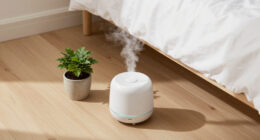
Ventilation reduces chemical buildup indoors.
Common Cleaner Types and Their Tradeoffs
Carpet cleaning products range from strong solvent-based formulas to plant-based options. The safer choice depends on the stain, the room, who lives there, and how carefully the product is used.
Detergents, Surfactants, Solvents
Often powerful on stains, but may include VOCs, petroleum-derived solvents, ammonia, chlorine bleach, or synthetic fragrances.
Plant-Based and Low-VOC
Usually biodegradable and lower in fumes. Certifications such as EPA Safer Choice help separate real standards from vague claims.
Targeted Stain Chemistry
Deodorizers and stain removers can be concentrated. Use sparingly, test first, and avoid over-wetting carpet fibers.
Exposure Risk by Product Type
Indoor Air Quality Signal
According to EPA guidance, indoor air can contain VOCs from cleaning products at levels up to 10 times higher than outdoor air, especially when rooms are poorly ventilated.
A Safer Cleaning Flow
The healthiest carpet routine is not just about choosing a better bottle. It is a chain of smaller decisions that lower residue, fumes, and unnecessary exposure.
Read the Label
Choose non-toxic, biodegradable, low-VOC, or certified safer products.
Test First
Try a hidden patch to prevent discoloration or fiber damage.
Use Less
Follow instructions and avoid extra concentrate that leaves residue.
Ventilate
Open windows and increase airflow during and after cleaning.
Dry Fully
Prevent mold risk by avoiding over-wetting and speeding drying.
Traditional vs. Green Carpet Cleaner
Green cleaners are generally as effective as traditional options for everyday stains when used with patience, correct dwell time, and good extraction.
| Feature | Traditional Cleaner | Green / Eco-Friendly Cleaner | Best Practical Choice |
|---|---|---|---|
| Ingredients | Synthetic chemicals, solvents, fragrances | Plant-based surfactants, baking soda, natural oils | ✓ Fewer harsh additives |
| VOC Emissions | ✗ Often higher | ✓ Low or none | Ventilate either way |
| Environmental Impact | ✗ Potential pollution | ✓ Biodegradable options | Check certifications |
| Effectiveness | ✓ Strong on stubborn stains | ~ Comparable for routine use | Match product to stain |
| Household Sensitivity | ✗ Can irritate skin or lungs | ✓ Better for kids, pets, allergies | Choose fragrance-free when possible |
What Works, What Doesn’t
Vinegar and baking soda can be useful for light stains, odor control, and routine maintenance. They are not magic, and they are not a substitute for deep extraction when stains are old or embedded.
Simple Routine Formula
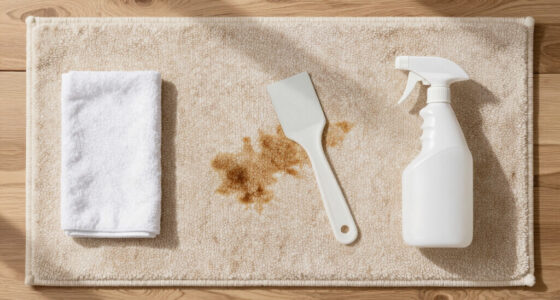
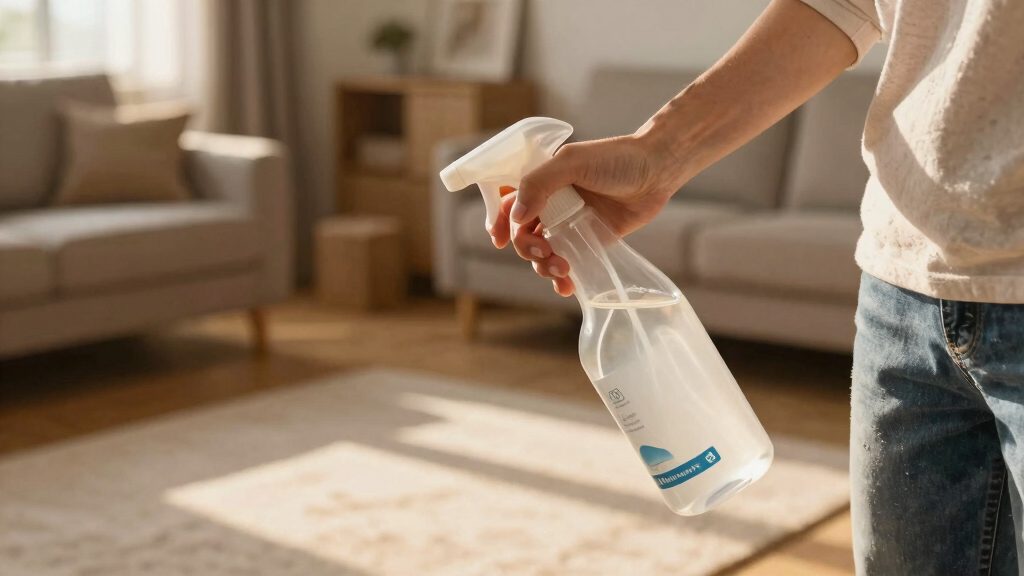
Mix equal parts vinegar and water, lightly spritz the affected area, then sprinkle baking soda to absorb odor and loosen dirt.
Let it sit briefly, blot gently, and dry thoroughly with airflow. Over-wetting is the mistake to avoid.
- Use DIY for: everyday odors, minor mud, light maintenance, and quick refreshes.
- Use green products for: broader room cleaning, pet-safe routines, and lower-fume stain care.
- Use professional help for: deep-set stains, large areas, mold concern, or delicate carpet fibers.
- Always protect air quality: ventilate, dry fully, and keep children and pets away until carpets are dry.
Safe & Green Choices at a Glance
The truth about carpet cleaning chemicals is practical: reduce harsh ingredients, reduce fumes, and use enough cleaning power for the job without overdoing it.
Read Labels Carefully
Look for non-toxic, biodegradable, low-VOC, fragrance-free, or certified safer claims backed by real standards.
Choose Ventilation
Fresh air during and after cleaning significantly reduces chemical fumes and helps carpets dry faster.
Limit Product Use
More cleaner does not mean cleaner carpet. It can leave residue, attract dirt, and increase exposure.
What Are the Common Chemicals in Carpet Cleaners?
Carpet cleaning chemicals range from traditional, heavily chemical-laden products to gentle, natural formulas. Many conventional cleaners contain detergents, surfactants, solvents, and synthetic fragrances. For example, ammonia and chlorine bleach are common in some stain removers, while others rely on petroleum-based solvents that can evaporate into your indoor air.
Understanding these ingredients is crucial because they directly influence health and indoor air quality. For instance, ammonia can irritate your respiratory system, especially in enclosed spaces, while solvents may linger in the air long after cleaning. Choosing products with fewer and less aggressive chemicals reduces exposure and potential health risks. Eco-friendly options often use plant-based ingredients, which break down dirt effectively but produce fewer or no harmful fumes. Recognizing these differences helps you make informed decisions that balance cleaning power with safety.

PathoPure Natural All-Purpose Cleaner Concentrate – Unscented, Non-Toxic for Cleaning Kitchen, Bathroom, Glass, Floor, Carpet & Upholstery Stains – 1 Gallon (Makes 64 Bottles)
- Cost-Effective Cleaning: Makes 64 bottles from one gallon
- Versatile Surface Use: Suitable for kitchen, bathroom, glass, and more
- Streak-Free Finish: Ensures a clean, streak-free shine
As an affiliate, we earn on qualifying purchases.
As an affiliate, we earn on qualifying purchases.
How Do Carpet Chemicals Affect Your Health and Home?
Carpet chemicals can off-gas VOCs that linger in your home, especially in poorly ventilated spaces. These fumes may cause headaches, allergies, or respiratory problems—particularly for children and pets who spend more time close to the ground. The inhalation of these fumes over time can lead to chronic health issues, such as asthma or even neurological effects, because many chemicals interfere with your body’s natural processes. An anonymous researcher notes that VOC levels indoors can be up to 10 times higher than outdoors, illustrating how indoor activities significantly impact air quality. This elevated exposure can accumulate, especially in homes with frequent cleaning or use of chemical-laden products.
For example, a family using a strong chemical cleaner noticed their toddler developed a persistent cough. After switching to a natural cleaner, their child’s symptoms improved, and air quality tests showed reduced VOC levels. Proper ventilation and minimizing chemical use are vital because they help prevent the buildup of fumes, reducing the risk of health problems. The tradeoff is often between the effectiveness of strong chemicals and the health benefits of safer, gentler options. Being aware of these impacts allows you to choose cleaning methods that prioritize health without sacrificing cleanliness.
Furthermore, some chemicals, like synthetic fragrances, can trigger allergic reactions or asthma attacks, turning your cozy living room into a sneezing fit zone, which underscores the importance of choosing fragrance-free or naturally scented products.

Puracy Laundry Stain Remover for Clothes Laundry – Carpet Stain Remover Carpet Spot Cleaner Couch Stain Remover – Clothes Spray, Free & Clear – Instant Spot Remover, 25 Fl Oz (Pack of 1)
- No-Rinse Formula: Instant stain removal without rinsing
- Effortless Stain Removal: Spray, agitate, and wipe away stains
- Versatile Cleaning: Effective on carpets, fabric, and upholstery
As an affiliate, we earn on qualifying purchases.
As an affiliate, we earn on qualifying purchases.
Green Cleaning Products: Are They Really Safer?
Green carpet cleaners are formulated with natural ingredients, aiming to cut down on harmful chemicals. They often carry certifications from environmental groups, indicating they’re biodegradable and non-toxic. These products typically use plant-based surfactants, essential oils, or baking soda, which are less likely to cause respiratory irritation or skin sensitivities. Their safety profile is especially important for households with children, pets, or individuals with allergies. An anonymous researcher notes that these ingredients tend to break down quickly in the environment, reducing pollution and long-term health risks.
Imagine cleaning your living room with a solution made from citrus extracts and baking soda—no harsh smells, just fresh air and a clean carpet. The tradeoff is that some green products may not be as potent on stubborn stains, but they often perform well with proper application and patience. Always read labels and certifications to verify safety standards, as not all ‘green’ claims are equal. When used correctly, green cleaning products can match the effectiveness of traditional cleaners for everyday stains and odors, especially when combined with good cleaning techniques and ventilation, making them a safer choice for your home and the environment.
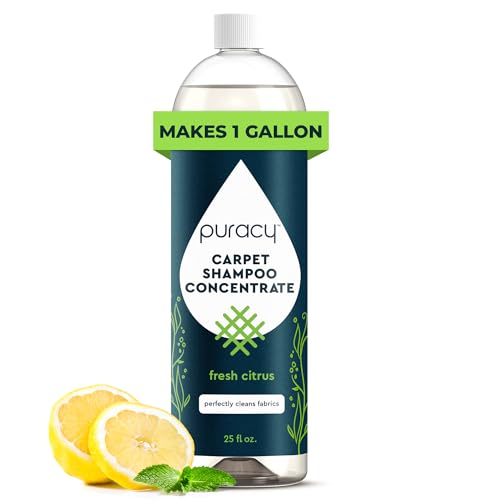
Puracy Carpet Cleaner Solution – Carpet Shampoo, Pet Stain & Odor Remover, Rug & Upholstery Cleaner, 4X Concentrated, Low Foam Shampooer Formula, Fresh Citrus, 25oz
- Plant-Based, Low-Foam Formula: Safe, fast-acting carpet cleaner and shampoo
- Quick Stain & Odor Removal: Lifts soils and odors rapidly
- Versatile Home Cleaning: Suitable for carpets, upholstery, and more
As an affiliate, we earn on qualifying purchases.
As an affiliate, we earn on qualifying purchases.
DIY Natural Carpet Cleaning: What Works and What Doesn’t
DIY natural cleaning is a practical way to keep carpets fresh without exposing your family to chemicals. A simple method is a 15-minute soak in warm water with a splash of vinegar and a sprinkle of baking soda. For example, after tracking mud into the house, you might mix equal parts vinegar and water in a spray bottle, lightly spritz the stain, then sprinkle baking soda to lift odors. This combination works because vinegar acts as a mild disinfectant and stain remover, while baking soda neutralizes odors and absorbs dirt. Using these natural ingredients reduces chemical exposure and environmental impact.
This approach is safe, affordable, and effective for routine cleaning. However, over-wetting carpets can cause mold or damage if not dried properly. Always test a small area first to prevent discoloration or damage. Good ventilation speeds up drying and minimizes lingering smells, which is essential for maintaining indoor air quality. While DIY methods are excellent for light stains and regular maintenance, they may not be suitable for deep-set or stubborn stains that require professional equipment or stronger cleaning agents. Recognizing these limitations helps you decide when DIY is appropriate and when to seek professional help.
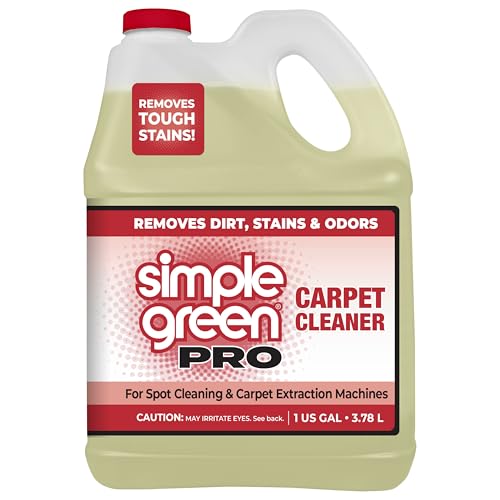
Simple Green Pro Carpet Cleaner 1 Gal
- Versatile cleaning for carpets and fabrics: Effectively cleans carpet, rugs, fabric, and upholstery
- Removes dirt, oils, and stains: Lifts and removes dirt, oils, and stains
- Safe for carpet fibers: Will not damage carpet fibers or backings
As an affiliate, we earn on qualifying purchases.
As an affiliate, we earn on qualifying purchases.
What Should You Look for When Picking a Carpet Cleaner?
Choosing a safe carpet cleaner starts with reading labels carefully. Look for products marked as non-toxic, biodegradable, low-VOC, or certified by environmental organizations. These labels indicate fewer harmful chemicals and a smaller environmental impact. For example, a cleaner labeled as EPA Safer Choice meets strict safety standards, ensuring it has been tested for reduced toxicity and environmental safety. Understanding these certifications helps you avoid products with potentially hazardous ingredients that can cause allergic reactions or respiratory issues.
Compare features with this simple table:
| Feature | Traditional Cleaner | Green/Eco-Friendly Cleaner |
|---|---|---|
| Ingredients | Synthetic chemicals, fragrances | Plant-based, natural oils |
| VOC Emissions | High | Low or none |
| Environmental Impact | Potential pollution | Biodegradable, minimal impact |
| Effectiveness | Varies, often strong | Comparable for routine stains |
Always check for third-party certifications, such as EPA Safer Choice or Green Seal, which verify that the product meets safety and environmental standards. This extra step ensures that your choice supports healthier indoor air and reduces chemical exposure. Being vigilant about labels and certifications empowers you to select products that truly prioritize safety, making your home not only cleaner but also healthier for everyone inside.
How to Minimize Chemical Exposure When Cleaning Your Carpets
The best way to cut chemical risks is to use less product, dilute properly, and ventilate your space. For example, after applying a cleaner, open windows or turn on fans to let fumes escape. Always follow manufacturer instructions—more isn’t better because excess chemicals can linger longer in your home, increasing exposure. Proper dilution reduces the concentration of chemicals, making them less likely to cause irritation or health issues. Ventilation helps disperse fumes quickly, preventing their buildup and reducing long-term health risks.
Other tips include:
- Test small areas first to avoid overuse and ensure compatibility with your carpet.
- Use natural alternatives like baking soda or vinegar for routine cleaning, which are safer and environmentally friendly.
- Schedule professional green cleaning if deep cleaning is needed, ensuring the use of safer products and techniques.
- Keep pets and children away from freshly cleaned carpets until fully dry to prevent inhalation of residual fumes.
Implementing these practices reduces chemical exposure, safeguards indoor air quality, and creates a healthier living environment. The tradeoff is minimal effort for significant health benefits, making these steps a smart choice for any household.
Frequently Asked Questions
Are green or natural carpet cleaning products truly safer?
In most cases, yes. They contain fewer synthetic chemicals and VOCs, making them less likely to cause health issues. However, it’s important to recognize that ‘safer’ doesn’t mean completely risk-free. While natural ingredients tend to be gentler, some plant-based components can still cause allergies or sensitivities in certain individuals. Always check for reputable certifications and ingredient lists to verify safety claims, and consider testing a small area first. The key is understanding that these products generally reduce exposure to harmful substances, making them a smarter choice for health-conscious households.
Can I clean my carpets safely myself without harsh chemicals?
Absolutely. Using simple ingredients like vinegar, baking soda, and water can effectively clean carpets without risking chemical exposure. These natural solutions are not only safer but also cost-effective and environmentally friendly. However, for stubborn stains or heavily soiled carpets, DIY methods might be less effective, and professional cleaning could be necessary. Always test solutions on a small, inconspicuous area to prevent discoloration, and ensure good ventilation during and after cleaning to minimize residual fumes. This approach balances safety with cleanliness, especially for routine maintenance.
What should I look for when choosing a carpet cleaning product?
Look for labels indicating non-toxicity, biodegradability, low or zero VOCs, and certifications from trusted environmental organizations like EPA Safer Choice or Green Seal. These certifications verify that the product has been independently tested and meets strict standards for safety and environmental impact. Additionally, read ingredient lists to avoid known harmful chemicals such as formaldehyde, ammonia, or synthetic fragrances. Choosing products with these markers ensures you’re prioritizing your family’s health, indoor air quality, and the environment, making your cleaning routine both effective and responsible.
Are professional carpet cleaning services safer than DIY methods?
They can be, especially if the service uses green cleaning products and environmentally friendly techniques. Professional cleaners often have access to specialized equipment and solutions that can clean more thoroughly without relying on harsh chemicals. When choosing a service, ask about their cleaning agents and whether they use eco-friendly products. Ensuring they follow safety standards and use low-VOC or non-toxic solutions can make professional cleaning a safer option. Ultimately, professional services can provide a deep clean while minimizing chemical exposure, especially when you verify their methods beforehand.
How can I reduce chemical exposure during carpet cleaning?
Use less product, dilute according to instructions, and ensure good ventilation during and after cleaning. Opt for green cleaning products whenever possible, which contain fewer or no harmful chemicals. Scheduling regular cleaning reduces the need for heavy-duty products, and airing out your home helps disperse residual fumes more quickly. Additionally, keep pets and children away from freshly cleaned carpets until they are dry and fumes have dissipated. These practices collectively help maintain healthier indoor air quality, reduce potential health risks, and create a safer environment for everyone in your home.
Conclusion
Knowing what’s in your carpet cleaner empowers you to make safer choices. With the rise of green products and simple DIY solutions, you can keep your home fresh without exposing your loved ones to toxic chemicals.
Next time you reach for that spray bottle, remember: a little less chemical goes a long way—your home, and your health, will thank you.
Back to school Picks
back to school
As an affiliate, we earn on qualifying purchases.