TL;DR

Get cleaning gear delivered free — and shop member deals
- Fast, free delivery on millions of items
- Access to Prime Big Deal Days deals on October 6–7
- Prime Video, Amazon Music and more included
The most effective way to keep a glass shower screen clear daily is to remove water immediately after every shower with a squeegee, followed by quick drying. Using a daily spray adds extra protection, reducing mineral deposits and soap scum. Consistency is key; a two-minute routine prevents stubborn stains and maintains clarity.
Imagine stepping into your shower and seeing a crystal-clear glass wall, free of streaks, spots, or soap scum. It’s possible—and surprisingly simple—to keep your shower glass spotless with just a few quick habits. No need for harsh chemicals or laborious scrubbing every day.
What really makes a difference? Consistency. A quick wipe-down after each shower prevents mineral buildup and soap residue from drying onto the glass. This tiny daily effort saves hours of deep cleaning later and keeps your bathroom looking fresh and inviting.
Always squeegee the glass immediately after each shower to prevent water spots.
Use a microfiber cloth to dry edges and seals that the squeegee can’t reach.
Avoid abrasive cleaners or tools that can scratch or damage the glass surface.
Apply a daily glass-safe spray for extra protection, especially in hard-water areas.
Weekly deep cleaning keeps stubborn buildup at bay and maintains clarity.
The Best Way to Keep a Glass Shower Screen Clear Daily
Remove water immediately after every shower. A top-to-bottom squeegee pass, followed by quick edge drying, stops mineral deposits and soap residue before they can bond to the glass.
A small habit that prevents a much larger cleaning job.
Immediate water removal can sharply reduce mineral deposits.
The simplest first line of defense against cloudiness.
Act before droplets dry.
Overlap each clean stroke.
Adjust for use and water hardness.
Prevent scale from bonding later.
Residue becomes trouble when water is left to dry
Fresh residue is comparatively easy to remove. Repeated drying concentrates minerals, binds soap film to the surface, and can eventually contribute to permanent dulling or etching.
Calcium + magnesium
Evaporating droplets leave concentrated mineral spots that can build into stubborn scale.
Soap scum film
Soap reacts with water minerals, producing a dull layer that traps oils and cosmetic residue.
Seals, tracks + corners
Poor airflow leaves fittings damp, encouraging spots, odors, mold, and mildew around edges.
Remove the carrier before it leaves a mark
Water carries the minerals and residue. Squeegeeing immediately interrupts the drying cycle, reducing deposits and lowering the need for aggressive chemicals later.
Five moves. One clear screen. Less than two minutes.
Rinse
Use clean warm water to remove soap, shampoo, and loose residue.
Squeegee
Work top to bottom with slightly overlapping, controlled strokes.
Dry edges
Use microfiber on corners, seals, the bottom edge, and fittings.
Ventilate
Leave the door open and run the extractor fan to improve airflow.
Daily spray
Apply a compatible glass-safe product according to its label.
A daily spray can add protection, but it does not replace physical water removal. Skipping the squeegee allows minerals and residue to dry directly onto the surface.
Build the smallest kit that solves the whole problem
Good technique matters more than a crowded cleaning cupboard. Match each product to its job, the glass coating, surrounding stone, seals, and metal finishes.
| Tool | Daily role | Best practice | Important caution |
|---|---|---|---|
| ✓Squeegee | Essential: removes most surface water before minerals settle. | Choose smooth rubber or silicone. Replace a nicked, stiff, or streaky blade. | Do not press debris across the glass; rinse the screen first. |
| ✓Microfiber | Dries edges, fittings, tracks, corners, and seals the blade cannot reach. | Keep a clean cloth nearby and wash it without fabric softener. | Fabric softener reduces absorbency and may leave a fresh film. |
| +Daily spray | Adds a mild protective layer that can reduce residue adhesion. | Confirm compatibility with glass, coatings, frames, seals, tile, and stone. | More product is not better; excess spray can create cloudiness. |
| ~White vinegar | Diluted vinegar may dissolve light mineral deposits on ordinary uncoated glass. | Check manufacturer guidance and use only for targeted cleaning. | Avoid marble, limestone, travertine, sensitive metals, grout, and coatings. |
| ~Mild detergent | A small amount in warm water can loosen oily soap residue. | Use sparingly, rinse completely, then squeegee and dry. | Unrinsed detergent leaves its own dull film behind. |
Hydrophobic and easy-clean coatings help water bead and run off, but they are not maintenance-free. Abrasives and harsh chemicals can shorten their useful life.
Do not trade temporary shine for permanent scratches
Unsuitable tools and chemicals can damage glass, coatings, hardware, sealants, and nearby materials. When in doubt, follow the shower manufacturer’s care instructions.
Scouring pads + steel wool
Micro-scratches trap residue and make later cleaning more difficult.
Routine harsh acids or alkalis
They may dull coatings, discolor fittings, or damage surrounding stone.
Letting cleaner dry
Dried product often produces streaks, spots, and a new cloudy film.
Using too much product
Heavy application can leave residue that attracts more dirt and oils.
Daily prevention, weekly inspection
Even a disciplined two-minute routine benefits from a more thorough weekly clean. Increase frequency for hard water, heavy use, or showers with poor ventilation.
Restore the entire enclosure
- Wash with an approved glass cleaner or mild detergent solution.
- Rinse completely, then squeegee and dry the screen.
- Clean tracks, hinges, seals, fittings, and the bottom sweep.
- Inspect silicone for mold, trapped moisture, or deterioration.
- Use limescale remover only when every nearby material is compatible.
The longer residue sits, the harder it becomes to reverse
Severe cloudiness may be permanent etching rather than removable dirt. Prevention protects clarity and helps avoid professional polishing or premature screen replacement.
One tiny action changes the entire maintenance cycle
Why Your Shower Glass Gets Cloudy and How to Stop It
Shower glass becomes cloudy mainly because of mineral deposits, soap scum, and body oils drying onto the surface. Hard water leaves calcium and magnesium residues that stick stubbornly. Soap reacts with minerals, creating a film that dulls the glass. Over time, these layers build up, making the glass look dull and streaky.
Imagine a glass door in a hard-water area—if you leave it to dry naturally, spots turn into a crust that’s tough to clean. But if you wipe it immediately, you remove the water before deposits settle in. That’s the secret to maintaining clarity—and it’s quick.
Understanding why these deposits form helps you appreciate the importance of immediate water removal. Minerals in hard water are not just aesthetic nuisances—they can etch the glass over time, leading to permanent damage if not addressed early. Soap scum and oils, if left to dry, create a sticky film that attracts dirt and bacteria, compromising the cleanliness and appearance of your shower. The tradeoff is between quick, simple maintenance and more intensive, costly cleaning or repairs later. Regularly removing water prevents these deposits from bonding strongly, preserving the glass’s original clarity and reducing long-term maintenance costs.
As an affiliate, we earn on qualifying purchases.
The No-Fail Daily Routine to Keep Your Shower Glass Sparkling
- Rinse the glass with warm water to wash away soap and shampoo residues, which, if left, can react with minerals and create stubborn films.
- Squeegee from top to bottom, overlapping each stroke for a streak-free finish. This step physically removes most water, preventing mineral deposits from settling and reducing the need for chemical cleaners.
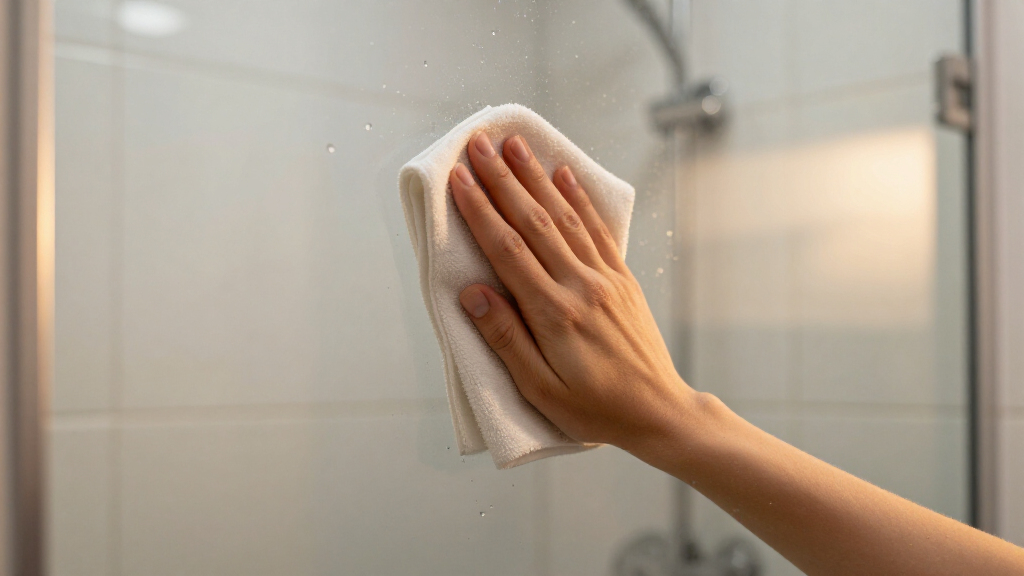
- Dry edges and fittings with a microfiber cloth, paying attention to corners and seals where water tends to collect. These areas are prone to mold and mildew if moisture remains, so thorough drying helps prevent long-term damage and odors.
- Open the door and run the exhaust fan to boost airflow and dry remaining moisture. Proper ventilation accelerates evaporation, minimizing water retention that leads to buildup.
- If desired, spray a glass-safe daily cleaner and follow its instructions for extra protection. This creates a barrier that inhibits mineral adhesion and soap scum formation, easing future cleaning efforts.
This routine takes less than two minutes and drastically reduces buildup, making stubborn cleaning a thing of the past.
Picture yourself quickly drying the glass while humming to your favorite song. That’s all it takes for a streak-free shine every day.
Investing a mere couple of minutes daily can significantly extend the interval between deep cleans, save cleaning products, and preserve your shower’s appearance for years. The key is consistency—skipping days allows deposits to bond and become harder to remove, negating the routine’s benefits.
microfiber cloth for glass cleaning
As an affiliate, we earn on qualifying purchases.
As an affiliate, we earn on qualifying purchases.
Tools That Make Daily Glass Cleaning a Breeze
- Squeegee: A smooth rubber blade that quickly wipes water off glass surfaces—look for one with a sturdy handle and replace when streaks appear. Choosing a high-quality squeegee ensures effective water removal, which is the first line of defense against mineral deposits and soap scum. A poorly made squeegee may leave streaks or miss water in corners, making your routine less effective and requiring more frequent cleaning or reapplication of protective products. The tradeoff is between investing in a durable tool upfront and saving time and effort in maintenance later.
- Microfiber cloth: Perfect for drying edges and corners that the squeegee misses. Use without fabric softener to keep it absorbent. Proper drying of these areas prevents mold, mildew, and water spots that can develop into stubborn stains. A high-quality microfiber can last for years if maintained properly, providing consistent performance and reducing the need for chemical cleaners. Neglecting this step or using inferior cloths can lead to residual moisture, which promotes microbial growth and dulls the glass over time.
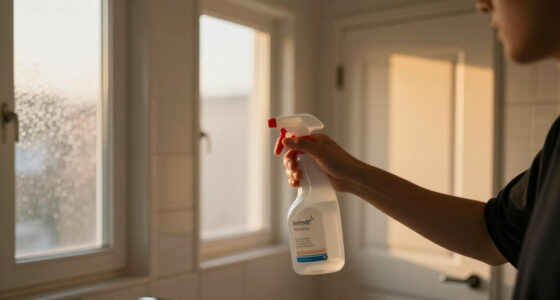
- Daily shower spray: A mild, glass-safe product that prevents residue buildup—apply after drying for extra protection. These sprays form a thin, protective film that repels water and reduces mineral adhesion. While they are not a substitute for physical removal, they significantly ease future cleaning by minimizing the initial film formation. Choosing the right spray depends on your water type and the specific needs of your shower—hard water areas benefit more from protective coatings, which can reduce the frequency of intensive cleaning sessions. The tradeoff involves selecting a product that balances effectiveness, safety, and ease of use.
- Vinegar: Diluted white vinegar dissolves light mineral deposits. Use cautiously on coated or sensitive surfaces. Vinegar is an inexpensive, natural solution that can prevent mineral buildup when used regularly. However, overuse or improper application can degrade certain finishes or coatings, leading to etching or dulling. Understanding when and how to use vinegar helps maintain the glass’s clarity without risking damage. It’s best reserved for targeted cleaning rather than daily use, and always diluted to prevent acidity from harming protective coatings or sealants.
Incorporate these tools into your routine, and you’ll notice less streaking and fewer stubborn stains over time. Maintaining proper technique and choosing quality tools maximize their effectiveness, turning daily cleaning into an effortless task that preserves your shower’s beauty.
As an affiliate, we earn on qualifying purchases.
What to Avoid When Cleaning Your Shower Glass
Avoid abrasive powders, steel wool, or hard scrapers—they can scratch or damage your glass. These tools are tempting because they seem to scrub away tough stains, but in reality, they create micro-scratches that trap dirt and make future cleaning more difficult. Over time, scratched surfaces are more prone to staining and may require professional polishing or even replacement, which can be costly. Never use undiluted bleach or harsh acidic cleaners routinely, as they can harm coatings or metal finishes, leading to deterioration or discoloration. These chemicals may seem effective initially but can compromise the integrity of your shower hardware and glass surface.
Also, don’t let cleaning products dry on the glass. This often causes streaks and dull spots, especially if residues are left to sit for extended periods. Regular rinsing and wiping are more effective than letting products sit and dry, which can embed residues into the surface. And steer clear of mixing chemicals like bleach and vinegar, which can produce dangerous gases and compromise your health and safety.
Think of it like this: gentle, consistent care beats aggressive scrubbing. Your glass will thank you, and you’ll avoid costly repairs or replacements caused by careless cleaning habits.
hard water stain remover for glass
As an affiliate, we earn on qualifying purchases.
As an affiliate, we earn on qualifying purchases.
Weekly Deep Clean and Maintenance Tips for a Like-New Look
Even with daily care, a weekly deep clean is essential for maintaining a pristine and durable surface. Use a manufacturer-approved glass cleaner or a mild detergent to thoroughly wash the entire enclosure, paying particular attention to areas prone to buildup such as seals, tracks, and the bottom sweep. These spots trap grime, mold, and mineral deposits that can become ingrained if neglected. Proper cleaning of these areas prevents long-term damage and preserves the integrity of seals and hardware, which are critical for preventing leaks and maintaining a clean environment. Inspect silicone and seals regularly; mold or deterioration here can lead to leaks or unpleasant odors. Use a lime-scale remover or vinegar solution on stubborn mineral deposits, but only if it’s compatible with your glass and hardware—improper use can cause etching or damage. This weekly routine acts as a reset, ensuring that the glass remains clear and the hardware functions optimally, reducing the need for intensive repairs later.
New Tech and Trends That Make Daily Glass Care Easier
Hydrophobic coatings, applied at the factory or aftermarket, make water bead up and run off more quickly. This reduces residue adhesion but isn’t a free pass—regular cleaning still helps maintain their effectiveness. These coatings create a microscopic barrier that prevents minerals and soap scum from bonding to the glass surface, effectively making water runoff more efficient. However, if cleaning is neglected, residues can still accumulate around the coated areas, diminishing their effectiveness. Some newer shower screens feature treated surfaces designed to resist residue and staining—these can significantly reduce cleaning frequency but require adherence to specific manufacturer care instructions to avoid damaging the coating. Proper ventilation and modern shower designs help moisture escape faster, reducing the amount of water that remains on the surface, which in turn minimizes deposit formation. Expert insights suggest that combining these innovations with good maintenance habits provides the best results—technology can’t replace routine care but can make it easier and more effective.
Quick Facts That Make Glass Maintenance Easier
- A squeegee is usually more effective than relying on spray alone because it physically removes most of the water, preventing mineral deposits before they form.
- Drying the glass immediately after each shower prevents mineral spots from forming, as deposits need time to bond and harden.
- Hard-water spots become harder to remove the longer they sit because minerals crystallize and embed deeper into the glass surface, making chemical removal more difficult and sometimes requiring professional polishing.
- Hydrophobic coatings help but don’t eliminate the need for routine cleaning; they slow down residue buildup but can’t prevent it entirely, especially in high-mineral areas.
- Regular inspection of seals and silicone prevents mold growth, which can cause odors, deterioration, and water leaks, ultimately compromising the shower’s integrity and appearance.
Keep these tips in mind, and your glass will stay clear longer without extra effort, helping you maintain a pristine shower environment with minimal hassle.
Frequently Asked Questions
Should I squeegee the shower glass after every use?
Yes. Squeegeeing immediately after each shower is the most effective way to prevent water spots and mineral buildup. It only takes a few seconds and makes a huge difference over time.
Is a daily shower spray necessary?
Not always. In soft-water areas, a squeegee and quick drying might suffice. But in hard-water regions, a gentle daily spray can help prevent stubborn residue and make weekly cleaning easier.
Can I leave daily shower spray on without rinsing?
Only if the product is specifically designed as a leave-on treatment. Always follow the manufacturer’s instructions—some sprays require rinsing, others are safe to leave on for extra protection.
What’s the easiest homemade cleaner for glass?
A small amount of mild dish soap in warm water works well for routine cleaning. For mineral deposits, diluted vinegar can help, but avoid using vinegar on acid-sensitive surfaces like marble or natural stone.
How do I remove stubborn white spots?
Use a glass-safe lime-scale remover or an approved acidic cleaner. Apply it carefully, follow instructions, rinse thoroughly, and dry. Persistent spots may be etched into the glass, requiring professional polishing or replacement.
Conclusion
Building a simple, consistent habit of wiping your shower glass after every use transforms it from dull to dazzling. It’s a small daily step that saves time, money, and frustration in the long run.
Picture your bathroom with every shower giving you a clear, streak-free view—bright, inviting, and effortlessly maintained. That’s a routine worth sticking to.
Fall Picks
fall essentials
As an affiliate, we earn on qualifying purchases.