
TL;DR

Get cleaning gear delivered free with Prime
- Fast, free delivery on millions of items
- Prime Video, Amazon Music and more included
- Member-only deals all year
Regularly cleaning your air vents and registers removes dust, allergens, and mold, improving air quality and HVAC performance. A few simple steps can make a big difference in your home’s air freshness.
Clean vents every 3-6 months to reduce allergens and improve HVAC efficiency.
Use a simple toolkit: vacuum, mild soap, microfiber cloths, and a screwdriver.
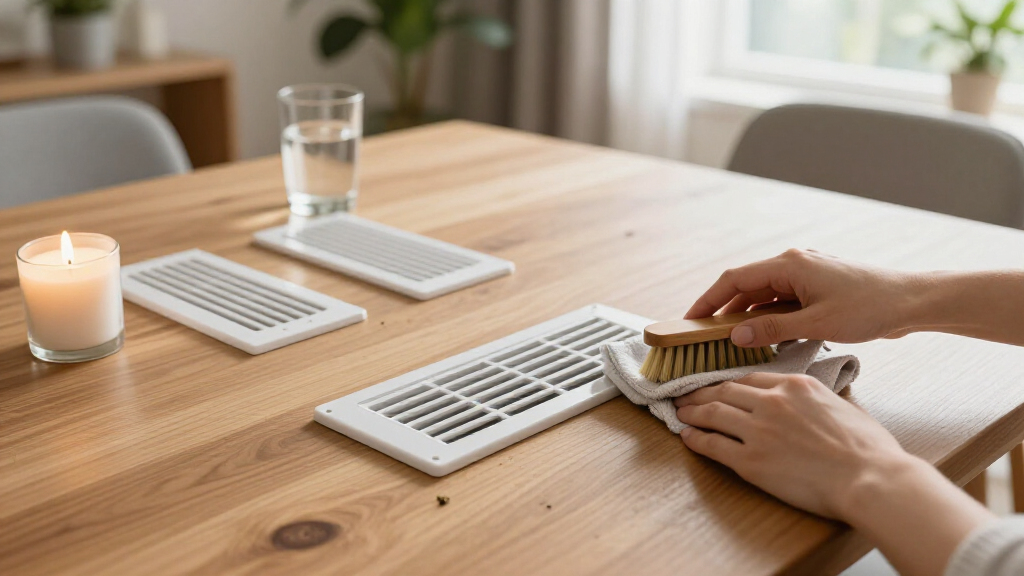
Deep cleaning involves removing covers, washing, and vacuuming inside duct openings.
Regular maintenance, like changing filters and wiping covers, keeps vents cleaner longer.
Watch for signs like musty odors or persistent dust — they signal when a deep clean or replacement is needed.
Why Regularly Cleaning Your Air Vents Matters For Your Home’s Air Quality
Air vents collect dust, pet hair, pollen, and even mold spores. Over time, these particles build up, turning your ventilation system into a hidden source of indoor pollution.
According to an anonymous researcher, neglected vents can harbor allergens that worsen asthma and allergy symptoms. Regular cleaning reduces these risks, improves airflow, and boosts HVAC efficiency — saving energy and money.
Think of your vents like tiny filters that need occasional care. When they’re dirty, your system works harder, using more energy and spreading contaminants. Clean vents mean fresher air and a healthier home environment.
Furthermore, accumulated dust and mold can lead to mold growth within the ductwork, which not only worsens indoor air quality but can also cause structural damage over time. Ignoring vent maintenance might seem trivial but can result in costly repairs and health issues down the line. Regular cleaning acts as a preventive measure, ensuring your HVAC system operates optimally and your indoor environment remains safe and comfortable.
As an affiliate, we earn on qualifying purchases.
Step-by-Step: How to Remove and Clean Your Vent Covers
- Turn off your HVAC system to avoid blowing dust around and to ensure safety during cleaning.
- Use a screwdriver to unscrew the vent covers. Keep screws in a safe place to prevent loss.
- Vacuum the covers with a brush attachment, focusing on crevices and louver blades to remove loose dust and debris.
- Wash covers with warm water and mild soap. Rinse thoroughly to remove soap residue, then dry completely to prevent rust or mold growth.
- Vacuum the inside of the duct opening to remove accumulated dust and debris, which can otherwise spread when vents are reinstalled.
- Reattach the covers securely, ensuring they’re snug but not overtightened to avoid damage or warping.
This routine is essential because dust and debris can act as breeding grounds for mold and bacteria. Regularly cleaning the covers and inside the duct openings prevents the circulation of contaminated air, which can trigger allergies or respiratory issues. Maintaining clean vent covers also prolongs their lifespan and keeps your HVAC system running efficiently by reducing strain caused by blocked airflow.
As an affiliate, we earn on qualifying purchases.
What Tools and Supplies Make Vent Cleaning Easy and Safe
- Vacuum cleaner with a brush or crevice attachment — to remove loose dust and dirt efficiently.
- Screwdriver for removing covers — ensures safe and easy removal of vent covers.
- Microfiber or soft cloths — trap dust effectively and reduce the need for harsh chemicals.
- Warm water and mild dish soap — safe for cleaning covers and preventing damage.
- Compressed air (optional) — helps dislodge dust from hard-to-reach spots inside the ductwork.
- Eco-friendly disinfectant (if needed for mold or bacteria) — ensures safety without introducing toxic fumes, especially important in homes with children or pets.
Having these tools ready streamlines the cleaning process, making it safer and more effective. For example, microfiber cloths trap dust better than generic rags, reducing chemical use. Using eco-friendly disinfectants minimizes health risks associated with mold or bacteria, ensuring your home stays safe and clean after each maintenance session.
As an affiliate, we earn on qualifying purchases.
How Often Should You Clean Your Vents? The 3-6 Month Rule
Most households should aim to clean their vents every 3 to 6 months. This frequency helps prevent dust and allergens from accumulating to levels that could compromise indoor air quality.
However, household conditions greatly influence this schedule. For instance, homes with pets, allergies, or in dusty environments may require more frequent cleaning — every 2-3 months — to effectively reduce pet hair, dander, and dust buildup. Conversely, in less dusty settings with minimal pet presence, semi-annual cleaning might suffice.
Adhering to this schedule isn’t just about cleanliness; it directly impacts health. Regular cleaning reduces dust and allergen buildup, which can trigger asthma or allergy symptoms, and ensures your HVAC system operates efficiently by maintaining unobstructed airflow. Over time, neglecting cleaning can lead to increased energy costs and health issues, making consistent maintenance a wise investment in your home’s well-being.
As an affiliate, we earn on qualifying purchases.
Comparing DIY Cleaning and Professional Duct Cleaning
| DIY Cleaning | Professional Duct Cleaning | ||
|---|---|---|---|
| Quick, inexpensive, good for surface dust and routine maintenance. | Deep cleaning of the entire duct system, including hidden areas. | Requires only basic tools and effort, suitable for regular upkeep. | Utilizes specialized equipment and expertise to thoroughly clean ductwork. |
| Ideal for maintaining cleanliness between professional visits. | Recommended if you notice mold, persistent odors, or pest infestations. | Cost-effective for small-scale cleaning; less disruptive. | Ensures removal of mold, bacteria, and deep-seated debris that DIY methods can’t reach. |
In essence, DIY cleaning is suitable for routine dust removal and quick upkeep, while professional cleaning is essential for deep contamination, mold, or pest issues. Combining both approaches—regular DIY cleaning supplemented by periodic professional service—maximizes indoor air quality and system longevity, preventing health risks and costly repairs down the line.
How to Keep Your Vents Cleaner, Longer
After cleaning, adopting simple maintenance habits can significantly extend the time between intensive cleanings. Regularly changing filters ensures that dust and allergens are captured before they circulate. Keeping pets off vents prevents pet hair and dander from contributing to buildup. Using high-quality filters that trap smaller particles enhances overall air quality and reduces cleaning frequency.
Wiping vent covers with a damp cloth monthly prevents dust from settling and becoming harder to remove later. Addressing moisture issues promptly, such as fixing leaks or improving ventilation, prevents mold growth within ducts and on covers. Additionally, installing a small fan near vents can help circulate air more effectively, reducing stagnant moisture and dust accumulation.
Implementing these habits improves indoor air quality, prolongs the lifespan of your vent components, and reduces the frequency of deep cleanings, ultimately saving you time and money while maintaining a healthier home environment.
Signs Your Vents Need a Deep Clean or Replacement
If you notice a persistent musty smell, increased allergy symptoms, or visible mold around vents, it’s a sign that your vents may need a deeper clean or even replacement. Dust buildup that resists removal after routine cleaning often indicates internal debris accumulation or damaged vent covers, which can harbor mold and bacteria.
For example, if your vent filters look grimy even after cleaning or if dust continues to circulate despite regular maintenance, these are warning signs of deeper issues. Mold growth inside ducts can be hidden but dangerous, leading to respiratory problems if left unaddressed. In such cases, professional inspection is advisable to assess duct integrity and identify potential replacements.
Ignoring these signs can result in worsening indoor air quality, increased health risks, and higher repair costs. Addressing them promptly with professional help ensures your home remains safe, healthy, and free from long-term damage caused by mold or duct deterioration.
Frequently Asked Questions
How often should I clean my air vents and registers?
Aim for every 3 to 6 months. If you have pets, allergies, or live in a dusty area, cleaning every 2-3 months helps keep dust and allergens at bay.Can I clean air vents myself, or should I hire a professional?
Basic cleaning like vacuuming and washing covers is easy DIY. But for deep cleaning, especially if mold or pests are involved, hiring professionals ensures thorough and safe results.What cleaning products are safe for vents?
Mild dish soap mixed with warm water works well. For mold, eco-friendly disinfectants are best. Avoid harsh chemicals that could damage your vent components or pollute indoor air.How do I remove and reinstall vent covers?
Use a screwdriver to unscrew the covers, then clean thoroughly. Reattach them securely, but don’t overtighten. It’s a simple task that keeps your vents looking and functioning their best.Are there health risks associated with dirty vents?
Yes. Dust, mold spores, and allergens can circulate when vents are dirty, potentially triggering asthma, allergies, or respiratory issues. Regular cleaning helps prevent these health problems.Conclusion
Think of your vents as the lungs of your home. Keeping them clean isn’t just about looks — it’s about breathing cleaner, fresher air every day. A little effort now saves you discomfort and expense later. Your home’s air quality depends on it — so get started today, and enjoy the difference.Fall Picks
fall essentials
As an affiliate, we earn on qualifying purchases.