TL;DR

Get cleaning gear delivered free — and shop member deals
- Fast, free delivery on millions of items
- Access to Prime Big Deal Days deals on October 6–7
- Prime Video, Amazon Music and more included
Waking up congested often comes down to indoor allergens, poor air quality, and humidity issues in your bedroom. Addressing these factors with practical steps can help you breathe easier each morning.
Ever wake up feeling like you’ve been inhaling a cloud of dust? That stuffy, congested feeling in the morning might be more than just a cold or allergy flare-up. It could be your bedroom itself — the very place meant to be your sanctuary. Your sleep space might be harboring invisible allergens, pollutants, or humidity levels that irritate your nasal passages.
In this guide, you’ll learn how your bedroom environment influences congestion, what specific factors to target, and practical steps to breathe more freely each day. Because a few simple changes can turn your bedroom into a cleaner, fresher space — and that means clearer mornings for you.
Regularly wash bedding in hot water to kill dust mites.
Keep indoor humidity between 30-50% to prevent mold and dust mites.
Use HEPA air purifiers and vacuum with HEPA filters to reduce airborne allergens.
Open windows daily to improve ventilation and remove indoor pollutants.
Elevate your head with an extra pillow to reduce mucus buildup while sleeping.
When you wake up congested, the cause isn’t always obvious. Dust mites, mold, pet dander, and pollen can quietly build up on your bedding, pillows, and mattress. These tiny invaders trigger your immune system, swelling nasal tissues and blocking airflow.
Understanding why these allergens matter is crucial because they don’t just cause temporary discomfort; they can lead to chronic nasal inflammation if left unchecked. For instance, dust mites thrive in warm, humid environments and feed on skin flakes, making your bed a perfect breeding ground. Mold spores, which can be invisible to the naked eye, become airborne and irritate nasal tissues, especially in damp conditions, potentially worsening allergy symptoms over time. Pet dander and pollen settling into fabrics can cause prolonged allergic reactions, especially if your sleeping area isn’t regularly cleaned. Recognizing these hidden culprits helps you target your efforts effectively, reducing ongoing congestion and improving sleep quality. Addressing these allergens isn’t just about immediate relief but also about preventing long-term respiratory issues that can develop from persistent exposure.
As an affiliate, we earn on qualifying purchases.
How your bedroom environment fuels nasal congestion — and how to fix it
The air you breathe at night can be filled with irritants if your bedroom isn’t well-ventilated or kept at the wrong humidity. High humidity fosters mold growth and dust mites, both of which are potent allergens that can inflame nasal passages and lead to persistent congestion. These allergens tend to thrive in environments where moisture is abundant, creating a cycle of irritation that can worsen over time if not addressed. Conversely, low humidity dries out your mucous membranes, impairing their ability to trap and clear irritants, which exacerbates congestion. When mucous membranes are dry and cracked, they become less effective at filtering airborne particles, making you more susceptible to allergens and infections.
Maintaining a balanced humidity level between 30-50% is vital because it creates an inhospitable environment for mold and dust mites while keeping nasal tissues moist and resilient. Too high, and you risk fostering mold proliferation and increasing allergen load; too low, and your nasal passages become dry and inflamed, reducing their protective function. Small adjustments, like using a dehumidifier or humidifier, can significantly reduce the presence of airborne triggers and help your nasal passages stay healthy, reducing congestion and improving sleep quality. These changes can have a ripple effect: better air quality means less nasal swelling, easier breathing, and more restful sleep, which in turn supports overall health and well-being.
| Factor | Impact | Solution |
|---|---|---|
| High humidity (>60%) | Encourages mold and dust mites, increasing allergen load and inflammation, which can lead to chronic congestion and respiratory issues if persistent. | Use a dehumidifier or air conditioner to maintain optimal humidity levels, preventing mold growth and reducing allergen proliferation. |
| Low humidity (<30%) | Dries out nasal passages, impairing mucus function and reducing the mucociliary clearance that naturally removes irritants, leading to increased congestion risk and susceptibility to infections. | Use a humidifier or vaporizer to keep moisture levels balanced, supporting nasal tissue health and effective allergen removal. |
As an affiliate, we earn on qualifying purchases.
Simple steps to banish allergens and improve your sleep air quality
Ready for some quick wins? Here are proven ways to cut down on bedroom allergens and breathe easier:
- Wash bedding weekly in hot water (at least 130°F) to kill dust mites and remove allergens that accumulate over time. This regular cleaning prevents allergen buildup, which is crucial because dust mites and mold spores can quickly multiply in unwashed fabrics, triggering allergic reactions and congestion.
- Cover pillows and mattresses with allergen-proof encasements—these create a physical barrier that prevents dust mites and pet dander from penetrating fabrics, significantly reducing allergen levels. This step is especially important for allergy sufferers, as it directly reduces exposure and can improve sleep quality over time.
- Vacuum carpets and upholstery with a HEPA filter regularly. HEPA filters trap microscopic particles that standard vacuums might recirculate, helping keep airborne allergens at bay. Regular cleaning prevents the accumulation of irritants that can cause nasal swelling and congestion.
- Keep humidity levels between 30-50% with a dehumidifier or humidifier. This balance discourages mold growth and dust mite proliferation, creating a less allergenic environment. Maintaining this range helps ensure that your indoor air remains healthy and reduces the risk of chronic congestion.
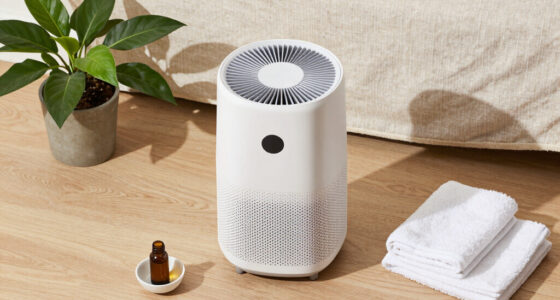
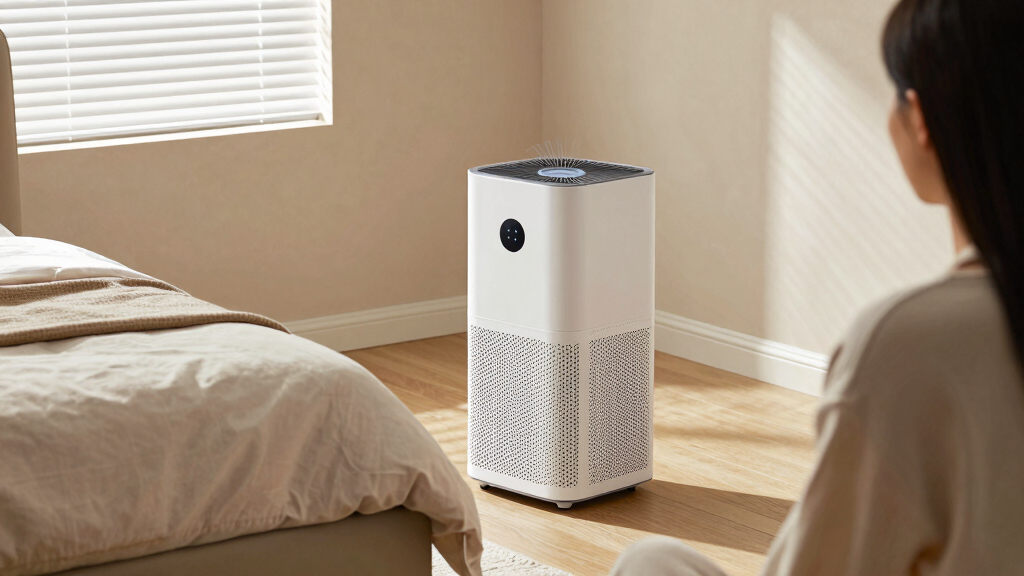
- Use an air purifier with a HEPA filter to actively remove airborne dust, pollen, pet dander, and mold spores, directly reducing the allergens you breathe in. This provides a continuous filtration system that complements cleaning routines, especially in bedrooms with pets or high allergen levels.
- Ventilate your room daily, opening windows when weather permits. Proper airflow helps dilute indoor pollutants and refreshes indoor air quality, especially after cleaning or activities that stir up dust. Consistent ventilation prevents the buildup of irritants and maintains a healthier breathing environment.
Imagine waking up to crisp, fresh air instead of a cloud of allergens. These small, consistent changes can transform your sleep environment, leading to mornings free from congestion and discomfort, ultimately supporting better health and more restful sleep.
As an affiliate, we earn on qualifying purchases.
What you can do now to breathe easier tomorrow
Fixing your bedroom isn’t about big renovations. It’s about tiny daily habits. Start by washing your sheets today, then check your humidity levels with a simple meter. Keep a small air purifier running overnight, especially if you have pets or allergies. These steps swiftly turn your sleeping space into a cleaner, healthier oasis, reducing your exposure to common allergens and irritants that cause congestion.
And if congestion persists despite these efforts? Consider consulting an allergist or ENT specialist. Persistent congestion might indicate underlying health issues or sensitivities that require personalized diagnosis and treatment, ensuring you get to the root cause rather than just managing symptoms.
As an affiliate, we earn on qualifying purchases.
Frequently Asked Questions
Can my mattress be causing my congestion?
Yes. Mattresses can harbor dust mites, mold, and pet dander, especially if they’re old or haven’t been cleaned regularly. Using allergen-proof covers and washing bedding weekly can help reduce this source of irritation.
How often should I change my bedding to keep allergens at bay?
Wash sheets, pillowcases, and blankets at least once a week in hot water. Regular cleaning prevents dust mites and mold from building up and keeps your sleeping environment fresh.
Is it worth investing in an air purifier?
Absolutely. HEPA air purifiers can capture over 99% of airborne allergens, pollen, pet dander, and dust. They’re especially helpful if you’re sensitive or allergic to indoor pollutants.
Could sleeping position affect congestion?
Yes. Sleeping on your back can cause mucus to pool in your nasal passages. Elevating your head slightly with an extra pillow helps mucus drain and reduces congestion.
When should I see a doctor about persistent congestion?
If congestion lasts longer than a week despite cleaning efforts, or if it’s accompanied by pain, fever, or sinus pressure, consult a healthcare professional. Chronic issues may require targeted treatment.
Conclusion
Your bedroom environment holds the key to waking up clear. Small, consistent steps—like controlling humidity, cleaning bedding, and improving airflow—can make a world of difference. Imagine mornings without that dull, congested feeling—breathe in fresh, clean air, and start your day the right way.
Take control of your space, and let your mornings be a breath of fresh air.
Halloween Picks
halloween
As an affiliate, we earn on qualifying purchases.