TL;DR

Get cleaning gear delivered free — and shop member deals
- Fast, free delivery on millions of items
- Access to Prime Big Deal Days deals on October 6–7
- Prime Video, Amazon Music and more included
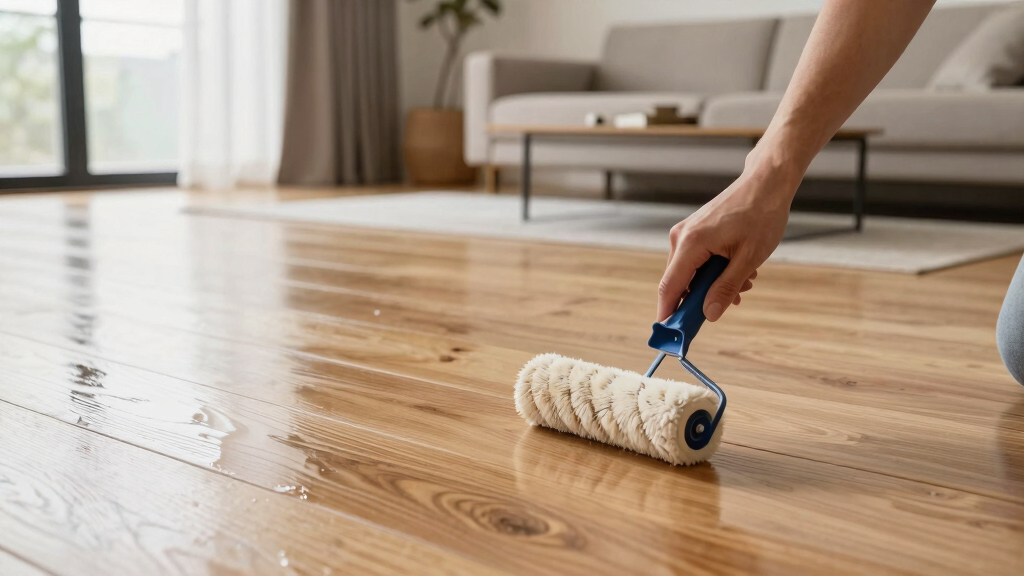
Floors scratch easily from furniture, shoes, and debris. To prevent this, use protective pads, choose scratch-resistant materials, keep floors clean, and maintain stable humidity. Small adjustments make a big difference in preserving your floors’ beauty.
Use furniture pads and rugs to create a protective barrier against scratches.
Regularly trim pet nails and encourage barefoot or soft-soled shoes indoors.
Choose scratch-resistant flooring materials like vinyl or laminate for high-traffic areas.
Maintain a stable humidity level to prevent floor surface stress.
Promptly fix small scratches with touch-up kits or DIY repairs to avoid bigger damage.
How to Stop Your Floors From Scratching So Easily
TL;DR: Floors scratch easily from furniture, shoes, pet claws, and debris. The fastest defense is simple: add protective pads, use rugs in high-traffic zones, keep grit outside, clean often, and stabilize humidity so surfaces do not expand, contract, or weaken.
Clear scratch-resistant coatings can reduce visible surface damage on hardwood floors, helping extend their useful lifespan.
Tiny gravel and dirt particles behave like sandpaper when walked across finished floors.
Felt pads turn destructive furniture movement into a soft slide.
Replace worn pads annually.
Trim claws before they become sharp.
Remove abrasive debris before foot traffic grinds it in.
Use mats where feet and furniture repeat the same path.
Humidity control reduces surface stress.
Why Floors Get Marked So Fast
Hardwood, laminate, and vinyl all handle wear differently. The practical move is to match the defense to the weakness: soften contact points, block abrasive debris, and avoid dragging anything heavy across the surface.
Beautiful, softer, repairable
Pet claws, high heels, and bare furniture legs can cut into the finish. The upside: many hardwood floors can be refinished when wear accumulates.
Tougher top layer
Laminate resists daily scuffs better than many woods, but sharp objects and trapped grit can still score the surface.
Best for busy zones
Luxury vinyl is often the most forgiving option for pets, kids, and constant foot traffic, especially in kitchens and entries.
The Five Small Habits That Do the Heavy Lifting
Scratch prevention is less about fancy gadgets and more about removing friction. These are the high-impact moves that keep floors looking new longer.
Pad furniture
Add felt pads to chair legs, table bases, stools, and anything that moves often.
Use rugs
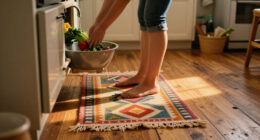
Place area rugs and mats in entryways, hallways, under dining chairs, and pet routes.
Trim nails
Keep pet claws rounded every 4-6 weeks to reduce tiny blade-like scratches.
Remove shoes
Stop grit, gravel, and outdoor debris from becoming indoor abrasives.
Clean often
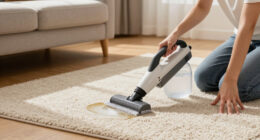
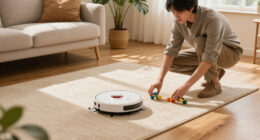
Sweep daily and vacuum with a soft brush setting to keep particles from grinding in.
Damage Risk by Everyday Source
The biggest scratches usually come from repeated small contacts. Reduce the contact, and the floor gets a much quieter life.
Rule of thumb: anything that slides needs a buffer.
Chairs, stools, appliance feet, rolling carts, planters, and pet bowls all deserve a protective layer underneath. Small contact points create concentrated pressure, and concentrated pressure creates visible damage.
Scratch Resistance Comparison
Choosing the right material matters most in homes with pets, kids, rolling chairs, or heavy foot traffic. No floor is scratch-proof, but some forgive daily life better than others.
| Feature | Hardwood | Laminate | Vinyl |
|---|---|---|---|
| Scratch resistance | ~ Moderate; vulnerable to pet claws and high heels. | ✓ Higher; resistant, but sharp objects still matter. | ✓ Most; luxury vinyl performs well in busy rooms. |
| Durability | ~ Long-lasting, though visible scratches can stand out. | ✓ Good; strong surface layer with wood-look options. | ✓ Excellent; ideal for pets and high traffic. |
| Repairability | ✓ Refinishable; deeper scratches may need sanding. | ✗ Limited; damaged planks often require replacement. | ~ Flexible; surface repairs or plank swaps are common. |
| Best defense | Felt pads, rugs, soft shoes, humidity control. | Clean grit often and avoid dragging sharp objects. | Use mats, soft casters, and non-abrasive cleaners. |
Fix Small Scratches Before They Become the Whole Story
Minor marks rarely require replacement. The right touch-up method depends on the floor surface and how deep the scratch goes.
Hardwood and laminate
Use a color-matched touch-up marker or wax stick for light marks. For deeper cuts, apply wood filler or call a refinisher before the damage spreads visually across the floor.
Vinyl floors
Try a specialized vinyl repair kit, and test in a hidden spot first. Some surface scratches can be blended carefully with controlled heat or plank-level repair.
Trace the Scratch Back to the Source
A scratch-free floor is a system. Each layer protects the next one, from the front door to furniture feet to the floor finish itself.
Eco-safe protection works.
Felt pads, bamboo rugs, non-toxic sealants, and gentle cleaners can protect floors without harsh fumes. They are especially useful in homes with kids, pets, and frequent barefoot traffic.
Why Some Floors Scratch So Easily – And How to Fight Back
Floors like hardwood, laminate, and vinyl all have their vulnerabilities. Hardwood, especially, can be scratched by pet nails, high heels, or rough furniture legs. Laminate and vinyl are more resistant but aren’t invincible. The key is understanding what makes them vulnerable and how to defend them.
Imagine dragging a heavy chair across a hardwood floor. That’s a prime cause of deep scratches. But a simple solution—adding felt pads—can turn that destructive motion into a gentle glide. Knowing your floor type helps you choose the right defense. For example, soft-soled shoes or slippers are a quick fix for daily wear and tear.
Understanding why certain floors scratch more than others helps you develop a targeted approach. For instance, hardwood floors are more prone to scratches because their surface is softer and less forgiving. The tradeoff is that hardwood can be refinished multiple times, which is not an option for laminate or vinyl. Recognizing these differences allows you to implement specific preventative measures—like installing area rugs or using furniture coasters—to mitigate damage before it happens. This proactive approach extends the lifespan of your floors and preserves their aesthetic appeal.
furniture felt pads for hardwood floors
As an affiliate, we earn on qualifying purchases.
As an affiliate, we earn on qualifying purchases.
Top 5 Tricks to Keep Your Floors Scratch-Free
- Use furniture pads: Felt pads on chair legs and table bases are a game changer. Replace worn pads every year. This reduces direct contact and friction that can gouge or scratch your flooring, especially when moving furniture frequently. Consistent use of pads prevents tiny, often unnoticed scratches that accumulate over time, dramatically extending the visual appeal of your floors.
- Lay down area rugs and mats: Especially in high-traffic zones or under furniture. Think of them as shields for your floor. Quality rugs absorb impact and reduce friction, preventing debris from grinding into the surface. They also serve as a barrier against the constant movement of furniture and foot traffic, which are primary causes of surface scratches. Choosing the right rugs with non-slip backing ensures safety and further minimizes shifting or dragging that can cause scratches.
- Trim pet nails regularly: Sharp claws are tiny blades that leave big scratches. A quick trim every 4-6 weeks can cut damage dramatically. Well-maintained nails don’t just protect your floors; they also keep your pets comfortable and reduce the risk of accidental scratches during play or movement. This small maintenance step is a proactive measure that significantly reduces the frequency and severity of scratches, especially in homes with active pets.
- Remove shoes at the door: Shoes carry grit and gravel that scratch floors. Encourage family and guests to kick off their shoes. This simple habit prevents tiny abrasive particles from being tracked inside, which can act like sandpaper underfoot. Over time, these particles can cause micro-scratches that dull the finish and mar the surface. Establishing this routine creates a cleaner, more scratch-resistant environment and prolongs the pristine look of your floors.
- Keep floors clean: Dirt and debris act like sandpaper when walked over. Sweep daily, and vacuum with a soft brush setting. Regular cleaning prevents the buildup of abrasive particles that can cause scratches during everyday activities. It also allows you to identify and address potential problem areas early, such as loose debris or pet fur, before they cause damage. Maintaining a clean surface is a foundational step that supports all other protective measures, ensuring your floors stay beautiful longer.
scratch-resistant floor coating kit
As an affiliate, we earn on qualifying purchases.
As an affiliate, we earn on qualifying purchases.
Compare Scratch Resistance: Hardwood, Laminate, Vinyl
| Feature | Hardwood | Laminate | Vinyl |
|---|---|---|---|
| Scratch Resistance | Moderate; vulnerable to pet claws and high heels | Higher; more resistant but can still scratch with sharp objects | Most; highly resistant, especially luxury vinyl options |
| Durability | Long-lasting but scratches visible | Good; can mimic wood but less repairable | Excellent; ideal for high-traffic or pet-friendly homes |
| Repairability | Refinishing possible, but scratches can be deep | Limited; scratches often require replacement | Easy; surface can often be buffed or replaced |
Understanding the relative scratch resistance of different flooring materials helps you make informed decisions based on your lifestyle. For example, if you have pets or children, choosing vinyl or laminate may provide a more resilient surface that minimizes visible damage. However, consider the tradeoffs: hardwood offers a timeless look and the possibility of refinishing, but requires more careful maintenance. Recognizing these nuances enables you to select a flooring option that balances aesthetics, durability, and maintenance needs, ultimately reducing the likelihood of scratches and prolonging the life of your investment.
pet nail trimmers for hardwood floors
As an affiliate, we earn on qualifying purchases.
As an affiliate, we earn on qualifying purchases.
How to Fix Small Scratches Without Replacing Your Floor
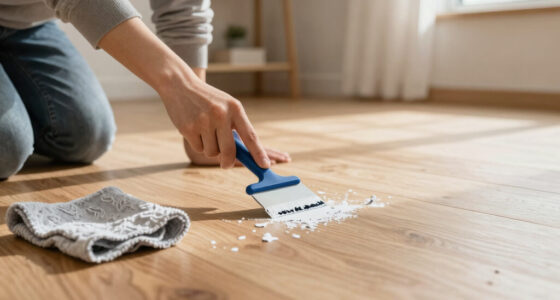
If scratches appear on your hardwood or laminate, don’t panic. You can often fix minor marks with simple tools. For light scratches, use a touch-up marker or a wax stick that matches your floor color. These products fill in the scratch and restore the surface’s uniform appearance, which is especially useful for superficial damage that doesn’t penetrate deeply. For deeper scratches, consider applying a wood filler or calling in a professional for refinishing. This approach prevents the need for costly replacements and maintains the integrity of your flooring.
For vinyl floors, a heat gun or a specialized repair kit can help blend scratches. The heat softens the material, allowing you to level out surface imperfections. Always test a small, inconspicuous area first to ensure color and texture match. Regular maintenance and prompt touch-ups are critical because small scratches can quickly become more noticeable if left unattended, leading to the temptation to replace entire sections prematurely. Addressing minor issues early preserves the overall look and lifespan of your floors, saving money and effort in the long run.
floor protection rugs for high traffic areas
As an affiliate, we earn on qualifying purchases.
As an affiliate, we earn on qualifying purchases.
Eco-Friendly and Safe Ways to Protect Your Floors
Many protective products on the market contain harsh chemicals. Instead, opt for natural options like felt pads, bamboo rugs, or environmentally friendly sealants. These options are safe for kids and pets and won’t introduce toxic fumes into your home. Using natural materials minimizes chemical exposure and reduces environmental impact, aligning with sustainable living practices. Moreover, natural sealants often allow your floors to breathe, preventing issues like peeling or discoloration caused by some chemical finishes. This approach not only protects your floors effectively but also promotes a healthier indoor environment for your family.
Regular cleaning with a damp cloth and natural cleaning solutions like vinegar and water also help keep debris at bay. Maintaining a stable humidity level—around 40-60%—prevents wood from expanding or contracting, reducing surface stress that can cause scratches. Proper humidity levels help maintain the structural integrity of wooden floors, preventing warping and gaps that can trap dirt and cause additional damage. Implementing these eco-friendly and health-conscious practices ensures your floors stay beautiful, safe, and sustainable over the long term.
Frequently Asked Questions
What are the best ways to prevent scratches on hardwood floors?
Use felt pads on furniture, keep pets’ nails trimmed, lay down rugs in high-traffic spots, and remove shoes at the door. Regular cleaning and prompt minor repairs also help.Are there specific products or coatings that can make my floors scratch-proof?
Yes, there are scratch-resistant sealants and finishes designed for hardwood and laminate floors. Applying a protective coating can reduce scratching by up to 50%, according to research.How can I repair scratches that have already appeared?
For minor scratches, try touch-up markers, wax sticks, or DIY polishing kits. Deep scratches may need professional refinishing or filler repairs.What type of flooring is most resistant to scratches?
Luxury vinyl flooring and certain composite laminates are the most scratch-resistant options, ideal for homes with pets or heavy foot traffic.Can pets damage my floors, and how can I minimize this?
Pets, especially those with sharp claws, can scratch floors. Regular nail trims, placing rugs in pet areas, and using softer footwear indoors can significantly cut down damage.Conclusion
Keeping floors scratch-free is about small, consistent habits. Think of your floors as a precious canvas—every step, piece of furniture, or pet pawprint leaves a mark. With a little planning, you can enjoy beautiful, durable floors that stay pristine longer. Protect them today, and they’ll serve you well for years to come.Fall Picks
fall essentials
As an affiliate, we earn on qualifying purchases.