TL;DR

Get cleaning gear delivered free with Prime
- Fast, free delivery on millions of items
- Prime Video, Amazon Music and more included
- Member-only deals all year
Brief, controlled ventilation—like short bursts of window opening—removes excess moisture and pollutants without causing big heat loss. Using targeted extraction and smart controls keeps your home fresh and your bills low.
Open windows fully for 5–10 minutes, once or twice daily, to exchange indoor air efficiently with minimal heat loss.
Use cross-ventilation whenever possible—opening windows on opposite sides makes the air change faster.
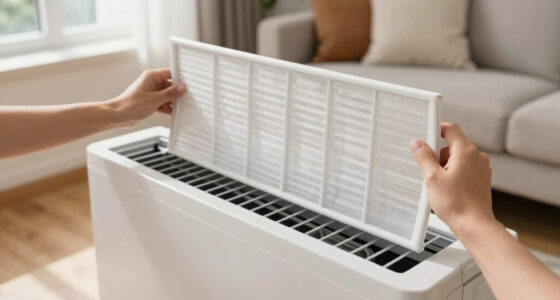
Maintain and clean extractor fans and cooker hoods regularly to ensure they work when needed.
In airtight homes, consider heat-recovery ventilation systems to balance air quality and energy savings.
Monitor humidity and CO₂ levels with affordable devices to guide your ventilation timing and prevent mold.
How to Ventilate a Home Without Your Heating Bills Soaring
Fresh air does not require an all-day draft. Exchange stale, humid air in short, controlled bursts; remove moisture where it starts; and use simple sensors to ventilate only when your home needs it.
Fast air exchange beats a permanent chill
Cold air contains less moisture and warms quickly after entering. Brief ventilation replaces the air while the building’s thermal mass stays comparatively warm.
Open windows fully
Use a wide opening for roughly 5–10 minutes instead of leaving a window tilted for hours. Close it once the stale air has cleared.
Create cross-ventilation
Open windows or doors on opposite sides. The pressure difference moves air rapidly, often shortening the required airing time.
Extract where moisture starts
Run bathroom extraction during and after showers, and use an externally vented cooker hood whenever cooking.
Contain wet activities
Close kitchen and bathroom doors while moisture is produced. If laundry dries indoors, contain the room and add extraction or dehumidification.
Protect the airflow
Do not block air bricks, trickle vents, wall inlets, undercut doors, radiator space, or extractor grilles. Clean filters and ducts as directed.
Let measurements decide
Humidity and CO₂ monitors reveal when occupied rooms need fresh air, reducing both under-ventilation and wasteful over-ventilation.
A five-step ventilation loop
Treat ventilation as a response to indoor conditions, not as a window left open by default.
Detect
Notice humidity, odors, condensation, occupancy, or elevated CO₂.
Contain
Close the wet-room door so moisture does not spread through the home.
Extract
Use the bathroom fan or externally vented cooker hood at the source.
Flush
Open windows wide, preferably across the home, for a brief exchange.
Close & verify
Close windows, let the fresh air warm, and confirm humidity or CO₂ is falling.
A brief opening typically cools the air far more than the building fabric. An all-day tilted window continually removes heat and can chill nearby surfaces enough to increase condensation risk.
Choose the least wasteful tool for the job
The right choice depends on airtightness, climate, occupancy, available ducts, maintenance, and budget.
| Ventilation method | Heat retention | Moisture removal | Control | Upfront cost | Best application |
|---|---|---|---|---|---|
| Wide-open window burst | Good when brief | Rapid exchange | Manual | Very low | Daily whole-room refresh |
| Tilted window all day | Poor | Uncontrolled | Weak | Low, but costly to heat | Avoid during cold weather |
| Externally vented extractor | Targeted | Strong at source | Timer or humidity sensor | Low to moderate | Bathrooms and kitchens |
| Recirculating cooker hood | Keeps heat indoors | Does not exhaust moisture | Manual | Low to moderate | Grease and some odor filtration |
| Demand-controlled extract | Limits excess runtime | Reliable | Automatic | Moderate | Airtight or frequently occupied homes |
| MVHR / HRV | Highest potential | Continuous | Balanced and automatic | High | Well-designed airtight homes |
Turn invisible air quality into a clear signal
Low-cost monitors help you ventilate at the right moment. Readings are guides: temperature, climate, sensor placement, and building conditions still matter.
Useful indoor guideposts
A practical winter day
Common mistakes that waste heat or trap moisture
Good ventilation depends as much on avoiding weak habits as it does on installing equipment.
Tilting windows for hours
Continuous uncontrolled airflow drains heat and cools surrounding surfaces.
Blocking permanent vents
Air bricks, trickle vents, wall inlets, and door undercuts may be essential to the designed air path.
Trusting recirculation alone
A recirculating hood can filter grease but cannot carry moisture or combustion pollutants outdoors.
Ignoring dirty filters
Grease, dust, and blocked exterior grilles reduce airflow, increase noise, and undermine efficiency.
Spreading moisture indoors
Open wet-room doors allow humid air to migrate toward colder surfaces elsewhere.
Ventilating by guesswork
Visible condensation is a late signal. A hygrometer or CO₂ monitor supports earlier, targeted action.
Fresh air, precisely delivered
Why Short, Intense Ventilation Works Better Than Continuous Airflow
When it’s cold outside, leaving windows slightly open all day can sap your warmth and make rooms feel chillier. Instead, opening windows wide for about 5–10 minutes creates a quick, effective air exchange. This flushes out moisture, odors, and indoor pollutants efficiently. Imagine a typical winter morning: a full window open for ten minutes while you brew coffee. The warm, moist air rushes out, replaced by fresh, dry outdoor air, with minimal heat loss. This approach keeps your home fresh without draining your heating budget.
As an affiliate, we earn on qualifying purchases.
Create Cross-Ventilation to Maximize Fresh Air with Less Heat Loss
Cross-ventilation involves opening windows or doors on opposite sides of your home to create a natural airflow. This method is particularly effective because it utilizes the movement of air to rapidly exchange stale indoor air for fresh outdoor air. The benefit lies in the efficiency: instead of leaving vents or windows open all day, a quick 5-minute burst on each side can refresh an entire room. This not only improves air quality but also minimizes heat loss, since you’re only exposing your home to cold air briefly. The key tradeoff is timing—if done too infrequently, indoor pollutants can accumulate, but too often or for too long, you risk unnecessary heat loss. Properly timed cross-ventilation balances health and energy conservation, especially important during winter months when heating is costly.
As an affiliate, we earn on qualifying purchases.
Use Extractor Fans Effectively to Remove Moisture and Odors at the Source
Extractor fans in bathrooms and kitchens are designed to remove moisture, odors, and airborne pollutants directly at their source, which helps prevent issues like mold growth and indoor air contamination. Their effectiveness depends on proper use and maintenance: running bathroom fans during and after showers reduces humidity peaks that can lead to mold; using cooker hoods while cooking can prevent lingering smells and moisture. Ensuring these fans vent outdoors rather than recirculating air is crucial because recirculating models only filter the air, not remove moisture or pollutants. Regular cleaning and filter replacement are vital to maintain their efficiency. The deeper implication here is that these fans help keep indoor humidity levels balanced, which, if neglected, can cause condensation and mold—problems that are expensive to fix and can worsen indoor air quality, especially when heating costs are high.
As an affiliate, we earn on qualifying purchases.
How Mechanical Ventilation with Heat Recovery Saves Energy and Keeps Air Fresh
Mechanical ventilation with heat recovery (MVHR) systems work by capturing heat from outgoing stale air and transferring it to incoming fresh air. This process allows you to maintain excellent indoor air quality without significant heat loss, which is especially valuable in colder climates. For example, in an airtight modern home, an MVHR can reduce ventilation-related heat loss by up to 90%, meaning you get fresh air without sacrificing warmth—an essential tradeoff in winter. While the initial investment can be substantial, the long-term savings on heating bills justify the expense. Additionally, MVHR systems improve indoor comfort by maintaining consistent temperatures and reducing drafts. The tradeoff involves installation complexity and upfront costs, but the payoff is a healthier, more energy-efficient home that stays warm and well-ventilated during the coldest months.
As an affiliate, we earn on qualifying purchases.
Practical Winter Routine for Fresh Air Without Drastic Heating Costs
Implementing a winter ventilation routine involves strategic timing: opening windows fully for 5–10 minutes once or twice a day allows for effective air exchange with minimal heat loss. Using cross-ventilation can enhance this process. Running bathroom fans during and after showers reduces moisture peaks that can cause mold. Always use extractor fans when cooking to remove excess humidity and odors promptly. Keeping internal doors open promotes better airflow, but closing them can help concentrate humidity and odors in specific areas when needed. When drying laundry indoors, utilize an extractor fan or dehumidifier to prevent excess moisture buildup. Monitoring indoor humidity with a hygrometer (aiming for 40–60%) helps prevent mold and maintains comfort. The key is balancing fresh air intake with energy use—these routines help you do that effectively during winter.
Monitoring Indoor Air Quality Without Breaking the Bank
Affordable devices like hygrometers and CO₂ monitors provide valuable insights into your home’s air quality. A hygrometer, costing less than $20, helps you keep humidity within the ideal range of 40–60%, preventing mold growth and maintaining comfort. Elevated CO₂ levels—above 1,000 ppm—indicate poor ventilation and the need for more fresh air. Using a CO₂ monitor in frequently occupied rooms like bedrooms and living areas helps you identify when to increase ventilation efforts. Regular monitoring enables you to fine-tune your routine—opening windows or running fans only when necessary—saving energy and reducing costs. This proactive approach ensures your home remains healthy and comfortable without expensive equipment or complicated systems.
How Modern Developments Make Ventilation Smarter and Easier
Recent innovations in home ventilation focus on combining airtight construction with demand-controlled systems that automatically adjust airflow based on real-time needs such as humidity and CO₂ levels. Smart controls, window sensors, and low-energy fans make it easier to maintain optimal indoor air quality without wasting heat. These systems respond dynamically, increasing ventilation when pollution or moisture rises, and reducing it when conditions are good. The implication is significant: you get consistent fresh air and healthier indoor environments while minimizing energy costs. This approach is especially beneficial in colder climates, where manual ventilation can be inefficient or forgotten. Embracing these smart systems means less guesswork, better comfort, and lower bills over time.
Common Mistakes That Sabotage Your Ventilation Efforts
Many homeowners unknowingly undermine their ventilation strategy through common mistakes. Blocking vents or not cleaning filters reduces airflow and can trap pollutants, leading to poor air quality and increased condensation. Leaving windows tilted open all day results in continuous heat loss, which can cause surfaces to feel cold and promote mold growth—especially problematic in winter. Relying solely on internal moisture cues without monitoring actual humidity can lead to over- or under-ventilating, wasting energy or risking mold. The key tradeoff is finding the right balance: over-ventilation wastes heat, while under-ventilation allows pollutants and moisture to accumulate. Regular maintenance, proper timing, and using devices like hygrometers help prevent these pitfalls, ensuring your efforts are effective and energy-efficient.
Frequently Asked Questions
How often should I open the windows in winter?
Aim for 5–10 minutes once or twice a day—more if you’re cooking, showering, or drying laundry. Short, intense airing refreshes the air without losing too much heat.Is it better to leave a window slightly open all day?
Not usually. A small tilt creates continuous heat loss and can cool surfaces unnecessarily. Full window opening for short periods is more efficient and less costly.Should I turn off the heating while airing?
For brief 5–10 minute windows, turning off the thermostat doesn’t make much difference. If you’re airing longer, lowering the heating or using smart controls helps save energy.Can I rely on a dehumidifier instead of opening windows?
Dehumidifiers control moisture but don’t bring in fresh air or remove pollutants like CO₂. They are good supplements but shouldn’t replace regular ventilation.What’s the ideal indoor humidity level in winter?
Aim for around 40–60%. Too much moisture above 60% can lead to mold; below 40%, indoor air might feel dry and static. Use a hygrometer to keep track.Conclusion
Good ventilation isn’t about constant airflow but smart timing. Brief, targeted bursts of fresh air keep your home healthy without wrecking your heating budget. Think of it like giving your house a quick breath of fresh air—fast, effective, and energy-conscious. Keep this in mind, and your home will stay cozy, clean, and fresh all winter long.Columbus Day / Indigenous Peoples' Day Picks
long weekend sales
As an affiliate, we earn on qualifying purchases.