
TL;DR

Get cleaning gear delivered free — and shop member deals
- Fast, free delivery on millions of items
- Access to Prime Big Deal Days deals on October 6–7
- Prime Video, Amazon Music and more included
Most HVAC filters should be replaced every 1 to 3 months to maintain air quality and system efficiency. Factors like pet dander, dust, and filter type influence the timing. Regular checks prevent costly repairs and breathe easier.
Ever noticed dust bunnies lurking around your vents or a sudden spike in allergy symptoms? That’s often a sign your HVAC filter is due for a change. The right timing keeps your air fresh, your system humming smoothly, and your energy bills in check.
But how do you know when to swap it out? It’s not just a random guess. This guide breaks down exactly how often to change your filter based on real-world factors—so you can breathe easy without wasting money on unnecessary replacements.
Most filters need replacement every 1 to 3 months, depending on household factors.
High-efficiency filters like HEPA can last longer but still require regular checks.
Visible dirt, reduced airflow, and higher energy bills are signs you need a change.
Pet owners and allergy sufferers should replace filters more frequently—every 30-60 days.
Using a MERV 13 filter improves air quality, but ensure your system can handle it.
The 1 to 3 Month Rule: Your Basic Guide
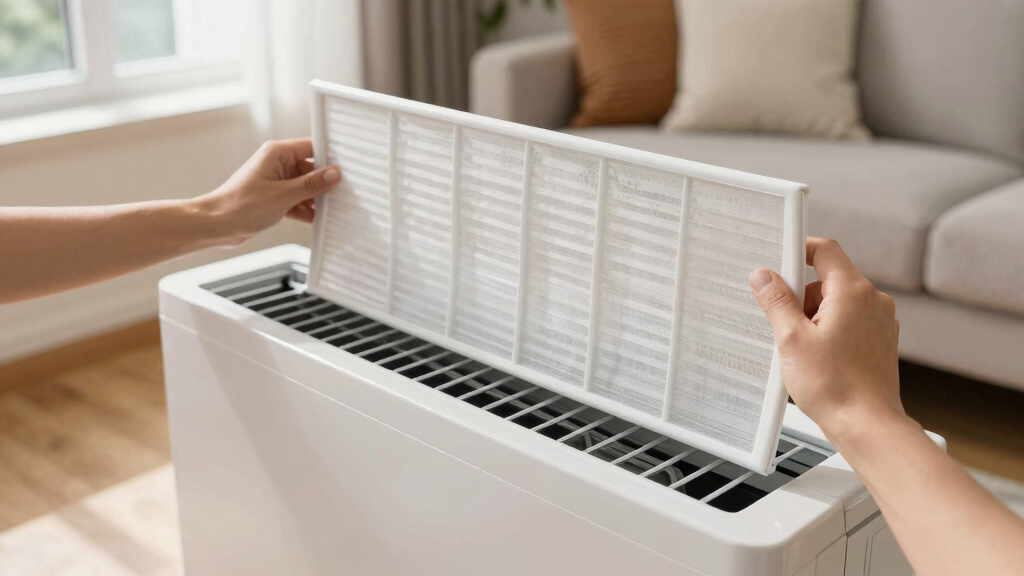
The standard advice? Change your HVAC filter every 1 to 3 months. This range covers most homes, but it’s not a one-size-fits-all. If your home is busy, dusty, or has pets, you might need to swap it out more often.
Imagine a family with two cats—hair and dander quickly clog the filter. They might find themselves replacing it every 30 to 60 days instead of 90. Conversely, a home with a high-quality, pleated filter and fewer pollutants might stretch closer to 3 months.
Understanding this basic rule helps prevent the buildup of dirt and allergens that can compromise air quality and strain your HVAC system. Regularly changing filters also extends the lifespan of your system, saving you money in the long run. The key is recognizing that household activity and environmental factors directly influence how quickly your filter becomes ineffective.
As an affiliate, we earn on qualifying purchases.
How Different Filters Last and Why It Matters
| Filter Type | Typical Lifespan | Best For |
|---|---|---|
| Fiberglass | About 30 days | Budget-friendly, low dust areas |
| Pleated | Up to 90 days | Most homes, better filtration |
| HEPA | 6-12 months | High allergy or asthma needs |
Choosing the right filter means matching lifespan with your household’s needs. For instance, a HEPA filter in a home with allergy sufferers can last longer but still needs regular checks.
Why does this matter? Different filters offer varying levels of filtration and airflow resistance. Using a filter with too short a lifespan in a heavily polluted environment can lead to frequent replacements, increased costs, and potential system strain. Conversely, selecting a filter with a longer lifespan but inadequate filtration can compromise indoor air quality. Understanding the implications of each type helps you balance cost, air quality, and system performance effectively.
As an affiliate, we earn on qualifying purchases.
Signs You Need to Change the Filter Now
Don’t wait for the calendar—watch your vents and air quality. If airflow feels weak or your energy bill suddenly spikes, your filter might be clogged. Visible dirt, dust around vents, or a musty smell? Time for a swap.
Why is this important? These signs indicate the filter’s capacity to trap pollutants and allow air to circulate properly has diminished. Continuing to operate with a dirty filter can lead to reduced system efficiency, higher energy costs, and increased wear and tear. Acting promptly prevents these issues, maintaining your home’s air quality and prolonging your HVAC system’s lifespan.
For example, if you notice a layer of grime on the vent cover and dust settling more quickly, it’s a clear signal that your filter is no longer doing its job effectively. Recognizing these signs early is essential to avoid costly repairs and ensure your indoor environment remains healthy.
As an affiliate, we earn on qualifying purchases.
What Happens If You Never Change Your Filter?
Skipping regular changes can cause big problems. Your HVAC system strains to push air through a clogged filter, leading to higher energy bills and potential breakdowns. Indoor air quality drops, leaving you with dust, allergens, and odors lingering longer.
Think of it like trying to breathe through a clogged straw—your system works harder, and your air becomes stale and polluted. Over time, this increased strain can cause components to wear out faster, resulting in costly repairs or premature system failure. Additionally, poor air quality can exacerbate allergies and respiratory issues, impacting your health and comfort. Regular filter changes are a simple yet crucial step to prevent these costly and health-related consequences.
As an affiliate, we earn on qualifying purchases.
Quick Tips to Make Filter Changes Easy
- Turn off your HVAC before replacing the filter.
- Check and note the filter size—usually on the side of your current filter.
- Replace with a filter of the same size and MERV rating.
- Set a reminder every 1 to 3 months.
Imagine it like changing the oil in your car—simple steps that prevent bigger issues down the line. Taking these small precautions ensures your system runs smoothly, maintains good indoor air quality, and saves you money over time.
Latest Trends: Smarter Filters and Better Air
Today’s filters are smarter and more efficient. Some connect to your home Wi-Fi, sending alerts when it’s time for a change. Higher MERV ratings now trap more pollutants—great for allergy seasons or polluted areas.
Why do these innovations matter? They help you optimize indoor air quality with less guesswork, ensuring you replace filters when needed without overdoing it. For example, a homeowner in a city with high pollution can rely on a Wi-Fi-enabled filter to notify them when it’s time to replace, preventing air quality from deteriorating unnoticed. These advancements ultimately provide cleaner air, reduce unnecessary replacements, and give you peace of mind about your home’s environment.
What Influences How Often You Should Change Your Filter?
Think about your home’s environment. Do you have pets? Smoke indoors? Live in a dusty area? Each factor shortens your filter’s life. A household with two dogs might need a change every 30-45 days, while a clean, smoke-free home can stretch to 90 days.
Why does this matter? These factors influence the rate at which your filter accumulates dirt and pollutants, directly impacting indoor air quality and system efficiency. For example, pet dander and indoor smoke are tiny particles that quickly clog filters, forcing you to replace them more frequently. Recognizing how your habits and environment affect your filter’s lifespan allows you to tailor your maintenance schedule, ensuring optimal performance and healthier indoor air.
Your Action Plan: When and How to Check Your Filter
- Inspect your filter monthly, especially during peak seasons.
- Look for visible dirt or dust and check airflow.
- If it looks dirty or airflow drops, replace it immediately.
Set a reminder on your phone or calendar—think of it as a mini health check for your home’s air. Regular inspection helps prevent the buildup of harmful pollutants, maintains system efficiency, and extends your filter’s lifespan. Over time, this proactive approach reduces the risk of unexpected breakdowns and ensures your indoor environment remains healthy and comfortable.
Frequently Asked Questions
How do I know if my filter needs changing sooner than scheduled?
Look for decreased airflow, visible dirt, or an increase in dust around vents. If you notice any of these, change your filter early to keep your air clean and your system running smoothly.
Can I clean or reuse my HVAC filter?
Most disposable filters should be replaced. Reusable filters can often be cleaned according to the manufacturer’s instructions—just check first. Always follow the specific guidance for your filter type.
What happens if I forget to change my filter?
It can cause your HVAC system to work harder, leading to higher energy bills and possible damage. Plus, your indoor air quality will suffer, with more dust, allergens, and odors lingering in your home.
Are higher MERV rating filters better and do they last longer?
Higher MERV filters trap smaller particles and improve air quality, but they may reduce airflow if your system isn’t designed for them. Their lifespan is similar—check them monthly and replace when dirty.
Conclusion
Replacing your HVAC filter on a regular schedule isn’t just about maintenance—it’s about breathing cleaner air and protecting your system. A simple monthly check can save you money and headaches later.
Think of your filter as the lungs of your home. Keep it healthy, and your whole house will thank you.
Halloween Picks
halloween
As an affiliate, we earn on qualifying purchases.