
TL;DR

Get cleaning gear delivered free — and shop member deals
- Fast, free delivery on millions of items
- Access to Prime Big Deal Days deals on October 6–7
- Prime Video, Amazon Music and more included
Cleaning a wool rug safely means using gentle methods like minimal water, mild cleaners, and prompt stain treatment. Regular maintenance and professional care help preserve its beauty and longevity.
Imagine stepping onto a plush wool rug, its soft fibers cuddling your feet, colors rich and inviting. Now, picture the last thing you want—damaging that delicate fiber with harsh cleaners or careless scrubbing. The good news? You can keep your wool rug beautiful and safe with simple, mindful care. Whether it’s a small spill or routine maintenance, knowing the right approach makes all the difference.
This guide walks you through practical steps, recent innovations, and common questions. No hype, just honest advice to help your wool rug stay vibrant and durable for years to come.
Always use cold water and pH-balanced, wool-safe cleaners to avoid fiber damage.
Blot spills immediately—never rub—to prevent stains from setting or spreading.
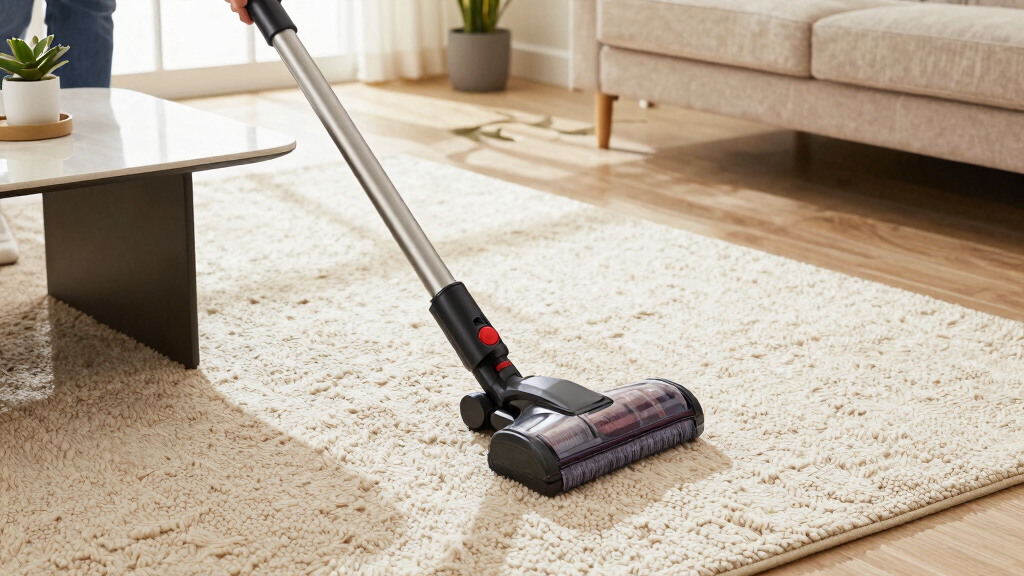
Regular vacuuming with a suction-only setting keeps dirt at bay without harming fibers.
Innovations like low-moisture steam cleaning and biodegradable products make safe cleaning easier.
Professional cleaning every 12-18 months helps maintain the rug’s beauty and longevity.
The Gentle Care System for a Wool Rug That Lasts
Wool is naturally resilient, but it rewards restraint: cold water, mild pH-balanced cleaners, prompt blotting, minimal moisture, and periodic professional care. Treat it like fine fabric, not synthetic carpet.
Wool resists stains naturally, yet hot water and harsh chemistry can shrink, felt, fade, or weaken the fiber.
Why Wool Needs a Lighter Touch
Deep beauty comes from delicate fibers. Gentle maintenance prevents embedded grit, color fading, felting, shrinking, and the rough texture that comes from over-wetting or scrubbing.
Use suction only
Vacuum weekly without a beater bar so surface dirt does not grind into the pile or abrade the fibers.
Blot from the edge
Work inward with a clean cloth, cold water, and wool-safe detergent to lift stains without spreading them.
Control moisture
Use as little water as possible and dry thoroughly to avoid mold, odor, distortion, and fiber felting.
The Safe Stain Response Flow
Speed matters, but force does not. Immediate, patient, low-moisture action gives stains less time to bond with wool while protecting the rug’s structure.
Absorb
Press a dry cloth over the spill to capture excess liquid before it sinks deeper.
Add Cold Water
Hot water can shrink or felt wool, so keep the treatment cool and measured.
Use Wool Cleaner
Choose a pH-balanced detergent or wool-specific product to protect color and texture.
Dab, Never Rub
Rubbing frays fibers, spreads stains, and can leave the surface matted.
Air Thoroughly
Remove lingering moisture to prevent odor, mildew, and fiber distortion.
Eco-Friendly Products: What Works, What Needs Care
Natural and biodegradable options can be excellent for wool, but the right dilution, residue control, and pH balance make the difference between safe cleaning and accidental damage.
| Product Type | Best Use | Wool Safety | Watchout |
|---|---|---|---|
| pH-balanced wool cleaner | Routine spot cleaning and gentle soil removal | ✓ Maintains fiber integrity and color vibrancy | Follow label dilution; more product does not mean more safety. |
| Diluted vinegar solution | Spot deodorizing and light residue removal | ~ Useful in moderation when properly diluted | Overuse may affect color or texture on sensitive wool. |
| Baking soda | Dry deodorizing before careful vacuuming | ~ Safe when fully removed | Residue can attract dirt or stiffen fibers if left behind. |
| Bleach or harsh chemicals | Never recommended for wool rugs | ✗ Can weaken, discolor, or make fibers brittle | Damage may be permanent and structurally visible. |
Cleaning Risk Map
The safest approach balances cleaning power with moisture control. Recent low-moisture steam systems and wool-specific formulas make that balance easier to achieve.
What Belongs in the Regular Care Kit
Cold Water Protects the Fiber
Hot water can contract, felt, or distort wool fibers. Cold water gives you stain-lifting control without inviting shrinkage.
What Goes Wrong With Harsh Cleaning
Most wool rug disasters come from three avoidable choices: heat, chemical strength, and friction. They may look effective in the moment, then leave permanent texture or color damage.
Hot Water
Can shrink fibers, cause felting, and create a dense, matted appearance that is difficult to reverse.
Bleach & Harsh Detergents
Can strip color, weaken the fiber, and create brittle patches that age faster than the rest of the rug.
Aggressive Rubbing
Spreads stains, frays fibers, distorts the pile, and pushes soil deeper into the wool foundation.
The Preservation Chain
Safe wool rug care is a connected system: each small decision lowers the next risk and keeps the rug vibrant, soft, and structurally sound.
Why Gentle Cleaning Is Key for Wool Rugs
Wool is a delicate fiber that can be easily damaged by aggressive scrubbing or harsh chemicals. Unlike synthetic carpets, wool responds best to mild solutions and light touch. For example, a stubborn coffee stain on a wool rug can turn into a permanent blotch if scrubbed too hard or treated with bleach.
Using gentle cleaning methods preserves the rug’s texture and prevents issues like shrinking, felting, or color fading. Think of wool as a fine fabric—treat it like you would silk or cashmere. Regular vacuuming with a suction-only setting and prompt spot cleaning keep dirt from embedding and causing wear.
Deep cleaning with aggressive methods can cause fibers to felt together, leading to a rougher texture and potential structural damage. Over time, this weakens the rug’s integrity and diminishes its lifespan. Therefore, gentle cleaning isn’t just about avoiding immediate damage; it’s about maintaining the rug’s overall health, flexibility, and appearance for years to come.
As an affiliate, we earn on qualifying purchases.
How to Safely Remove Stains from Wool Rugs
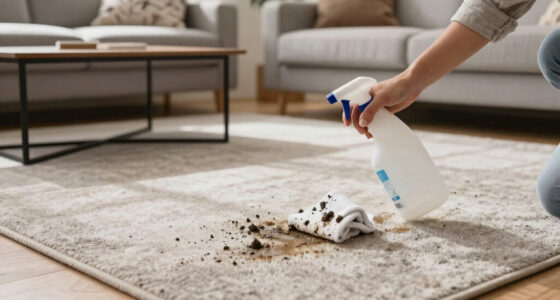
- Blot spills immediately with a clean, dry cloth to absorb excess liquid, preventing the stain from setting deeper into the fibers. The sooner you act, the less likely the stain will penetrate or bond with the wool, making removal easier and less damaging.
- Use cold water combined with a mild, wool-safe detergent or a specially formulated wool cleaner. Hot water can cause wool fibers to shrink or felt, so sticking to cold minimizes these risks while still effectively lifting stains.
- Gently dab—never rub—the stain, working from the outside inward. Rubbing can fray fibers and spread the stain, making it more difficult to remove and increasing the chance of fiber damage. Patience and gentle motion are key to preserving the rug’s delicate structure.
- For stubborn stains, repeat the process carefully or consider professional cleaning. Sometimes, persistent stains indicate the need for specialized treatment, which can prevent the use of harsh chemicals that might weaken fibers or cause discoloration.
Imagine a red wine spill—immediate action with cold water and gentle blotting can prevent permanent staining. The tradeoff here is between quick, gentle intervention and aggressive scrubbing, which might seem effective but can leave fibers frayed or felted. Patience and proper technique ensure the stain is lifted without compromising the rug’s integrity, extending its lifespan and beauty.
As an affiliate, we earn on qualifying purchases.
The Best Eco-Friendly Cleaning Products for Wool Rugs
| Product Type | Features | Why It’s Good for Wool |
|---|---|---|
| pH-balanced wool cleaners | Gentle, non-toxic, biodegradable | Maintains fiber integrity and color vibrancy, preventing damage caused by acidity or alkalinity that can weaken wool fibers over time. |
| Vinegar solutions | Diluted, natural deodorizer | Effective for spot cleaning and deodorizing without introducing harsh chemicals; however, overuse or improper dilution can affect fiber color or texture, so understanding proper ratios is important. |
| Baking soda | Deodorizes and freshens | Safe for use as a dry cleaning aid, but excessive application or improper removal can leave residues that attract dirt or cause fiber stiffening if not thoroughly vacuumed. |
Choosing eco-friendly products means safer, non-toxic cleaning that respects your home’s air quality and the delicate wool fibers. For example, a pH-balanced wool cleaner can gently lift dirt without stripping fibers or fading colors, making it ideal for regular maintenance. Understanding the specific properties and limitations of each product helps you avoid unintended damage, ensuring your rug remains soft, vibrant, and structurally sound over time.
As an affiliate, we earn on qualifying purchases.
The Latest Innovations in Wool Rug Cleaning You Should Know
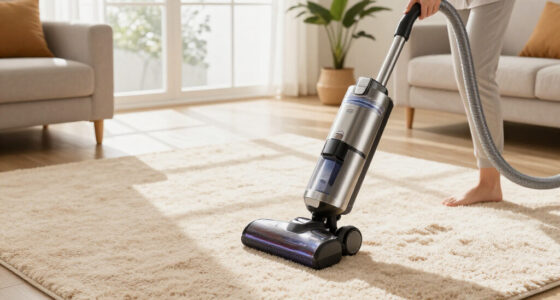
Recent advances focus on reducing water use and boosting cleaning power without risking damage. Low-moisture steam cleaning, for example, uses specialized equipment that emits gentle heat and minimal water, effectively lifting dirt while drying quickly. This method minimizes the risk of mold or fiber distortion, which can occur if excess moisture is left in the rug.
Additionally, new pH-neutral, wool-specific cleaning solutions are designed to preserve fiber strength and color. These solutions are formulated to balance cleaning efficacy with the delicate nature of wool, reducing the risk of fiber felting or fading that can happen with generic cleaners. Digital tutorials and professional guidance are now more accessible, helping homeowners confidently clean without guesswork. This democratization of knowledge means more people can maintain their rugs properly, reducing the temptation to use damaging DIY methods.
Imagine a quick, eco-friendly steam clean that refreshes your wool rug in less than an hour, with no lingering dampness or fiber damage. These innovations make safe cleaning easier and more effective than ever, ensuring that your investment remains beautiful and durable for years to come.
professional wool rug cleaning service
As an affiliate, we earn on qualifying purchases.
As an affiliate, we earn on qualifying purchases.
How Often Should You Clean Your Wool Rug Without Damage?
Regular vacuuming once a week with a suction-only setting is enough to keep surface dirt from embedding deep into wool fibers. This prevents abrasive wear and maintains the rug’s appearance. Deep cleaning or professional treatments every 12-18 months help remove stubborn grime that vacuuming alone can’t eliminate, but overdoing it can risk fiber wear or distortion.
For example, high-traffic areas might require more frequent vacuuming, but always avoid wet or heavy-handed cleaning. Spot clean spills immediately to prevent stains from setting, and ensure thorough drying afterward to prevent mold or fiber felting. The key is moderation—over-cleaning can weaken fibers, while too little cleaning allows dirt to accumulate and cause abrasion or discoloration. Think of your wool rug as a fine garment: gentle, consistent care preserves its beauty, while excessive or harsh cleaning accelerates deterioration.
Maintaining this balance ensures longevity, preserving both the aesthetic and structural qualities of your wool rug for decades.
What Happens If You Use the Wrong Cleaning Method?
Using hot water or harsh chemicals can cause wool to shrink, felt, or become brittle. Wool fibers are sensitive to temperature and chemical composition; hot water causes fibers to contract and felt, leading to a matted, dense appearance. Harsh chemicals like bleach can weaken fibers, cause discoloration, or create brittle patches that crumble over time. Rubbing aggressively spreads stains, frays fibers, and damages the rug’s surface, often resulting in permanent discoloration or thinning areas that compromise structural integrity.
In contrast, gentle blotting with cold water and wool-safe cleaners preserves the rug’s delicate fibers. Professional cleaning employs specialized techniques and tools designed to minimize risk, especially for antique or high-value pieces. The tradeoff between aggressive and gentle methods is clear: aggressive techniques may seem faster but often lead to irreversible damage, while gentle methods require patience but safeguard the rug’s longevity. Always prioritize techniques that respect the fragile nature of wool, ensuring your investment remains vibrant and intact for years to come.
How to Prevent Shrinking and Felting During Cleaning
The key to avoiding shrinkage and felting is to keep water cold, minimize agitation, and dry the rug thoroughly. Use a damp cloth or low-moisture steam cleaner with wool-safe settings to control moisture levels. After spot cleaning, lay the rug flat in a well-ventilated area, preferably in shade, to prevent fading and ensure complete drying. Proper drying prevents fibers from contracting and felting, which can happen if moisture is left in the fibers or if the rug is exposed to heat or direct sunlight.
Imagine a wool rug that’s been gently steamed and then air-dried overnight—its soft fibers intact, with no puckering or felted patches. This careful approach maintains the rug’s original texture and structural integrity. For especially delicate or antique rugs, professional cleaning is recommended because experts understand how to handle fibers delicately, using techniques that prevent shrinkage and felting while cleaning thoroughly. The tradeoff is investing in expert care versus risking irreversible damage with DIY mistakes. Proper handling and drying techniques are crucial in maintaining the rug’s size, shape, and softness over time.
In summary, controlling water temperature, minimizing agitation, and ensuring thorough drying are essential steps to prevent fiber damage during cleaning, helping your wool rug stay beautiful and functional for decades.
Frequently Asked Questions
How often should I vacuum my wool rug?
Vacuum your wool rug once a week using a suction-only setting. This removes surface dirt without damaging the fibers. For high-traffic areas, increase frequency if needed, but avoid using beater bars that can pull or fray wool.
Can I use vinegar or baking soda to clean my wool rug?
Yes, diluted vinegar works well for spot cleaning, and baking soda helps deodorize. Use them carefully—dilute vinegar with water and test on a small area first. Baking soda can be sprinkled lightly, then vacuumed after a few hours.
What should I do if my wool rug gets stained?
Blot the stain immediately with cold water and a mild, wool-safe cleaner. Do not rub or scrub, as this can damage fibers. For stubborn stains, consider consulting a professional to prevent permanent damage.
Is steam cleaning safe for wool rugs?
When done with low-moisture, wool-compatible steam cleaning equipment, it is safe and effective. Always opt for professional services or equipment designed specifically for wool to avoid shrinking or felting.
How can I prevent my wool rug from shrinking or felting?
Use cold water, avoid agitation, and ensure thorough drying. Professional cleaning is recommended for delicate or antique rugs. Avoid hot water and harsh chemicals that can cause fiber damage.
Conclusion
Your wool rug isn’t just a floor covering; it’s a woven piece of art that needs gentle, thoughtful care. Using the right cleaning techniques—like minimal moisture, mild cleaners, and prompt stain treatment—keeps it looking vibrant for decades.
Think of your wool rug as a delicate treasure. Treat it with kindness, and it will reward you with softness and color that last. When in doubt, lean on professional help — your rug’s future self will thank you.
Fall Picks
fall essentials
As an affiliate, we earn on qualifying purchases.