
TL;DR

Get cleaning gear delivered free with Prime
- Fast, free delivery on millions of items
- Prime Video, Amazon Music and more included
- Member-only deals all year
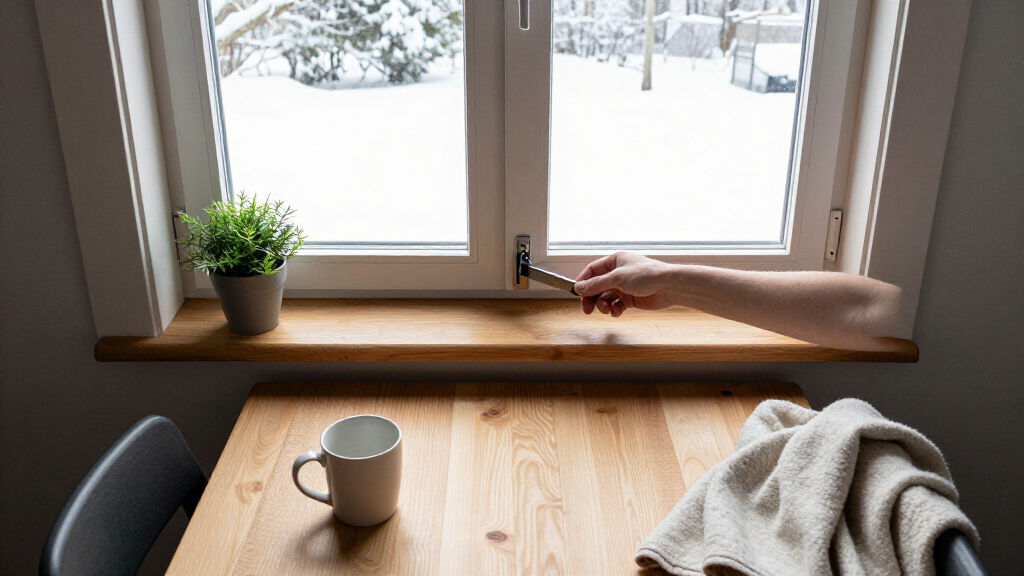
Opening windows briefly in winter refreshes indoor air, reduces humidity, and cuts indoor pollutants. Short, intense bursts work better than leaving windows slightly open for hours, saving energy and improving air quality.
Brief, intense window openings (5–10 minutes) are more energy-efficient and effective than leaving windows cracked all day.
Use a CO₂ monitor to gauge when indoor air needs refreshing, especially in bedrooms and crowded spaces.
Timing your ventilation after cooking, showering, or exercising maximizes air quality benefits.
Avoid venting during pollution events or extreme cold; choose milder times or use air filtration instead.
Proper ventilation reduces humidity and mold risk, protecting your home’s health and structure.
Why You Should Open Your Windows Even in Winter
A tightly sealed home keeps warmth inside—but it can also trap carbon dioxide, moisture, odors, particles, and pollutants. Brief, intensive ventilation refreshes the air while limiting heat loss.
Open windows fully, then close them once the room has refreshed.
A useful winter range for comfort and lower condensation risk.
A common prompt to bring more outdoor air into an occupied room.
A short opening can replace a substantial share of indoor air.
Persistent readings can signal greater condensation and mold risk.
Rapid exchange is more effective than a tilted window all day.
Opposing openings can refresh a room within just a few minutes.
Stale winter air carries hidden costs
Breathing, cooking, cleaning, showering, candles, furnishings, and combustion all affect indoor air. When the building stays sealed, those emissions have fewer ways to escape.
Reduces condensation
Ventilation removes humid air before it settles on cold windows, walls, or thermal bridges.
Refreshes occupied rooms
Lower CO₂ often accompanies air that feels less stuffy, especially in bedrooms and home offices.
Dilutes indoor emissions
Outdoor air can reduce concentrations of odors, cooking particles, smoke, and volatile compounds.
Lowers particle concentration
Fresh-air exchange can dilute respiratory aerosols, although it cannot eliminate infection risk.
Supports alertness
Poorly ventilated rooms are associated with sleepiness, headaches, and difficulty concentrating.
Improves the bedroom
Airing after waking and before sleep helps reset air that becomes stuffy during the night.
A five-step winter air reset
The goal is rapid air replacement without allowing walls and furniture to cool for hours.
Notice the cue
Stuffy air, condensation, odors, or rising CO₂ indicate that ventilation may be needed.
Reduce nearby heat
Temporarily turn down the radiator closest to the opening when practical.
Open fully
Use one wide opening—or opposing openings for faster cross-ventilation.
Wait 5–10 minutes
Adjust the duration for wind, outdoor temperature, room size, and occupancy.
Close and restore
Shut the windows and return the heating control to its normal setting.
Short bursts beat long cracks
A tilted window may feel gentle, but it continuously releases heat and can chill nearby surfaces. A fully open window produces faster, more even exchange.
| Method | Air exchange | Heat loss | Energy use | Moisture effect |
|---|---|---|---|---|
| Fully open for 5–10 minutes | ✓High and rapid; stale air is replaced efficiently. | ✓Limited duration helps solid surfaces retain warmth. | ✓Lower overall drain when the opening is brief. | ✓Quickly removes humid air after moisture-producing activities. |
| Window cracked all day | ✗Slower and potentially uneven across the room. | ✗Continuous loss can cool adjacent walls and furniture. | ✗The heating system compensates over a longer period. | ✗Cold surrounding surfaces may increase local condensation risk. |
Use humidity and CO₂ as practical signals
Measurements make ventilation more intentional. Humidity reveals moisture balance; CO₂ is a useful proxy for fresh-air supply in occupied spaces—but neither number describes every pollutant.
Relative ventilation priority
Indoor climate guide
Important: A CO₂ monitor does not detect carbon monoxide, viruses, mold spores, or most chemical pollutants. Maintain carbon monoxide alarms wherever required.
Ventilate when the benefit is highest
Outdoor conditions matter. Choose cleaner, milder periods when possible, and use filtration or mechanical ventilation when opening a window would bring hazards indoors.
After moisture or pollutants
Open after cooking, showering, exercising, cleaning, waking, or drying laundry.
When speed matters
Openings on opposite sides create a pressure path that can refresh air in minutes.
Contain humid air
Prevent kitchen or bathroom moisture from spreading into colder adjoining rooms.
During outdoor pollution
Avoid heavy traffic periods, wildfire smoke, severe pollen events, or other local alerts.
During extreme cold
Shorten the opening or rely on suitable filtration and balanced mechanical ventilation.
Check combustion safety
Keep fuel-burning appliances properly vented and maintain working carbon monoxide alarms.
Open wide. Keep it brief. Watch the conditions.
A short winter chill is a practical tradeoff for fresher air, lower moisture, and reduced pollutant buildup.
Open windows fully for approximately 5–10 minutes.
Use a CO₂ monitor to identify poorly ventilated occupied rooms.
Ventilate promptly after activities that add moisture or particles.
Avoid opening during pollution events or dangerous weather.
Keep winter humidity near 30–50% when conditions allow.
Remember that ventilation reduces risk; it does not remove every hazard.
Why Opening Windows in Winter Boosts Your Air Quality
Even in winter, your indoor air can become a toxic cocktail of carbon dioxide, moisture, and airborne particles. When you open a window for just 5 to 10 minutes, you flood the room with fresh outdoor air, diluting these pollutants. This quick burst of fresh air can drop indoor CO₂ levels by up to 50% and cut airborne particles significantly.
Imagine waking up in a bedroom that’s been closed all night. The air feels heavy, and your window is foggy with condensation. Opening it for a few minutes replaces that stuffy air with crisp outdoor air, reducing moisture and lowering mold risk. It’s a simple step with powerful health benefits.
Understanding why this matters is crucial: indoor air pollution can cause headaches, fatigue, and exacerbate respiratory issues. Stale, humid air creates an environment where mold and dust mites thrive, leading to long-term health problems and structural damage. By strategically airing out, you effectively reset the indoor environment, removing pollutants and moisture that accumulate over time. This not only improves immediate comfort but also prevents costly repairs and health issues down the line. Deeply understanding the importance of this process highlights the tradeoff between short-term heat loss and long-term health and structural benefits. The brief cold snap from opening a window is an investment in your home’s overall health and your well-being, especially considering the long-term reduction in mold, dust mites, and indoor pollutants that can cause chronic health issues.
As an affiliate, we earn on qualifying purchases.
How Short, Intense Ventilation Beats Leaving Windows Slightly Open
Leaving a window slightly open all day might seem like a good idea, but it can be inefficient and counterproductive. Continuous small leaks allow heat to escape gradually, leading to increased energy consumption as your heating system works harder to compensate. Moreover, this method often results in uneven air exchange, leaving some areas poorly ventilated.
In contrast, full-window openings for 5–10 minutes — a practice known as ‘shock ventilation’ — rapidly replaces indoor air with outdoor air, providing a more thorough refresh. This method maximizes the exchange of stale air while minimizing heat loss because the duration is short enough that the overall temperature drop is manageable. It’s a tradeoff: a brief temperature dip for a significant improvement in air quality and energy efficiency.
Choosing this method is about understanding the implications: while it does cause a temporary cold snap, the benefits of removing accumulated indoor pollutants and excess humidity far outweigh the short-term discomfort. The rapid exchange not only improves air quality but also prevents the long-term buildup of mold spores, dust mites, and other allergens that thrive in humid, stagnant air. This targeted approach balances energy conservation with health benefits, making it a smarter choice for winter ventilation.
As an affiliate, we earn on qualifying purchases.
Compare Short Bursts vs. Long Cracks: Which Works Better?
| Method | Air Exchange Efficiency | Heat Loss | Energy Use |
|---|---|---|---|
| Full open 5–10 mins | High — replaces up to 50% of indoor air, effectively removing pollutants and humidity | Minimal — quick burst limits heat loss, maintaining comfort | Low — short duration reduces overall energy consumption |
| Cracked window all day | Low to moderate — slow and uneven exchange, less effective at removing pollutants | Higher — continuous heat loss leading to increased energy bills | Higher — sustained energy drain due to ongoing heat loss |
Choosing between these methods depends on your goals: quick, thorough refreshment versus ongoing ventilation. The key is understanding that short, intense bursts deliver superior air quality benefits with less impact on your heating costs, especially in cold weather. This comparison underscores the importance of timing and method: short, targeted ventilation maximizes health benefits while minimizing heat loss, making it the preferred strategy for winter air quality management.
As an affiliate, we earn on qualifying purchases.
How Humidity, Temperature, and CO₂ Levels Guide Your Ventilation
Maintaining proper humidity levels—ideally between 30% and 50%—is essential for preventing mold growth and condensation. When humidity exceeds 60%, cold surfaces become prime sites for mold spores to settle and grow, leading to structural damage and health issues. Conversely, low humidity can dry out nasal passages and skin, causing discomfort. Monitoring these levels helps you find a balance that keeps your home healthy.
Understanding the implications of these levels is crucial: high humidity not only promotes mold but also creates a damp environment that can accelerate deterioration of building materials, leading to costly repairs. Conversely, overly dry air can cause respiratory discomfort and increase susceptibility to colds. By actively monitoring humidity and CO₂, you can make informed decisions about when to air out, ensuring optimal indoor conditions. Recognizing these environmental cues allows you to prevent long-term damage and maintain a comfortable, healthy living space. Balancing these factors requires understanding their interconnected effects on health, comfort, and structural integrity, emphasizing the importance of proactive indoor climate management.
As an affiliate, we earn on qualifying purchases.
Safety and Comfort Tips for Winter Ventilation
Opening windows during winter requires a balance between safety, comfort, and health. Always avoid venting during times of heavy outdoor pollution, such as during traffic rush hours, wildfires, or high pollen seasons, to prevent introducing harmful pollutants indoors. Short, frequent bursts are preferable to long, continuous airing, as they limit heat loss while providing fresh air.
To stay comfortable, keep radiators or space heaters on during ventilation. This helps warm the room quickly after airing, reducing the chill and preventing drafts. If you have gas appliances or furnaces, ensure proper venting and install carbon monoxide alarms to prevent dangerous buildup. For sensitive individuals, such as those with respiratory issues or allergies, timing your window opening during early mornings or after rainfall can help reduce pollen and outdoor pollutants while refreshing indoor air. These practices safeguard your health without sacrificing warmth or safety. Recognizing the tradeoff between ventilation and energy use is key: strategic timing and short bursts maximize health benefits without compromising comfort or safety.
Why Good Ventilation Helps Prevent Mold and Moisture Damage
High indoor humidity combined with cold surfaces creates an ideal environment for mold growth, which can cause health problems and damage your home’s structure. Opening windows briefly after activities that produce moisture—like cooking, showering, or laundry—significantly reduces humidity levels, preventing condensation on walls and windows. However, ventilation alone isn’t always enough—if leaks, poor insulation, or inadequate exhaust systems are present, moisture can still accumulate. Addressing these issues is crucial for long-term prevention.
Understanding the implications of these factors is vital: persistent moisture problems can lead to severe structural damage and health issues over time. For example, unvented bathrooms with high humidity foster mold growth that can spread unseen behind walls, compromising structural integrity and triggering respiratory problems. Proper ventilation, combined with home maintenance, reduces the risk of such damage. It’s important to see ventilation as part of a holistic approach: controlling humidity, fixing leaks, insulating cold surfaces, and ensuring adequate exhaust systems work together to protect your home’s health and longevity. Recognizing that ventilation is a key component of moisture management underscores the importance of regular maintenance and environmental awareness for long-term durability.
Smart Ventilation Tips for Cold Days: Do’s and Don’ts
- Open windows fully for 5–10 minutes after activities that produce moisture or odors to quickly refresh indoor air.
- Use cross-ventilation by opening windows on opposite sides of the room or house when possible, creating a natural airflow that enhances efficiency.
- Close or turn down radiators during airing to prevent heat from escaping and then restore warmth afterward to maintain comfort.
- Avoid leaving windows slightly open all day, as this results in continuous heat loss and higher energy bills without providing the same quality of air exchange.
- Time your airing during milder weather or when outdoor pollution levels are low to maximize benefits and minimize discomfort.
Understanding these practical tips and their implications helps you balance health, safety, and energy efficiency. Proper timing and method are essential: short, targeted airing maximizes indoor air quality while conserving heat. Recognizing when and how to ventilate effectively can prevent unnecessary energy costs and health risks, making your winter ventilation both safe and beneficial.
Frequently Asked Questions
How often should I open my windows during winter?
Several short, 5–10 minute bursts daily work best. Air out after cooking, showering, or when rooms feel stuffy. Regular airing helps maintain good indoor air quality without wasting heat.Will opening windows in winter make my heating bill skyrocket?
Not necessarily. Short, intense ventilation loses less heat than leaving windows slightly open all day. Closing radiators briefly during airing and restoring warmth afterward keeps energy costs in check.Can opening windows prevent mold formation?
Yes, by reducing excess humidity, opening windows helps prevent mold. But it’s not a cure-all. Fix leaks, insulate cold surfaces, and use exhaust fans for persistent moisture problems.What’s the right humidity level for winter?
Aim for around 30 to 50% relative humidity. Use a simple hygrometer to monitor. Too humid (above 60%) risks condensation and mold; too dry (below 30%) irritates airways.Is it safe to open windows if outdoor air quality is poor?
During heavy pollution, wildfires, or high pollen days, limit or avoid opening windows. Instead, use air purifiers or mechanical ventilation with filters until outdoor conditions improve.Conclusion
Opening your windows briefly in winter isn’t about losing heat — it’s about gaining fresh, healthy air. A quick, strategic burst of outdoor air can improve sleep, lower indoor pollutants, and keep mold at bay. Think of it as giving your home a refreshing breath — even when it’s cold outside.Fall Picks
fall essentials
As an affiliate, we earn on qualifying purchases.