TL;DR

Get cleaning gear delivered free — and shop member deals
- Fast, free delivery on millions of items
- Access to Prime Big Deal Days deals on October 6–7
- Prime Video, Amazon Music and more included
Dust allergies come from mites, pet dander, and mold. Regular cleaning, air filtration, and controlling humidity can cut allergy symptoms. Small changes make a big difference in breathing easier at home.
Regularly wash bedding in hot water (at least 130°F) to kill dust mites.
Use HEPA filters in air purifiers and vacuum cleaners for maximum allergen removal.
Keep indoor humidity below 50% to suppress dust mite growth.
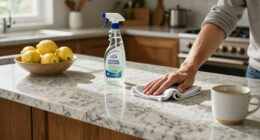
Declutter and clean surfaces with damp cloths to trap dust instead of spreading it.
Seal mattresses and pillows with allergen-proof covers to prevent mite buildup.
Why Dust Causes Allergies and How to Spot the Triggers
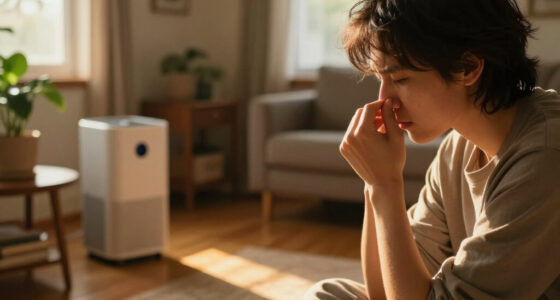
Dust allergies are caused by tiny particles like dust mites, pet dander, and mold spores floating in the air. You might notice sneezing, itchy eyes, or coughing, especially in bedrooms and living rooms.
Common sources include bedding, upholstered furniture, carpets, and curtains—areas where dust mites and pet dander like to hide and multiply.
Understanding these sources is the first step. If you see dust accumulating on surfaces or notice sneezing fits when you’re in certain rooms, you’re likely dealing with typical household triggers.
But why does this matter? Because these triggers can cause ongoing inflammation and irritation in your respiratory system, leading to persistent allergy symptoms. Recognizing the source allows you to target your efforts more effectively, reducing exposure and improving your quality of life.
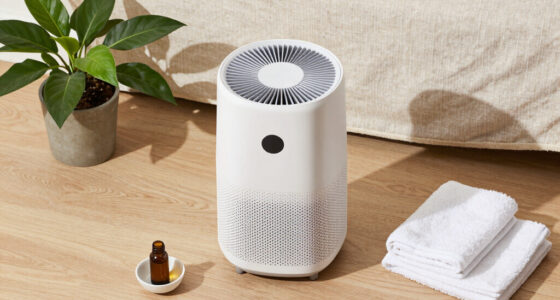
HEPA air purifier for dust allergies
As an affiliate, we earn on qualifying purchases.
As an affiliate, we earn on qualifying purchases.
Best Cleaning Routines to Keep Dust at Bay
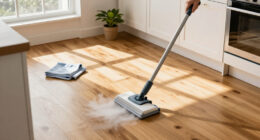
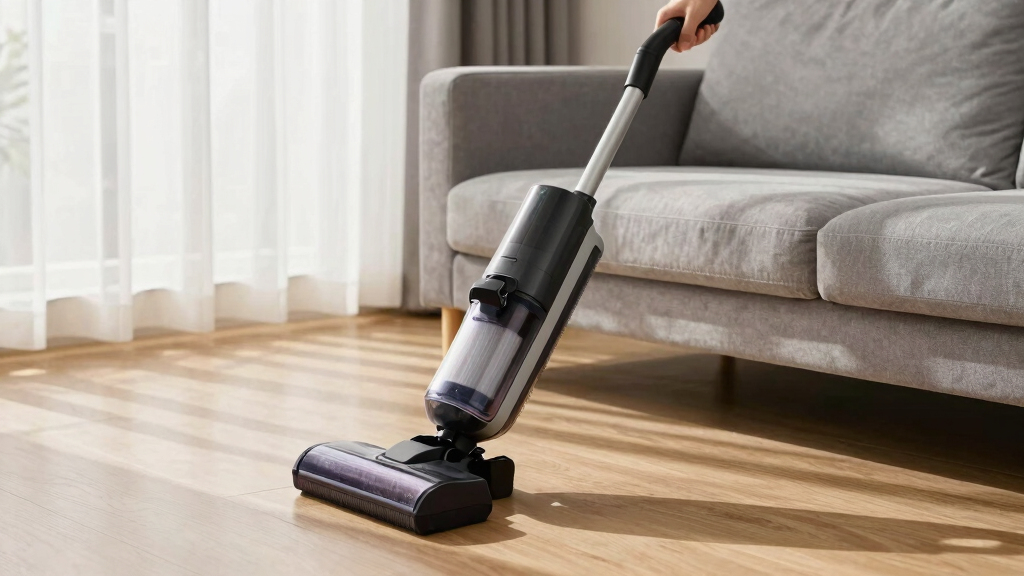
Regular cleaning is your best weapon. Vacuum carpets and upholstery at least twice a week using a vacuum with a HEPA filter. Dust surfaces with a damp cloth to trap particles instead of just spreading them around.
Wash bedding weekly in hot water—at least 130°F (54°C)—to kill dust mites. Don’t forget to wash pillowcases, sheets, and blankets regularly.
Declutter your space. Less stuff means fewer dust traps. Store items in sealed containers and keep surfaces clear to minimize dust accumulation.
Why is this important? Because dust and allergens settle quickly on surfaces and inside fabrics. Regular cleaning prevents these particles from becoming airborne or accumulating to levels that trigger symptoms. The tradeoff is time and effort—yet the payoff is a healthier indoor environment that reduces allergy flare-ups and improves breathing comfort.
As an affiliate, we earn on qualifying purchases.
How to Use Air Filtration and Ventilation Effectively
Air purifiers equipped with HEPA filters are game-changers. They trap 99.97% of airborne particles as small as 0.3 microns, including dust mites and pet dander.
Place one in your bedroom and living room for continuous air cleaning. Run them 24/7 if possible, especially during peak allergy seasons.
Open windows daily to refresh indoor air. Use exhaust fans in kitchens and bathrooms to reduce moisture and mold spores, which contribute to dust levels.
Why does this matter? Because indoor air quality directly impacts allergy symptoms. HEPA filters are highly effective, but their effectiveness depends on placement, continuous operation, and maintenance. Proper ventilation helps dilute indoor pollutants but must be balanced against outdoor pollution levels. The tradeoff involves energy use and noise, but the benefits for allergy relief are significant, especially in heavily polluted or humid environments.
As an affiliate, we earn on qualifying purchases.
Controlling Humidity to Stop Dust Mite Surges
Dust mites thrive in humid environments. Keeping indoor humidity between 30-50% can slash their numbers significantly.
Use a dehumidifier in damp rooms or during humid months. A simple hygrometer can help you monitor moisture levels.
For example, if your basement feels muggy and damp, a dehumidifier can pull moisture from the air, making it inhospitable for dust mites and mold.
Why control humidity? Because high moisture levels create ideal breeding grounds for dust mites and mold, both of which exacerbate allergies. Maintaining optimal humidity balances comfort and allergen control. The tradeoff is energy consumption and the need for regular monitoring, but the long-term benefits—less dust mite proliferation and mold growth—are worth the effort for allergy sufferers.
As an affiliate, we earn on qualifying purchases.
Choosing the Right Bedding and Furniture to Minimize Dust
Replace traditional mattresses and pillows with allergen-proof encasements. These special covers prevent dust mites from colonizing your bedding.
Opt for furniture with smooth, washable surfaces. Avoid plush, heavily upholstered chairs that trap dust and pet dander.
For example, a tightly woven, washable mattress cover can reduce dust mite exposure by up to 90%, according to research.
Why does this matter? Because bedding and furniture are primary reservoirs for dust mites and dander. Using allergen-proof covers and choosing easily cleanable furniture decreases the reservoirs, leading to fewer allergens in your environment. The tradeoff involves cost and comfort preferences, but the reduction in allergen load can significantly improve allergy symptoms and overall indoor air quality.
Smart Tips for Living Dust-Free Without Turning Your Home Inside Out
- Vacuum and dust regularly—preferably daily in high-traffic areas.
- Wash bedding weekly in hot water.
- Use HEPA air purifiers in main living zones.
- Keep pets out of bedrooms and off furniture.
- Maintain indoor humidity below 50%.
The Real Impact of These Changes on Your Allergies
Implementing these practices can cut dust allergen levels by over 50% within a few weeks. Many people report fewer sneezing fits, clearer breathing, and less eye irritation.
For example, someone who used to wake up sneezing every morning found relief after just one month of routine cleaning and air filtering.
The key? Consistency. Small daily habits add up to a healthier, more comfortable home.
Why does this matter? Because reducing dust allergens can significantly improve quality of life, especially for allergy sufferers. The implications extend beyond comfort—fewer allergy symptoms can lead to better sleep, improved respiratory health, and less reliance on medications. The tradeoff is effort and discipline, but the long-term health benefits make it a worthwhile investment.
Frequently Asked Questions
How often should I vacuum to reduce dust allergies?
Vacuum at least twice a week using a HEPA-filter vacuum cleaner. Focus on carpets, rugs, and upholstery, especially in bedrooms and living rooms where dust accumulates fastest.
Are air purifiers really worth the investment?
Yes. HEPA air purifiers can remove up to 99.97% of airborne allergens as small as 0.3 microns, making a noticeable difference for allergy symptoms. They’re especially effective when combined with other cleaning habits.
Can pets stay if I have dust allergies?
Pets can contribute pet dander, but keeping them out of bedrooms and off furniture helps. Regular grooming, cleaning, and air filtration also reduce their impact on dust levels.
What’s the best way to handle mold spores that contribute to dust?
Control humidity and fix leaks promptly. Regular cleaning of bathrooms and kitchens with mold-inhibiting solutions prevents spores from spreading and settling into dust.
Do natural remedies work to reduce dust mites?
Some natural options, like dust mite-proof covers and frequent washing, are effective. However, for significant allergy relief, combining these with air filtration and humidity control yields the best results.
Conclusion
Breathe easier by making these simple, consistent changes in your home. Dust allergies don’t have to control your life—small habits add up to big relief. Imagine your home as a clean, fresh space where you can finally relax and enjoy every breath.Fall Picks
fall essentials
As an affiliate, we earn on qualifying purchases.